SPIN Selling Tools for Digital Marketing & Branding Agencies
Discover the best SPIN Selling tools and AI for digital marketing agencies. Learn to pitch growth packages to traditional businesses and boost client retention.

Meilleure citation de SPIN Selling Tools for Digital Marketing & Branding Agencies
Problems don't drive change; consequences do. Top-performing reps ask up to four times more Implication questions because a problem without a consequence isn't a priority—it’s just an annoyance.
Generated by Seeker
Tools that help me implement spin selling for my digital marketing agency which is specialised in web designin and branding and then offer growth package only for already exsisting clients.out target audience are three persona.main client successful tradition website who know they need online presnese.traditional business who slowly loosing clients traditionally and are desprate to save there legacy but not convince they need nline and tech savy.how do i use spin sale and which ai or tools

Foire aux questions
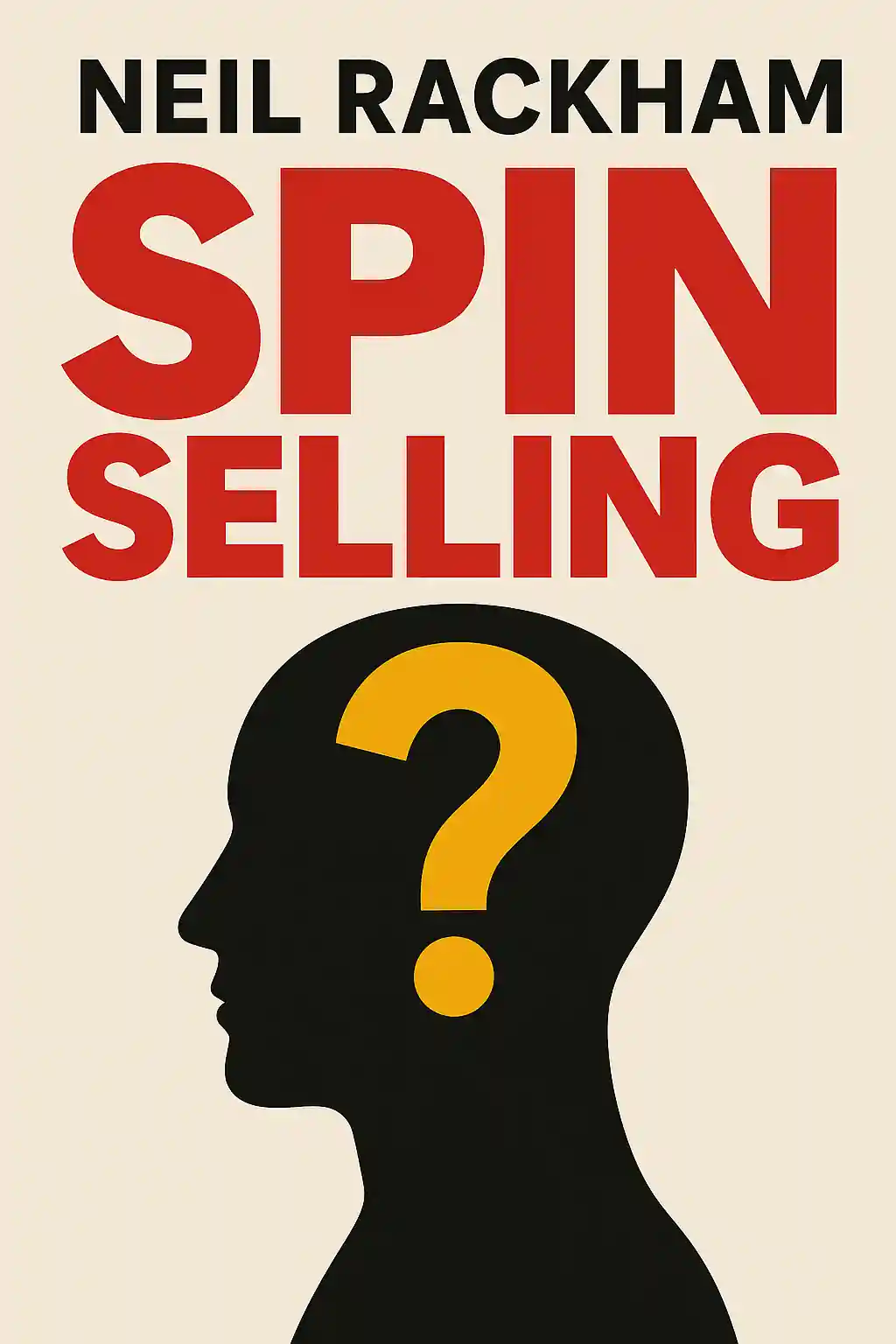
Digital marketing agencies can use the SPIN Selling framework to move beyond basic web design by uncovering a client's specific Situation, Problem, Implication, and Need-payoff. For traditional businesses, this means identifying how a lack of online presence leads to lost revenue. By using sales tools to map these pain points, agencies can position their branding services as essential solutions for legacy preservation and modern growth, making the transition from a one-time project to a long-term partnership more natural.
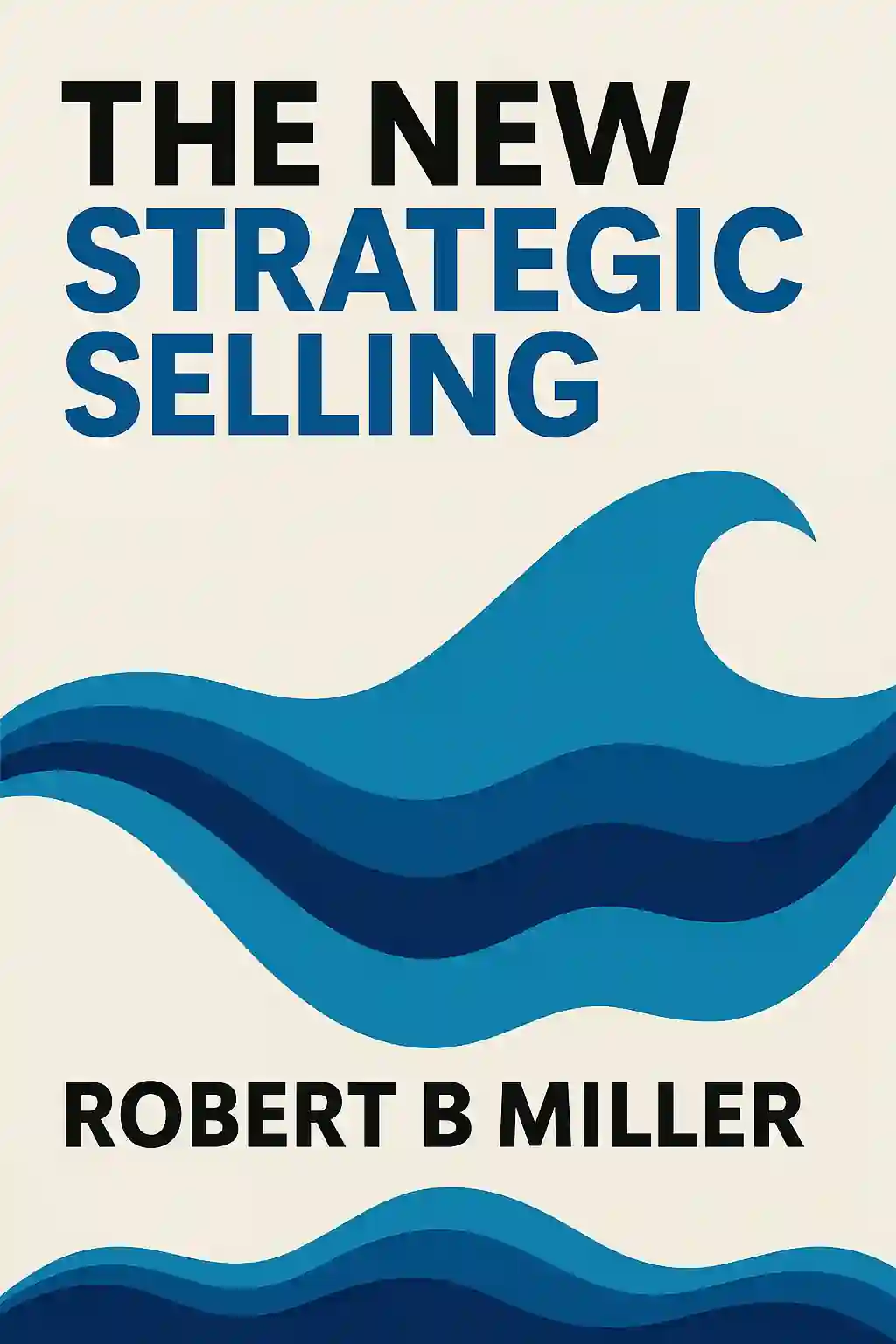
To effectively implement SPIN Selling, agencies should leverage sales automation AI and CRM tools like HubSpot or Pipedrive to track client interactions and pain points. AI-driven conversation intelligence tools like Gong or Chorus can analyze sales calls to ensure the right questions are being asked. These tools help identify the perfect timing to offer growth packages to existing clients by monitoring engagement signals and business needs, ensuring your upsell strategy is data-driven and highly personalized.
When dealing with traditional business owners who are skeptical of tech, SPIN Selling focuses on the 'Implication' stage. Use sales tools to show data on how their traditional client base is eroding and what that means for their legacy. By highlighting the risks of inaction, you move the conversation from technical features to business survival. This approach helps tech-savvy agencies bridge the gap with non-technical founders, positioning web design and branding as a necessary investment to save their life's work.
The best strategy for client retention is transitioning existing web design clients into recurring growth packages using the Need-payoff phase of SPIN Selling. Instead of cold pitching, use sales automation tools to identify when a client's new site is ready for scaling. By demonstrating how ongoing marketing and branding support solves the problems identified during the initial build, you create a continuous value loop. This ensures that successful traditional businesses remain loyal as they see measurable results from their digital presence.
Cree par des anciens de Columbia University a San Francisco
"Instead of endless scrolling, I just hit play on BeFreed. It saves me so much time."


"I never knew where to start with nonfiction—BeFreed’s book lists turned into podcasts gave me a clear path."


"Perfect balance between learning and entertainment. Finished ‘Thinking, Fast and Slow’ on my commute this week."
"Crazy how much I learned while walking the dog. BeFreed = small habits → big gains."
"Reading used to feel like a chore. Now it’s just part of my lifestyle."

"Feels effortless compared to reading. I’ve finished 6 books this month already."
"BeFreed turned my guilty doomscrolling into something that feels productive and inspiring."

"BeFreed turned my commute into learning time. 20-min podcasts are perfect for finishing books I never had time for."
"BeFreed replaced my podcast queue. Imagine Spotify for books — that’s it. 🙌"

"It is great for me to learn something from the book without reading it."
"The themed book list podcasts help me connect ideas across authors—like a guided audio journey."
"Makes me feel smarter every time before going to work"
Cree par des anciens de Columbia University a San Francisco
"Instead of endless scrolling, I just hit play on BeFreed. It saves me so much time."
"I never knew where to start with nonfiction—BeFreed’s book lists turned into podcasts gave me a clear path."
"Perfect balance between learning and entertainment. Finished ‘Thinking, Fast and Slow’ on my commute this week."
"Crazy how much I learned while walking the dog. BeFreed = small habits → big gains."
"Reading used to feel like a chore. Now it’s just part of my lifestyle."
"Feels effortless compared to reading. I’ve finished 6 books this month already."
"BeFreed turned my guilty doomscrolling into something that feels productive and inspiring."
"BeFreed turned my commute into learning time. 20-min podcasts are perfect for finishing books I never had time for."
"BeFreed replaced my podcast queue. Imagine Spotify for books — that’s it. 🙌"
"It is great for me to learn something from the book without reading it."
"The themed book list podcasts help me connect ideas across authors—like a guided audio journey."
"Makes me feel smarter every time before going to work"
"Instead of endless scrolling, I just hit play on BeFreed. It saves me so much time."
"I never knew where to start with nonfiction—BeFreed’s book lists turned into podcasts gave me a clear path."
"Perfect balance between learning and entertainment. Finished ‘Thinking, Fast and Slow’ on my commute this week."
"Crazy how much I learned while walking the dog. BeFreed = small habits → big gains."
"Reading used to feel like a chore. Now it’s just part of my lifestyle."
"Feels effortless compared to reading. I’ve finished 6 books this month already."
"BeFreed turned my guilty doomscrolling into something that feels productive and inspiring."
"BeFreed turned my commute into learning time. 20-min podcasts are perfect for finishing books I never had time for."
"BeFreed replaced my podcast queue. Imagine Spotify for books — that’s it. 🙌"
"It is great for me to learn something from the book without reading it."
"The themed book list podcasts help me connect ideas across authors—like a guided audio journey."
"Makes me feel smarter every time before going to work"
"Instead of endless scrolling, I just hit play on BeFreed. It saves me so much time."
"I never knew where to start with nonfiction—BeFreed’s book lists turned into podcasts gave me a clear path."
"Perfect balance between learning and entertainment. Finished ‘Thinking, Fast and Slow’ on my commute this week."
"Crazy how much I learned while walking the dog. BeFreed = small habits → big gains."
"Reading used to feel like a chore. Now it’s just part of my lifestyle."
"Feels effortless compared to reading. I’ve finished 6 books this month already."
"BeFreed turned my guilty doomscrolling into something that feels productive and inspiring."
"BeFreed turned my commute into learning time. 20-min podcasts are perfect for finishing books I never had time for."
"BeFreed replaced my podcast queue. Imagine Spotify for books — that’s it. 🙌"
"It is great for me to learn something from the book without reading it."
"The themed book list podcasts help me connect ideas across authors—like a guided audio journey."
"Makes me feel smarter every time before going to work"