Southern Masculinity's Performative Uniform Crisis
Why do entire regions of Southern men suddenly adopt identical looks - lifted trucks, beards, dashboard ducks? We decode the psychology behind this mass cultural performance and what it reveals about modern masculine identity.

Meilleure citation de Southern Masculinity's Performative Uniform Crisis
We're looking at 'collective individualism'—the belief that you're unique while doing exactly what everyone else in your group does. It provides the feeling of masculine power without requiring the traditional achievements that used to confer status.

Cette leçon audio a été créée par un membre de la communauté BeFreed
What is this fucking thing in the south with the trucks with the big rims jacked up in the front or the fucking guys in the trucks with the hats and the beards and everyone’s gonna have a beard in South Carolina what’s this thing in South Carolina, Georgia, Alabama where all the men have to have beards this fucking whole beard club virtue signaling around people that own a jeep have to have ducks on their windows. What’s this goddamn positioning thing everyone’s gonna have somethi fucking phony

Découvrir plus

Be a Sovereign, Powerful & Respected Man
In an era of distraction and diluted purpose, this plan provides a structured path for men to reclaim their personal agency and authority. It is designed for those seeking to transition from passive participation to active, respected leadership in their personal and professional lives.

Learn men's fashion basics
Personal style is a powerful tool that influences first impressions, self-confidence, and professional opportunities. This learning plan is ideal for men who want to elevate their appearance, feel more confident in their clothing choices, and understand how to dress appropriately for various life situations. Whether you're entering the workforce, advancing your career, or simply want to look and feel your best, mastering these fashion fundamentals will serve you for a lifetime.

Nurture sons for lifelong well-being
Raising boys in the modern world requires a specialized approach to emotional development and character building. This plan is essential for parents and mentors seeking to bridge the communication gap and foster authentic masculinity from childhood through adulthood.

Master Manhood: Love, Wealth & Mastery
This plan is designed for men seeking to integrate emotional maturity with professional and financial excellence. It provides a comprehensive roadmap for those looking to lead with purpose and build lasting wealth while maintaining deep, fulfilling relationships.

Submission,crossdressing,self feminization
This guide is designed for individuals seeking to explore the intersection of power dynamics and gender expression in a safe, structured way. It provides the essential psychological and practical tools for anyone looking to embrace submission and self-feminization while maintaining healthy personal boundaries.
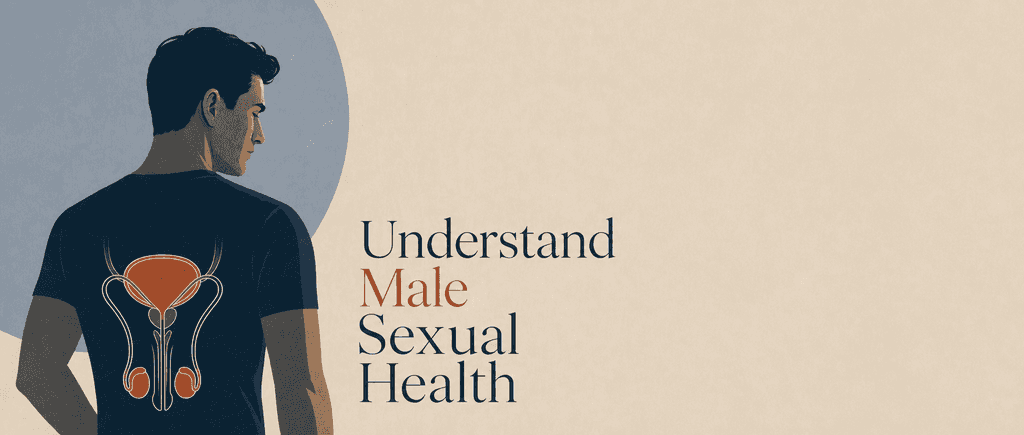
Understand Male Sexual Health
This learning plan addresses the often-stigmatized aspects of male wellness by combining biological facts with psychological insights. It is designed for men seeking to optimize their physical performance, understand age-related changes, and foster a healthier relationship with their own masculinity.
Redpill
This plan is essential for men seeking to understand the underlying biological and psychological drivers of attraction and social hierarchy. It is designed for individuals who want to move beyond surface-level dating advice to achieve genuine personal mastery and healthier, more informed relationship dynamics.
The Unshakable Man
In an era of constant noise, true authority is found in composure and strategic restraint. This plan is designed for men seeking to refine their leadership through emotional mastery and an intentional, high-value presence.
Cree par des anciens de Columbia University a San Francisco
"Instead of endless scrolling, I just hit play on BeFreed. It saves me so much time."


"I never knew where to start with nonfiction—BeFreed’s book lists turned into podcasts gave me a clear path."


"Perfect balance between learning and entertainment. Finished ‘Thinking, Fast and Slow’ on my commute this week."
"Crazy how much I learned while walking the dog. BeFreed = small habits → big gains."
"Reading used to feel like a chore. Now it’s just part of my lifestyle."

"Feels effortless compared to reading. I’ve finished 6 books this month already."
"BeFreed turned my guilty doomscrolling into something that feels productive and inspiring."

"BeFreed turned my commute into learning time. 20-min podcasts are perfect for finishing books I never had time for."
"BeFreed replaced my podcast queue. Imagine Spotify for books — that’s it. 🙌"

"It is great for me to learn something from the book without reading it."
"The themed book list podcasts help me connect ideas across authors—like a guided audio journey."
"Makes me feel smarter every time before going to work"
Cree par des anciens de Columbia University a San Francisco
"Instead of endless scrolling, I just hit play on BeFreed. It saves me so much time."
"I never knew where to start with nonfiction—BeFreed’s book lists turned into podcasts gave me a clear path."
"Perfect balance between learning and entertainment. Finished ‘Thinking, Fast and Slow’ on my commute this week."
"Crazy how much I learned while walking the dog. BeFreed = small habits → big gains."
"Reading used to feel like a chore. Now it’s just part of my lifestyle."
"Feels effortless compared to reading. I’ve finished 6 books this month already."
"BeFreed turned my guilty doomscrolling into something that feels productive and inspiring."
"BeFreed turned my commute into learning time. 20-min podcasts are perfect for finishing books I never had time for."
"BeFreed replaced my podcast queue. Imagine Spotify for books — that’s it. 🙌"
"It is great for me to learn something from the book without reading it."
"The themed book list podcasts help me connect ideas across authors—like a guided audio journey."
"Makes me feel smarter every time before going to work"
"Instead of endless scrolling, I just hit play on BeFreed. It saves me so much time."
"I never knew where to start with nonfiction—BeFreed’s book lists turned into podcasts gave me a clear path."
"Perfect balance between learning and entertainment. Finished ‘Thinking, Fast and Slow’ on my commute this week."
"Crazy how much I learned while walking the dog. BeFreed = small habits → big gains."
"Reading used to feel like a chore. Now it’s just part of my lifestyle."
"Feels effortless compared to reading. I’ve finished 6 books this month already."
"BeFreed turned my guilty doomscrolling into something that feels productive and inspiring."
"BeFreed turned my commute into learning time. 20-min podcasts are perfect for finishing books I never had time for."
"BeFreed replaced my podcast queue. Imagine Spotify for books — that’s it. 🙌"
"It is great for me to learn something from the book without reading it."
"The themed book list podcasts help me connect ideas across authors—like a guided audio journey."
"Makes me feel smarter every time before going to work"
"Instead of endless scrolling, I just hit play on BeFreed. It saves me so much time."
"I never knew where to start with nonfiction—BeFreed’s book lists turned into podcasts gave me a clear path."
"Perfect balance between learning and entertainment. Finished ‘Thinking, Fast and Slow’ on my commute this week."
"Crazy how much I learned while walking the dog. BeFreed = small habits → big gains."
"Reading used to feel like a chore. Now it’s just part of my lifestyle."
"Feels effortless compared to reading. I’ve finished 6 books this month already."
"BeFreed turned my guilty doomscrolling into something that feels productive and inspiring."
"BeFreed turned my commute into learning time. 20-min podcasts are perfect for finishing books I never had time for."
"BeFreed replaced my podcast queue. Imagine Spotify for books — that’s it. 🙌"
"It is great for me to learn something from the book without reading it."
"The themed book list podcasts help me connect ideas across authors—like a guided audio journey."
"Makes me feel smarter every time before going to work"