Sámi Wounds: Unpacking 'Straff'
Explore how Laestadius's powerful novel reveals Sweden's nomad school system and its generational trauma on Sámi children, weaving together past and present to illuminate cultural erasure and survival.

Meilleure citation de Sámi Wounds: Unpacking 'Straff'
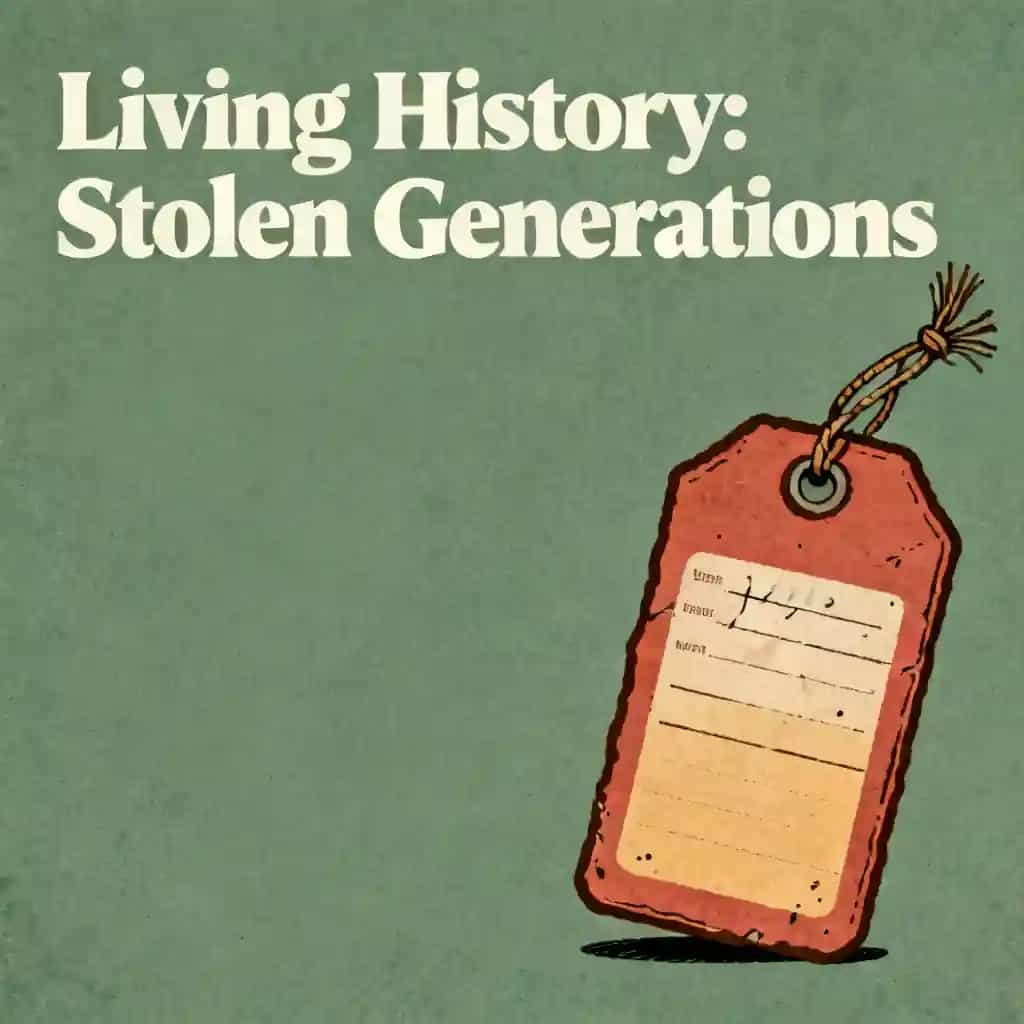
The nomad school system was official government policy, implemented across Sápmi for decades, representing a systematic and intentional cultural destruction where children were told that everything about their culture was wrong or inferior.

Cette leçon audio a été créée par un membre de la communauté BeFreed
Jag har bok seminarie om boken straff av Ann Helen laestadius kan du hjälpa mig

Découvrir plus

Focus on The Body Keeps the Score book
This plan distills the groundbreaking insights of Bessel van der Kolk for anyone seeking to understand the physiological roots of trauma. It is ideal for mental health professionals, educators, and survivors looking to move beyond cognitive understanding toward true somatic recovery.

Healing the Fractured Spirit
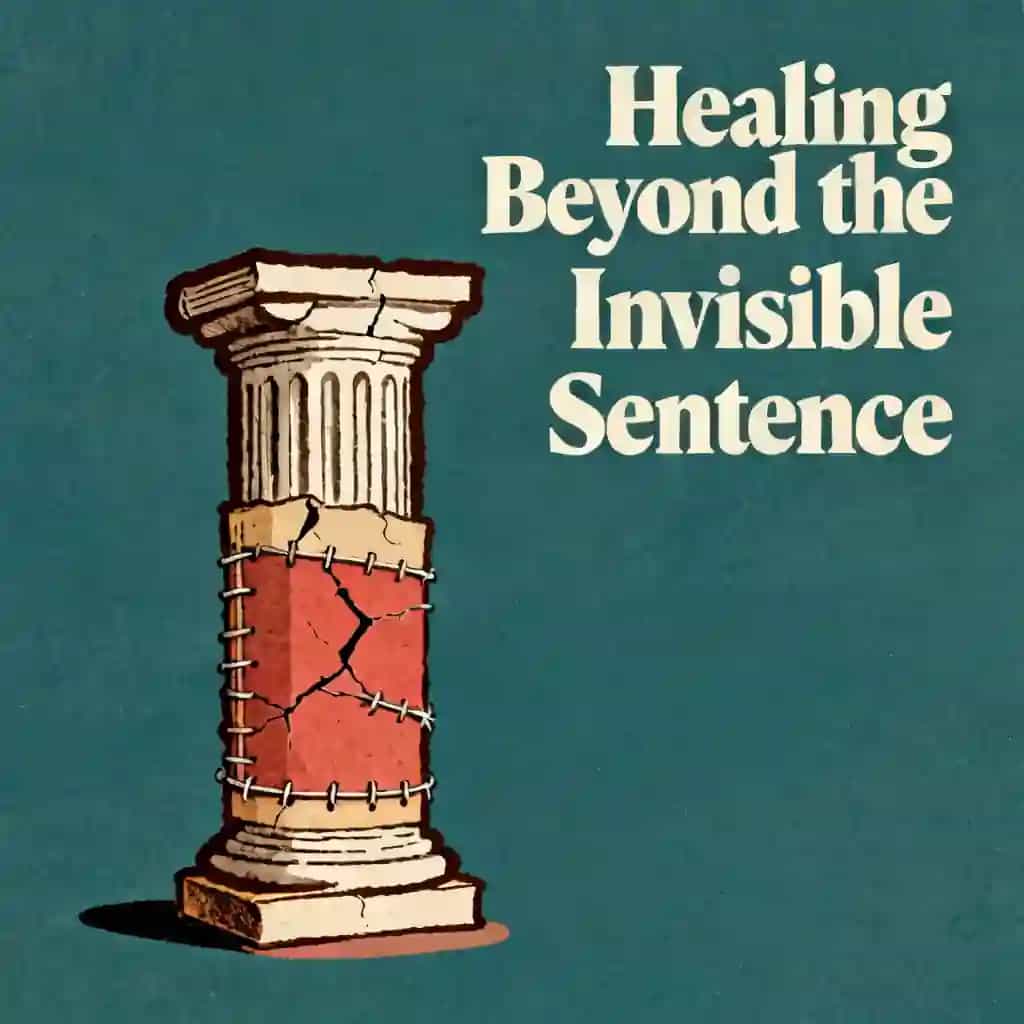
This course is essential for individuals seeking to overcome deep-seated spiritual trauma and cycle-breaking patterns of oppression. It is specifically designed for those feeling spiritually drained or manipulated who want to reclaim their autonomy and peace.
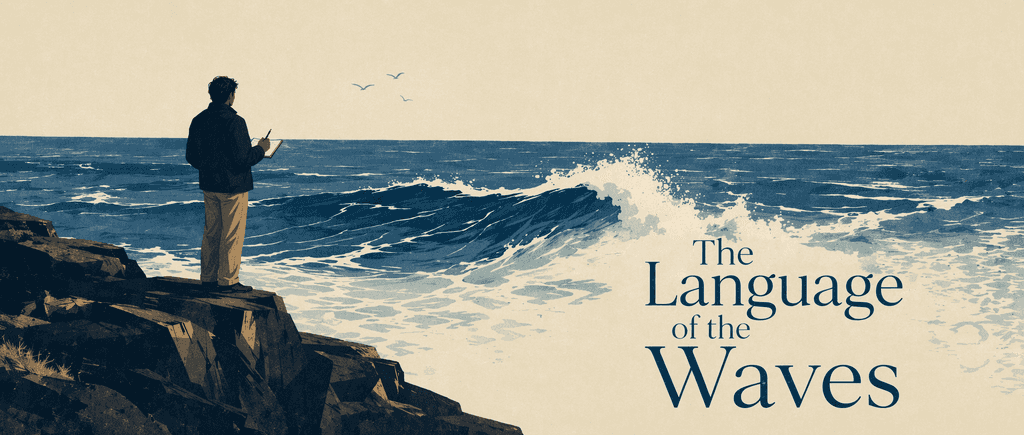
The Language of the Waves
This plan is essential for writers looking to deepen character psychology through environmental symbolism and authentic dialogue. It is ideal for novelists and screenwriters who want to master the delicate balance between a character's past trauma and their eventual emotional evolution.
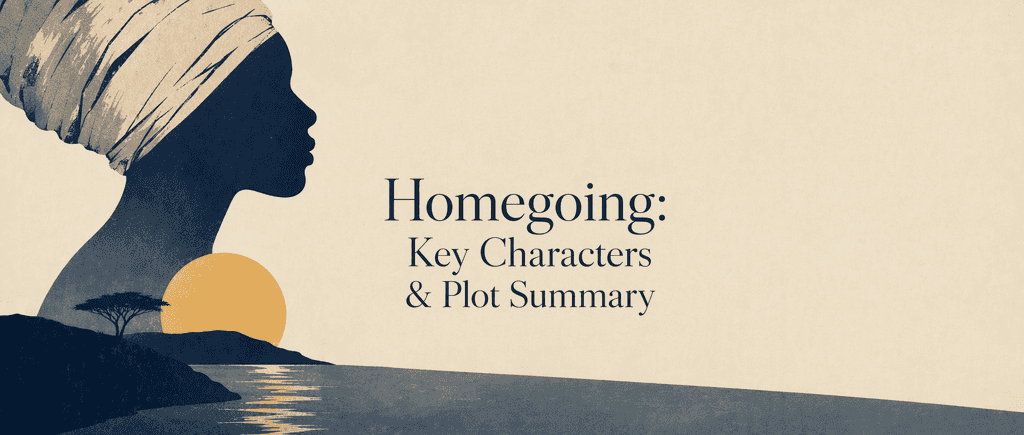
Homegoing: Key Characters & Plot Summary
This plan is essential for readers and students seeking a deep dive into the historical and psychological layers of Yaa Gyasi’s epic. It is perfect for literature enthusiasts interested in how generational trauma and colonial legacies shape modern identity.

Heal From Childhood Emotional Wounds
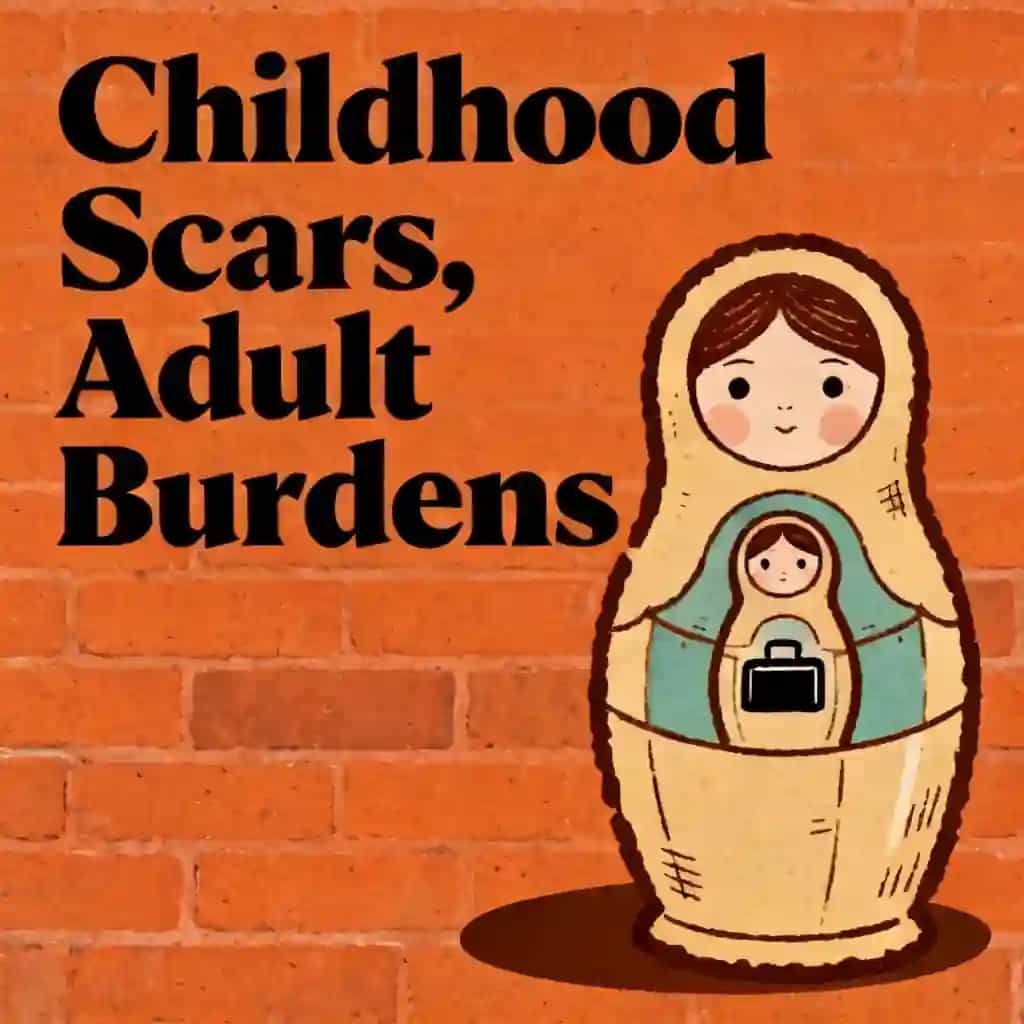
Childhood emotional wounds often create invisible barriers to happiness, healthy relationships, and self-worth that persist into adulthood. This learning plan is essential for anyone who struggles with recurring relationship patterns, low self-esteem, difficulty trusting others, or feeling emotionally stuck despite wanting to change. It provides a structured, compassionate path to understanding and healing the root causes of emotional pain rather than just managing symptoms.

Break the cycle of generational trauma
This learning plan is essential for anyone who recognizes repeating patterns of pain, dysfunction, or emotional struggles in their family lineage and wants to stop the cycle. It's particularly valuable for parents, prospective parents, and individuals committed to personal healing who understand that unresolved family trauma shapes their present-day life and relationships. By addressing generational trauma, you'll not only heal yourself but also protect future generations from inherited emotional wounds.

Resumir Pluma de Ganso de Nilma Lacerda
This plan is essential for educators and literature students seeking to master the nuances of Brazilian children's fiction. It provides a structured path from historical context to advanced critical synthesis using Nilma Lacerda's masterpiece as a primary case study.

Healing the Inner Child
This plan is essential for individuals struggling with chronic insecurity or emotional reactivity in relationships. It provides a structured path for those ready to bridge the gap between cognitive understanding and somatic healing to transform their attachment patterns.
Cree par des anciens de Columbia University a San Francisco
"Instead of endless scrolling, I just hit play on BeFreed. It saves me so much time."


"I never knew where to start with nonfiction—BeFreed’s book lists turned into podcasts gave me a clear path."


"Perfect balance between learning and entertainment. Finished ‘Thinking, Fast and Slow’ on my commute this week."
"Crazy how much I learned while walking the dog. BeFreed = small habits → big gains."
"Reading used to feel like a chore. Now it’s just part of my lifestyle."

"Feels effortless compared to reading. I’ve finished 6 books this month already."
"BeFreed turned my guilty doomscrolling into something that feels productive and inspiring."

"BeFreed turned my commute into learning time. 20-min podcasts are perfect for finishing books I never had time for."
"BeFreed replaced my podcast queue. Imagine Spotify for books — that’s it. 🙌"

"It is great for me to learn something from the book without reading it."
"The themed book list podcasts help me connect ideas across authors—like a guided audio journey."
"Makes me feel smarter every time before going to work"
Cree par des anciens de Columbia University a San Francisco
"Instead of endless scrolling, I just hit play on BeFreed. It saves me so much time."
"I never knew where to start with nonfiction—BeFreed’s book lists turned into podcasts gave me a clear path."
"Perfect balance between learning and entertainment. Finished ‘Thinking, Fast and Slow’ on my commute this week."
"Crazy how much I learned while walking the dog. BeFreed = small habits → big gains."
"Reading used to feel like a chore. Now it’s just part of my lifestyle."
"Feels effortless compared to reading. I’ve finished 6 books this month already."
"BeFreed turned my guilty doomscrolling into something that feels productive and inspiring."
"BeFreed turned my commute into learning time. 20-min podcasts are perfect for finishing books I never had time for."
"BeFreed replaced my podcast queue. Imagine Spotify for books — that’s it. 🙌"
"It is great for me to learn something from the book without reading it."
"The themed book list podcasts help me connect ideas across authors—like a guided audio journey."
"Makes me feel smarter every time before going to work"
"Instead of endless scrolling, I just hit play on BeFreed. It saves me so much time."
"I never knew where to start with nonfiction—BeFreed’s book lists turned into podcasts gave me a clear path."
"Perfect balance between learning and entertainment. Finished ‘Thinking, Fast and Slow’ on my commute this week."
"Crazy how much I learned while walking the dog. BeFreed = small habits → big gains."
"Reading used to feel like a chore. Now it’s just part of my lifestyle."
"Feels effortless compared to reading. I’ve finished 6 books this month already."
"BeFreed turned my guilty doomscrolling into something that feels productive and inspiring."
"BeFreed turned my commute into learning time. 20-min podcasts are perfect for finishing books I never had time for."
"BeFreed replaced my podcast queue. Imagine Spotify for books — that’s it. 🙌"
"It is great for me to learn something from the book without reading it."
"The themed book list podcasts help me connect ideas across authors—like a guided audio journey."
"Makes me feel smarter every time before going to work"
"Instead of endless scrolling, I just hit play on BeFreed. It saves me so much time."
"I never knew where to start with nonfiction—BeFreed’s book lists turned into podcasts gave me a clear path."
"Perfect balance between learning and entertainment. Finished ‘Thinking, Fast and Slow’ on my commute this week."
"Crazy how much I learned while walking the dog. BeFreed = small habits → big gains."
"Reading used to feel like a chore. Now it’s just part of my lifestyle."
"Feels effortless compared to reading. I’ve finished 6 books this month already."
"BeFreed turned my guilty doomscrolling into something that feels productive and inspiring."
"BeFreed turned my commute into learning time. 20-min podcasts are perfect for finishing books I never had time for."
"BeFreed replaced my podcast queue. Imagine Spotify for books — that’s it. 🙌"
"It is great for me to learn something from the book without reading it."
"The themed book list podcasts help me connect ideas across authors—like a guided audio journey."
"Makes me feel smarter every time before going to work"