Running local LLMs for total data privacy
Stop sending sensitive data to remote servers. Learn how to run AI models on your own laptop to reclaim digital sovereignty and keep your prompts private.

Meilleure citation de Running local LLMs for total data privacy
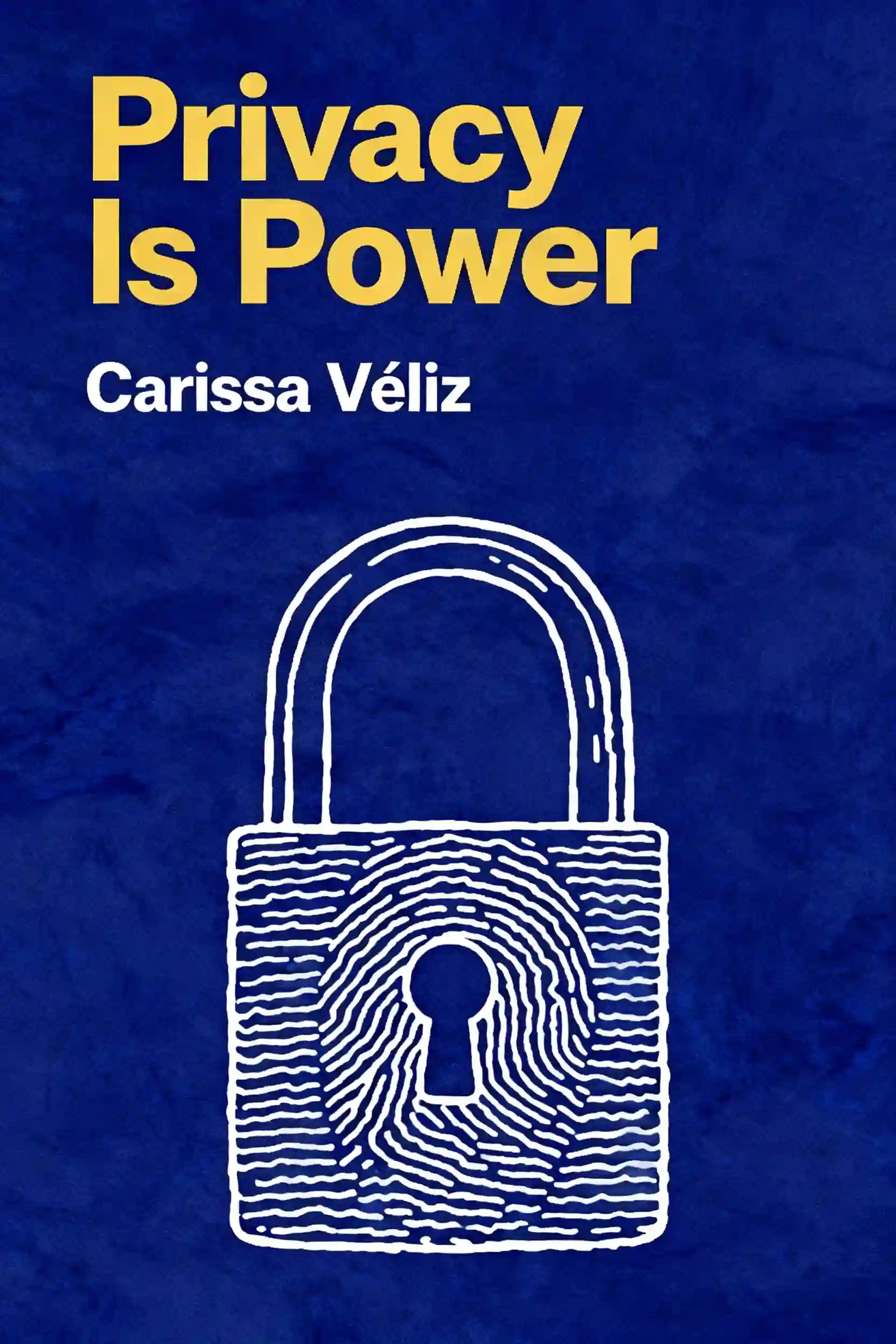
That’s what we mean by data sovereignty—the data stays on your silicon, under your roof, and within your physical control.
Generated by Garry
I want to learn about the benefits of installing and using a LLM model on a local machine. What are the benefits over online versions

Foire aux questions
When you send a prompt to a cloud service, your data undergoes a "five-step marathon" where it travels across your local network and the open internet to a provider's server. Once there, it is stored in logs and can potentially be fed back into training data for future models, meaning your private notes could become part of the AI's public knowledge base. Furthermore, data stored on third-party hardware is subject to that company’s policy changes, government subpoenas, and legal discovery, which can be particularly problematic for sensitive financial or medical information.
The most critical component for local AI is RAM, as the entire model must fit into memory to run at a usable speed. A general rule of thumb is 0.5 to 1 gigabyte of RAM per billion parameters; therefore, a standard 8B model typically requires 8GB to 16GB of RAM. While modern laptops with unified memory (like Apple’s M-series chips) are very efficient, Windows or Linux users benefit most from a dedicated NVIDIA GPU with high VRAM, such as an RTX 4090, to achieve high processing speeds.
Model drift occurs in cloud services when providers update weights, change safety filters, or swap models behind the scenes to save on costs, causing the AI's performance and "personality" to shift unexpectedly. Local LLMs offer "model immutability," meaning the version you download remains "set in stone." This allows users to "version lock" or "pin" a specific model so that it behaves exactly the same way every time, which is essential for developers or regulated industries that require consistent, validated outputs.
LM Studio and Ollama are the two primary tools for running local models, but they serve different purposes. LM Studio provides a polished graphical user interface with buttons and sliders, making it ideal for beginners who want to search, download, and chat with models in a visual environment similar to ChatGPT. Ollama is a lightweight command-line tool favored by developers because it runs in the background and sets up a local API, allowing other applications like code editors or note-taking apps to communicate with the AI.
While local models are rapidly improving, there is still a "quality ceiling" compared to the massive frontier models in the cloud. Cloud-based behemoths have trillions of parameters and superior "world knowledge," complex reasoning, and the ability to handle extremely long conversations without forgetting details. However, for 90% of daily tasks—such as drafting emails, summarizing documents, or coding—local models like Llama 3.1 or DeepSeek are often superior because they offer better privacy, zero latency, and no subscription fees or rate limits.
Cree par des anciens de Columbia University a San Francisco
BeFreed rassemble une communauté mondiale d'esprits curieux


"Instead of endless scrolling, I just hit play on BeFreed. It saves me so much time."


"I never knew where to start with nonfiction—BeFreed’s book lists turned into podcasts gave me a clear path."


"Perfect balance between learning and entertainment. Finished ‘Thinking, Fast and Slow’ on my commute this week."
"Crazy how much I learned while walking the dog. BeFreed = small habits → big gains."
"Reading used to feel like a chore. Now it’s just part of my lifestyle."

"Feels effortless compared to reading. I’ve finished 6 books this month already."
"BeFreed turned my guilty doomscrolling into something that feels productive and inspiring."

"BeFreed turned my commute into learning time. 20-min podcasts are perfect for finishing books I never had time for."
"BeFreed replaced my podcast queue. Imagine Spotify for books — that’s it. 🙌"

"It is great for me to learn something from the book without reading it."
"The themed book list podcasts help me connect ideas across authors—like a guided audio journey."
"Makes me feel smarter every time before going to work"
Cree par des anciens de Columbia University a San Francisco
BeFreed rassemble une communauté mondiale d'esprits curieux
"Instead of endless scrolling, I just hit play on BeFreed. It saves me so much time."
"I never knew where to start with nonfiction—BeFreed’s book lists turned into podcasts gave me a clear path."
"Perfect balance between learning and entertainment. Finished ‘Thinking, Fast and Slow’ on my commute this week."
"Crazy how much I learned while walking the dog. BeFreed = small habits → big gains."
"Reading used to feel like a chore. Now it’s just part of my lifestyle."
"Feels effortless compared to reading. I’ve finished 6 books this month already."
"BeFreed turned my guilty doomscrolling into something that feels productive and inspiring."
"BeFreed turned my commute into learning time. 20-min podcasts are perfect for finishing books I never had time for."
"BeFreed replaced my podcast queue. Imagine Spotify for books — that’s it. 🙌"
"It is great for me to learn something from the book without reading it."
"The themed book list podcasts help me connect ideas across authors—like a guided audio journey."
"Makes me feel smarter every time before going to work"
"Instead of endless scrolling, I just hit play on BeFreed. It saves me so much time."
"I never knew where to start with nonfiction—BeFreed’s book lists turned into podcasts gave me a clear path."
"Perfect balance between learning and entertainment. Finished ‘Thinking, Fast and Slow’ on my commute this week."
"Crazy how much I learned while walking the dog. BeFreed = small habits → big gains."
"Reading used to feel like a chore. Now it’s just part of my lifestyle."
"Feels effortless compared to reading. I’ve finished 6 books this month already."
"BeFreed turned my guilty doomscrolling into something that feels productive and inspiring."
"BeFreed turned my commute into learning time. 20-min podcasts are perfect for finishing books I never had time for."
"BeFreed replaced my podcast queue. Imagine Spotify for books — that’s it. 🙌"
"It is great for me to learn something from the book without reading it."
"The themed book list podcasts help me connect ideas across authors—like a guided audio journey."
"Makes me feel smarter every time before going to work"
"Instead of endless scrolling, I just hit play on BeFreed. It saves me so much time."
"I never knew where to start with nonfiction—BeFreed’s book lists turned into podcasts gave me a clear path."
"Perfect balance between learning and entertainment. Finished ‘Thinking, Fast and Slow’ on my commute this week."
"Crazy how much I learned while walking the dog. BeFreed = small habits → big gains."
"Reading used to feel like a chore. Now it’s just part of my lifestyle."
"Feels effortless compared to reading. I’ve finished 6 books this month already."
"BeFreed turned my guilty doomscrolling into something that feels productive and inspiring."
"BeFreed turned my commute into learning time. 20-min podcasts are perfect for finishing books I never had time for."
"BeFreed replaced my podcast queue. Imagine Spotify for books — that’s it. 🙌"
"It is great for me to learn something from the book without reading it."
"The themed book list podcasts help me connect ideas across authors—like a guided audio journey."
"Makes me feel smarter every time before going to work"