Explore how the TRPV1 receptor and anterior cingulate cortex drive chronic pain and how new research into neural firewalls aims to rewire the brain's pain alarm.

We are entering an era of 'molecular surgery' and 'neural firewalls' where we can theoretically decouple the chemical trigger from the conscious experience of agony.
A speculative neurological exploration into reducing pain from capsaicin by targeting brain receptors directly. The focus is on theoretical hacks or future neuro-technologies that could decouple the chemical trigger from the conscious experience of pain, rather than current pharmacological methods or peripheral treatments. The discussion should address the specific mechanisms of capsaicin-sensitive receptors in the brain and how they might be speculatively modulated.

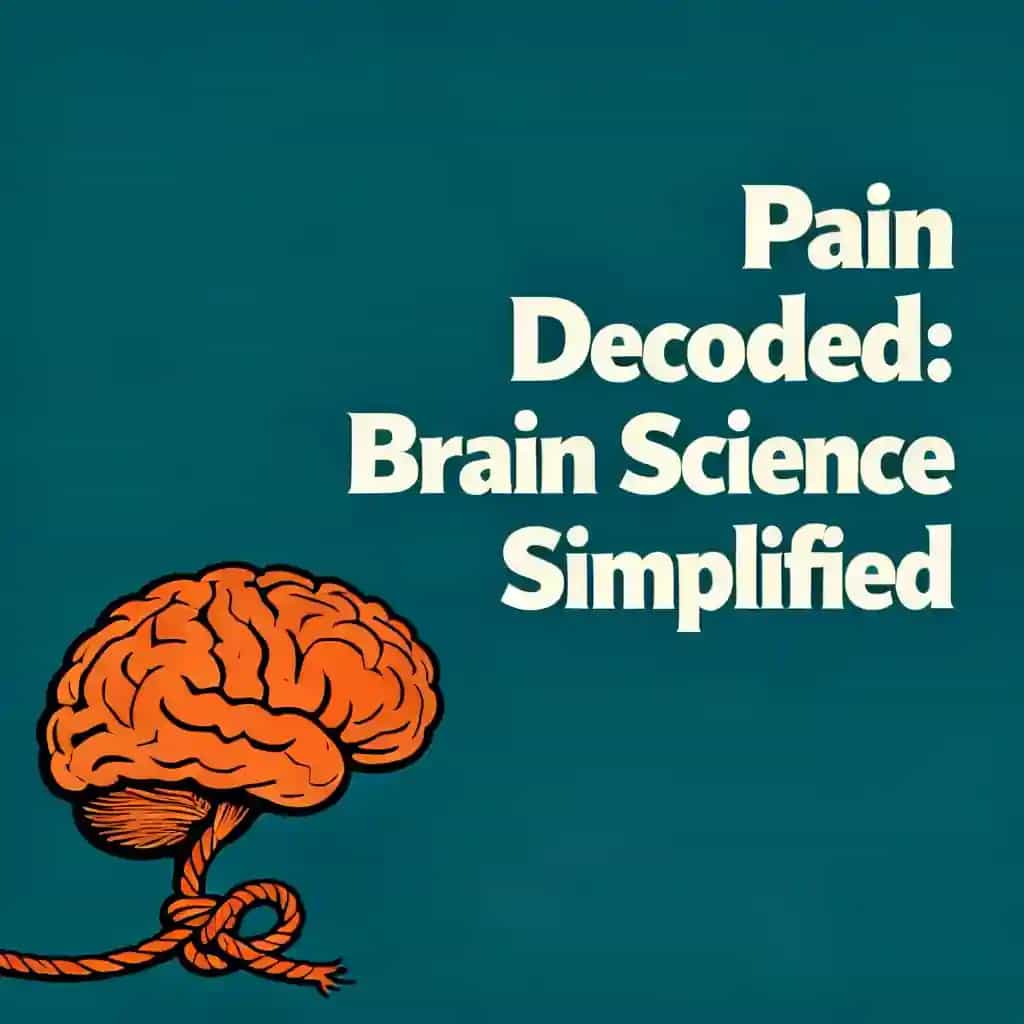
The TRPV1 receptor is a biological alarm system and a critical biomarker for neuropathic pain. While it is famously triggered by capsaicin in chili peppers to create a burning sensation, in millions of people with chronic pain, this alarm remains stuck in the "on" position. This receptor is deeply embedded in the brain's architecture, playing a major role in how the body processes inflammation and persistent painful stimuli.
The emotional and affective aspects of pain are governed by specific regions of the brain, particularly the anterior cingulate cortex (ACC). Research reveals that the TRPV1 receptor is located within the ACC, meaning this receptor influences more than just physical sensation. By understanding this connection, scientists are looking for ways to decouple chemical triggers from the conscious experience of suffering through methods like molecular surgery.
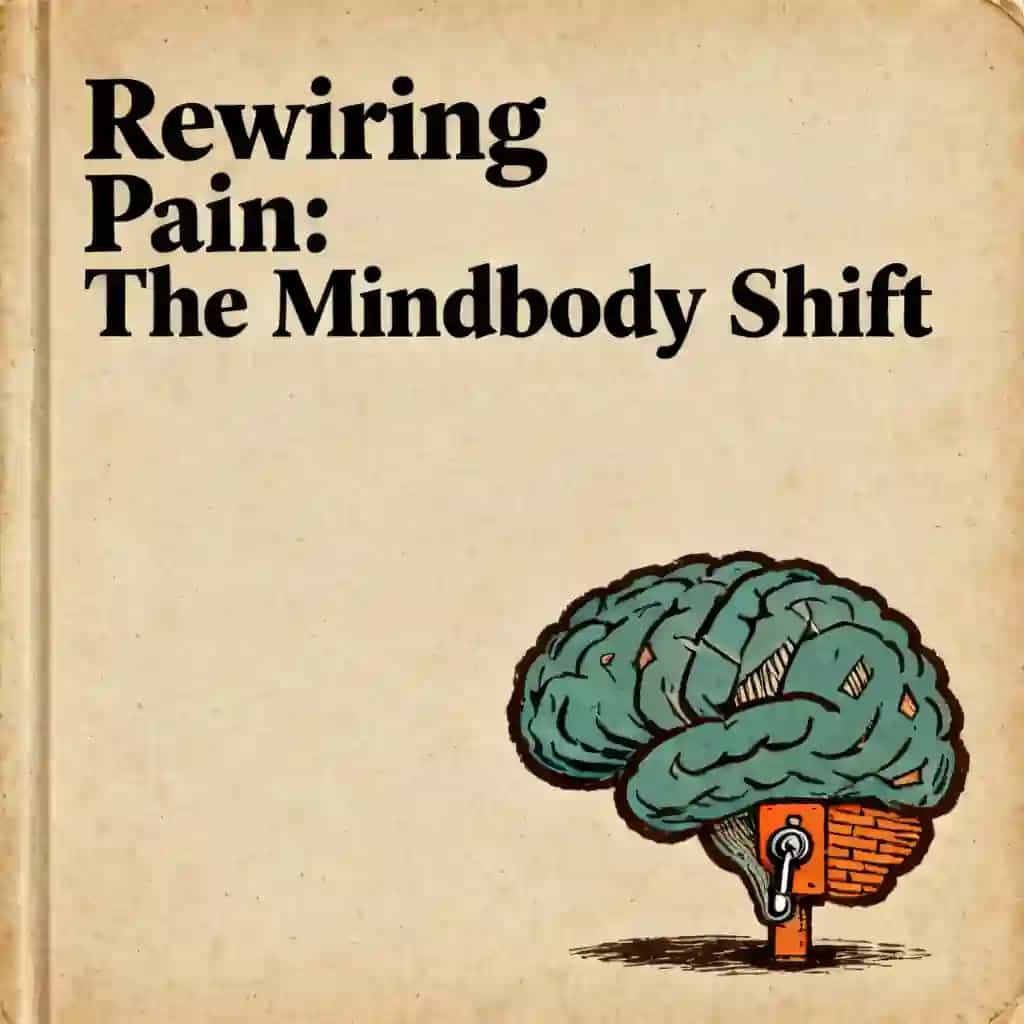
We are entering a new era of pain management that moves beyond temporary remedies toward advanced concepts like neural firewalls and molecular surgery. These approaches aim to theoretically decouple the chemical triggers of the TRPV1 receptor from the brain's conscious perception. By targeting the brain's architecture and the anterior cingulate cortex, researchers hope to rewire the pain alarm and provide relief for those suffering from chronic neuropathic pain.
Cree par des anciens de Columbia University a San Francisco
"Instead of endless scrolling, I just hit play on BeFreed. It saves me so much time."
"I never knew where to start with nonfiction—BeFreed’s book lists turned into podcasts gave me a clear path."
"Perfect balance between learning and entertainment. Finished ‘Thinking, Fast and Slow’ on my commute this week."
"Crazy how much I learned while walking the dog. BeFreed = small habits → big gains."
"Reading used to feel like a chore. Now it’s just part of my lifestyle."
"Feels effortless compared to reading. I’ve finished 6 books this month already."
"BeFreed turned my guilty doomscrolling into something that feels productive and inspiring."
"BeFreed turned my commute into learning time. 20-min podcasts are perfect for finishing books I never had time for."
"BeFreed replaced my podcast queue. Imagine Spotify for books — that’s it. 🙌"
"It is great for me to learn something from the book without reading it."
"The themed book list podcasts help me connect ideas across authors—like a guided audio journey."
"Makes me feel smarter every time before going to work"
Cree par des anciens de Columbia University a San Francisco