Returning to work after medical leave feels heavy
Coming back from disability leave can feel overwhelming. Learn how to manage workplace anxiety and use accommodations to protect your peace of mind.

Meilleure citation de Returning to work after medical leave feels heavy
It’s not about 'bouncing back' to exactly who you were before—it’s about 'moving forward' into a version of work that actually works for you.

Cette leçon audio a été créée par un membre de la communauté BeFreed
stress of returning to work after being off on disability

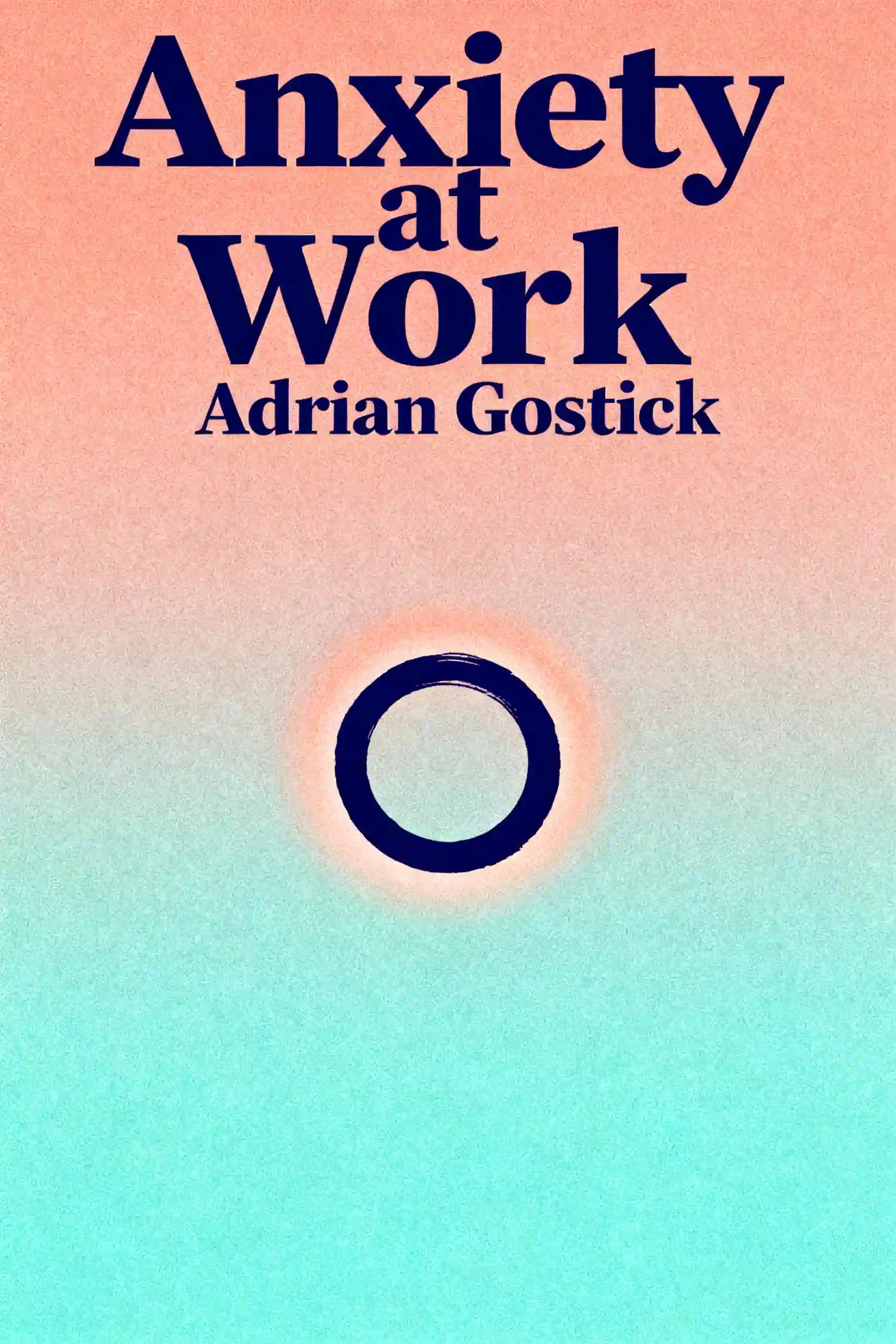
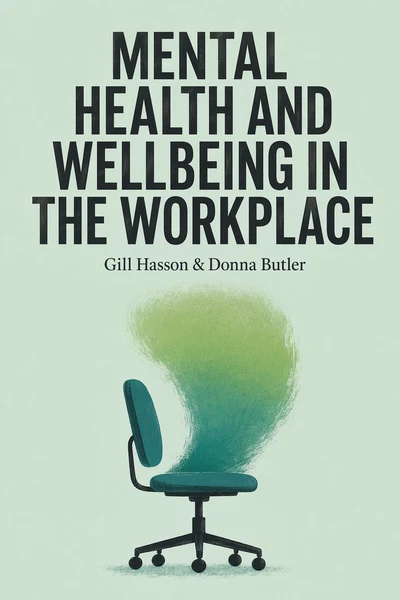
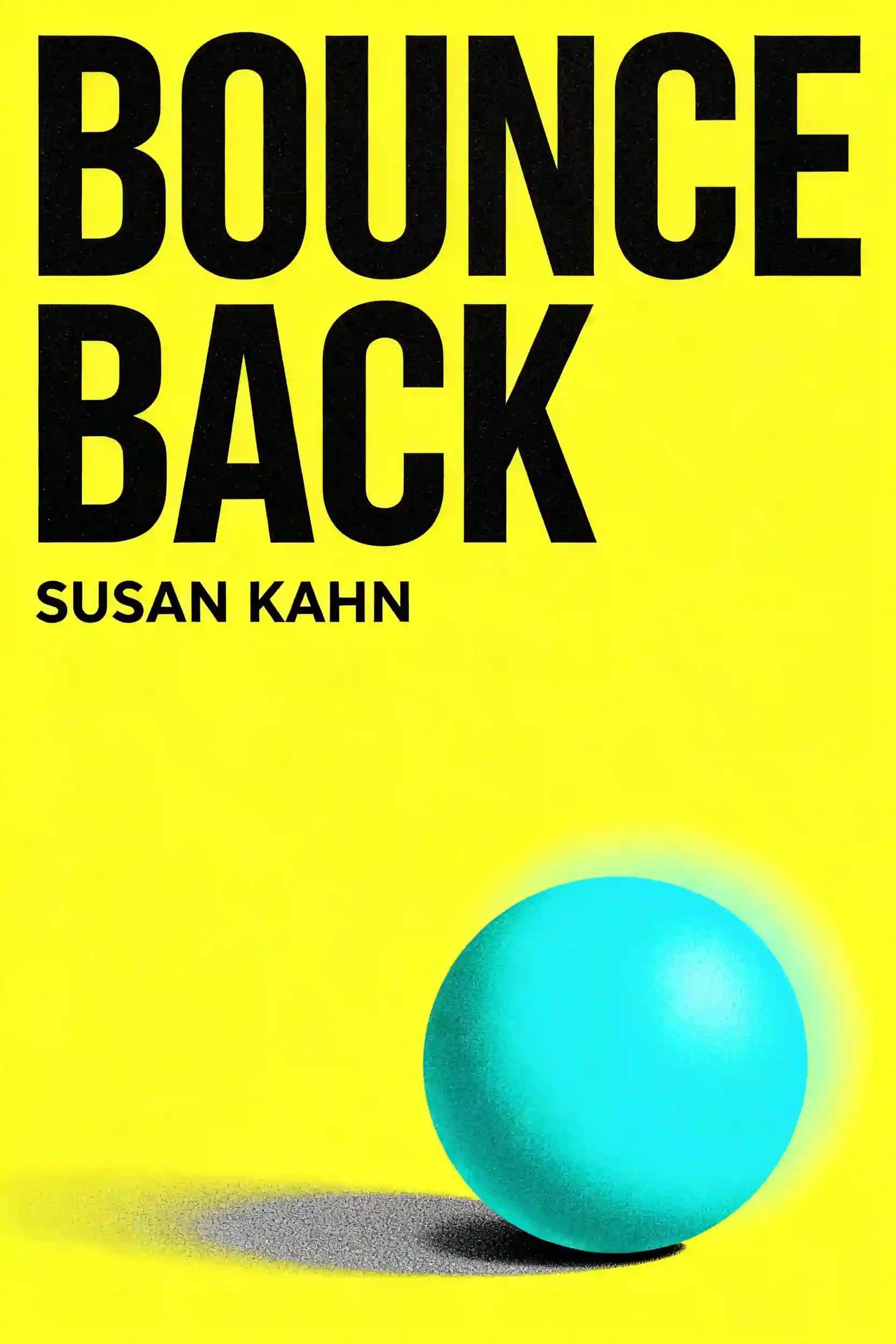
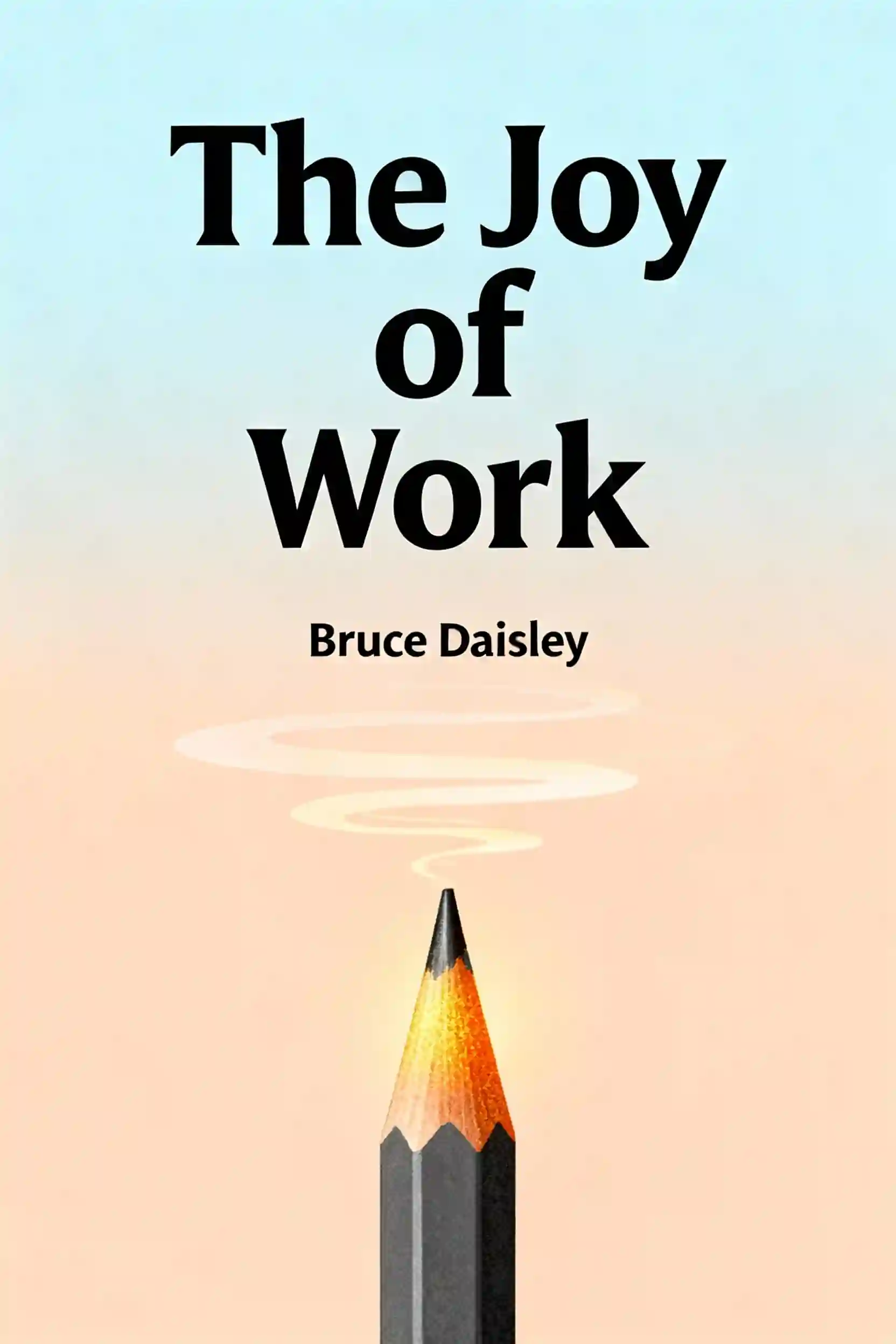
Foire aux questions
Returning from medical leave is a complex psychological and physical transition rather than a period of refreshment. Research indicates that nearly 40 percent of employees feel anxious about whether they are still viewed as dependable by their colleagues. Unlike a vacation, you are returning to a fast-moving workplace while still navigating recovery and recalibrating an internal "alarm system" that may be sensitized to stress.
The Seven Principles represent a framework where the return-to-work process is treated as a human collaboration rather than a bureaucratic task. A key element is the presence of a disability coordinator who acts as a "translator" between medical needs and workplace expectations. The principles emphasize modifying work tasks so they are meaningful and safe, which helps shift the focus from an employee's limitations back to their professional value.
Stress is a physiological event where the body’s HPA axis can get stuck in a "high alert" mode, similar to an oversensitive smoke detector. High levels of cortisol can fundamentally change brain networks, affecting memory and emotional processing, which often manifests as "brain fog." Understanding the Yerkes-Dodson law helps explain that while a little pressure can aid performance, returning employees often sit in the "overwhelmed" zone and must actively work to move back toward manageable stress levels.
The interactive process is a legally required "good-faith dialogue" between an employer and employee to find solutions that enable the employee to perform essential job functions. It is triggered when an employee communicates that a medical condition is making a specific task difficult. Accommodations are often low-cost, such as flexible start times or telework, and are intended to level the playing field rather than serve as a special favor.
Micro-interventions are brief exercises lasting 30 seconds to five minutes designed to interrupt the body's stress response in real-time. Examples include the "physiological sigh" (two quick inhales and one long exhale) to activate the parasympathetic nervous system, or "box breathing" to signal safety to the brain. Research suggests these frequent, short resets can be more effective for daily regulation than a single long session of exercise or therapy.
Découvrir plus

Return to Work After Burnout
Returning to the workforce after a period of burnout requires more than just rest; it demands a strategic approach to mental health and professional boundaries. This plan is essential for professionals seeking to rebuild their careers without sacrificing their well-being, providing the tools needed for a sustainable and resilient comeback.

Overcome workplace anxiety
Workplace anxiety affects millions of professionals, impacting performance, career growth, and overall well-being. This learning plan is designed for anyone who experiences nervousness, self-doubt, or stress in professional settings—whether you're facing presentations, difficult conversations, or daily workplace pressures. By combining psychological insights with practical skills, you'll transform anxiety from a career obstacle into manageable energy that supports your professional success.

The Invisible Ceiling: Navigating Workplace Avoidance
This learning plan is essential for professionals who feel stalled by a fear of visibility or evaluation. It provides a roadmap for those struggling with workplace withdrawal to reconnect with their career goals and physical well-being.

Rebuild after job loss and breakup grief
This learning plan is designed for individuals facing the double burden of career displacement and personal heartbreak. It offers a structured roadmap to move from crisis management to professional and personal transformation.

Rebuilding After Late Diagnosis
This plan is essential for neurodivergent adults who received a diagnosis later in life and feel overwhelmed by years of masking. It offers a structured path to recover from burnout and transition from survival mode to an authentic, self-defined life.
Recover From Burnout Completely
Burnout has become increasingly prevalent in our high-pressure, always-on world, affecting physical health, mental wellbeing, and quality of life. This learning plan provides comprehensive strategies for anyone experiencing burnout symptoms or those seeking to recover their energy, rebuild psychological resilience, and create sustainable work-life practices.

Manage severe postpartum anxiety as mom of 2
Postpartum anxiety can feel isolating and overwhelming, especially when balancing the needs of two children. This plan provides mothers with clinical tools and structural strategies to reclaim their mental well-being and move beyond survival mode.

Overcome fear and regain control of my life
Fear can paralyze even the most capable individuals, preventing them from living fully and pursuing meaningful goals. This learning plan provides practical tools for anyone feeling stuck in anxiety patterns, helping them recognize fear triggers, take courageous action, and develop the mental resilience needed to reclaim control of their life.
Cree par des anciens de Columbia University a San Francisco
"Instead of endless scrolling, I just hit play on BeFreed. It saves me so much time."


"I never knew where to start with nonfiction—BeFreed’s book lists turned into podcasts gave me a clear path."


"Perfect balance between learning and entertainment. Finished ‘Thinking, Fast and Slow’ on my commute this week."
"Crazy how much I learned while walking the dog. BeFreed = small habits → big gains."
"Reading used to feel like a chore. Now it’s just part of my lifestyle."

"Feels effortless compared to reading. I’ve finished 6 books this month already."
"BeFreed turned my guilty doomscrolling into something that feels productive and inspiring."

"BeFreed turned my commute into learning time. 20-min podcasts are perfect for finishing books I never had time for."
"BeFreed replaced my podcast queue. Imagine Spotify for books — that’s it. 🙌"

"It is great for me to learn something from the book without reading it."
"The themed book list podcasts help me connect ideas across authors—like a guided audio journey."
"Makes me feel smarter every time before going to work"
Cree par des anciens de Columbia University a San Francisco
"Instead of endless scrolling, I just hit play on BeFreed. It saves me so much time."
"I never knew where to start with nonfiction—BeFreed’s book lists turned into podcasts gave me a clear path."
"Perfect balance between learning and entertainment. Finished ‘Thinking, Fast and Slow’ on my commute this week."
"Crazy how much I learned while walking the dog. BeFreed = small habits → big gains."
"Reading used to feel like a chore. Now it’s just part of my lifestyle."
"Feels effortless compared to reading. I’ve finished 6 books this month already."
"BeFreed turned my guilty doomscrolling into something that feels productive and inspiring."
"BeFreed turned my commute into learning time. 20-min podcasts are perfect for finishing books I never had time for."
"BeFreed replaced my podcast queue. Imagine Spotify for books — that’s it. 🙌"
"It is great for me to learn something from the book without reading it."
"The themed book list podcasts help me connect ideas across authors—like a guided audio journey."
"Makes me feel smarter every time before going to work"
"Instead of endless scrolling, I just hit play on BeFreed. It saves me so much time."
"I never knew where to start with nonfiction—BeFreed’s book lists turned into podcasts gave me a clear path."
"Perfect balance between learning and entertainment. Finished ‘Thinking, Fast and Slow’ on my commute this week."
"Crazy how much I learned while walking the dog. BeFreed = small habits → big gains."
"Reading used to feel like a chore. Now it’s just part of my lifestyle."
"Feels effortless compared to reading. I’ve finished 6 books this month already."
"BeFreed turned my guilty doomscrolling into something that feels productive and inspiring."
"BeFreed turned my commute into learning time. 20-min podcasts are perfect for finishing books I never had time for."
"BeFreed replaced my podcast queue. Imagine Spotify for books — that’s it. 🙌"
"It is great for me to learn something from the book without reading it."
"The themed book list podcasts help me connect ideas across authors—like a guided audio journey."
"Makes me feel smarter every time before going to work"
"Instead of endless scrolling, I just hit play on BeFreed. It saves me so much time."
"I never knew where to start with nonfiction—BeFreed’s book lists turned into podcasts gave me a clear path."
"Perfect balance between learning and entertainment. Finished ‘Thinking, Fast and Slow’ on my commute this week."
"Crazy how much I learned while walking the dog. BeFreed = small habits → big gains."
"Reading used to feel like a chore. Now it’s just part of my lifestyle."
"Feels effortless compared to reading. I’ve finished 6 books this month already."
"BeFreed turned my guilty doomscrolling into something that feels productive and inspiring."
"BeFreed turned my commute into learning time. 20-min podcasts are perfect for finishing books I never had time for."
"BeFreed replaced my podcast queue. Imagine Spotify for books — that’s it. 🙌"
"It is great for me to learn something from the book without reading it."
"The themed book list podcasts help me connect ideas across authors—like a guided audio journey."
"Makes me feel smarter every time before going to work"