
Reason's Chains: Rousseau's Radical Freedom
Explore how Rousseau challenged Enlightenment thinking by arguing that rational progress corrupts our naturally good state. We examine his revolutionary ideas about human nature, freedom, and the social contract.

Meilleure citation de Reason's Chains: Rousseau's Radical Freedom
True freedom isn't the absence of all constraints—it's living under constraints that you've had a voice in creating and that serve the common good rather than just the interests of the powerful.

Cette leçon audio a été créée par un membre de la communauté BeFreed
society, human thought, and big ideas like Plato, Rousseau, Machiavelli, the social contract, reason vs faith, and human nature

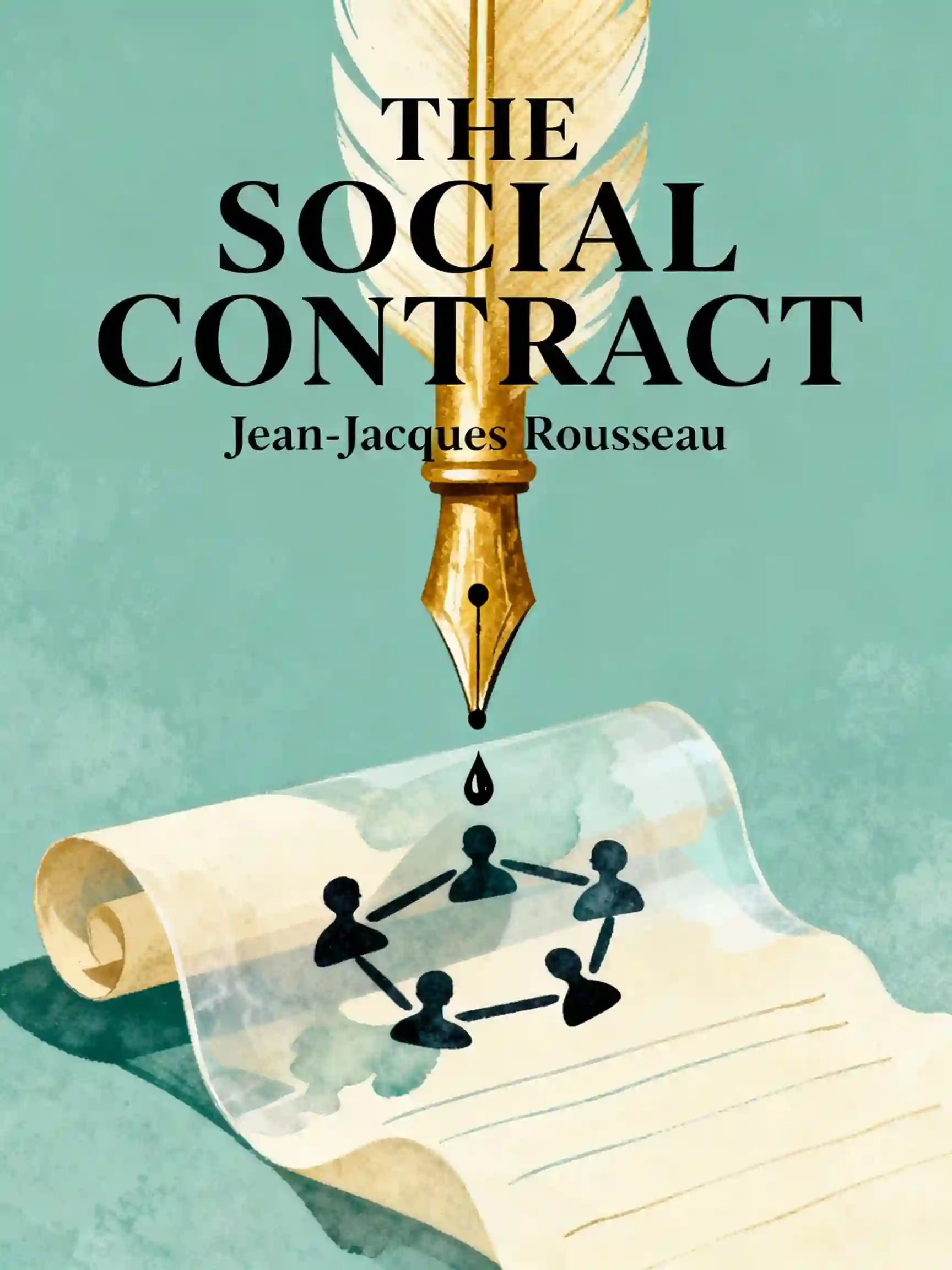
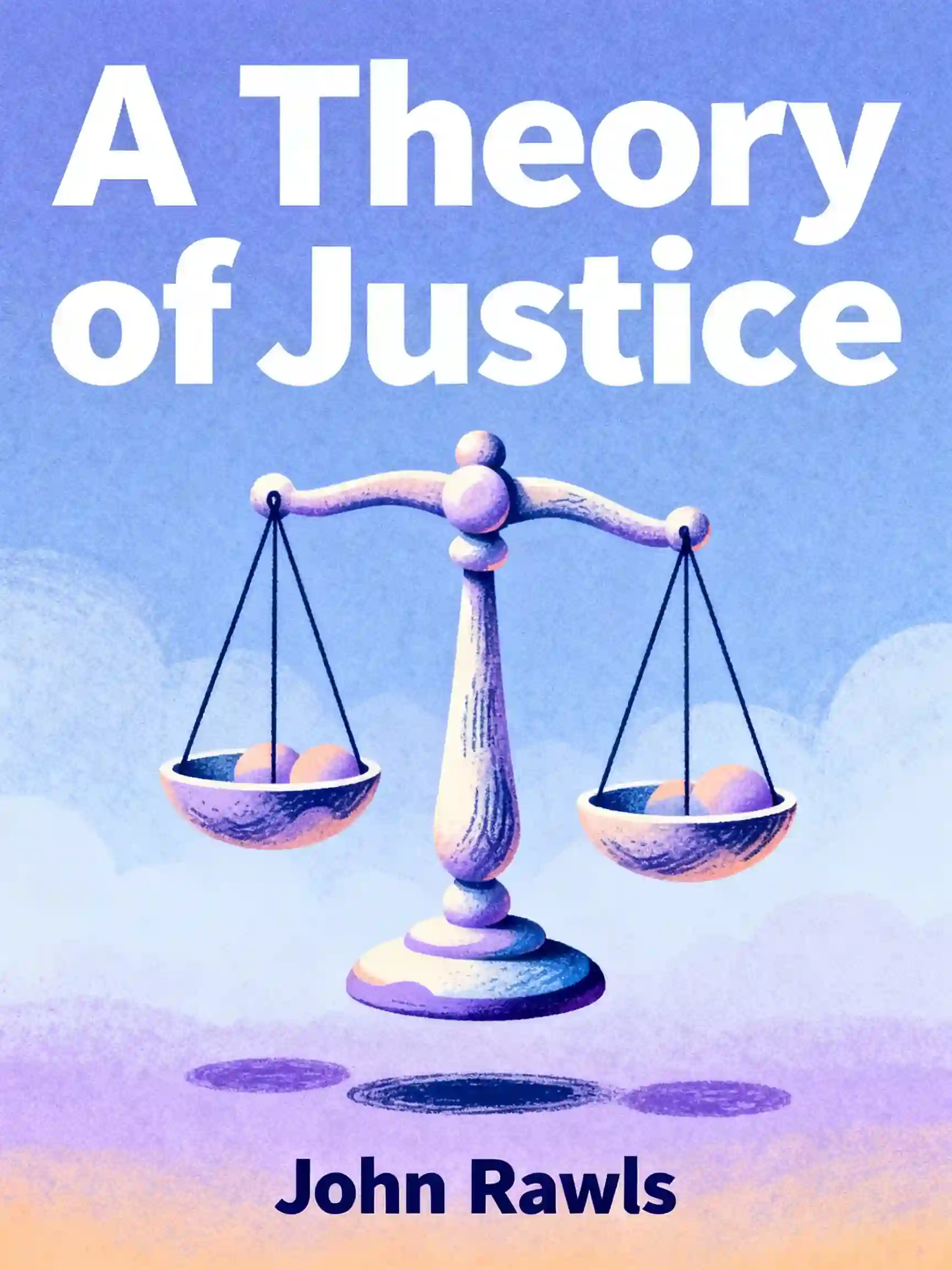

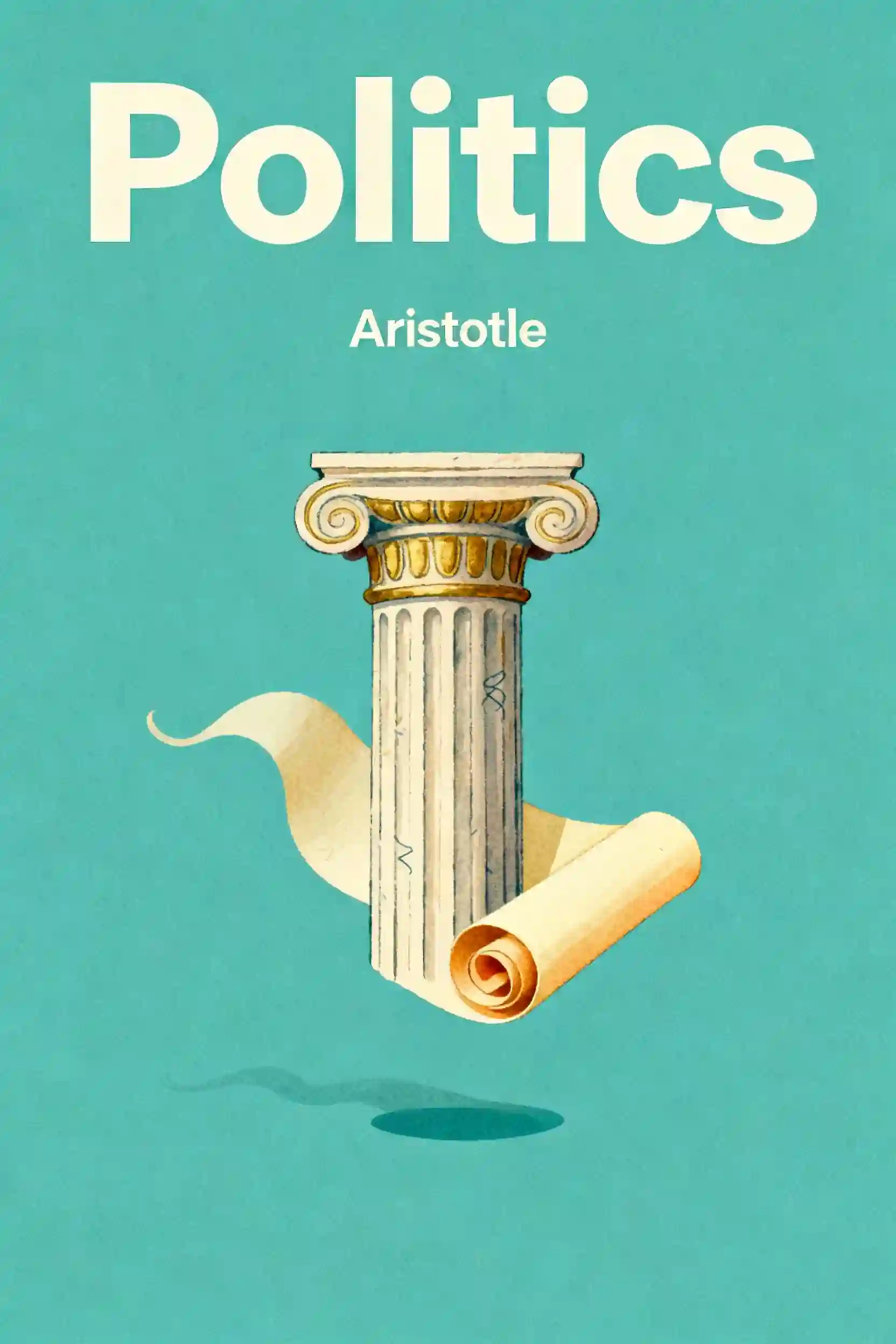
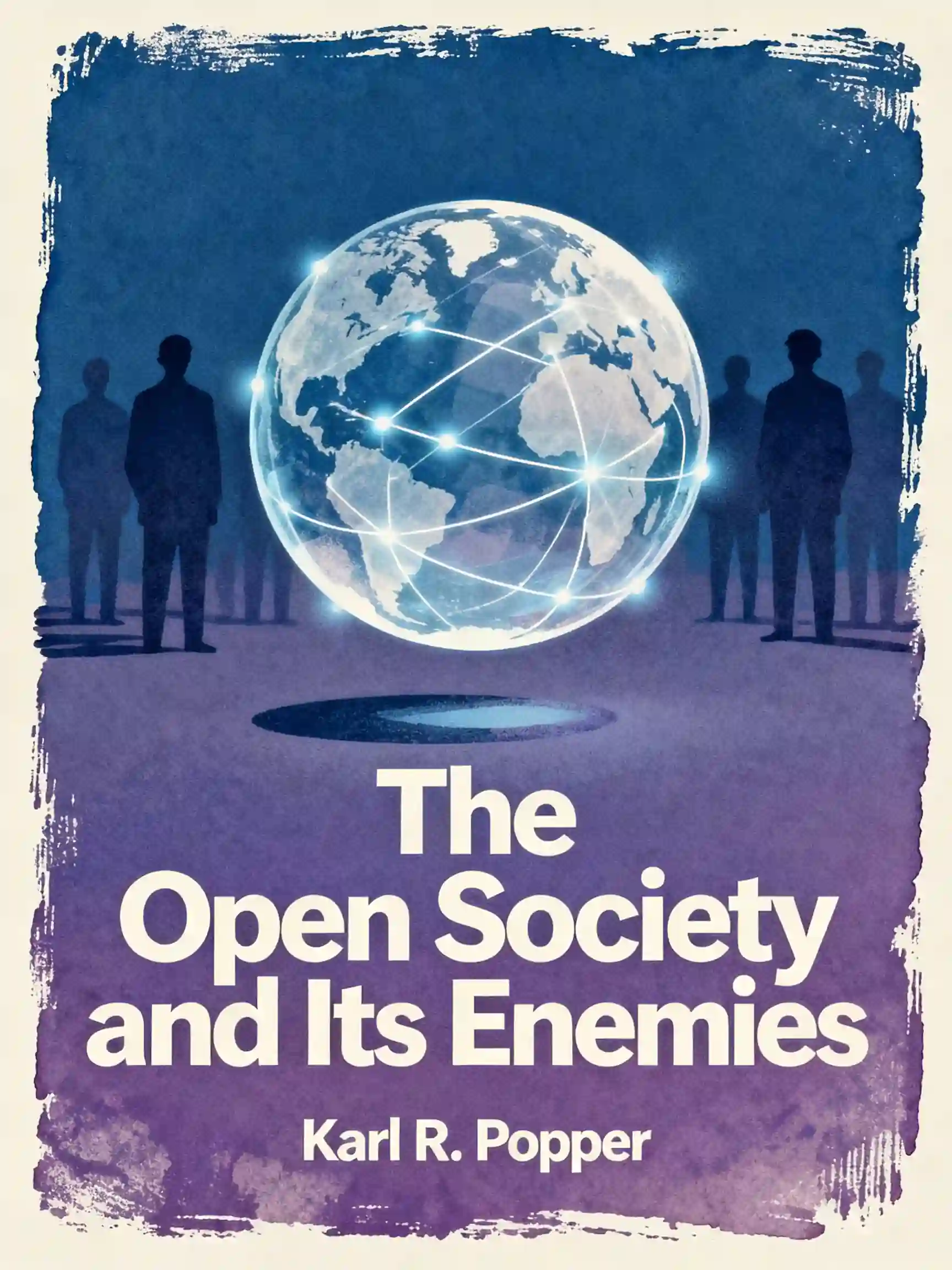
Découvrir plus

Understand Nietzsche's Core Ideas
Friedrich Nietzsche's revolutionary philosophy challenged fundamental Western assumptions about truth, morality, and human potential. This learning plan provides essential insights for anyone interested in philosophy, critical thinking, or personal development, offering a structured approach to understanding one of history's most misunderstood and influential thinkers.

The Limits of Reason
This plan is essential for anyone looking to understand the cognitive architecture that defines our reality. It is ideal for students of philosophy, science, and history who want to bridge the gap between raw information and meaningful insight.

I would like to understand Renesance culture
This plan bridges the gap between historical art and modern philosophy, making it essential for anyone seeking to understand the roots of Western individualism. It is ideal for history enthusiasts, art lovers, and students of political science.

Existentialism
This plan provides a roadmap for navigating the complexities of modern existence by engaging with the world's most influential thinkers. It is ideal for anyone seeking to build a resilient personal philosophy and find clarity in their own freedom and ethical choices.

Power, Resistance, and the Ordinary Life
This plan traces the evolution of social power from prehistoric cooperation to modern revolutionary strategy. It is essential for students of history and political science seeking to understand how ordinary people disrupt established hierarchies.

The Burden of Choice
This plan is essential for those navigating the complexities of modern ethics and the weight of individual responsibility. It is ideal for students of philosophy, psychology, or literature seeking to understand the intersection of inherited legacy and personal autonomy.

Anarchy Unbound: The Economics of Self-Governance
This course is essential for anyone interested in how order emerges from chaos, providing a deep dive into the economic incentives that drive cooperation without government. It is ideal for students of political economy, institutional design, and strategic management who want to understand the limits of formal law.

The Sovereign Mind and Body
This plan is designed for individuals seeking to reclaim their independence and build a resilient foundation for life. It bridges the gap between ancient Stoic philosophy, modern physical training, and the psychological pursuit of absolute freedom.
Cree par des anciens de Columbia University a San Francisco
"Instead of endless scrolling, I just hit play on BeFreed. It saves me so much time."


"I never knew where to start with nonfiction—BeFreed’s book lists turned into podcasts gave me a clear path."


"Perfect balance between learning and entertainment. Finished ‘Thinking, Fast and Slow’ on my commute this week."
"Crazy how much I learned while walking the dog. BeFreed = small habits → big gains."
"Reading used to feel like a chore. Now it’s just part of my lifestyle."

"Feels effortless compared to reading. I’ve finished 6 books this month already."
"BeFreed turned my guilty doomscrolling into something that feels productive and inspiring."

"BeFreed turned my commute into learning time. 20-min podcasts are perfect for finishing books I never had time for."
"BeFreed replaced my podcast queue. Imagine Spotify for books — that’s it. 🙌"

"It is great for me to learn something from the book without reading it."
"The themed book list podcasts help me connect ideas across authors—like a guided audio journey."
"Makes me feel smarter every time before going to work"
Cree par des anciens de Columbia University a San Francisco
"Instead of endless scrolling, I just hit play on BeFreed. It saves me so much time."
"I never knew where to start with nonfiction—BeFreed’s book lists turned into podcasts gave me a clear path."
"Perfect balance between learning and entertainment. Finished ‘Thinking, Fast and Slow’ on my commute this week."
"Crazy how much I learned while walking the dog. BeFreed = small habits → big gains."
"Reading used to feel like a chore. Now it’s just part of my lifestyle."
"Feels effortless compared to reading. I’ve finished 6 books this month already."
"BeFreed turned my guilty doomscrolling into something that feels productive and inspiring."
"BeFreed turned my commute into learning time. 20-min podcasts are perfect for finishing books I never had time for."
"BeFreed replaced my podcast queue. Imagine Spotify for books — that’s it. 🙌"
"It is great for me to learn something from the book without reading it."
"The themed book list podcasts help me connect ideas across authors—like a guided audio journey."
"Makes me feel smarter every time before going to work"
"Instead of endless scrolling, I just hit play on BeFreed. It saves me so much time."
"I never knew where to start with nonfiction—BeFreed’s book lists turned into podcasts gave me a clear path."
"Perfect balance between learning and entertainment. Finished ‘Thinking, Fast and Slow’ on my commute this week."
"Crazy how much I learned while walking the dog. BeFreed = small habits → big gains."
"Reading used to feel like a chore. Now it’s just part of my lifestyle."
"Feels effortless compared to reading. I’ve finished 6 books this month already."
"BeFreed turned my guilty doomscrolling into something that feels productive and inspiring."
"BeFreed turned my commute into learning time. 20-min podcasts are perfect for finishing books I never had time for."
"BeFreed replaced my podcast queue. Imagine Spotify for books — that’s it. 🙌"
"It is great for me to learn something from the book without reading it."
"The themed book list podcasts help me connect ideas across authors—like a guided audio journey."
"Makes me feel smarter every time before going to work"
"Instead of endless scrolling, I just hit play on BeFreed. It saves me so much time."
"I never knew where to start with nonfiction—BeFreed’s book lists turned into podcasts gave me a clear path."
"Perfect balance between learning and entertainment. Finished ‘Thinking, Fast and Slow’ on my commute this week."
"Crazy how much I learned while walking the dog. BeFreed = small habits → big gains."
"Reading used to feel like a chore. Now it’s just part of my lifestyle."
"Feels effortless compared to reading. I’ve finished 6 books this month already."
"BeFreed turned my guilty doomscrolling into something that feels productive and inspiring."
"BeFreed turned my commute into learning time. 20-min podcasts are perfect for finishing books I never had time for."
"BeFreed replaced my podcast queue. Imagine Spotify for books — that’s it. 🙌"
"It is great for me to learn something from the book without reading it."
"The themed book list podcasts help me connect ideas across authors—like a guided audio journey."
"Makes me feel smarter every time before going to work"


