Stop guessing and start investigating. Learn a professional triage sequence to trace state changes, master dependency arrays, and solve complex React bugs through logical synchronization.
Meilleure citation de React Detective: Mastering the Systematic Debugging Mindset
“
We need to stop thinking about lifecycle methods and start thinking about synchronization. It’s about turning guesswork into a professional debugging mindset by systematically checking props, state, and those tricky dependency arrays.
”
A
Generated by Anmol
Question posée
Teach systematic debugging approach in React: check props, state, console logs, dependency arrays. Focus on thinking process, not tools.
Voix des présentateurs
Lena
Jackson
Sources de connaissances
Foire aux questions
Direct state mutation, such as using array.push(), is responsible for a large portion of unpredictable UI bugs because React relies on immutability to detect changes. When you mutate an object or array directly, the reference remains the same, leading React to believe that nothing has changed and skip the necessary re-render. To fix this, you must use the spread operator or similar methods to create a brand new object or array, which signals to React that an update is required.
React DevTools acts like an X-ray for an application, allowing developers to inspect the "Components" tab to see the exact props and state a component holds at any given microsecond. A powerful feature of this tool is the ability to live-edit props; for example, you can manually toggle a boolean prop to see if the UI responds correctly. This helps determine if a bug is located within the component's internal logic or if it is receiving incorrect data from its parent.
A stale closure occurs when a variable used inside a useEffect hook is omitted from its dependency array. Because the effect only "sees" the version of the variable from the specific render in which the effect was created, it becomes "frozen in time." This results in the effect using outdated data—like a detective using an old map—because it isn't synchronized with the current state of the application.
Reactive values are those that should trigger a re-synchronization of an effect when they change, such as a user ID that necessitates fetching new data. Non-reactive values are "contextual" pieces of information, like a UI theme or a logging function, that you want the effect to have access to without causing the effect to re-run. React 19 addresses this distinction with useEffectEvent, which allows developers to extract non-reactive logic so it can access the latest state without being listed in the dependency array.
A debug setter is a custom utility or wrapper around the standard setState function that logs the new state value along with a stack trace using console.trace(). This is particularly useful because React's default state updates do not provide a "return address" or history of what triggered them. By using a debug setter, developers can see the exact code path that led to an update, making it much easier to identify issues like stale timeouts or infinite loops.
Cree par des anciens de Columbia University | a San Francisco
BeFreed rassemble une communauté mondiale d'esprits curieux
4.7
note moyenne
Plus de 7,84 k notes sur l’app
Communauté BeFreed
Franchement, je n'ai pas encore exploré toute l'app, mais après quelques jours d'utilisation, je suis bluffée… BeFreed est à un tout autre niveau que toutes les autres apps d'apprentissage que j'ai essayées. C'est ultra captivant et ça améliore vraiment la concentration — parfait pour tous les accros au scroll !
@ladyInfinity
J'ai acheté BeFreed il y a exactement 23 jours et je l'ai utilisée chaque jour depuis. Elle s'est complètement intégrée à mon quotidien de travail et à mes habitudes d'apprentissage.
@jayallen
La vérité, c'est que l'app a dépassé toutes mes attentes. Je peux lui demander de générer de l'audio sur n'importe quel sujet, quel qu'il soit, et le résultat est impressionnant. Mon domaine professionnel est une spécialisation en psychothérapie, très pluridisciplinaire ; pourtant, les réponses sont très justes.
@Raguipa
Ce que j'apprécie le plus, c'est à quel point ça a réduit mon temps de scroll : je passe moins de temps à chercher et plus de temps à retenir. La combinaison des livres audio complets, des podcasts et des plans d'apprentissage est brillante.
@colonyofcreatorsNGO
Je suis instructeur en apprentissage accéléré PhotoReading depuis 24 ans… les livres, la lecture et l'apprentissage, c'est mon domaine, et BeFreed a fait un excellent travail en proposant une approche innovante pour transmettre l'information de façon facile à assimiler.
@BeFreed user
Ce n'est pas qu'une app de résumés de livres : j'ai utilisé l'option de lecture fun et c'est un bien meilleur résumé, une meilleure façon de saisir les idées qu'à la manière traditionnelle. Rien que ça vaut le coup.
@austinakon
J'adore cette app. Je l'utilise depuis plusieurs jours et je ne peux plus m'arrêter d'écouter. Une excellente façon de commencer.
@jcrules328
J'aime beaucoup ce programme ; je le teste depuis environ un mois et c'est une vraie pépite. Ça marche très bien parce que je peux utiliser BeFreed pour créer mes propres sujets, et la voix est excellente, avec un choix illimité de narrations.
@DanielCZ
Franchement, je n'ai pas encore exploré toute l'app, mais après quelques jours d'utilisation, je suis bluffée… BeFreed est à un tout autre niveau que toutes les autres apps d'apprentissage que j'ai essayées. C'est ultra captivant et ça améliore vraiment la concentration — parfait pour tous les accros au scroll !
@ladyInfinity
J'ai acheté BeFreed il y a exactement 23 jours et je l'ai utilisée chaque jour depuis. Elle s'est complètement intégrée à mon quotidien de travail et à mes habitudes d'apprentissage.
@jayallen
La vérité, c'est que l'app a dépassé toutes mes attentes. Je peux lui demander de générer de l'audio sur n'importe quel sujet, quel qu'il soit, et le résultat est impressionnant. Mon domaine professionnel est une spécialisation en psychothérapie, très pluridisciplinaire ; pourtant, les réponses sont très justes.
@Raguipa
Ce que j'apprécie le plus, c'est à quel point ça a réduit mon temps de scroll : je passe moins de temps à chercher et plus de temps à retenir. La combinaison des livres audio complets, des podcasts et des plans d'apprentissage est brillante.
@colonyofcreatorsNGO
Je suis instructeur en apprentissage accéléré PhotoReading depuis 24 ans… les livres, la lecture et l'apprentissage, c'est mon domaine, et BeFreed a fait un excellent travail en proposant une approche innovante pour transmettre l'information de façon facile à assimiler.
@BeFreed user
Ce n'est pas qu'une app de résumés de livres : j'ai utilisé l'option de lecture fun et c'est un bien meilleur résumé, une meilleure façon de saisir les idées qu'à la manière traditionnelle. Rien que ça vaut le coup.
@austinakon
J'adore cette app. Je l'utilise depuis plusieurs jours et je ne peux plus m'arrêter d'écouter. Une excellente façon de commencer.
@jcrules328
J'aime beaucoup ce programme ; je le teste depuis environ un mois et c'est une vraie pépite. Ça marche très bien parce que je peux utiliser BeFreed pour créer mes propres sujets, et la voix est excellente, avec un choix illimité de narrations.
@DanielCZ
J'adore pouvoir obtenir des informations et des idées utiles et condensées dans un audio façon podcast de 8 à 15 minutes. Je ne suis pas fan des podcasts à cause de tout le remplissage, mais là, on va droit à l'essentiel.
@BeFreed user
Je termine mon doctorat et je dois lire beaucoup de contenus que je ne connais pas… Avec BeFreed, il suffit d'entrer un prompt : l'app trouve les sources pour vous et génère un podcast audio. Je trouve le processus de BeFreed plus fluide que celui de NotebookLM.
@Brad
Je cherche souvent sur YouTube quelque chose à écouter en préparant le petit-déjeuner, en marchant ou dans les transports, et BeFreed offre une approche encore plus ciblée, sans pubs et sans remplissage !
@BeFreed user
Le meilleur atout de cette plateforme, c'est sa polyvalence. Il n'y a littéralement aucun sujet hors de portée. Elle gère tout ce qu'on lui donne… Il est rare de trouver un outil d'apprentissage sans aucune limite qui tient vraiment ses promesses.
@jayallen
BeFreed est fantastique. Son design intuitif me fait passer moins de temps à naviguer et plus de temps à apprendre. Le mélange de livres audio, de podcasts et de plans d'apprentissage est une combinaison géniale qui a complètement changé ma routine quotidienne.
@BeFreed user
Au début, il m'a fallu un moment pour comprendre comment créer des podcasts en italien, et boum ! C'est génial ! Je peux lui demander d'expliquer n'importe quel sujet et elle le fait super bien, avec beaucoup d'intelligence !
@matteo77
BeFreed est devenue mon app quotidienne pour les livres audio… Ce que je préfère, c'est de pouvoir déposer son texte et obtenir un audio à écouter en déplacement.
@kotanzu1
J'adore pouvoir obtenir des informations et des idées utiles et condensées dans un audio façon podcast de 8 à 15 minutes. Je ne suis pas fan des podcasts à cause de tout le remplissage, mais là, on va droit à l'essentiel.
@BeFreed user
Je termine mon doctorat et je dois lire beaucoup de contenus que je ne connais pas… Avec BeFreed, il suffit d'entrer un prompt : l'app trouve les sources pour vous et génère un podcast audio. Je trouve le processus de BeFreed plus fluide que celui de NotebookLM.
@Brad
Je cherche souvent sur YouTube quelque chose à écouter en préparant le petit-déjeuner, en marchant ou dans les transports, et BeFreed offre une approche encore plus ciblée, sans pubs et sans remplissage !
@BeFreed user
Le meilleur atout de cette plateforme, c'est sa polyvalence. Il n'y a littéralement aucun sujet hors de portée. Elle gère tout ce qu'on lui donne… Il est rare de trouver un outil d'apprentissage sans aucune limite qui tient vraiment ses promesses.
@jayallen
BeFreed est fantastique. Son design intuitif me fait passer moins de temps à naviguer et plus de temps à apprendre. Le mélange de livres audio, de podcasts et de plans d'apprentissage est une combinaison géniale qui a complètement changé ma routine quotidienne.
@BeFreed user
Au début, il m'a fallu un moment pour comprendre comment créer des podcasts en italien, et boum ! C'est génial ! Je peux lui demander d'expliquer n'importe quel sujet et elle le fait super bien, avec beaucoup d'intelligence !
@matteo77
BeFreed est devenue mon app quotidienne pour les livres audio… Ce que je préfère, c'est de pouvoir déposer son texte et obtenir un audio à écouter en déplacement.
Transform your debugging from reactive firefighting to strategic prevention. Learn systematic approaches, team collaboration techniques, and architectural strategies that make bugs easier to prevent, isolate, and fix.
Discover how to build reusable UI using props to pass data from parents to children. Learn why one-way data flow and immutability are the secrets to predictable React applications.
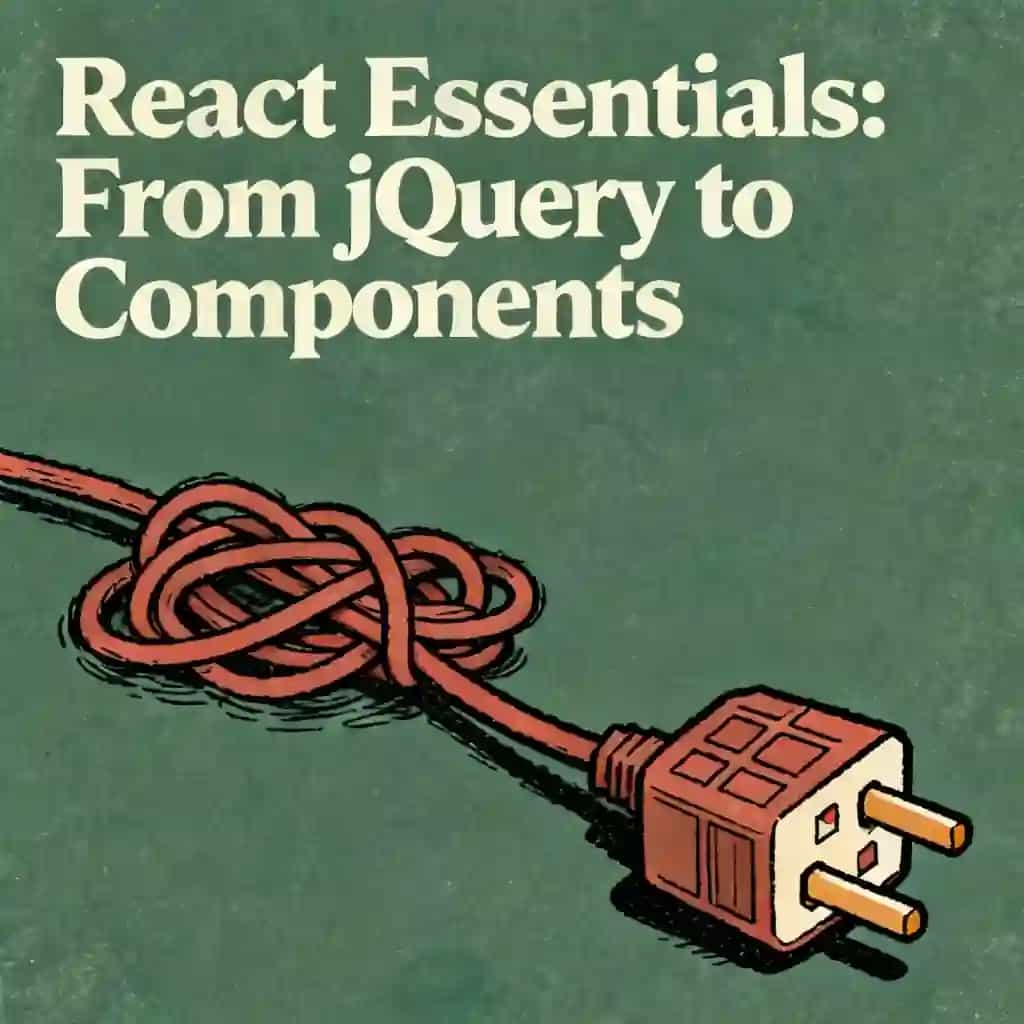
Trace React's evolution from the days of jQuery spaghetti code to today's component-based architecture. Learn core concepts, terminology, and step-by-step fundamentals for building modern web applications.
Stop the 'Two Renders' trap by learning why derived data belongs in variables, not state. Using the filtered episodes example, we reveal how to streamline performance and simplify your React architecture.
Stop juggling messy useState calls and learn to centralize complex logic. Using an audio player example, we explore how useReducer provides a scalable, predictable blueprint for managing sophisticated state transitions.