Pyramid Engineering: The Integrated Ramp Model of Giza
Explore the Integrated Edge-Ramp (IER) model of the Great Pyramid of Giza. Learn how Old Kingdom engineering used internal ramps to move 2.3 million limestone blocks.

Meilleure citation de Pyramid Engineering: The Integrated Ramp Model of Giza
The Great Pyramid wasn't a result of 'endless labor' or 'machines' in the modern sense; it was the result of a perfectly integrated system where every block served as both the final product and the infrastructure for the next step.
Generated by Katiebb
An audio lesson on the lost engineering techniques of the pyramids, specifically focusing on general theories and the use of ramps in their construction.






Foire aux questions
The Integrated Edge-Ramp (IER) model is a sophisticated engineering theory suggesting that the Great Pyramid of Giza was built using ramps integrated directly into the structure. Unlike the 'long ramp' theory, which requires a mile-long external mound, the IER model proposes that the Egyptians used the pyramid itself as a foundation for a multi-lane highway system. This elegant solution allowed for high throughput and sub-millimeter precision during the transport of limestone blocks.
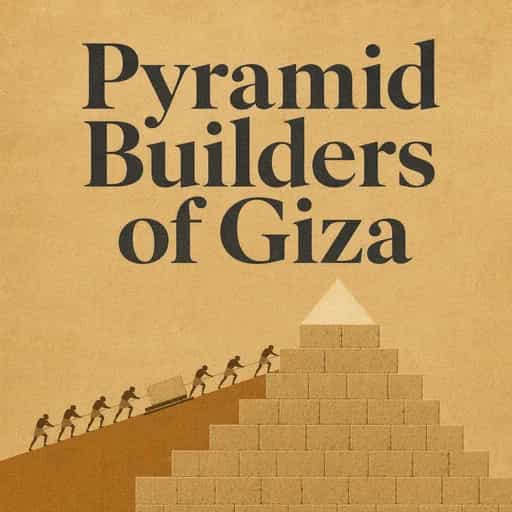
The construction of the Great Pyramid on the Giza Plateau was a logistics miracle involving the placement of approximately 2.3 million limestone blocks. During the peak of construction in the Old Kingdom, it is estimated that a two-and-a-half-ton block arrived at the site every three minutes for over twenty years. This incredible efficiency was likely achieved through advanced transport techniques, including the use of sledges on wet sand to reduce friction and maintain a constant workflow.
The traditional 'long ramp' theory is often criticized because it would require an external ramp containing as much material as the Great Pyramid itself, which is seen as inefficient. In contrast, the Integrated Edge-Ramp model is viewed as a more modern engineering solution because it utilizes the existing structure to move materials. This method accounts for the sheer mechanical grit of the Old Kingdom while explaining how the world's tallest building was constructed with such high precision.
Cree par des anciens de Columbia University a San Francisco
"Instead of endless scrolling, I just hit play on BeFreed. It saves me so much time."


"I never knew where to start with nonfiction—BeFreed’s book lists turned into podcasts gave me a clear path."


"Perfect balance between learning and entertainment. Finished ‘Thinking, Fast and Slow’ on my commute this week."
"Crazy how much I learned while walking the dog. BeFreed = small habits → big gains."
"Reading used to feel like a chore. Now it’s just part of my lifestyle."

"Feels effortless compared to reading. I’ve finished 6 books this month already."
"BeFreed turned my guilty doomscrolling into something that feels productive and inspiring."

"BeFreed turned my commute into learning time. 20-min podcasts are perfect for finishing books I never had time for."
"BeFreed replaced my podcast queue. Imagine Spotify for books — that’s it. 🙌"

"It is great for me to learn something from the book without reading it."
"The themed book list podcasts help me connect ideas across authors—like a guided audio journey."
"Makes me feel smarter every time before going to work"
Cree par des anciens de Columbia University a San Francisco
"Instead of endless scrolling, I just hit play on BeFreed. It saves me so much time."
"I never knew where to start with nonfiction—BeFreed’s book lists turned into podcasts gave me a clear path."
"Perfect balance between learning and entertainment. Finished ‘Thinking, Fast and Slow’ on my commute this week."
"Crazy how much I learned while walking the dog. BeFreed = small habits → big gains."
"Reading used to feel like a chore. Now it’s just part of my lifestyle."
"Feels effortless compared to reading. I’ve finished 6 books this month already."
"BeFreed turned my guilty doomscrolling into something that feels productive and inspiring."
"BeFreed turned my commute into learning time. 20-min podcasts are perfect for finishing books I never had time for."
"BeFreed replaced my podcast queue. Imagine Spotify for books — that’s it. 🙌"
"It is great for me to learn something from the book without reading it."
"The themed book list podcasts help me connect ideas across authors—like a guided audio journey."
"Makes me feel smarter every time before going to work"
"Instead of endless scrolling, I just hit play on BeFreed. It saves me so much time."
"I never knew where to start with nonfiction—BeFreed’s book lists turned into podcasts gave me a clear path."
"Perfect balance between learning and entertainment. Finished ‘Thinking, Fast and Slow’ on my commute this week."
"Crazy how much I learned while walking the dog. BeFreed = small habits → big gains."
"Reading used to feel like a chore. Now it’s just part of my lifestyle."
"Feels effortless compared to reading. I’ve finished 6 books this month already."
"BeFreed turned my guilty doomscrolling into something that feels productive and inspiring."
"BeFreed turned my commute into learning time. 20-min podcasts are perfect for finishing books I never had time for."
"BeFreed replaced my podcast queue. Imagine Spotify for books — that’s it. 🙌"
"It is great for me to learn something from the book without reading it."
"The themed book list podcasts help me connect ideas across authors—like a guided audio journey."
"Makes me feel smarter every time before going to work"
"Instead of endless scrolling, I just hit play on BeFreed. It saves me so much time."
"I never knew where to start with nonfiction—BeFreed’s book lists turned into podcasts gave me a clear path."
"Perfect balance between learning and entertainment. Finished ‘Thinking, Fast and Slow’ on my commute this week."
"Crazy how much I learned while walking the dog. BeFreed = small habits → big gains."
"Reading used to feel like a chore. Now it’s just part of my lifestyle."
"Feels effortless compared to reading. I’ve finished 6 books this month already."
"BeFreed turned my guilty doomscrolling into something that feels productive and inspiring."
"BeFreed turned my commute into learning time. 20-min podcasts are perfect for finishing books I never had time for."
"BeFreed replaced my podcast queue. Imagine Spotify for books — that’s it. 🙌"
"It is great for me to learn something from the book without reading it."
"The themed book list podcasts help me connect ideas across authors—like a guided audio journey."
"Makes me feel smarter every time before going to work"