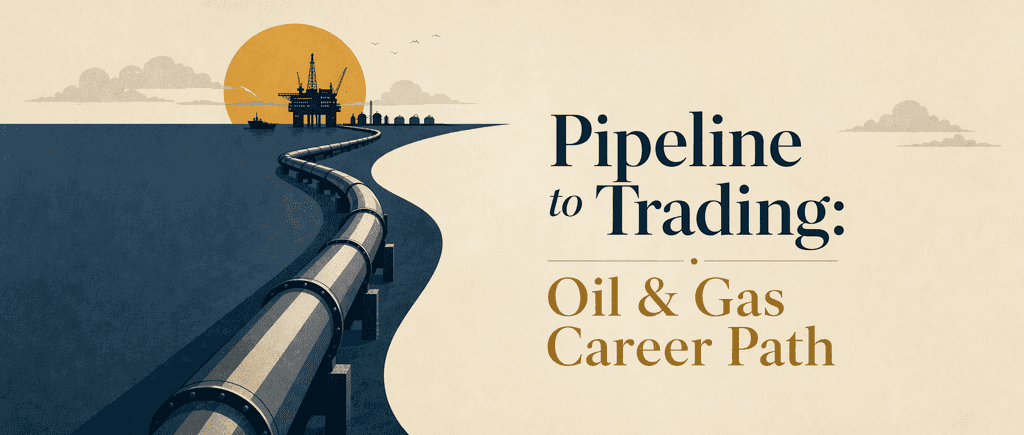
Explore how global pipeline construction and LNG infrastructure are meeting energy demands in India and China while integrating carbon capture and hydrogen tech.

We are in the middle of a massive pipeline boom where infrastructure is playing catch-up, and natural gas has firmly re-established itself as the 'bridge fuel' for the energy transition. This isn't just old-school steel in the ground; hydrogen-ready designs and carbon capture integration are becoming the new standard.
examine the **critical role of pipeline and liquefied natural gas (LNG) infrastructure** in meeting rising global energy demands. Driven by a surge in exports from **North America** and massive domestic expansions in **India and China**, global pipeline construction is experiencing a significant boom. The texts detail how **technological innovations**, such as carbon capture and hydrogen-ready designs, are being integrated to address environmental sustainability. Beyond tech

Cree par des anciens de Columbia University a San Francisco
"Instead of endless scrolling, I just hit play on BeFreed. It saves me so much time."
"I never knew where to start with nonfiction—BeFreed’s book lists turned into podcasts gave me a clear path."
"Perfect balance between learning and entertainment. Finished ‘Thinking, Fast and Slow’ on my commute this week."
"Crazy how much I learned while walking the dog. BeFreed = small habits → big gains."
"Reading used to feel like a chore. Now it’s just part of my lifestyle."
"Feels effortless compared to reading. I’ve finished 6 books this month already."
"BeFreed turned my guilty doomscrolling into something that feels productive and inspiring."
"BeFreed turned my commute into learning time. 20-min podcasts are perfect for finishing books I never had time for."
"BeFreed replaced my podcast queue. Imagine Spotify for books — that’s it. 🙌"
"It is great for me to learn something from the book without reading it."
"The themed book list podcasts help me connect ideas across authors—like a guided audio journey."
"Makes me feel smarter every time before going to work"
Cree par des anciens de Columbia University a San Francisco

Lena: You know, Miles, I was looking at the global energy map this morning, and it’s wild to see how much is shifting right under our feet. We’re actually in the middle of a massive pipeline boom, but here’s the kicker: even with all this construction, the infrastructure is still playing catch-up.
Miles: It really is a race against time. Think about this—in the U.S. alone, there’s roughly 18 billion cubic feet per day of new LNG export capacity already sanctioned or under construction. But the pipelines needed to actually move that gas? They’re still a work in progress.
Lena: Right, and it’s not just a North American story. With India and China driving huge domestic expansions, natural gas has firmly re-established itself as the "bridge fuel" for the energy transition.
Miles: Exactly. And what’s fascinating is that this isn't just old-school steel in the ground; we’re seeing hydrogen-ready designs and carbon capture integration becoming the new standard. Let’s explore how these technological shifts are actually making this massive buildout possible.
Lena: It is so interesting that you mention that 18 billion cubic feet figure for the U.S. because it really highlights the scale of this ambition. We are talking about a country that is already the world’s largest LNG exporter, and yet they are pushing for even more. Just last year, in 2025, the U.S. became the first country to ever export more than 100 million metric tons of LNG. That is a massive milestone—it basically puts them in a league of their own.
Miles: It really does, but it’s a crowded league at the top. You have the U.S., Qatar, and Australia together accounting for over 60 percent of the global supply. What’s changing now, in 2026, is that the U.S. commercial model is becoming the global gold standard. Their cargoes are destination—flexible, which means buyers can redirect them wherever the demand is highest. That flexibility is a huge deal when you have a crisis like the one we are seeing in the Middle East right now.
Lena: Right, and that flexibility is exactly what Europe has been leaning on. I was reading that LNG now covers about 48 percent of the European Union’s gas needs. That is a huge jump from just 19 percent back in 2021. It’s a total decoupling from Russian pipeline gas, which has dropped to just under 6 percent of their supply. But this shift comes with a price tag, doesn’t it?
Miles: A massive one. Moving gas as a liquid is fundamentally more expensive than pushing it through a pipe. You’re looking at an extra two to four dollars per million BTU just for the liquefaction, the shipping, and the regasification. In Europe, that has translated to energy prices that are 20 to 50 percent higher than they used to be, which is really starting to hurt their industrial competitiveness.
Lena: And that’s where Canada enters the frame, right? They’ve been watching this from the sidelines for a while, but they are finally making their move. The LNG Canada facility in Kitimat is such a pivotal part of this story. It’s their first major export terminal, and it’s already ramping up. I saw that they moved their 60th cargo to Asia just this past March.
Miles: Exactly. Canada’s strategy is all about diversifying away from having the U.S. as their only customer. By shipping directly from the West Coast to South Korea and Japan, they are cutting down travel time and tapping into that high—demand Asian market. Phase 1 of that project can handle about 14 million tonnes per year, and there is already talk about doubling that for Phase 2.
Lena: It’s like Canada is finally testing its boundaries as an energy superpower. But they have a different set of hurdles than the U.S. Gulf Coast. They have to navigate very complex environmental regulations and Indigenous rights considerations. It’s not just about the engineering; it’s about the social license to operate.
Miles: That’s a great point. The Coastal GasLink pipeline, which feeds that Kitimat facility, is a perfect example of that. It’s a proof of concept. If they can show that they can build large—scale infrastructure while respecting those social and environmental frameworks, it sends a huge signal to global investors. It’s about building trust as much as it is about building terminals.
Lena: And they need that trust because the global market is so volatile right now. With the Strait of Hormuz effectively closed, we’ve seen a 20 percent chunk of global LNG supply just vanish overnight. QatarEnergy had to halt production at Ras Laffan after those strikes in March, and they’re saying that could take 12 million tons a year off the market for up to five years.
Miles: It’s a total game—changer. When you lose that much supply from the Middle East, the world looks to North America to fill the gap. But like we said, the U.S. plants are already running at or above their nameplate capacity. Cheniere and Golden Pass are trying to ramp up new units, but you can’t just flip a switch and replace 500 cargoes worth of gas.
Lena: It really puts the spotlight on the "energy security" part of the conversation. It’s not just about who has the gas; it’s about who has the reliable routes to get it to market. The chokepoints—whether they’re physical like the Strait of Hormuz or regulatory like the U.S. permitting pause we saw a while back—are what really dictate the winners and losers in this race.
Miles: You know, while North America is focused on the export side, the real "engine" of this whole boom is happening in Asia. We always talk about China and India, but the scale of what they are building right now is just staggering. They aren't just buying the gas; they are building the massive internal networks to distribute it.
Lena: It’s true. China, even with its recent push for self—sufficiency, is still a titan in this market. Their imports hit around 70 million tons last year, and they’re tied with Japan as the top importer globally. But what’s interesting is that Beijing is shifting. They’re prioritizing domestic production and Russian pipeline imports—like the Power of Siberia—to hedge against the volatility of the global LNG spot market.
Miles: And they’ve been smart about it. They stockpiled heavily before the current conflict broke out. But India is in a tougher spot. They are incredibly price—sensitive. When LNG prices spiked 143 percent after the war started in February, reaching over 25 dollars per million BTU, that basically priced India right out of the market.
Lena: I saw reports about that—industrial clusters in India and Pakistan are literally rationing energy. Pakistan even went to a four—day work week to try and manage the shortage. It’s a stark reminder that while gas is a "bridge fuel," if the bridge is too expensive, people will just turn back to coal.
Miles: That’s the "demand destruction" we keep hearing about. In South Asia, we’re seeing a shift back to coal—fired power plants because they have domestic reserves and it’s just cheaper. It’s a setback for air quality and climate goals, but when you’re facing a total energy collapse, governments prioritize keeping the lights on.
Lena: But India isn't giving up on gas. They are still pushing for a "gas—based economy," aiming to increase the share of natural gas in their energy mix significantly. To do that, they are building thousands of kilometers of new pipelines. It’s the same story in China—they’re looking at expanding the Central Asia—to—China pipeline network, specifically Line D from Turkmenistan.
Miles: The problem is that the infrastructure takes years to build, while the market shocks happen in days. Take Southeast Asia—countries like Vietnam and the Philippines have been moving toward LNG to replace declining domestic fields. But they don't have the massive strategic reserves that China has. Some of these countries only have enough gas to last 20 to 50 days.
Lena: That’s a terrifyingly thin margin. It’s why we’re seeing a sudden, desperate interest in diversifying. Thailand, for example, relies heavily on spot—market purchases rather than long—term contracts. That makes them a sitting duck when prices swing. They’re now looking at three—stage contingency plans for fuel rationing.
Miles: It really highlights the difference between "energy independence" and "energy security." You might not have your own gas, but if you have long—term contracts and diversified suppliers—like Australia, Canada, and the U.S.—you’re in a much better position than if you’re just chasing the lowest price on the spot market.
Lena: Exactly. And the Middle East conflict has totally upended those security calculations. Before the war, analysts were expecting a "supply glut" by 2026 because of all this new capacity coming online. But with Qatar’s North Field expansion now potentially delayed and their existing trains damaged, that glut has evaporated. We’re back in a world of scarcity.
Miles: And that scarcity is driving some fascinating regional moves. Look at Africa—countries like Mozambique and Senegal are suddenly seeing renewed interest in their offshore projects. The Greater Tortue Ahmeyim project offshore Senegal and Mauritania is ramping up right now. These are the "new" suppliers that the world is looking to as a hedge against Middle Eastern instability.
Lena: It’s like the global energy map is being redrawn in real—time. Every pipeline being laid in India and every terminal being built in the U.S. Gulf Coast is a brick in this new architecture. But the big question is whether this infrastructure can actually adapt to the "green" future everyone is talking about.
Miles: This is where it gets really technical and, honestly, pretty cool. We aren't just talking about the same old pipelines our grandfathers built. The industry is effectively trying to "future—proof" this massive investment. If you’re going to spend billions on a pipeline today, you want to make sure it’s still useful in 2050.
Lena: Right, because nobody wants to be left with a multi—billion—dollar stranded asset. That’s why we’re seeing this huge push for "hydrogen—ready" infrastructure. I was just reading about the work DNV is doing. They just published a new recommended practice—RP—F123—specifically for offshore hydrogen pipelines.
Miles: That’s a major step. People don't realize that you can’t just pump hydrogen through a standard natural gas pipe. Hydrogen molecules are tiny—they can actually leak through materials that would hold methane just fine. And then there’s the "hydrogen embrittlement" issue, where the hydrogen actually makes the steel brittle and prone to cracking.
Lena: It’s a massive engineering challenge. But we’re seeing it happen. In the Netherlands, they just connected the first major green hydrogen plant—Holland Hydrogen 1—to the national network. They made what they called the "golden weld" in Rotterdam earlier this year. It’s a 200—megawatt plant, and it’s the first time a producer has been connected directly to this kind of national infrastructure.
Miles: And the Dutch aren't stopping there. Gasunie and Thyssengas just signed an agreement to build a cross—border hydrogen pipeline between the Netherlands and Germany. They’re actually converting existing natural gas pipes to carry hydrogen. This is the start of what they’re calling the "hydrogen core network" in Europe.
Lena: It’s the same story in the UK. National Gas just unveiled plans for a 300—mile hydrogen pipeline on the East Coast of England. They’re calling it Project Union. The idea is to connect industrial hubs like Teesside and the Humber, creating a "clean—energy corridor." They’re looking at a 1,500—mile network eventually, mostly by repurposing what they already have.
Miles: Repurposing is the key. It’s much cheaper and faster than building from scratch. But while hydrogen is the long—term dream, Carbon Capture and Storage—CCS—is the immediate reality. For natural gas to stay "viable" as a bridge fuel, we have to deal with the emissions.
Lena: Absolutely. That’s why you see these projects being built in clusters. In Rotterdam, the hydrogen pipeline is running just 40 centimeters away from the Porthos CO2 pipeline. They share the same corridor. It’s integrated energy planning. You produce the gas, you use it for power or industry, and then you capture the CO2 and pipe it back into offshore fields for storage.
Miles: Qatar is doing this too. Their North Field expansion isn't just about volume; it’s about integrated CCS. They’re aiming to capture and sequester millions of tons of CO2 every year. It’s a way to lower the "carbon intensity" of their LNG, which makes it more attractive to buyers in Europe who are facing strict climate regulations.
Lena: It’s interesting how the "lower—carbon" credential has become a competitive advantage. When natural gas is paired with CCS and methane abatement, it has a 50 to 60 percent lower CO2 intensity than coal. That’s the selling point that is keeping gas in the mix through the 2040s and beyond.
Miles: But it’s not just about the big pipelines. We’re seeing innovation in things like subsea compression and "all—electric" subsea systems. These technologies allow you to pull gas from deeper, higher—pressure wells more efficiently. It’s about getting that "last drop" out of the field while minimizing the footprint of the operation.
Lena: It really feels like a convergence of two worlds. You have the high—stakes, old—school geopolitics of the Middle East and the Strait of Hormuz, and then you have this cutting—edge material science and digital monitoring. It’s like we’re building a 21st—century nervous system for the planet’s energy.
Miles: You know, we’ve talked a lot about the "how" and the "where," but the "why" often comes down to energy diplomacy. These pipelines aren't just tubes for fuel; they’re geopolitical tethers. When you sign a 20—year LNG contract or build a cross—border pipeline, you are essentially locking yourself into a long—term strategic relationship.
Lena: That’s exactly what Canada is doing with Japan and South Korea. By securing those long—term offtake agreements for LNG Canada, they aren't just selling a commodity; they are becoming a pillar of East Asian energy security. It’s a way for Canada to project influence far beyond its borders.
Miles: And look at how the U.S. is using its export power. They’re shipping to Europe to help them break away from Russia, but they’re also sending record volumes to Asia. It gives the U.S. a massive lever in global trade. But as we’ve seen, it also links domestic U.S. prices to the global market. U.S. natural gas prices rose 56 percent in 2025 because they are now part of this global system.
Lena: It’s a double—edged sword. You get the economic boost from exports, but your domestic consumers—and your industries—start paying the "global price." That’s creating some political friction in the U.S., especially around those new permit approvals.
Miles: And then you have China and Russia. The Power of Siberia pipeline is a perfect example of energy being used as a strategic tool. As Europe shuts the door on Russian gas, Russia is pivoting hard to the East. They’re looking to add 8 billion cubic meters of incremental capacity to China through existing routes just to keep the revenue flowing.
Lena: But China is a very savvy buyer. They are making sure they aren't just replacing one dependency with another. They are balancing Russian pipeline gas with domestic production, renewables, and LNG from a dozen different countries. They’re even reselling some of their LNG cargoes to Europe when the price is right. It’s a masterclass in portfolio management.
Miles: Meanwhile, in the Middle East, the war is forcing a total rethink of these ties. The UAE and Qatar have been massive investors in Africa—we’re talking over 110 billion dollars in the last couple of years. But now, with the war, those investment priorities might shift back home to defense and reconstruction.
Lena: That’s a huge deal for Africa. If that Gulf money dries up, it leaves a massive financing gap for their own energy projects. But as Aubrey Hruby pointed out, this is also an opportunity for Africa to step up as a "safer" alternative to the Middle East. If they can unlock their own capital—those trillion—dollar pension funds—they could fund their own "bridge" to the global market.
Miles: It’s all about resilience. The countries that are thriving right now are the ones that didn't put all their eggs in one basket. Japan is a great example. They’ve been skepticism about nuclear since Fukushima, but the Iran war has changed the calculus. Prime Minister Sanae is now pushing for a total nuclear comeback to achieve 100 percent energy self—sufficiency.
Lena: It’s a "rip up the old plans" moment for everyone. Even in Europe, where the focus has been so heavily on the transition, they are having to make these tough trade—offs. Do you subsidize gas today to keep people from freezing, or do you put that money into the grid for tomorrow?
Miles: And that tension is where the "energy superpower" label gets tested. It’s not just about having the resource; it’s about having the political will and the economic stability to manage these shocks. The Western Hemisphere—the U.S., Canada, Brazil, Guyana—is looking like a very attractive "safe haven" right now.
Lena: But like David Goldwyn said, that opportunity isn't evenly distributed. You have to have the rule of law and contract sanctity. Mexico and Venezuela are sitting on huge resources, but they’re missing the wave because their sectors are too state—dominated or high—risk. It’s a reminder that in the energy game, "underground" wealth is only half the battle.
Miles: One thing we haven't touched on enough is the sheer logistical nightmare of moving all this gas. It’s not just the pipes; it’s the ships. When the Strait of Hormuz closes, you don't just lose the gas; you lose the primary route for 20 percent of the world’s LNG tankers.
Lena: Right, and that creates a massive bottleneck. I was reading that RBC estimated LNG Canada would need about 15 export tankers per month just for Phase 1. If you multiply that across all the new projects in the U.S. and Qatar, you’re talking about a massive increase in global shipping traffic.
Miles: And where are those ships going? A lot of them are currently idling. I saw data showing over a million tons of U.S. LNG just waiting near the Suez Canal or signaling for orders because they can’t get through to their original destinations. When the routes change, the travel times get longer, which effectively reduces the "global capacity" of the fleet.
Lena: It’s like a giant game of musical chairs, but the chairs are multi—million—dollar cryogenic tankers. And the costs are spiraling. When you have to reroute a ship from the Gulf around Africa instead of through the Suez Canal, you’re adding weeks to the journey and massive amounts to the fuel bill.
Miles: That’s why we’re seeing "cargo swaps" becoming so common. A company with a cargo in the Atlantic might trade it with a company that has one in the Pacific to save on shipping time. But even with that optimization, there’s just no easy way to replace the volumes that are currently stranded in the Persian Gulf.
Lena: And it’s not just the big tankers. It’s the port infrastructure. Every new export terminal needs a corresponding regasification terminal on the other end. Europe has been racing to build these—often using Floating Storage and Regasification Units, or FSRUs, because they’re faster to deploy than onshore plants.
Miles: FSRUs have been the unsung heroes of Europe’s energy security. They’ve allowed countries like Germany to start importing LNG in record time. But even those have limits. You still need the pipelines to move that gas from the port to the industrial heartlands. It’s a classic "last mile" problem.
Lena: And that brings us back to the pipeline boom. We’re seeing massive new projects like the "Humber Hydrogen" cluster in the UK or the North Field East pipeline network in Qatar—which, by the way, involves about 500 kilometers of new subsea lines. The scale of the "subsea" side of this is often overlooked.
Miles: Oh, absolutely. The subsea infrastructure is becoming incredibly complex. We’re talking about high—pressure, high—temperature systems—HPHT—that can operate in extreme environments. It requires a whole new level of monitoring and maintenance. If a subsea pipe leaks, it’s a much bigger deal than a leak on land.
Lena: Which is why "integrity monitoring" is such a huge growth area. They’re using advanced sensors and even AI to predict where a pipe might be thinning or where a weld might fail. It’s about making this massive network as "intelligent" as possible to avoid any more supply disruptions.
Miles: It’s a race between the engineers trying to build a more resilient system and the geopolitical events trying to tear it down. And right now, the events are winning. But the infrastructure being built today is going to define the global economy for the next thirty years. It’s the "steel and silicon" foundation of the future.
Lena: We’ve talked about the "demand destruction" in places like Pakistan, but the economic impact is hitting the developed world too. When gas prices jump 143 percent, it’s not just a line on a chart. It’s an inflationary bomb. Central bankers are already sounding the alarm.
Miles: Absolutely. The IMF’s managing director, Kristalina Georgieva, pointed out that even a 10 percent increase in energy prices can boost global inflation by 40 basis points. And we are seeing way more than a 10 percent increase. This is the "largest—ever" disruption in oil and gas supplies, according to the IEA.
Lena: And it’s hitting at a time when the world was already struggling with the post—pandemic recovery. In Europe, the higher energy costs are straining households and forcing some energy—intensive industries to just... stop. If you’re a chemical plant in Germany and your feedstock costs double, you can’t compete globally.
Miles: That’s the "stagflation" risk—where you have high inflation and stagnant growth at the same time. It’s a nightmare scenario for policymakers. We’re seeing a real "two—speed" response in Europe. They have the emergency measures—the price caps and subsidies—to keep people afloat, but those are incredibly expensive and they drain money away from long—term investments.
Lena: It’s a vicious cycle. And it’s not just Europe. In the U.S., the "boom" in the energy sector is a bright spot, but it’s pushing up costs for everyone else. The Fed is watching these energy prices very closely because they can undo all the work they’ve done to control inflation.
Miles: And think about the impact on global food security. This is a part of the story that often gets missed. Natural gas is the primary feedstock for nitrogen—based fertilizers. About 30 percent of the global fertilizer trade goes through the Strait of Hormuz. When that stops, fertilizer prices skyrocket.
Lena: And that hits African farmers the hardest. If you’re a farmer in Kenya or Mozambique and you can’t afford fertilizer, your yields drop. That leads to food price inflation in countries where people already spend 50 percent of their income on food. It’s a humanitarian crisis triggered by an energy war.
Miles: It really shows how interconnected everything is. A missile strike on a gas plant in Qatar leads to higher bread prices in Nairobi. It’s a stark reminder that "energy security" is the foundation of "food security" and "economic security."
Lena: That’s why the "Western Hemisphere vs. the Rest" argument is so compelling. If the Americas can provide a stable, reliable source of both energy and the products derived from it, they become the anchor for the global economy. But they have to be able to scale up fast enough to meet the demand.
Miles: And scaling up isn't just about drilling. It’s about the whole chain—the pipelines, the liquefaction, the tankers, the ports. It’s a massive capital investment. The U.S. shale industry is trying to maintain "capital discipline," but the global pressure to produce more is becoming almost irresistible.
Lena: It’s a high—stakes balancing act. If they overbuild and the war ends tomorrow, they’re stuck with a glut. If they underbuild and the war drags on for years, the world stays in this cycle of scarcity and high prices. It’s the ultimate "uncertainty" market.
Miles: You know, one of the most fascinating things about this "infrastructure boom" is how it’s being managed. We’re moving toward what some people call the "remote energy" model. With all these subsea systems and remote terminals like Kitimat, we’re using technology to operate in places where it’s hard to put people.
Lena: Right, like the Floating LNG units—FLNG. We’re seeing those pop up in smaller fields in places like Mozambique and Argentina. You don't build a massive onshore plant; you just park a giant specialized ship over the field. It’s more flexible and, in some cases, faster to get running.
Miles: FLNG is a game—changer for "stranded" gas. But it requires some incredibly advanced engineering—dynamic risers and mooring systems that can handle rough seas while transferring cryogenic liquid. It’s basically a high—tech factory on the water.
Lena: And then there’s the "digital twin" technology. Companies are building virtual models of their entire pipeline networks. They can run simulations to see how the system will react to a sudden pressure drop or a change in gas composition—like when they start blending in hydrogen.
Miles: Blending is a big part of the transition. Most existing gas turbines and industrial burners can handle a certain percentage of hydrogen mixed with natural gas without needing major upgrades. It’s a way to start lowering emissions today while we build the full hydrogen infrastructure of tomorrow.
Lena: But you have to be so careful with those blends. If the hydrogen concentration gets too high, you run back into those embrittlement and leakage issues. That’s where the "smart" monitoring comes in. You need real—time data on the gas mix at every point in the pipe.
Miles: It’s the "silicon" part of the "steel and silicon" equation. And it’s creating a whole new sector of energy tech. We’re seeing startups focused on methane leak detection using satellites and drones. If we’re going to call gas a "bridge fuel," we have to prove that we aren't leaking methane—which is a much more potent greenhouse gas than CO2—all along the way.
Lena: Exactly. Methane abatement is now a requirement for social license. If you can’t show that your pipeline is "tight," you’re going to face massive regulatory and public pushback. It’s another reason why the "new" infrastructure is so different from the "old."
Miles: It’s also interesting to see how this tech is being used for "diesel diplomacy." China is using its massive refining capacity and digital logistics to ship fuel to energy—poor neighbors in ASEAN. It’s a way to secure their commercial interests while the rest of the world is scrambling for supply.
Lena: It’s like every part of the energy chain—from the wellhead to the end—user—is being optimized and "weaponized" at the same time. The tech that makes the system more efficient also makes it a more powerful tool for national strategy.
Miles: And for our listeners who are in the industry—engineers, planners, investors—the takeaway is that the "old" ways of thinking about energy are gone. We are in a world where you have to be an expert in geopolitics, material science, and digital systems all at once. It’s a challenging time, but also an incredibly exciting one.
Lena: So, Miles, let’s wrap our heads around what this means for someone actually working in this space. If you’re an engineer or a project manager, what does this "new world" look like on a day—to—day basis?
Miles: First and foremost, it’s about "future—proofing." If you are involved in designing or building any new pipeline or terminal, you have to be thinking about hydrogen and carbon capture from day one. Even if the project is for methane today, the "hydrogen—ready" label is what’s going to determine its long—term value.
Lena: And you have to be looking at the "cluster" model. Don't think about your project in isolation. How does it fit into a regional "clean—energy corridor"? Can you share infrastructure with a CCS project or a hydrogen producer? The Dutch and the UK projects we talked about—the ones where the CO2 and hydrogen pipes are literally side—by—side—that’s the blueprint.
Miles: Absolutely. And don't underestimate the "social license" part. Canada’s LNG experience shows that you can’t just have a great engineering plan. You need a deep, respectful engagement with host communities and Indigenous groups. In 2026, a "social license" is just as important as a construction permit.
Lena: What about the "supply chain" side? If you’re an investor, where are the "safe havens"?
Miles: The Western Hemisphere is clearly the big winner here—the U.S., Canada, Brazil, and Guyana. They have the resources, the infrastructure, and the rule of law. But you have to watch the "chokepoints"—not just the physical ones like the Strait of Hormuz, but the regulatory ones. Keeping an eye on U.S. permitting policy or Canadian environmental law is just as important as watching the price of gas.
Lena: And for those in Asia, it’s all about diversification and resilience. If you’re a buyer in India or Thailand, you can’t rely on the spot market anymore. You need long—term contracts with multiple suppliers and a serious plan for domestic alternatives—whether that’s renewables, nuclear, or domestic gas production.
Miles: And let’s not forget the "digital" side. If you aren't integrating advanced monitoring and AI into your operations, you’re going to be left behind. The companies that can predict leaks, optimize shipping routes, and manage complex gas blends in real—time are the ones that will thrive in this volatile market.
Lena: It’s a lot to take in, but it’s also a huge opportunity. We are literally rebuilding the world’s energy system. For anyone in this field, this is the "career—defining" moment. You’re building the "bridge" that the entire global economy is going to walk across for the next few decades.
Miles: Exactly. It’s about being "sharp," as Oko Immanuel says. Stay on top of the tech, stay aware of the geopolitics, and don't be afraid to rip up the old plans when the world changes. Because if 2026 has taught us anything, it’s that the world can change very, very fast.
Lena: It’s a fascinating, high—stakes game. And it’s one that affects every single person on the planet, whether they realize it or not.
Miles: As we bring this to a close, I keep thinking about that "bridge fuel" metaphor. We’ve used it for years, but it feels different now. It’s not just a bridge between coal and renewables; it’s a bridge between a world of regional energy silos and a truly global, interconnected, and—hopefully—more resilient system.
Lena: That’s a great way to put it. The pipelines and LNG terminals we’ve talked about today are the physical manifestations of that bridge. They are incredibly complex, they are geographically massive, and they are currently being tested by some of the most intense geopolitical pressure we’ve seen in our lifetimes.
Miles: And yet, they are still being built. The "boom" hasn't stopped; it’s just changed shape. It’s moved from North America to Asia, from simple steel to hydrogen—ready alloys, and from a focus on "lowest cost" to a focus on "highest security."
Lena: It’s a reminder that energy is the lifeblood of everything we do. When it’s disrupted, everything else—food, industry, stability—is at risk. But when we build it right—with the latest tech, the right diplomacy, and a clear eye on the future—it’s the foundation for everything we want to achieve.
Miles: So, to everyone listening, I’d encourage you to take a second and think about where your "energy" comes from. Not just the physical fuel, but the infrastructure and the global effort that makes it possible for you to flip a switch or drive your car. It’s a massive, invisible web that we all depend on.
Lena: And maybe reflect on the "transition" part. We’re in the middle of a massive shift. It’s messy, it’s expensive, and it’s sometimes scary. But it’s also an incredible feat of human engineering and cooperation. We are literally redesigning the way the world works.
Miles: It’s a big story, and we’ve only covered a part of it today. But hopefully, it’s given you a new perspective on those headlines you see about pipelines and LNG cargoes. There is so much more going on beneath the surface—literally and figuratively.
Lena: Absolutely. Thank you so much for joining us for this deep dive into the global energy race. It’s been a wild ride through the Strait of Hormuz, the Canadian Rockies, and the industrial clusters of India and China.
Miles: It really has. Stay sharp out there, and keep an eye on those "steel and silicon" bridges. They are the future.
Lena: Thanks for listening. We hope this gave you plenty to think about. Reflect on what we’ve discussed and how it might impact your corner of the world. Take care.