Photosynthesis and Respiration: How Cells Power Life
Struggling to connect plant and animal energy? Explore how chloroplasts and mitochondria work together to turn starlight and oxygen into fuel for life.

Meilleure citation de Photosynthesis and Respiration: How Cells Power Life
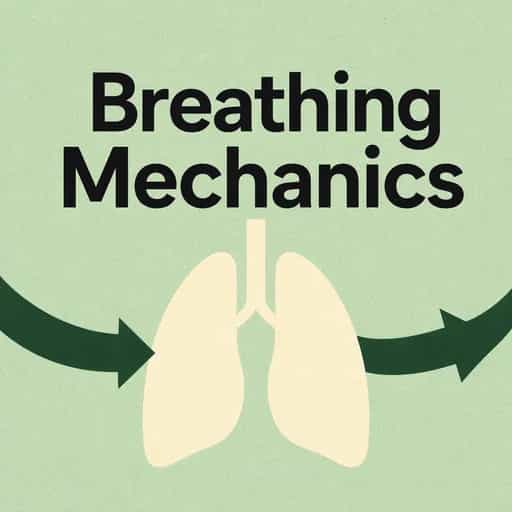
It’s a beautiful, closed-loop cycle where what the plant discards as waste—oxygen—is the very thing we need to unlock the energy in our food. It’s a 'worldly twin' relationship where one process builds the energy up and the other releases it for work.
Generated by Luna
Photosynthesis for freshaman year biology and cellular respiration

Foire aux questions
It is a common misconception that plants only perform photosynthesis while animals handle respiration. In reality, plants do both. While chloroplasts in plant cells capture solar energy to build glucose, plants also contain mitochondria to break that glucose back down into ATP. This allows the plant to power its own essential functions, such as growth, repair, and nutrient transport.
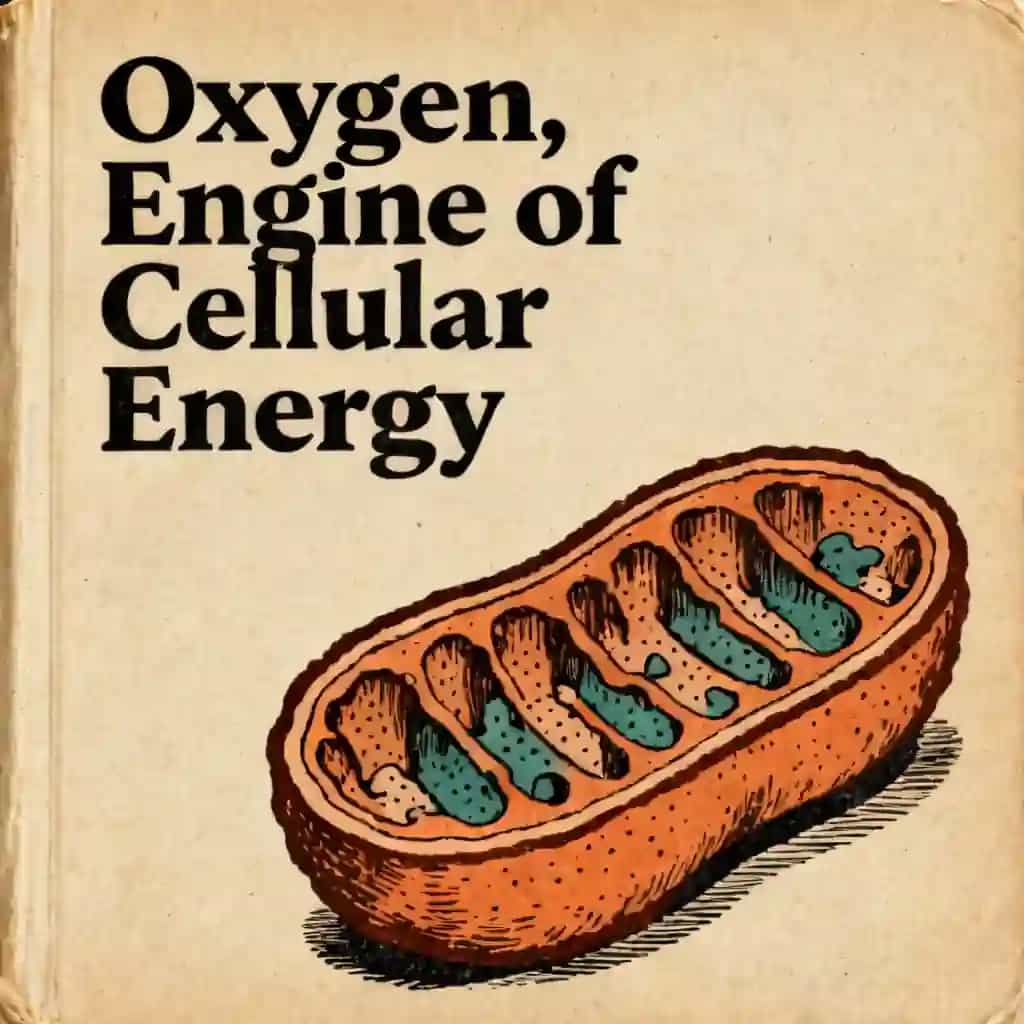
The folding of the inner mitochondrial membrane is a strategic design to maximize surface area. By creating these zig-zagging ridges, the cell provides significantly more space for the "machinery" of energy production, specifically the electron transport chain. More surface area allows for more protein complexes to be embedded in the membrane, which ultimately leads to a higher output of ATP.
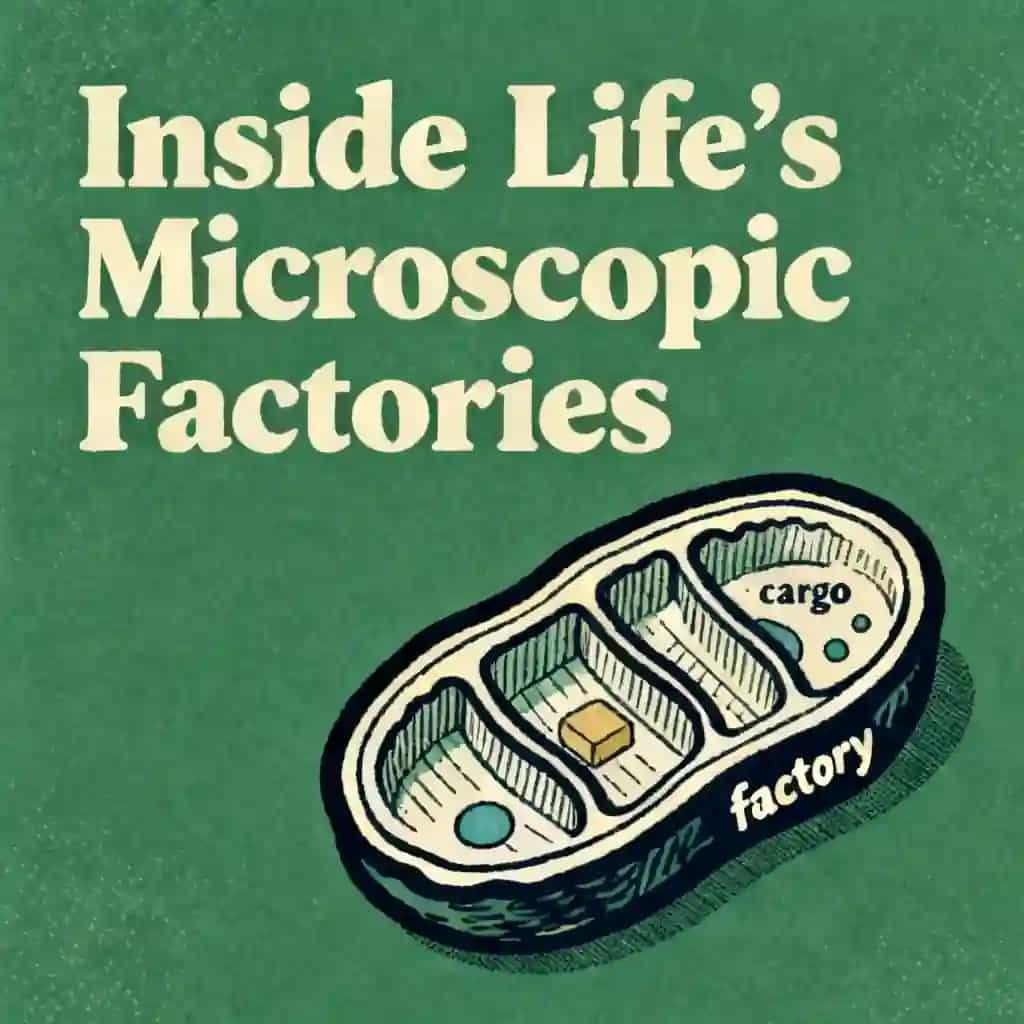
The endosymbiotic theory explains the evolutionary origin of chloroplasts and mitochondria. Scientists believe that billions of years ago, these organelles were actually free-living bacteria. A larger host cell swallowed them, but instead of digesting them, the two formed a symbiotic partnership: the bacteria provided efficient energy production, while the larger cell provided protection and nutrients. This is supported by the fact that both organelles still possess their own unique DNA, separate from the cell's nucleus.
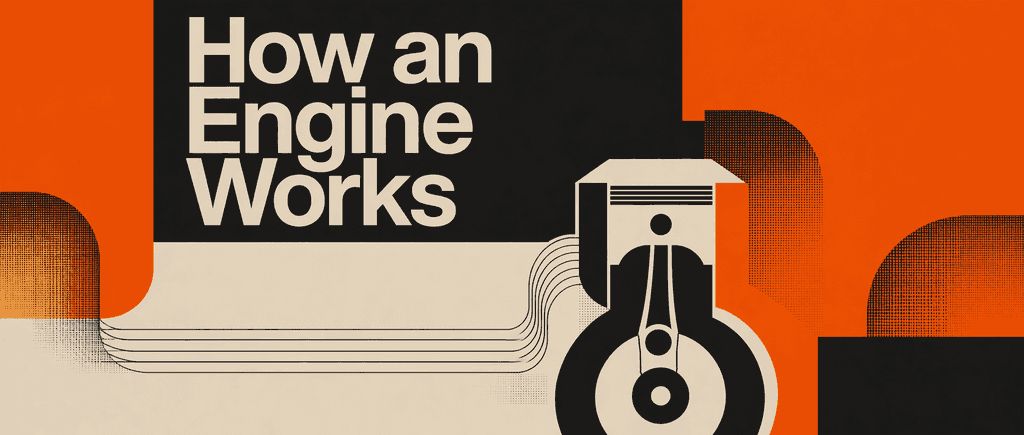
ATP (adenosine triphosphate) functions like a compressed spring or a charged battery. It contains three phosphate groups that are all negatively charged and naturally repel each other, creating chemical "tension." When the cell needs energy to perform work—like moving a muscle—it breaks off the third phosphate group. This release of the phosphate bond provides a burst of energy, leaving behind ADP (adenosine diphosphate), which then travels back to the mitochondria to be "recharged" into ATP.
Oxygen acts as the "terminal electron acceptor" at the very end of the electron transport chain. Its job is to catch the electrons and hydrogen ions after they have passed through the system, combining with them to form water. Without oxygen to act as this "cleanup crew," the entire electron transport chain gets backed up, preventing the cell from producing the massive surge of ATP required for survival.
Cree par des anciens de Columbia University a San Francisco
"Instead of endless scrolling, I just hit play on BeFreed. It saves me so much time."


"I never knew where to start with nonfiction—BeFreed’s book lists turned into podcasts gave me a clear path."


"Perfect balance between learning and entertainment. Finished ‘Thinking, Fast and Slow’ on my commute this week."
"Crazy how much I learned while walking the dog. BeFreed = small habits → big gains."
"Reading used to feel like a chore. Now it’s just part of my lifestyle."

"Feels effortless compared to reading. I’ve finished 6 books this month already."
"BeFreed turned my guilty doomscrolling into something that feels productive and inspiring."

"BeFreed turned my commute into learning time. 20-min podcasts are perfect for finishing books I never had time for."
"BeFreed replaced my podcast queue. Imagine Spotify for books — that’s it. 🙌"

"It is great for me to learn something from the book without reading it."
"The themed book list podcasts help me connect ideas across authors—like a guided audio journey."
"Makes me feel smarter every time before going to work"
 Ask ChatGPT
 Ask Claude
Cree par des anciens de Columbia University a San Francisco
"Instead of endless scrolling, I just hit play on BeFreed. It saves me so much time."
"I never knew where to start with nonfiction—BeFreed’s book lists turned into podcasts gave me a clear path."
"Perfect balance between learning and entertainment. Finished ‘Thinking, Fast and Slow’ on my commute this week."
"Crazy how much I learned while walking the dog. BeFreed = small habits → big gains."
"Reading used to feel like a chore. Now it’s just part of my lifestyle."
"Feels effortless compared to reading. I’ve finished 6 books this month already."
"BeFreed turned my guilty doomscrolling into something that feels productive and inspiring."
"BeFreed turned my commute into learning time. 20-min podcasts are perfect for finishing books I never had time for."
"BeFreed replaced my podcast queue. Imagine Spotify for books — that’s it. 🙌"
"It is great for me to learn something from the book without reading it."
"The themed book list podcasts help me connect ideas across authors—like a guided audio journey."
"Makes me feel smarter every time before going to work"
"Instead of endless scrolling, I just hit play on BeFreed. It saves me so much time."
"I never knew where to start with nonfiction—BeFreed’s book lists turned into podcasts gave me a clear path."
"Perfect balance between learning and entertainment. Finished ‘Thinking, Fast and Slow’ on my commute this week."
"Crazy how much I learned while walking the dog. BeFreed = small habits → big gains."
"Reading used to feel like a chore. Now it’s just part of my lifestyle."
"Feels effortless compared to reading. I’ve finished 6 books this month already."
"BeFreed turned my guilty doomscrolling into something that feels productive and inspiring."
"BeFreed turned my commute into learning time. 20-min podcasts are perfect for finishing books I never had time for."
"BeFreed replaced my podcast queue. Imagine Spotify for books — that’s it. 🙌"
"It is great for me to learn something from the book without reading it."
"The themed book list podcasts help me connect ideas across authors—like a guided audio journey."
"Makes me feel smarter every time before going to work"
"Instead of endless scrolling, I just hit play on BeFreed. It saves me so much time."
"I never knew where to start with nonfiction—BeFreed’s book lists turned into podcasts gave me a clear path."
"Perfect balance between learning and entertainment. Finished ‘Thinking, Fast and Slow’ on my commute this week."
"Crazy how much I learned while walking the dog. BeFreed = small habits → big gains."
"Reading used to feel like a chore. Now it’s just part of my lifestyle."
"Feels effortless compared to reading. I’ve finished 6 books this month already."
"BeFreed turned my guilty doomscrolling into something that feels productive and inspiring."
"BeFreed turned my commute into learning time. 20-min podcasts are perfect for finishing books I never had time for."
"BeFreed replaced my podcast queue. Imagine Spotify for books — that’s it. 🙌"
"It is great for me to learn something from the book without reading it."
"The themed book list podcasts help me connect ideas across authors—like a guided audio journey."
"Makes me feel smarter every time before going to work"