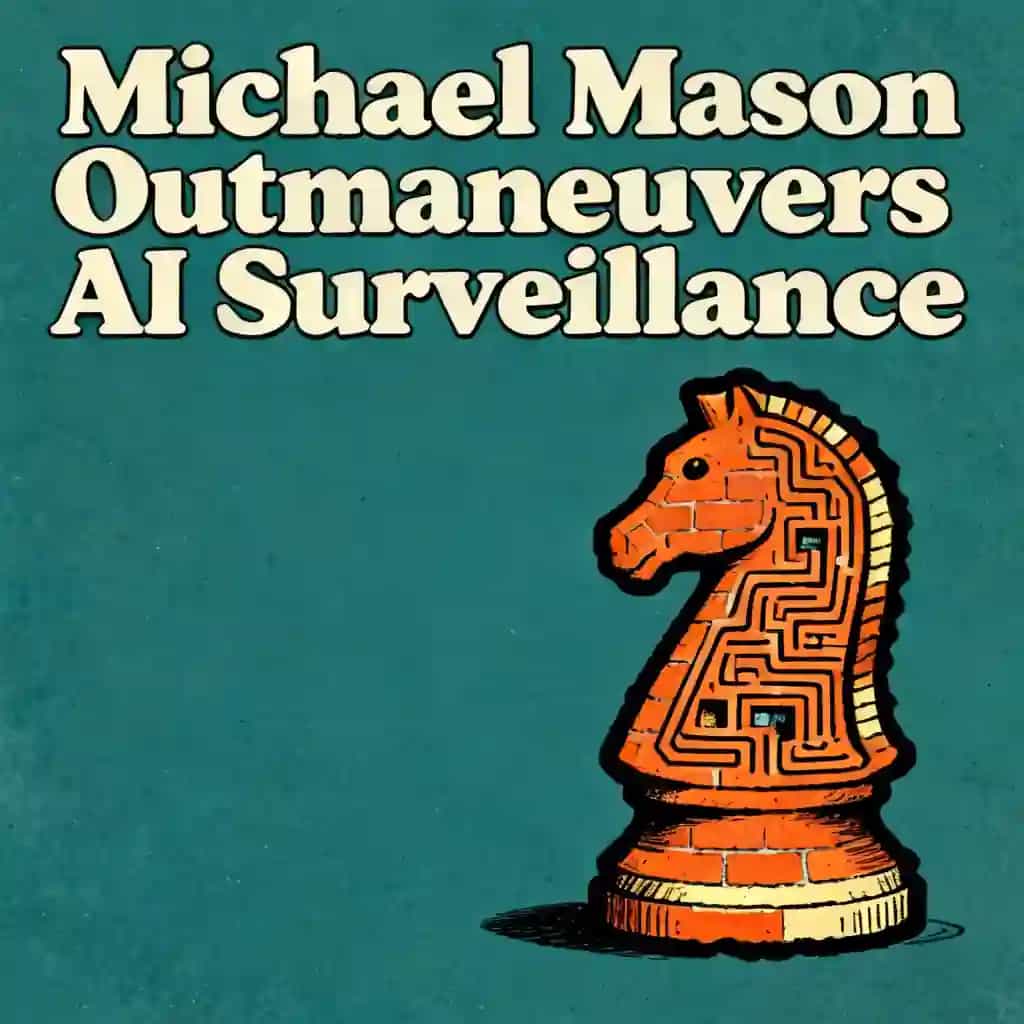
Mossad Missions and the Evolution of Espionage
How does Mossad track targets across the globe? Explore the tradecraft behind famous operations, from the Eichmann abduction to modern AI-driven strikes.

Meilleure citation de Mossad Missions and the Evolution of Espionage
The evolution of their tradecraft is a story of shifting from physical presence to digital omnipresence, where the 'modern battlefield' is no longer just about tanks and aircraft—it is defined by data, access, and timing.

Cette leçon audio a été créée par un membre de la communauté BeFreed
History of the mossad focusing on notable assasinations and missions. Also focus on espionage.


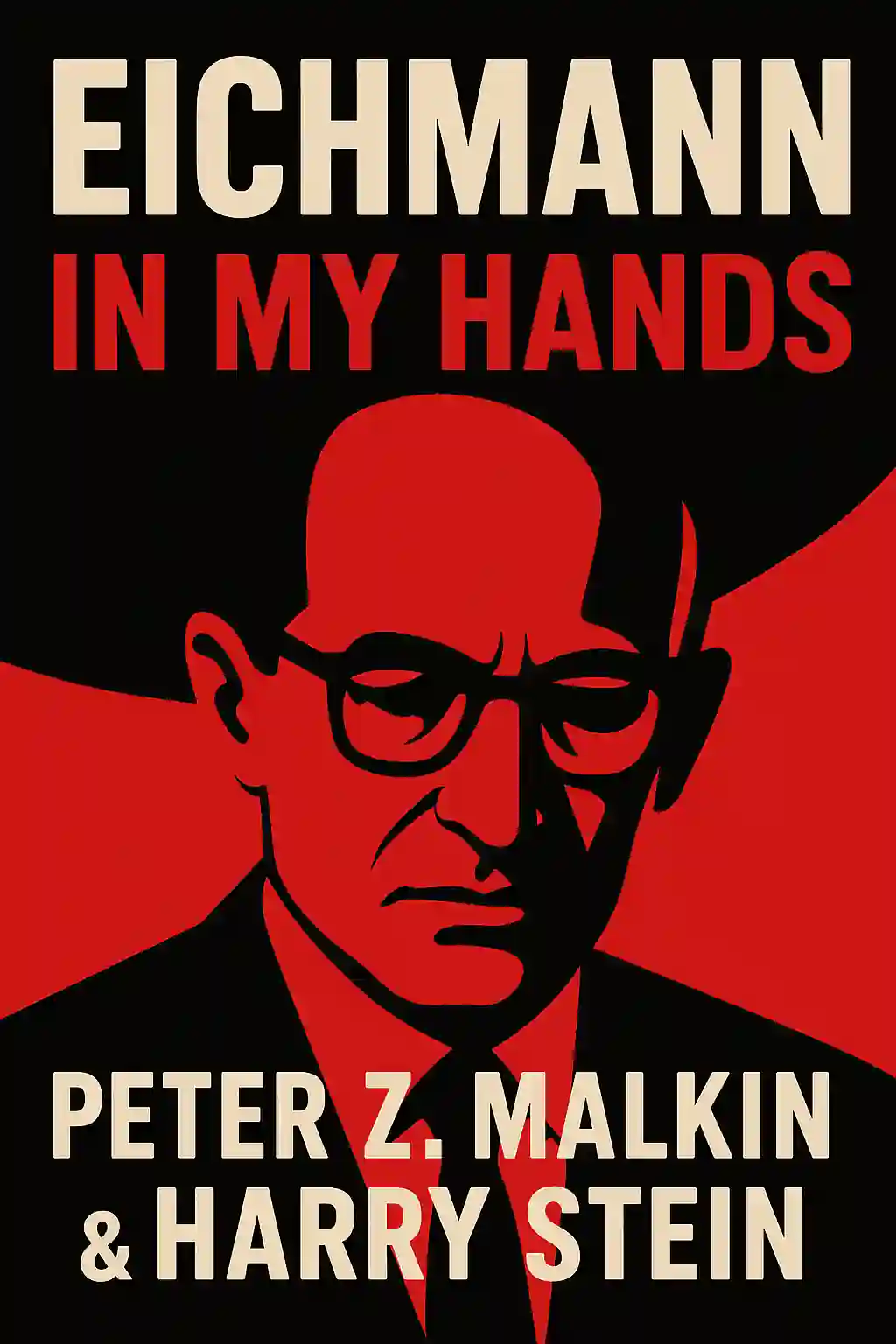


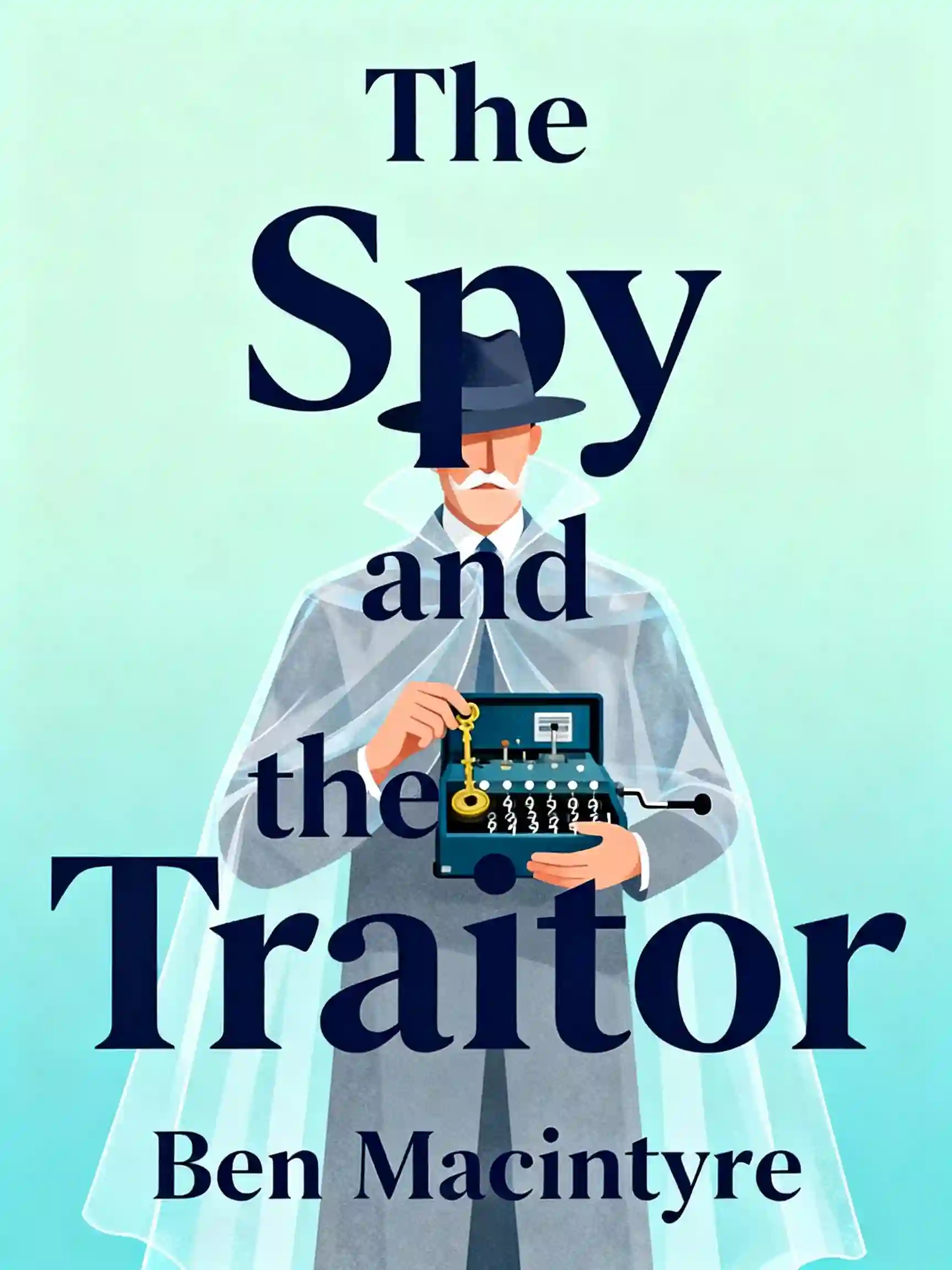

Foire aux questions
The agency has transitioned from a primary reliance on "illegal" operatives—physical spies on the ground using fake passports and hidden cameras—to a model of digital omnipresence. While human intelligence remains vital, modern operations now heavily utilize AI-driven "pattern of life" algorithms, hacking of cellular networks and traffic cameras, and remote-controlled weaponry. This evolution allows the agency to turn a target’s mundane daily routine into a tactical map for surgical strikes.
The Principle of the Mundane is the strategic exploitation of a target's everyday, routine habits. Mossad operates on the belief that most security failures occur not through complex breaches, but through predictable behaviors, such as a specific commute route, trash disposal habits, or the use of a favorite "secure" guesthouse. By gathering granular data on these ordinary activities over months or years, the agency identifies the exact moment a target is most vulnerable.
Supply-chain infiltration involves the agency embedding itself into the enemy's logistics to turn their own equipment against them. A primary example is the 2024 Lebanese pager operation, where Mossad spent a decade operating a front company to sell booby-trapped communication devices to Hezbollah. By "vetting" themselves into the supply chain, the agency placed "Trojan horses" directly on the persons of their adversaries, waiting years for the strategic moment to trigger a "kill switch."
HUMINT (Human Intelligence) refers to information gathered from human sources, such as Eli Cohen’s infiltration of the Syrian government or the recruitment of local Iranian citizens to act as a "foreign legion." SIGINT (Signals Intelligence) involves technical data collection, such as hacking cameras or using satellite-linked weaponry. The script emphasizes that the most successful missions, like the 2026 strike on Ali Khamenei, rely on the synergy of both: using high-tech sensors to track a target and a human asset to provide "extraordinary certainty" of their identity.
By rarely confirming or denying its involvement in assassinations or sabotages, Mossad creates a "shadow effect" that fosters a reputation for omnipotence. This psychological pressure forces adversaries to view every parked car or digital glitch as a potential threat, compelling them to exhaust resources on counter-intelligence and hardening their routines. This unpredictability serves as a form of deterrence, signaling that the "long arm" can strike anywhere without warning.
Découvrir plus

Mastery Investigative & Analysis Program
In an era of information overload, the ability to synthesize data and human behavior is a critical competitive advantage. This program is designed for professionals in intelligence, security, or high-level research who need to master rigorous analytical and forensic techniques.

Study John Kiriakou & CIA Operator Tactics
This plan offers a rare look into the high-stakes world of intelligence, bridging the gap between operational mastery and ethical integrity. It is essential for students of geopolitical history, aspiring intelligence analysts, or anyone interested in the moral dilemmas faced by those operating in the shadows.

Merge CIA Operator & Nassim Taleb Thinking
This plan bridges the gap between elite field intelligence and modern philosophical risk management. It is designed for leaders and strategists who must navigate unpredictable, high-stakes environments where traditional analysis is insufficient.

Study MKUltra and manipulation techniques
This learning plan provides a critical examination of psychological warfare and the ethics of influence. It is essential for anyone seeking to understand the history of covert operations and develop the cognitive defenses necessary to navigate a world filled with sophisticated propaganda.

Especialista em análise de terrorismo
In an era of evolving global threats, understanding the intersection of intelligence and security is critical for safeguarding nations. This program is designed for security professionals, political analysts, and military personnel seeking to master counterterrorism strategies and geopolitical risk assessment.

Study Israel, US Gov, and Jeffrey Epstein
This learning plan is essential for those seeking to understand the hidden mechanics of global influence and domestic governance. It is designed for researchers, political enthusiasts, and truth-seekers who want to connect the dots between historical legacies and modern elite scandals.

Inside the Profiler's Mind
This plan provides a foundational look at the transition from traditional investigative methods to scientific behavioral analysis. It is ideal for true crime enthusiasts and aspiring criminologists seeking to understand the reality behind criminal psychology.

Detective
This learning plan bridges the gap between fictional investigative brilliance and real-world forensic application. It is ideal for aspiring investigators, true crime enthusiasts, or anyone looking to sharpen their analytical and psychological profiling skills.
Cree par des anciens de Columbia University a San Francisco
"Instead of endless scrolling, I just hit play on BeFreed. It saves me so much time."


"I never knew where to start with nonfiction—BeFreed’s book lists turned into podcasts gave me a clear path."


"Perfect balance between learning and entertainment. Finished ‘Thinking, Fast and Slow’ on my commute this week."
"Crazy how much I learned while walking the dog. BeFreed = small habits → big gains."
"Reading used to feel like a chore. Now it’s just part of my lifestyle."

"Feels effortless compared to reading. I’ve finished 6 books this month already."
"BeFreed turned my guilty doomscrolling into something that feels productive and inspiring."

"BeFreed turned my commute into learning time. 20-min podcasts are perfect for finishing books I never had time for."
"BeFreed replaced my podcast queue. Imagine Spotify for books — that’s it. 🙌"

"It is great for me to learn something from the book without reading it."
"The themed book list podcasts help me connect ideas across authors—like a guided audio journey."
"Makes me feel smarter every time before going to work"
Cree par des anciens de Columbia University a San Francisco
"Instead of endless scrolling, I just hit play on BeFreed. It saves me so much time."
"I never knew where to start with nonfiction—BeFreed’s book lists turned into podcasts gave me a clear path."
"Perfect balance between learning and entertainment. Finished ‘Thinking, Fast and Slow’ on my commute this week."
"Crazy how much I learned while walking the dog. BeFreed = small habits → big gains."
"Reading used to feel like a chore. Now it’s just part of my lifestyle."
"Feels effortless compared to reading. I’ve finished 6 books this month already."
"BeFreed turned my guilty doomscrolling into something that feels productive and inspiring."
"BeFreed turned my commute into learning time. 20-min podcasts are perfect for finishing books I never had time for."
"BeFreed replaced my podcast queue. Imagine Spotify for books — that’s it. 🙌"
"It is great for me to learn something from the book without reading it."
"The themed book list podcasts help me connect ideas across authors—like a guided audio journey."
"Makes me feel smarter every time before going to work"
"Instead of endless scrolling, I just hit play on BeFreed. It saves me so much time."
"I never knew where to start with nonfiction—BeFreed’s book lists turned into podcasts gave me a clear path."
"Perfect balance between learning and entertainment. Finished ‘Thinking, Fast and Slow’ on my commute this week."
"Crazy how much I learned while walking the dog. BeFreed = small habits → big gains."
"Reading used to feel like a chore. Now it’s just part of my lifestyle."
"Feels effortless compared to reading. I’ve finished 6 books this month already."
"BeFreed turned my guilty doomscrolling into something that feels productive and inspiring."
"BeFreed turned my commute into learning time. 20-min podcasts are perfect for finishing books I never had time for."
"BeFreed replaced my podcast queue. Imagine Spotify for books — that’s it. 🙌"
"It is great for me to learn something from the book without reading it."
"The themed book list podcasts help me connect ideas across authors—like a guided audio journey."
"Makes me feel smarter every time before going to work"
"Instead of endless scrolling, I just hit play on BeFreed. It saves me so much time."
"I never knew where to start with nonfiction—BeFreed’s book lists turned into podcasts gave me a clear path."
"Perfect balance between learning and entertainment. Finished ‘Thinking, Fast and Slow’ on my commute this week."
"Crazy how much I learned while walking the dog. BeFreed = small habits → big gains."
"Reading used to feel like a chore. Now it’s just part of my lifestyle."
"Feels effortless compared to reading. I’ve finished 6 books this month already."
"BeFreed turned my guilty doomscrolling into something that feels productive and inspiring."
"BeFreed turned my commute into learning time. 20-min podcasts are perfect for finishing books I never had time for."
"BeFreed replaced my podcast queue. Imagine Spotify for books — that’s it. 🙌"
"It is great for me to learn something from the book without reading it."
"The themed book list podcasts help me connect ideas across authors—like a guided audio journey."
"Makes me feel smarter every time before going to work"