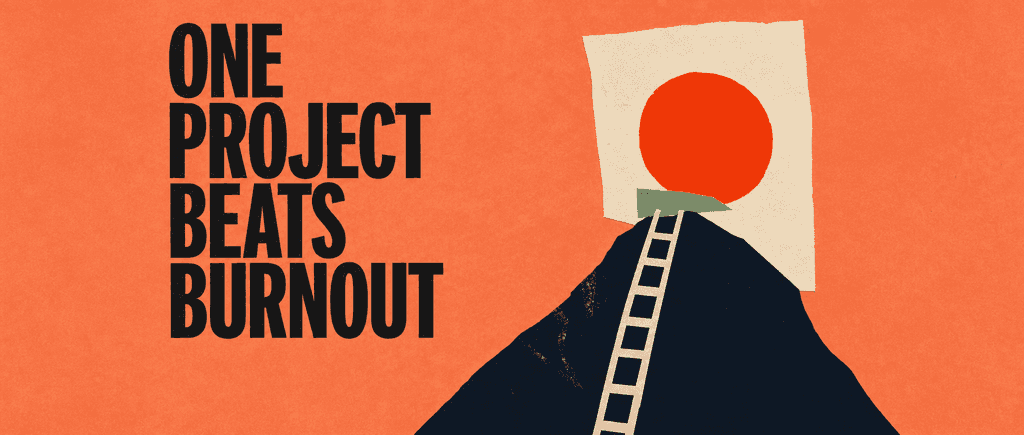
Mastering the Eight-Minute Ritual to Truly Unplug
Stop the doom-scrolling cycle and reclaim your headspace. Learn a practical eight-minute shutdown ritual to close mental loops, master sensory switches, and transition from high-stress work to deep, restorative rest.

Meilleure citation de Mastering the Eight-Minute Ritual to Truly Unplug
Our brains are like muscles that need training to switch from 'work mode' to 'rest mode.' We can't just expect them to magically shut off the moment our head hits the pillow.
Generated by Janu
How to create a ritual for stressful busy days, how to unwind and let go practice mindfulness remove screens and doom scrolling or watching Netflix, and truly relax . How to change the mindset and what habits to add.

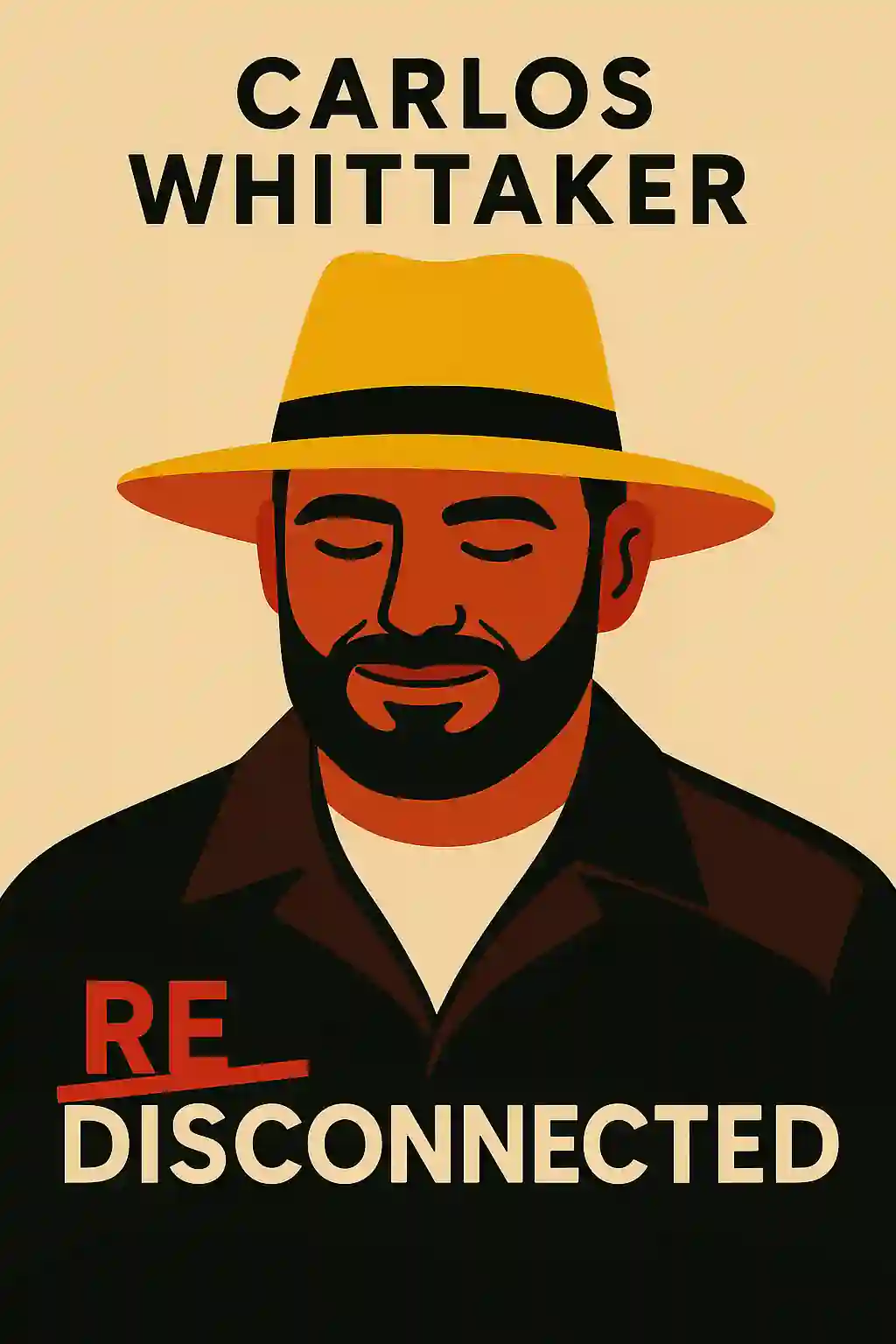
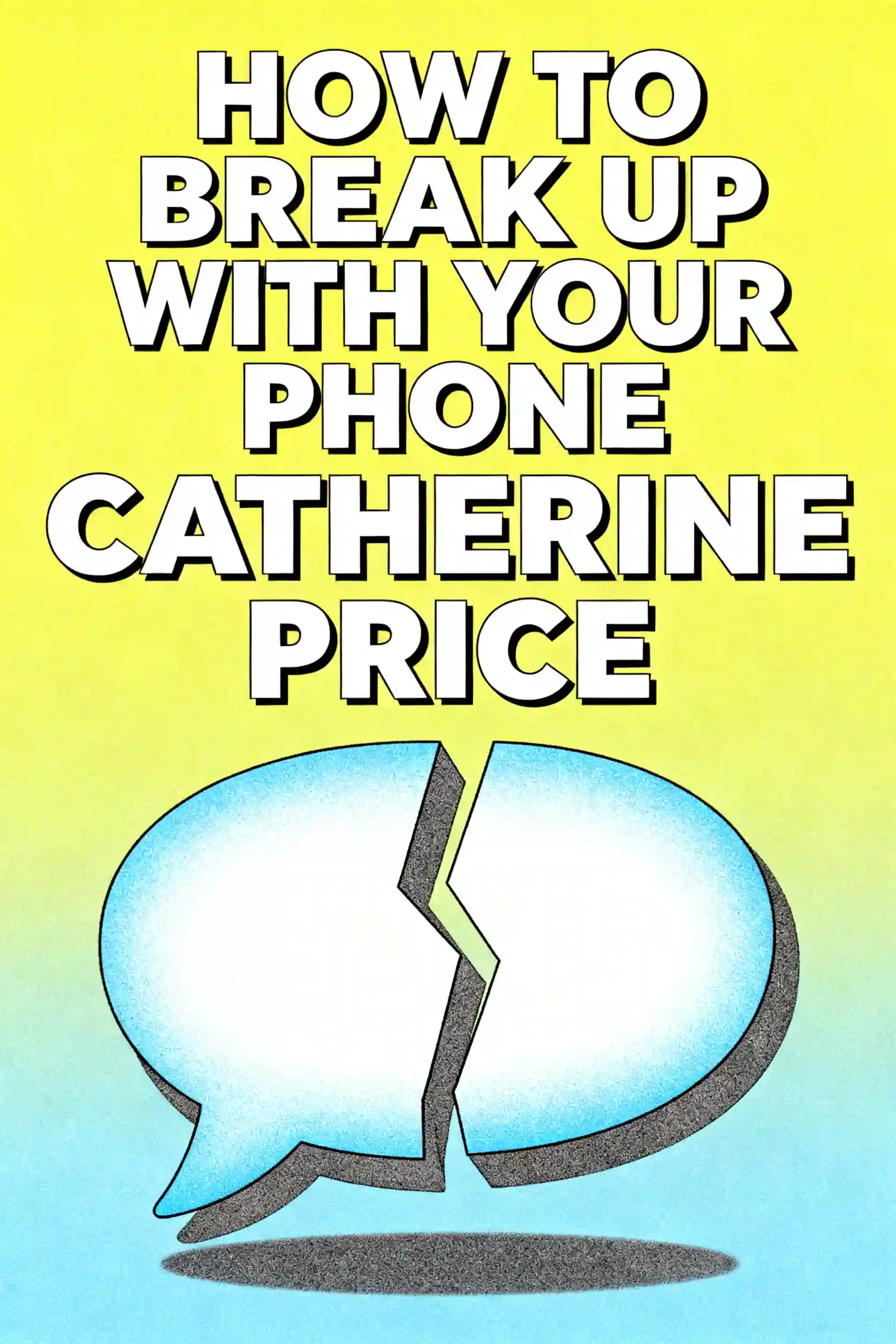
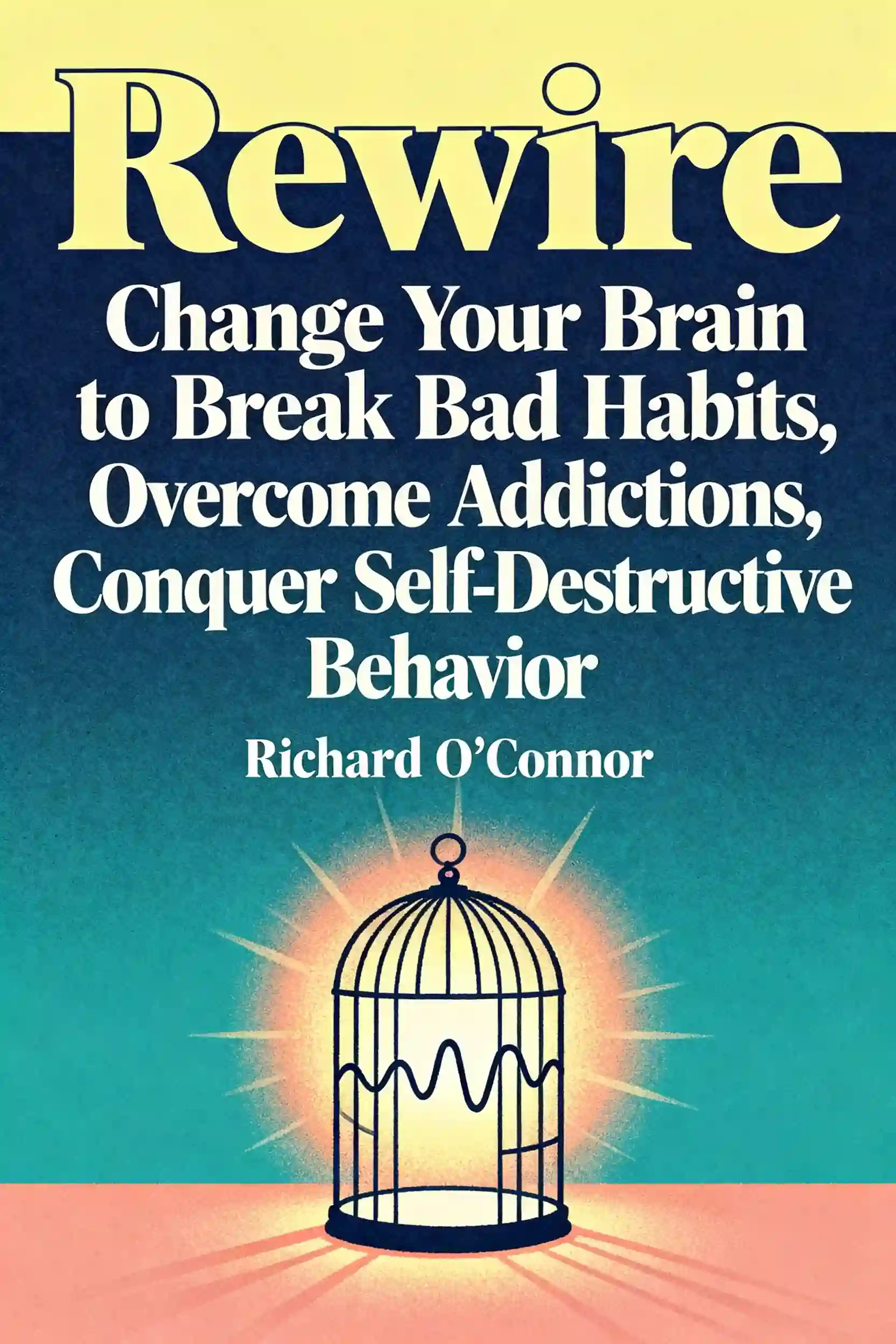
Foire aux questions
The recovery paradox is a psychological phenomenon where the individuals who are the most stressed and in need of relaxation find it the hardest to actually detach from work. When you are under high pressure, your brain maintains a state of "continuous partial attention," running background processes on unfinished tasks even after you have physically stopped working. This lack of mental detachment keeps cortisol levels elevated, which blocks the production of melatonin and leaves you feeling "tired but wired."
A Shutdown Ritual is a structured 5-to-15-minute sequence designed to provide "total loop closure" for the brain. It begins with a "brain dump" to externalize lingering thoughts, followed by selecting "tomorrow’s top three" tasks to neutralize anxiety about the next day. The ritual concludes with a physical reset of the workspace and a verbal declaration, such as saying "shutdown complete" out loud. These steps signal to the subconscious that work is handled, triggering a neurological off-switch that allows the nervous system to relax.
Scrolling through a phone often leads to "comparisonitus" and triggers dopamine releases similar to a slot machine, which keeps the brain overstimulated rather than rested. Additionally, phones emit blue light at a specific wavelength that tricks the internal circadian rhythm into thinking it is daytime, suppressing melatonin production by up to 75 percent. This biological interference can shift sleep onset by up to 90 minutes, sabotaging the body's natural ability to power down.
High-friction hobbies, or "active escapism," are activities that demand full mental or physical attention, such as indoor rock climbing, gardening, or complex gaming. For high-achievers, passive stillness can sometimes feel stressful because it leaves a vacuum for work-related anxiety. These engaging hobbies create a "flow state" that effectively crowds out work thoughts and provides a sense of mastery. This reminds the individual that their identity and self-worth are separate from their professional output.
One of the fastest ways to activate the parasympathetic nervous system is through breathwork, specifically the "4-7-8 technique" (inhaling for four seconds, holding for seven, and exhaling for eight). The long exhale directly stimulates the vagus nerve, lowering heart rate and blood pressure. Other physical triggers include the "sensory switch," such as taking a warm bath to manipulate core body temperature or using scents like lavender to clinically lower cortisol levels.
Cree par des anciens de Columbia University a San Francisco
"Instead of endless scrolling, I just hit play on BeFreed. It saves me so much time."


"I never knew where to start with nonfiction—BeFreed’s book lists turned into podcasts gave me a clear path."


"Perfect balance between learning and entertainment. Finished ‘Thinking, Fast and Slow’ on my commute this week."
"Crazy how much I learned while walking the dog. BeFreed = small habits → big gains."
"Reading used to feel like a chore. Now it’s just part of my lifestyle."

"Feels effortless compared to reading. I’ve finished 6 books this month already."
"BeFreed turned my guilty doomscrolling into something that feels productive and inspiring."

"BeFreed turned my commute into learning time. 20-min podcasts are perfect for finishing books I never had time for."
"BeFreed replaced my podcast queue. Imagine Spotify for books — that’s it. 🙌"

"It is great for me to learn something from the book without reading it."
"The themed book list podcasts help me connect ideas across authors—like a guided audio journey."
"Makes me feel smarter every time before going to work"
 Ask ChatGPT
 Ask Claude
Cree par des anciens de Columbia University a San Francisco
"Instead of endless scrolling, I just hit play on BeFreed. It saves me so much time."
"I never knew where to start with nonfiction—BeFreed’s book lists turned into podcasts gave me a clear path."
"Perfect balance between learning and entertainment. Finished ‘Thinking, Fast and Slow’ on my commute this week."
"Crazy how much I learned while walking the dog. BeFreed = small habits → big gains."
"Reading used to feel like a chore. Now it’s just part of my lifestyle."
"Feels effortless compared to reading. I’ve finished 6 books this month already."
"BeFreed turned my guilty doomscrolling into something that feels productive and inspiring."
"BeFreed turned my commute into learning time. 20-min podcasts are perfect for finishing books I never had time for."
"BeFreed replaced my podcast queue. Imagine Spotify for books — that’s it. 🙌"
"It is great for me to learn something from the book without reading it."
"The themed book list podcasts help me connect ideas across authors—like a guided audio journey."
"Makes me feel smarter every time before going to work"
"Instead of endless scrolling, I just hit play on BeFreed. It saves me so much time."
"I never knew where to start with nonfiction—BeFreed’s book lists turned into podcasts gave me a clear path."
"Perfect balance between learning and entertainment. Finished ‘Thinking, Fast and Slow’ on my commute this week."
"Crazy how much I learned while walking the dog. BeFreed = small habits → big gains."
"Reading used to feel like a chore. Now it’s just part of my lifestyle."
"Feels effortless compared to reading. I’ve finished 6 books this month already."
"BeFreed turned my guilty doomscrolling into something that feels productive and inspiring."
"BeFreed turned my commute into learning time. 20-min podcasts are perfect for finishing books I never had time for."
"BeFreed replaced my podcast queue. Imagine Spotify for books — that’s it. 🙌"
"It is great for me to learn something from the book without reading it."
"The themed book list podcasts help me connect ideas across authors—like a guided audio journey."
"Makes me feel smarter every time before going to work"
"Instead of endless scrolling, I just hit play on BeFreed. It saves me so much time."
"I never knew where to start with nonfiction—BeFreed’s book lists turned into podcasts gave me a clear path."
"Perfect balance between learning and entertainment. Finished ‘Thinking, Fast and Slow’ on my commute this week."
"Crazy how much I learned while walking the dog. BeFreed = small habits → big gains."
"Reading used to feel like a chore. Now it’s just part of my lifestyle."
"Feels effortless compared to reading. I’ve finished 6 books this month already."
"BeFreed turned my guilty doomscrolling into something that feels productive and inspiring."
"BeFreed turned my commute into learning time. 20-min podcasts are perfect for finishing books I never had time for."
"BeFreed replaced my podcast queue. Imagine Spotify for books — that’s it. 🙌"
"It is great for me to learn something from the book without reading it."
"The themed book list podcasts help me connect ideas across authors—like a guided audio journey."
"Makes me feel smarter every time before going to work"