Mastering the Commanding British Scholarly Voice
Unlock the mechanics of Received Pronunciation to command authority and trust. Learn the physical techniques and vocabulary needed to channel a resonant, educated British tone.

Meilleure citation de Mastering the Commanding British Scholarly Voice
The secret isn't just in the vowels; it's about physical mechanics, like dropping your jaw to create that 'cut glass' resonance. It’s less about social status and more about authority and being heard.

Cette leçon audio a été créée par un membre de la communauté BeFreed
How to speak and have the vocabulary of an educated British male voice like John Rhys-Davies



Foire aux questions
Received Pronunciation, often referred to as "Standard British" or "RP," was adopted by the BBC in 1922 as a tool for clarity and trust. Rather than being solely about social status, it was designed to be the most credible and universally understandable sound for a broad audience. It serves as a "neutral" standard that allows a speaker to command authority and ensure their message is heard clearly across different regions.
Developing a deep, authoritative resonance requires physical training of the body as a resonator. According to the script, you should start with a "spine-long" posture to open the ribcage and provide consistent air pressure. You can find your chest voice by placing a hand on your sternum and humming a low "mmm" while lifting the soft palate—the feeling at the beginning of a yawn. This creates more space in the back of the throat, allowing the sound to vibrate in the chest and pharynx rather than the throat or nose.
One of the primary markers is the "Broad A," where words like "bath" or "glass" use a long "ah" sound rather than a short vowel. Another key feature is non-rhoticity, meaning the "R" at the end of words like "mother" or "car" is dropped unless followed by a vowel. Additionally, authoritative RP is characterized by "True T" sounds and crisp consonants, where speakers avoid softening "T" sounds into "D" sounds, ensuring every word is landed firmly and deliberately.
The script emphasizes that a commanding voice is a "methodical cultivation" and a "muscle" that must be trained. Even legendary actors like Richard Burton and John Rhys-Davies had to work extensively to build their vocal strength. Burton famously practiced shouting Shakespearean speeches in the mountains for years to move his voice from his throat to his core. This suggests that through consistent exercises like tongue twisters, "shadowing" skilled speakers, and practicing resonance, anyone can improve their vocal authority.
Sounding authoritative is not just about the accent but also about the "vocabulary of a scholar." This involves choosing precise "power words" and archaic synonyms—such as using "harrowing" instead of "scary" or "nevertheless" instead of "but." By using a richer palette of words and formal connective language, a speaker creates a rhythmic, measured flow that signals credibility, education, and moral integrity to the listener.
Découvrir plus

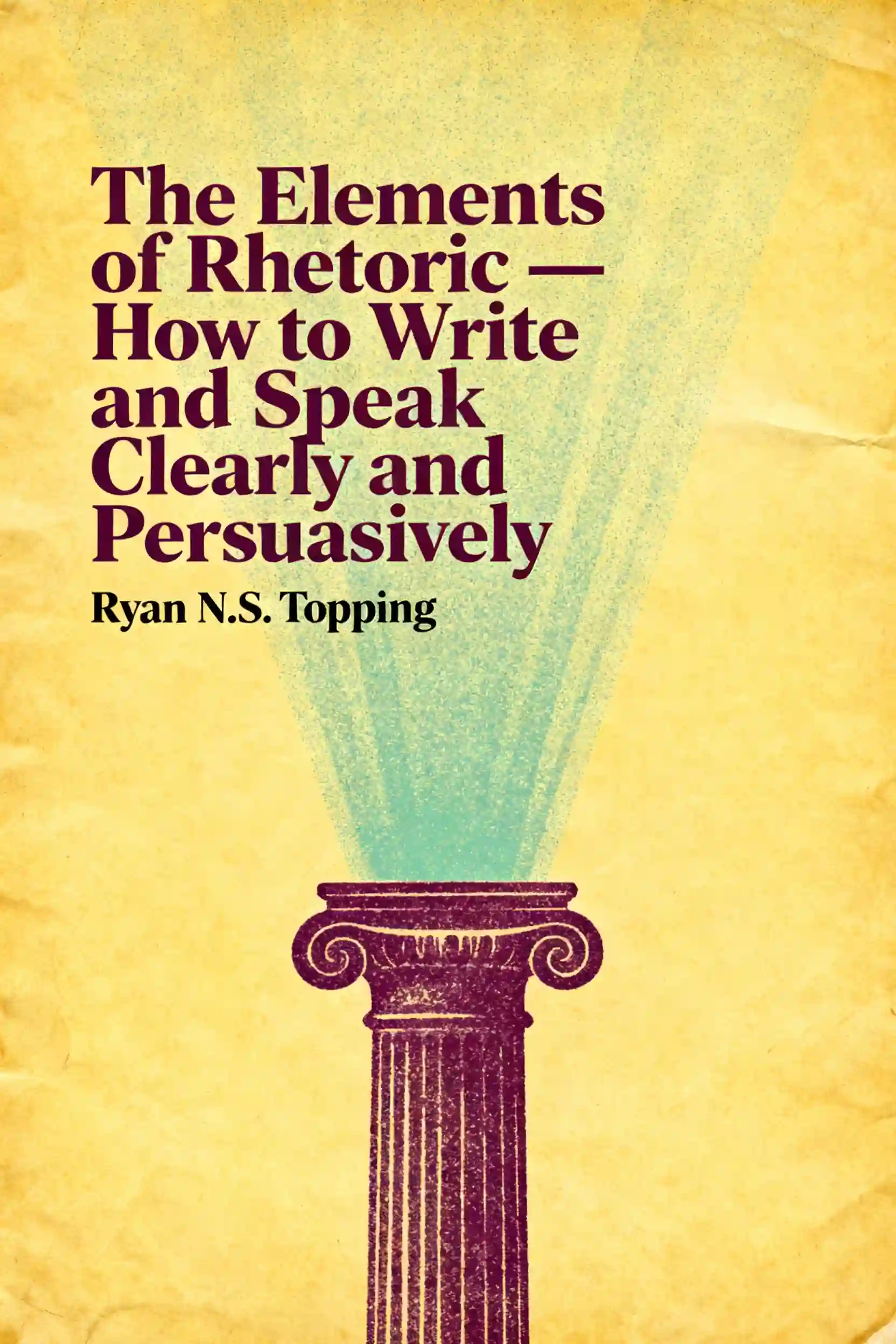
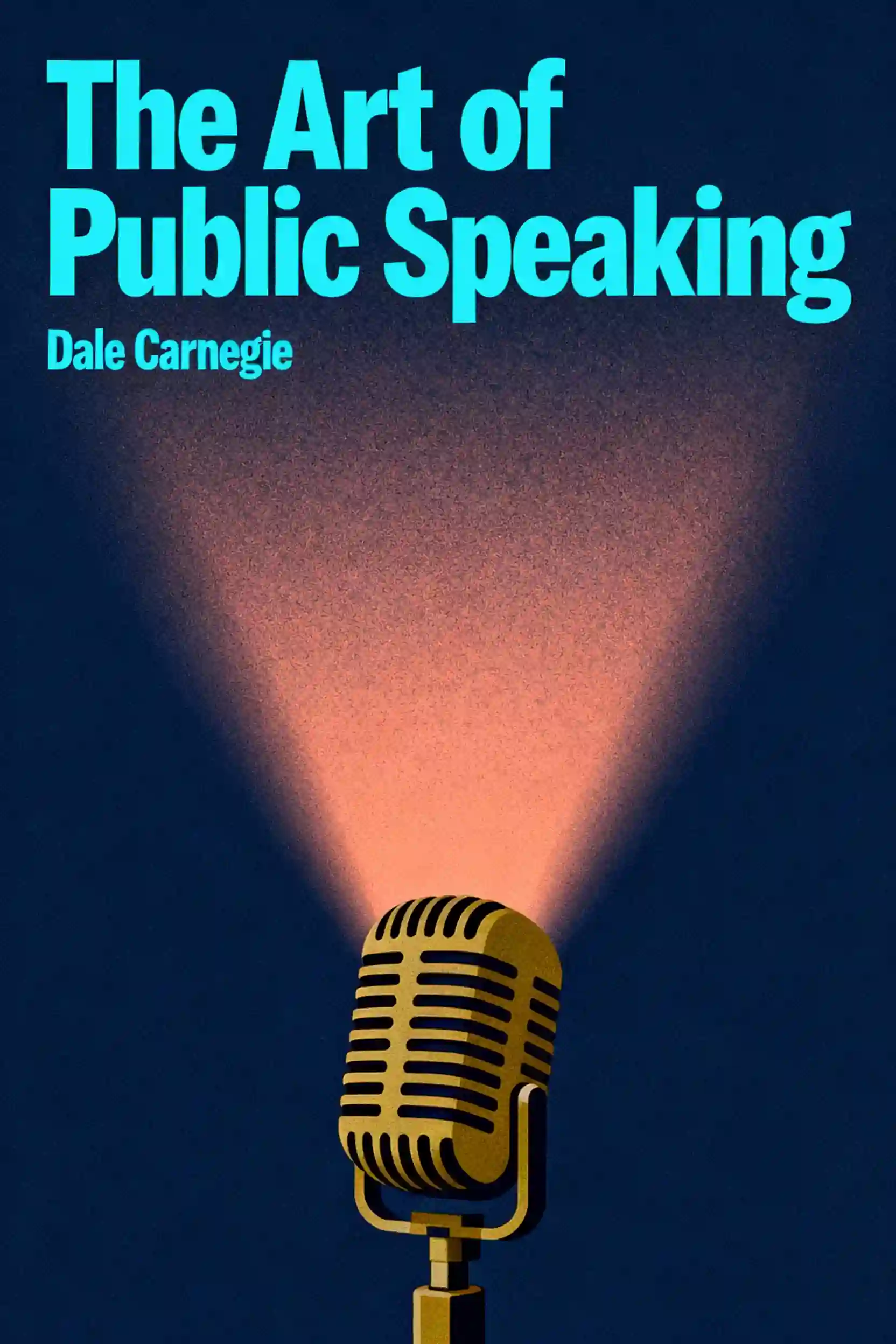
Books for confident, authoritative speaking
Confident, authoritative communication is the cornerstone of professional success and social influence, yet many capable people are overlooked simply because they don't sound certain or commanding. This learning plan is designed for professionals, leaders, and anyone who wants to be taken seriously—whether you're navigating career advancement, leading teams, or simply want your ideas to carry weight in any room you enter.

Command the Room and the Moment
This learning plan is designed for professionals who need to assert their presence and handle high-stakes communication with composure. It is ideal for emerging leaders and managers who want to master both the physical and emotional aspects of authoritative speaking.

Improve professional speech and articulation
In today's competitive landscape, clear and authoritative communication is a prerequisite for leadership. This plan is designed for professionals and aspiring executives who want to transform their vocal delivery from hesitant to commanding.

Master London accent & fluent English grammar
This learning plan is designed for non-native speakers and professionals aiming to command authority through refined British speech. It bridges the gap between technical grammar knowledge and the vocal artistry required for a sophisticated London accent.

Speaking English in British accent
This plan is designed for non-native speakers and actors looking to master the prestigious Received Pronunciation. It bridges the gap between technical articulation and cultural nuance, making it ideal for professionals seeking to enhance their international presence.

Master Reading, Writing & Pronunciation
Effective communication is the cornerstone of professional and personal success, yet few master the synergy between reading, writing, and speaking. This plan is designed for individuals looking to refine their presence and clarity, from foundational literacy to advanced vocal command.

Master Eloquent Speech and Vocabulary
This plan is designed for professionals and aspiring leaders who want to transform their communication from functional to formidable. By blending vocal mechanics with classical rhetoric, it provides the tools necessary to command authority in any setting.

Commanding Presence and Vocal Control
This learning plan is designed for professionals who need to communicate with impact under pressure. It bridges the gap between physical vocal technique and psychological confidence, making it ideal for leaders, presenters, and anyone looking to project more authority in the workplace.
Cree par des anciens de Columbia University a San Francisco
"Instead of endless scrolling, I just hit play on BeFreed. It saves me so much time."


"I never knew where to start with nonfiction—BeFreed’s book lists turned into podcasts gave me a clear path."


"Perfect balance between learning and entertainment. Finished ‘Thinking, Fast and Slow’ on my commute this week."
"Crazy how much I learned while walking the dog. BeFreed = small habits → big gains."
"Reading used to feel like a chore. Now it’s just part of my lifestyle."

"Feels effortless compared to reading. I’ve finished 6 books this month already."
"BeFreed turned my guilty doomscrolling into something that feels productive and inspiring."

"BeFreed turned my commute into learning time. 20-min podcasts are perfect for finishing books I never had time for."
"BeFreed replaced my podcast queue. Imagine Spotify for books — that’s it. 🙌"

"It is great for me to learn something from the book without reading it."
"The themed book list podcasts help me connect ideas across authors—like a guided audio journey."
"Makes me feel smarter every time before going to work"
Cree par des anciens de Columbia University a San Francisco
"Instead of endless scrolling, I just hit play on BeFreed. It saves me so much time."
"I never knew where to start with nonfiction—BeFreed’s book lists turned into podcasts gave me a clear path."
"Perfect balance between learning and entertainment. Finished ‘Thinking, Fast and Slow’ on my commute this week."
"Crazy how much I learned while walking the dog. BeFreed = small habits → big gains."
"Reading used to feel like a chore. Now it’s just part of my lifestyle."
"Feels effortless compared to reading. I’ve finished 6 books this month already."
"BeFreed turned my guilty doomscrolling into something that feels productive and inspiring."
"BeFreed turned my commute into learning time. 20-min podcasts are perfect for finishing books I never had time for."
"BeFreed replaced my podcast queue. Imagine Spotify for books — that’s it. 🙌"
"It is great for me to learn something from the book without reading it."
"The themed book list podcasts help me connect ideas across authors—like a guided audio journey."
"Makes me feel smarter every time before going to work"
"Instead of endless scrolling, I just hit play on BeFreed. It saves me so much time."
"I never knew where to start with nonfiction—BeFreed’s book lists turned into podcasts gave me a clear path."
"Perfect balance between learning and entertainment. Finished ‘Thinking, Fast and Slow’ on my commute this week."
"Crazy how much I learned while walking the dog. BeFreed = small habits → big gains."
"Reading used to feel like a chore. Now it’s just part of my lifestyle."
"Feels effortless compared to reading. I’ve finished 6 books this month already."
"BeFreed turned my guilty doomscrolling into something that feels productive and inspiring."
"BeFreed turned my commute into learning time. 20-min podcasts are perfect for finishing books I never had time for."
"BeFreed replaced my podcast queue. Imagine Spotify for books — that’s it. 🙌"
"It is great for me to learn something from the book without reading it."
"The themed book list podcasts help me connect ideas across authors—like a guided audio journey."
"Makes me feel smarter every time before going to work"
"Instead of endless scrolling, I just hit play on BeFreed. It saves me so much time."
"I never knew where to start with nonfiction—BeFreed’s book lists turned into podcasts gave me a clear path."
"Perfect balance between learning and entertainment. Finished ‘Thinking, Fast and Slow’ on my commute this week."
"Crazy how much I learned while walking the dog. BeFreed = small habits → big gains."
"Reading used to feel like a chore. Now it’s just part of my lifestyle."
"Feels effortless compared to reading. I’ve finished 6 books this month already."
"BeFreed turned my guilty doomscrolling into something that feels productive and inspiring."
"BeFreed turned my commute into learning time. 20-min podcasts are perfect for finishing books I never had time for."
"BeFreed replaced my podcast queue. Imagine Spotify for books — that’s it. 🙌"
"It is great for me to learn something from the book without reading it."
"The themed book list podcasts help me connect ideas across authors—like a guided audio journey."
"Makes me feel smarter every time before going to work"