Language learning patterns are easier than memorizing
Stop treating every new word like an island. Learn how universal grammar rules and structural patterns help you bypass the frustrating plateau.

Meilleure citation de Language learning patterns are easier than memorizing
When we stop rote memorizing and start looking for these 'Beacons' and 'Anchors'—the structural patterns that stabilize meaning—we can actually bypass that frustrating intermediate plateau and turn a massive memory task into a predictable system.
Generated by Elliott
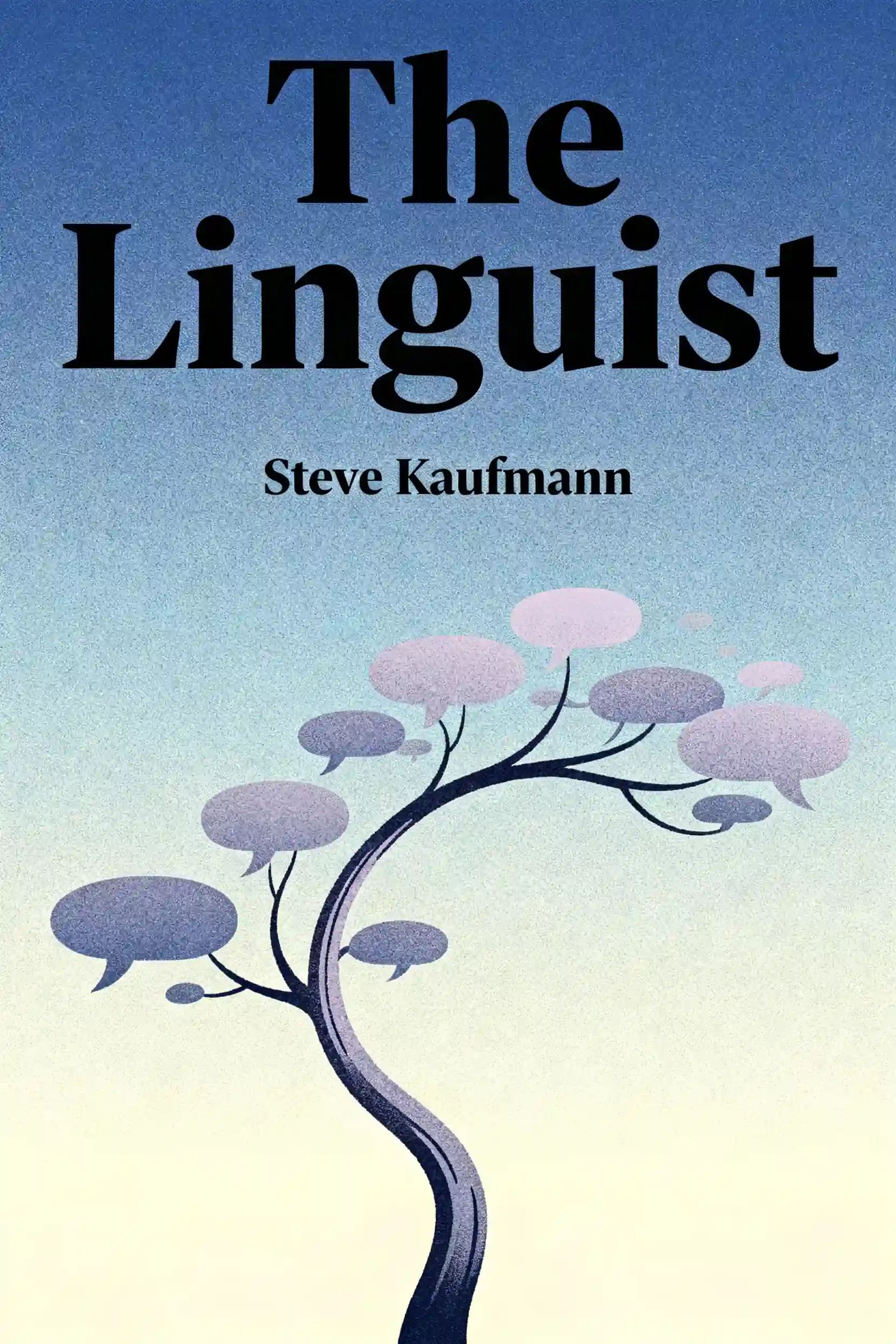
Primary patterns for learning languages. Learning to identify patterns amongst languages to learn them quicker rather than memorizing everything individually

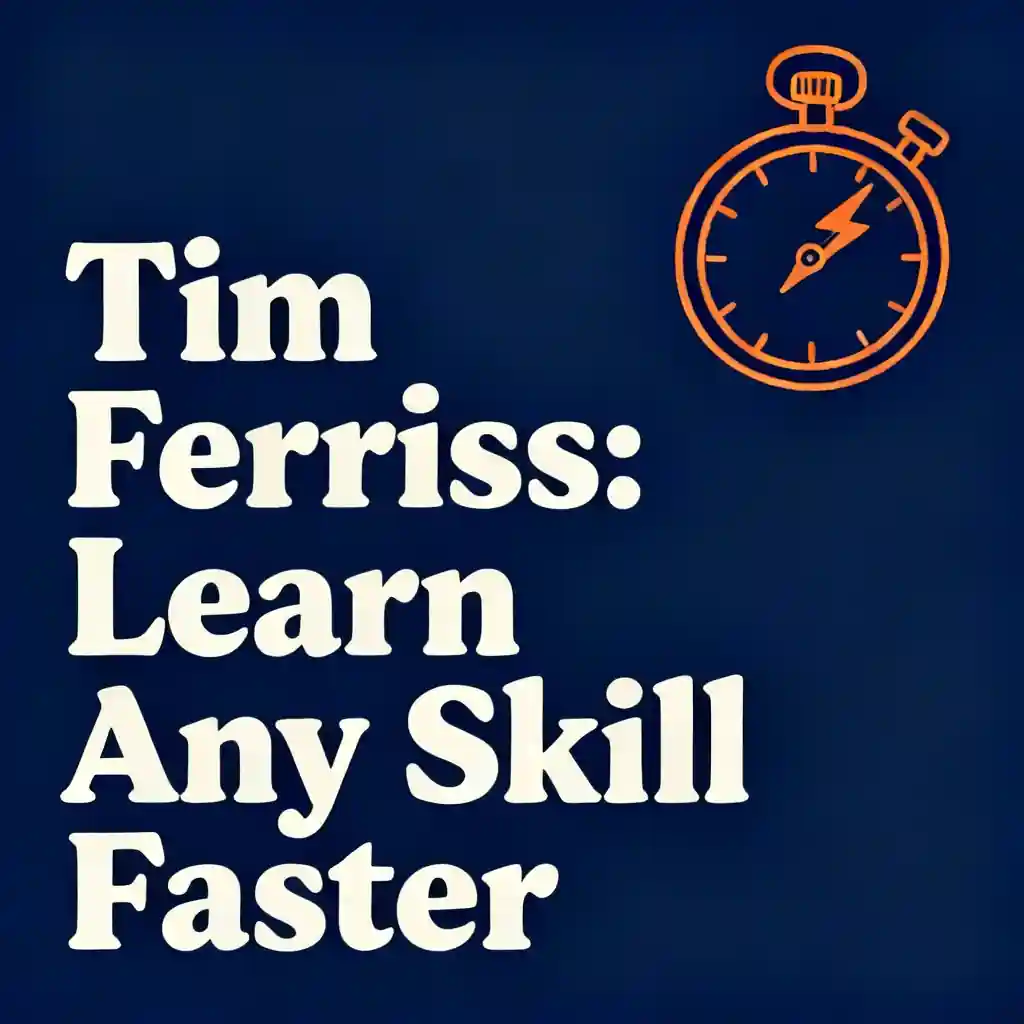
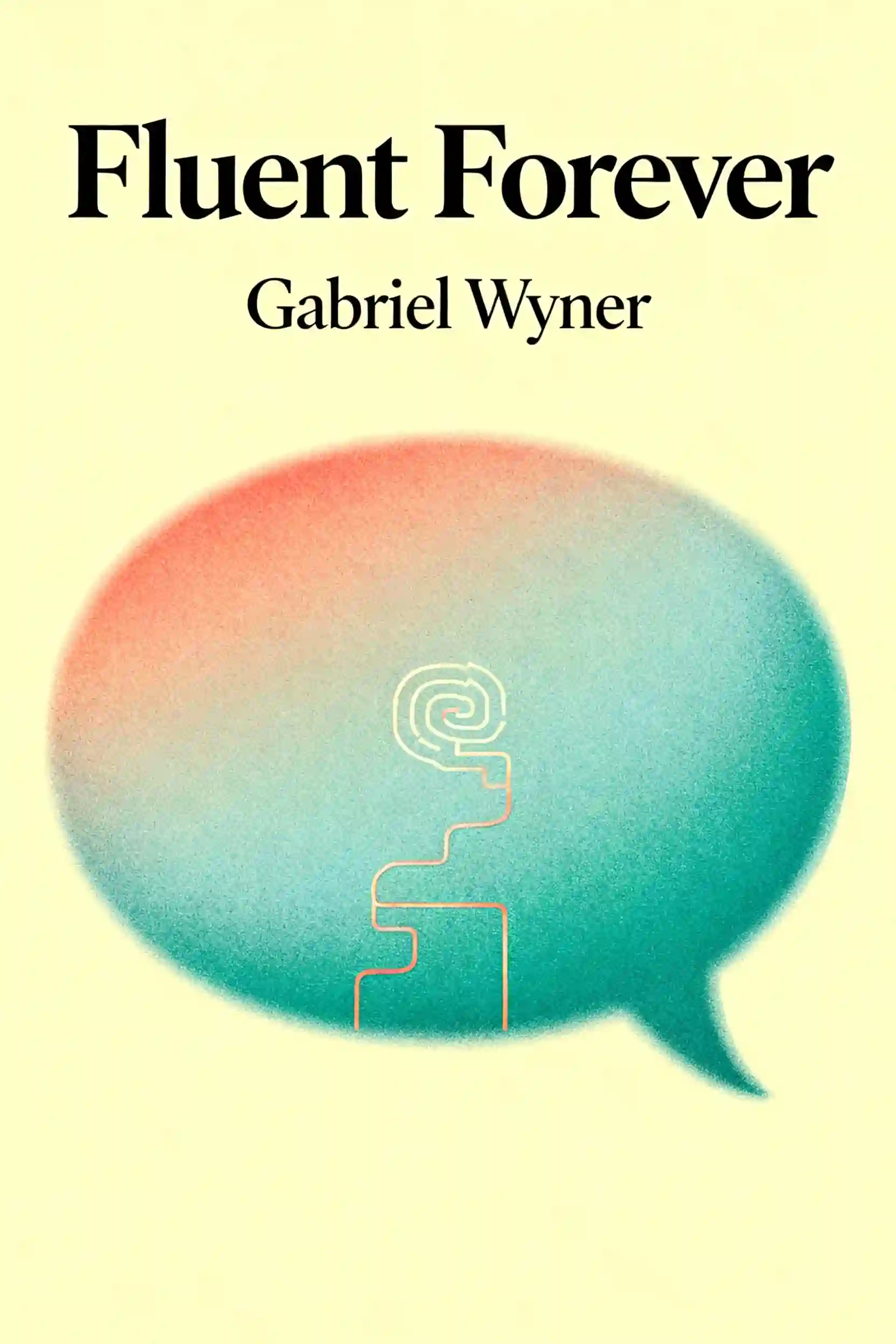
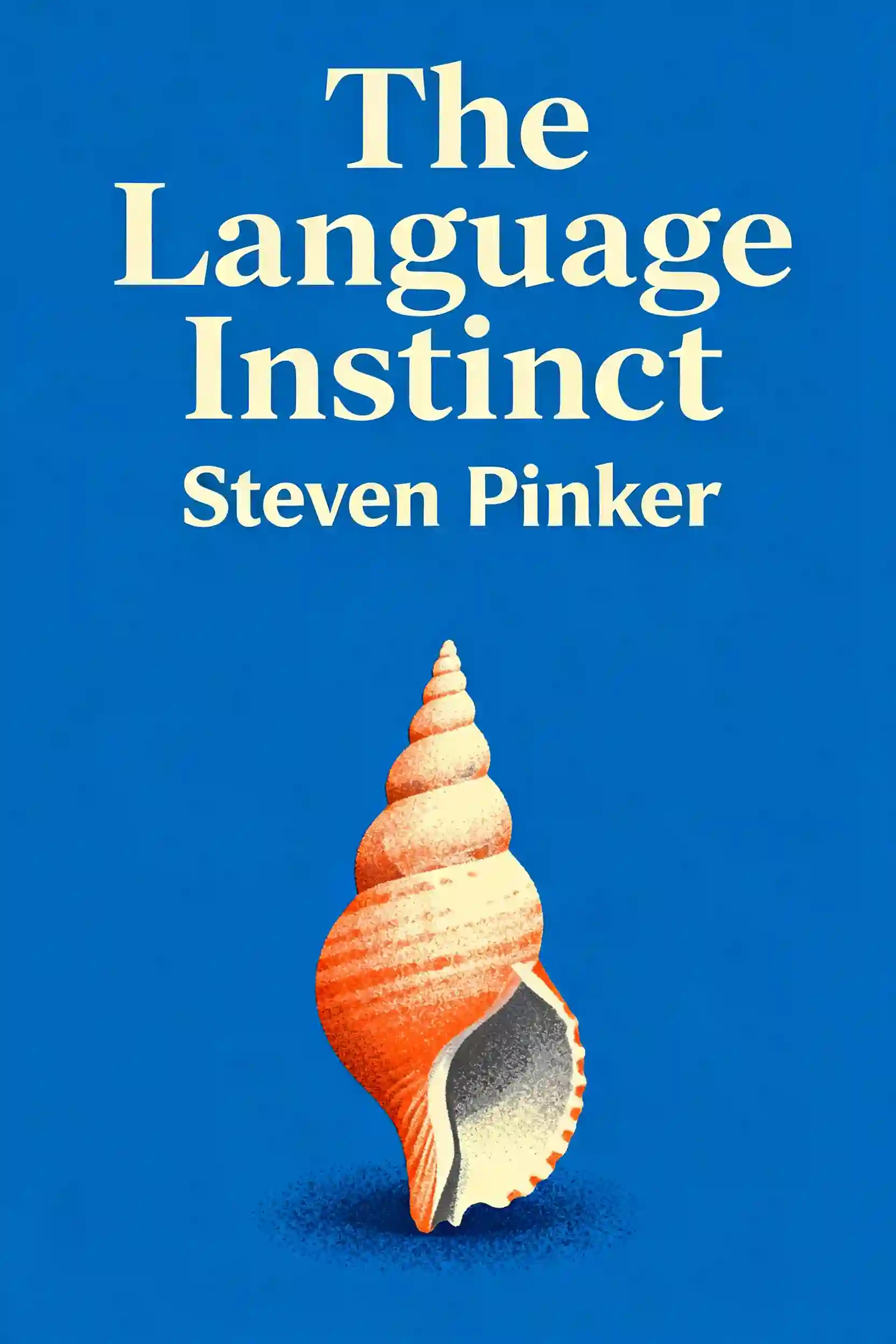
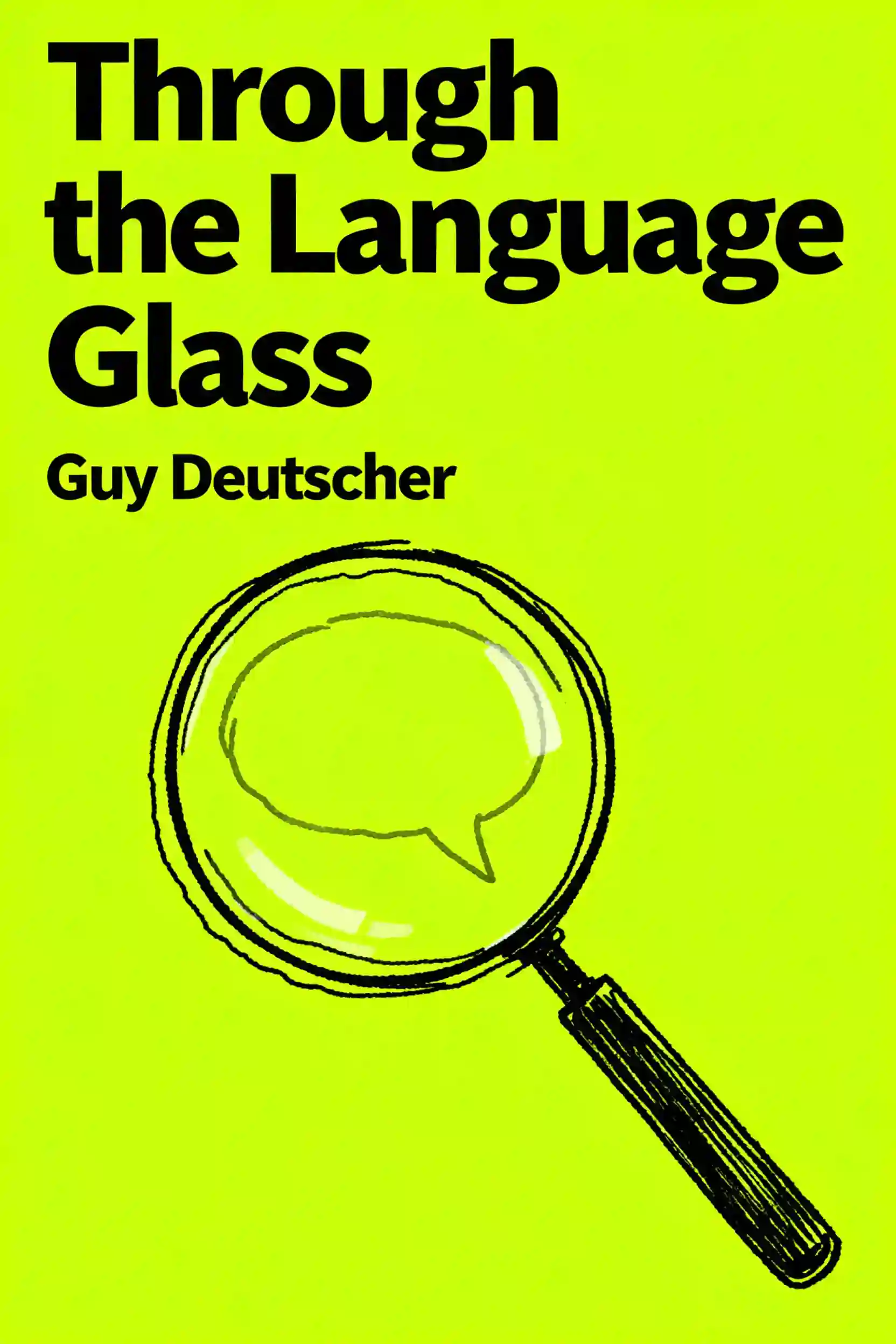
Foire aux questions
The Entropy Trap refers to the "brain fog" or high-entropy noise a learner experiences when looking at a foreign language they don't understand. Because the human brain has a limited "Channel Capacity" or working memory, it acts as a defense mechanism by deleting signals it cannot immediately map to a meaning. If a learner tries to memorize words without anchoring them to a structural pattern, the brain classifies that information as useless clutter and filters it out, leading to the feeling of having a "bad memory."
Contrary to the traditional idea that bilinguals have two separate "files" for different languages, the Unitary Idiolect theory suggests that the brain stores all linguistic features in one giant, interconnected network. Research using Social Network Analysis shows that sounds are organized by their physical properties rather than their nationality, forming a "Bilingual Phonological Spider Web." This means learners can use "Cognates"—words with common ancestors—as natural bridges to activate nodes that already exist in their mental model, rather than learning everything from scratch.
Treating Chinese characters as indivisible pictures leads to a "Cognitive Ceiling" where the memory eventually fails to keep up with the volume of unique images. Instead, the script should be viewed as a "two-dimensional assembly" of Radices (radicals) that encode meaning rather than sound. By learning the approximately 300 building blocks that make up the "Phonics of Chinese," learners can move from rote memorization to "Deep Code Reuse," where recognizing a single radical provides a "Beacon" for the meaning of many different characters.
Phrase Frames are "ready-made multiword units" or "chunks" that the brain processes as a single piece of data rather than individual words. Using these pre-assembled modules reduces the cognitive load on a speaker's "Channel Capacity," allowing them to focus on the content of their message rather than grammatical assembly. By using "Substitution Drills" to swap specific words into these stable frames, learners can achieve "Neural Automaticity," making their speech sound more natural and reducing the hesitation caused by building sentences from scratch.
Contrastive Pairs are used to clarify functional boundaries between concepts that are confusingly similar, such as the Spanish verbs "ser" and "estar." By isolating one meaningful difference between two near-identical sentences, the learner reduces noise and sharpens their attention on how a small formal change impacts meaning. This strategy prevents "Overgeneralization" and helps the brain "Lock-on" to specific grammatical rules after the learner has already been exposed to the language in context.
Cree par des anciens de Columbia University a San Francisco
"Instead of endless scrolling, I just hit play on BeFreed. It saves me so much time."


"I never knew where to start with nonfiction—BeFreed’s book lists turned into podcasts gave me a clear path."


"Perfect balance between learning and entertainment. Finished ‘Thinking, Fast and Slow’ on my commute this week."
"Crazy how much I learned while walking the dog. BeFreed = small habits → big gains."
"Reading used to feel like a chore. Now it’s just part of my lifestyle."

"Feels effortless compared to reading. I’ve finished 6 books this month already."
"BeFreed turned my guilty doomscrolling into something that feels productive and inspiring."

"BeFreed turned my commute into learning time. 20-min podcasts are perfect for finishing books I never had time for."
"BeFreed replaced my podcast queue. Imagine Spotify for books — that’s it. 🙌"

"It is great for me to learn something from the book without reading it."
"The themed book list podcasts help me connect ideas across authors—like a guided audio journey."
"Makes me feel smarter every time before going to work"
Cree par des anciens de Columbia University a San Francisco
"Instead of endless scrolling, I just hit play on BeFreed. It saves me so much time."
"I never knew where to start with nonfiction—BeFreed’s book lists turned into podcasts gave me a clear path."
"Perfect balance between learning and entertainment. Finished ‘Thinking, Fast and Slow’ on my commute this week."
"Crazy how much I learned while walking the dog. BeFreed = small habits → big gains."
"Reading used to feel like a chore. Now it’s just part of my lifestyle."
"Feels effortless compared to reading. I’ve finished 6 books this month already."
"BeFreed turned my guilty doomscrolling into something that feels productive and inspiring."
"BeFreed turned my commute into learning time. 20-min podcasts are perfect for finishing books I never had time for."
"BeFreed replaced my podcast queue. Imagine Spotify for books — that’s it. 🙌"
"It is great for me to learn something from the book without reading it."
"The themed book list podcasts help me connect ideas across authors—like a guided audio journey."
"Makes me feel smarter every time before going to work"
"Instead of endless scrolling, I just hit play on BeFreed. It saves me so much time."
"I never knew where to start with nonfiction—BeFreed’s book lists turned into podcasts gave me a clear path."
"Perfect balance between learning and entertainment. Finished ‘Thinking, Fast and Slow’ on my commute this week."
"Crazy how much I learned while walking the dog. BeFreed = small habits → big gains."
"Reading used to feel like a chore. Now it’s just part of my lifestyle."
"Feels effortless compared to reading. I’ve finished 6 books this month already."
"BeFreed turned my guilty doomscrolling into something that feels productive and inspiring."
"BeFreed turned my commute into learning time. 20-min podcasts are perfect for finishing books I never had time for."
"BeFreed replaced my podcast queue. Imagine Spotify for books — that’s it. 🙌"
"It is great for me to learn something from the book without reading it."
"The themed book list podcasts help me connect ideas across authors—like a guided audio journey."
"Makes me feel smarter every time before going to work"
"Instead of endless scrolling, I just hit play on BeFreed. It saves me so much time."
"I never knew where to start with nonfiction—BeFreed’s book lists turned into podcasts gave me a clear path."
"Perfect balance between learning and entertainment. Finished ‘Thinking, Fast and Slow’ on my commute this week."
"Crazy how much I learned while walking the dog. BeFreed = small habits → big gains."
"Reading used to feel like a chore. Now it’s just part of my lifestyle."
"Feels effortless compared to reading. I’ve finished 6 books this month already."
"BeFreed turned my guilty doomscrolling into something that feels productive and inspiring."
"BeFreed turned my commute into learning time. 20-min podcasts are perfect for finishing books I never had time for."
"BeFreed replaced my podcast queue. Imagine Spotify for books — that’s it. 🙌"
"It is great for me to learn something from the book without reading it."
"The themed book list podcasts help me connect ideas across authors—like a guided audio journey."
"Makes me feel smarter every time before going to work"