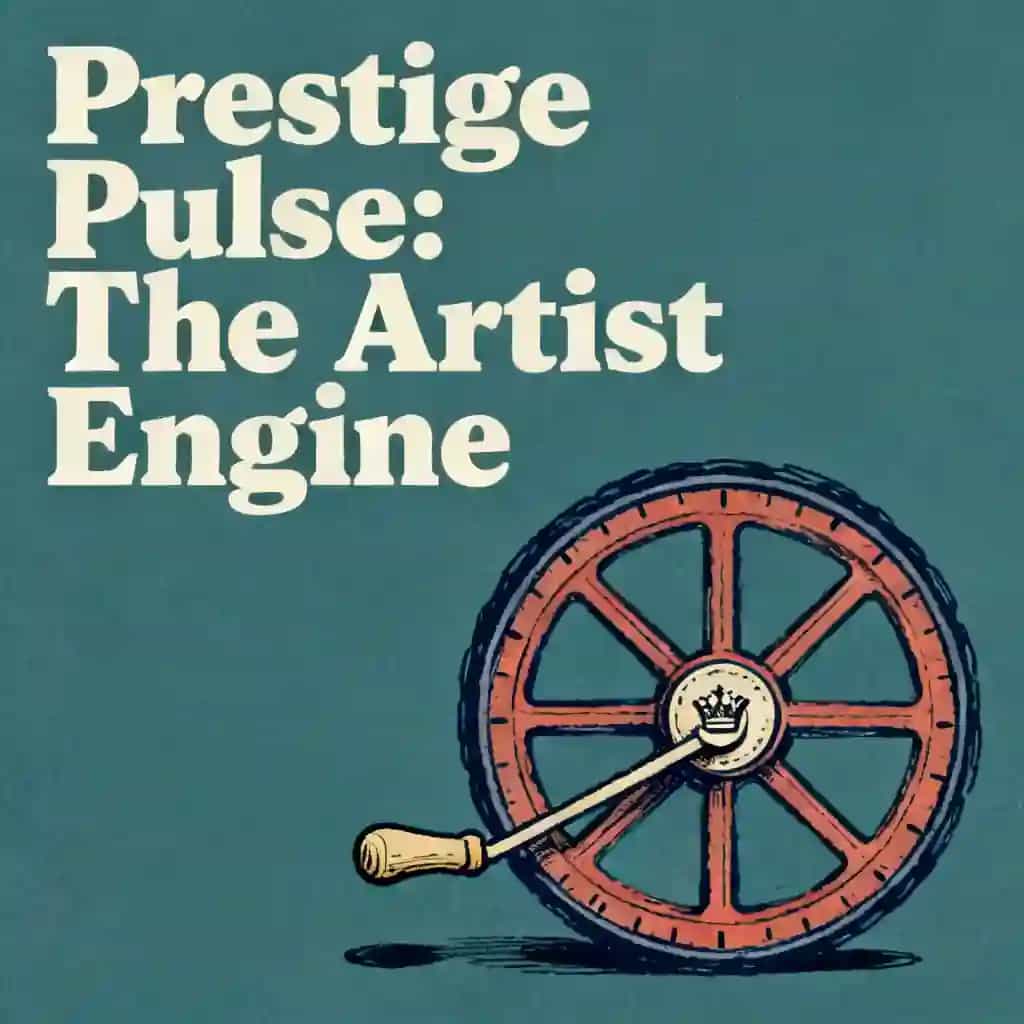
K팝 디자인 혁명: 음악을 넘어선 시각 예술
K팝이 어떻게 음악을 넘어 글로벌 디자인 트렌드를 이끄는 문화 현상이 되었는지, 그 비주얼 전략과 창작 과정을 심층 분석합니다.

Meilleure citation de K팝 디자인 혁명: 음악을 넘어선 시각 예술
K-pop has demonstrated that visual design can be a universal language that transcends cultural and linguistic barriers. It is not just decoration—it's infrastructure for human connection.

Cette leçon audio a été créée par un membre de la communauté BeFreed
kpop industry music and design

Découvrir plus

Apply Neuroplasticity to Design Innovation
This program bridges the gap between cognitive science and practical problem-solving for professionals in creative and strategic roles. It is ideal for designers, engineers, and leaders looking to harness the brain's physical adaptability to foster a culture of breakthrough thinking.

The Design Student's Social Playbook
This plan is essential for design students who want to bridge the gap between academic theory and real-world social influence. It benefits emerging creatives looking to build professional authority while remaining authentic to modern digital culture.

Learn about product design
Product design is the cornerstone of creating solutions that truly resonate with users while achieving business objectives. This learning plan equips professionals with the essential skills to create intuitive, innovative products through user-centered methodologies and strategic thinking.

Paper Couture and Social Arts
This learning plan bridges the gap between sculptural craft and performance art, making it ideal for aspiring designers and community organizers. It offers a unique path to mastering avant-garde construction while using fashion as a tool for social engagement.

The Psychology of Daily Dress
This learning plan bridge the gap between fashion and neuroscience, revealing how our wardrobe choices dictate our internal state and social standing. It is essential for designers, psychologists, and anyone seeking to use personal style as a tool for cognitive and emotional empowerment.

design!
This comprehensive design learning path is essential for anyone looking to build or elevate their design career in today's innovation-driven landscape. It's ideal for aspiring designers seeking structured skill development, product managers wanting to think more like designers, entrepreneurs needing to create user-centered solutions, and experienced designers aiming to reach strategic leadership levels. The curriculum bridges foundational knowledge with cutting-edge practice, ensuring you're prepared for both current design challenges and future AI-integrated workflows.

make technically difficult music
This learning plan is designed for serious musicians who want to break through technical plateaus and perform challenging repertoire with confidence. Whether you're struggling with fast passages, complex rhythms, or performance anxiety, this systematic approach combines cutting-edge practice science with performance psychology to unlock your highest potential. Perfect for intermediate to advanced players ready to move beyond mindless repetition toward intelligent, transformative practice.

design early career
Breaking into the design industry requires more than just creative talent—it demands a strategic approach to skill building, portfolio development, and professional positioning. This learning plan provides early-career designers with the essential foundations and practical techniques needed to establish credibility and advance in competitive design fields.
Cree par des anciens de Columbia University a San Francisco
"Instead of endless scrolling, I just hit play on BeFreed. It saves me so much time."


"I never knew where to start with nonfiction—BeFreed’s book lists turned into podcasts gave me a clear path."


"Perfect balance between learning and entertainment. Finished ‘Thinking, Fast and Slow’ on my commute this week."
"Crazy how much I learned while walking the dog. BeFreed = small habits → big gains."
"Reading used to feel like a chore. Now it’s just part of my lifestyle."

"Feels effortless compared to reading. I’ve finished 6 books this month already."
"BeFreed turned my guilty doomscrolling into something that feels productive and inspiring."

"BeFreed turned my commute into learning time. 20-min podcasts are perfect for finishing books I never had time for."
"BeFreed replaced my podcast queue. Imagine Spotify for books — that’s it. 🙌"

"It is great for me to learn something from the book without reading it."
"The themed book list podcasts help me connect ideas across authors—like a guided audio journey."
"Makes me feel smarter every time before going to work"
Cree par des anciens de Columbia University a San Francisco
"Instead of endless scrolling, I just hit play on BeFreed. It saves me so much time."
"I never knew where to start with nonfiction—BeFreed’s book lists turned into podcasts gave me a clear path."
"Perfect balance between learning and entertainment. Finished ‘Thinking, Fast and Slow’ on my commute this week."
"Crazy how much I learned while walking the dog. BeFreed = small habits → big gains."
"Reading used to feel like a chore. Now it’s just part of my lifestyle."
"Feels effortless compared to reading. I’ve finished 6 books this month already."
"BeFreed turned my guilty doomscrolling into something that feels productive and inspiring."
"BeFreed turned my commute into learning time. 20-min podcasts are perfect for finishing books I never had time for."
"BeFreed replaced my podcast queue. Imagine Spotify for books — that’s it. 🙌"
"It is great for me to learn something from the book without reading it."
"The themed book list podcasts help me connect ideas across authors—like a guided audio journey."
"Makes me feel smarter every time before going to work"
"Instead of endless scrolling, I just hit play on BeFreed. It saves me so much time."
"I never knew where to start with nonfiction—BeFreed’s book lists turned into podcasts gave me a clear path."
"Perfect balance between learning and entertainment. Finished ‘Thinking, Fast and Slow’ on my commute this week."
"Crazy how much I learned while walking the dog. BeFreed = small habits → big gains."
"Reading used to feel like a chore. Now it’s just part of my lifestyle."
"Feels effortless compared to reading. I’ve finished 6 books this month already."
"BeFreed turned my guilty doomscrolling into something that feels productive and inspiring."
"BeFreed turned my commute into learning time. 20-min podcasts are perfect for finishing books I never had time for."
"BeFreed replaced my podcast queue. Imagine Spotify for books — that’s it. 🙌"
"It is great for me to learn something from the book without reading it."
"The themed book list podcasts help me connect ideas across authors—like a guided audio journey."
"Makes me feel smarter every time before going to work"
"Instead of endless scrolling, I just hit play on BeFreed. It saves me so much time."
"I never knew where to start with nonfiction—BeFreed’s book lists turned into podcasts gave me a clear path."
"Perfect balance between learning and entertainment. Finished ‘Thinking, Fast and Slow’ on my commute this week."
"Crazy how much I learned while walking the dog. BeFreed = small habits → big gains."
"Reading used to feel like a chore. Now it’s just part of my lifestyle."
"Feels effortless compared to reading. I’ve finished 6 books this month already."
"BeFreed turned my guilty doomscrolling into something that feels productive and inspiring."
"BeFreed turned my commute into learning time. 20-min podcasts are perfect for finishing books I never had time for."
"BeFreed replaced my podcast queue. Imagine Spotify for books — that’s it. 🙌"
"It is great for me to learn something from the book without reading it."
"The themed book list podcasts help me connect ideas across authors—like a guided audio journey."
"Makes me feel smarter every time before going to work"