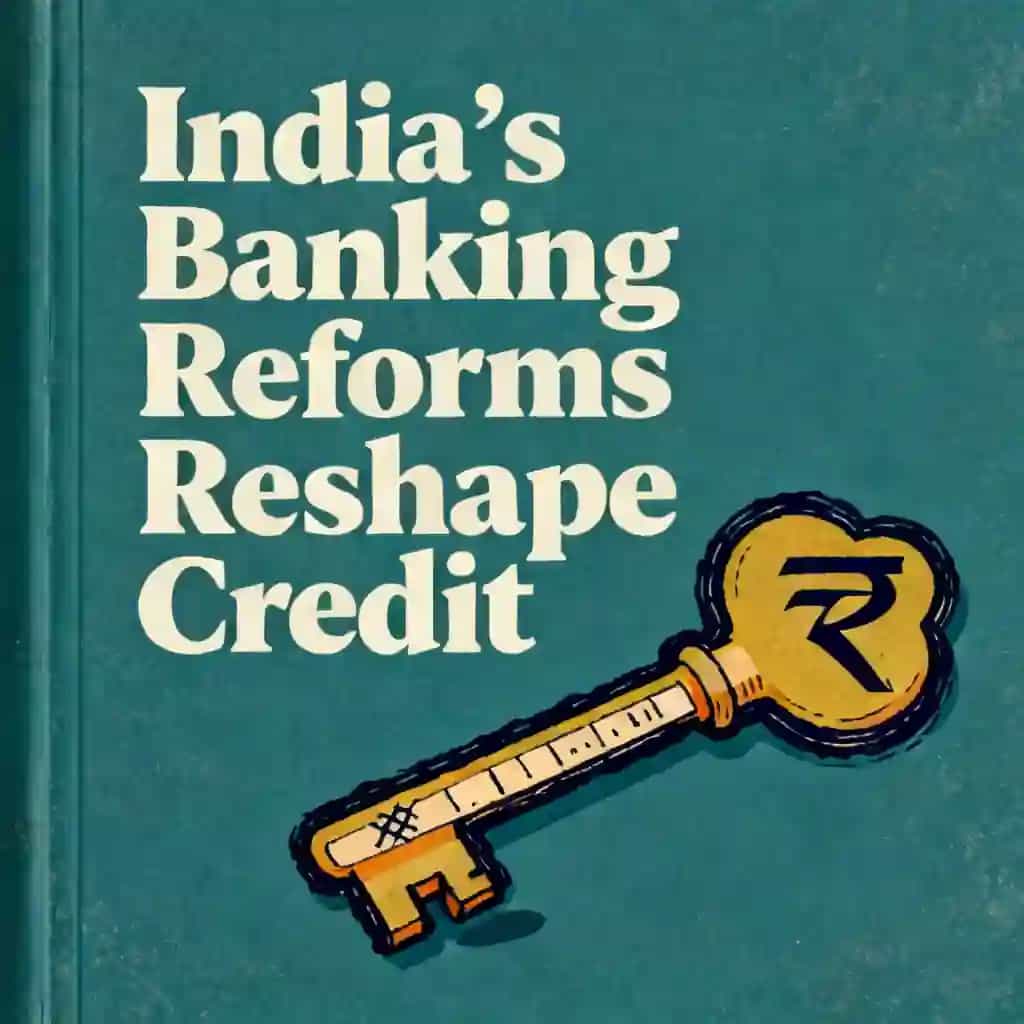
Investment Opportunities in India: FDI, Portfolio and Ease of Business
Explore investment opportunities in India, from FDI and portfolio investments to the country's evolving ease of doing business and economic growth strategies.

Meilleure citation de Investment Opportunities in India: FDI, Portfolio and Ease of Business
India is replacing a 'broad sword' approach to investment restrictions with a 'targeted scalpel,' balancing the need for high-tech growth with strategic national security control.
Generated by VIKASH KUMAR JAIN
This subtopic would discuss various investment opportunities available in India, including foreign direct investment (FDI), portfolio investment, and the country's efforts to improve its ease of doing business to attract more investments.




Foire aux questions
India offers a diverse range of investment opportunities for both domestic and international investors, primarily categorized into Foreign Direct Investment (FDI) and portfolio investment. FDI allows for long-term stakes in sectors like manufacturing and technology, while portfolio investment focuses on the Indian capital markets. The government's ongoing efforts to improve the ease of doing business make the Indian economy an increasingly attractive destination for those looking to diversify their global assets.
The Indian government has implemented several strategic reforms aimed at simplifying regulatory frameworks and reducing bureaucratic hurdles to attract more foreign investment. These initiatives focus on streamlining the startup process, improving infrastructure, and creating a more transparent legal environment. By enhancing the ease of doing business, India aims to foster a more competitive market that encourages multinational corporations to establish a significant presence within the country's growing economy.
Foreign Direct Investment (FDI) in India involves a long-term commitment where a foreign entity invests directly in Indian business operations or infrastructure. In contrast, portfolio investment refers to the purchase of Indian shares, bonds, or other financial assets without taking direct control over company operations. Both play a vital role in the Indian economy, providing the necessary capital for industrial growth and market liquidity while offering different risk and return profiles for investors.
Cree par des anciens de Columbia University a San Francisco
"Instead of endless scrolling, I just hit play on BeFreed. It saves me so much time."


"I never knew where to start with nonfiction—BeFreed’s book lists turned into podcasts gave me a clear path."


"Perfect balance between learning and entertainment. Finished ‘Thinking, Fast and Slow’ on my commute this week."
"Crazy how much I learned while walking the dog. BeFreed = small habits → big gains."
"Reading used to feel like a chore. Now it’s just part of my lifestyle."

"Feels effortless compared to reading. I’ve finished 6 books this month already."
"BeFreed turned my guilty doomscrolling into something that feels productive and inspiring."

"BeFreed turned my commute into learning time. 20-min podcasts are perfect for finishing books I never had time for."
"BeFreed replaced my podcast queue. Imagine Spotify for books — that’s it. 🙌"

"It is great for me to learn something from the book without reading it."
"The themed book list podcasts help me connect ideas across authors—like a guided audio journey."
"Makes me feel smarter every time before going to work"
Cree par des anciens de Columbia University a San Francisco
"Instead of endless scrolling, I just hit play on BeFreed. It saves me so much time."
"I never knew where to start with nonfiction—BeFreed’s book lists turned into podcasts gave me a clear path."
"Perfect balance between learning and entertainment. Finished ‘Thinking, Fast and Slow’ on my commute this week."
"Crazy how much I learned while walking the dog. BeFreed = small habits → big gains."
"Reading used to feel like a chore. Now it’s just part of my lifestyle."
"Feels effortless compared to reading. I’ve finished 6 books this month already."
"BeFreed turned my guilty doomscrolling into something that feels productive and inspiring."
"BeFreed turned my commute into learning time. 20-min podcasts are perfect for finishing books I never had time for."
"BeFreed replaced my podcast queue. Imagine Spotify for books — that’s it. 🙌"
"It is great for me to learn something from the book without reading it."
"The themed book list podcasts help me connect ideas across authors—like a guided audio journey."
"Makes me feel smarter every time before going to work"
"Instead of endless scrolling, I just hit play on BeFreed. It saves me so much time."
"I never knew where to start with nonfiction—BeFreed’s book lists turned into podcasts gave me a clear path."
"Perfect balance between learning and entertainment. Finished ‘Thinking, Fast and Slow’ on my commute this week."
"Crazy how much I learned while walking the dog. BeFreed = small habits → big gains."
"Reading used to feel like a chore. Now it’s just part of my lifestyle."
"Feels effortless compared to reading. I’ve finished 6 books this month already."
"BeFreed turned my guilty doomscrolling into something that feels productive and inspiring."
"BeFreed turned my commute into learning time. 20-min podcasts are perfect for finishing books I never had time for."
"BeFreed replaced my podcast queue. Imagine Spotify for books — that’s it. 🙌"
"It is great for me to learn something from the book without reading it."
"The themed book list podcasts help me connect ideas across authors—like a guided audio journey."
"Makes me feel smarter every time before going to work"
"Instead of endless scrolling, I just hit play on BeFreed. It saves me so much time."
"I never knew where to start with nonfiction—BeFreed’s book lists turned into podcasts gave me a clear path."
"Perfect balance between learning and entertainment. Finished ‘Thinking, Fast and Slow’ on my commute this week."
"Crazy how much I learned while walking the dog. BeFreed = small habits → big gains."
"Reading used to feel like a chore. Now it’s just part of my lifestyle."
"Feels effortless compared to reading. I’ve finished 6 books this month already."
"BeFreed turned my guilty doomscrolling into something that feels productive and inspiring."
"BeFreed turned my commute into learning time. 20-min podcasts are perfect for finishing books I never had time for."
"BeFreed replaced my podcast queue. Imagine Spotify for books — that’s it. 🙌"
"It is great for me to learn something from the book without reading it."
"The themed book list podcasts help me connect ideas across authors—like a guided audio journey."
"Makes me feel smarter every time before going to work"