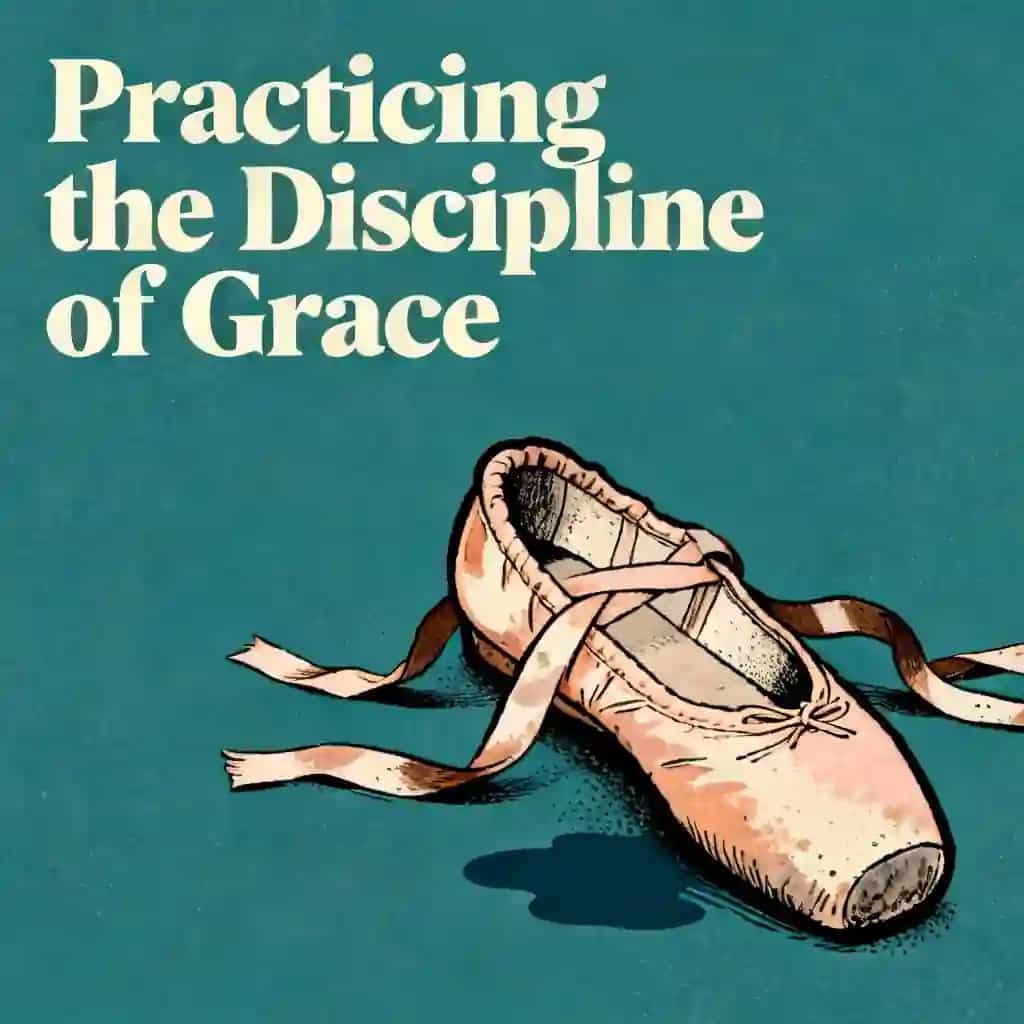
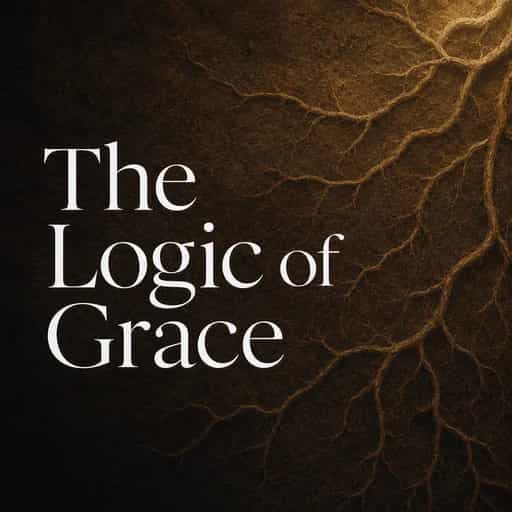
Is grace a free gift or a call to change? Explore the tension between faith and works to find a deeper sense of peace and purpose in your daily life.
Meilleure citation de How God’s Grace Actually Works
“
We are more flawed and sinful than we ever dared believe, yet we are more loved and accepted than we ever dared hope.
”
A
Generated by Angelo
Question posée
The grace of God
Voix des présentateurs
Jackson
Blythe
Sources de connaissances
Foire aux questions
This distinction represents a major historical divide between Protestant and Catholic theology. Imputed righteousness, a core Protestant belief, suggests that a believer is legally declared righteous because Christ’s perfection is credited to their account, even while they remain a sinner in practice. In contrast, the Catholic view of infused righteousness suggests that God’s grace is poured into a person, transforming their internal nature and requiring their active cooperation through sacraments and good works to grow in holiness.
The Five Solas serve as "defining markers" or "rails on a fence" that protect the core of the Gospel message. They establish that Scripture is the final authority (Sola Scriptura), salvation is a gift of grace (Sola Gratia) received through faith alone (Sola Fide), mediated solely by Christ (Solus Christus), and intended entirely for God’s glory (Soli Deo Gloria). Together, they shift the focus of salvation from human effort or church tradition to the finished work of God.
The head-heart gap is a form of doctrinal-experiential disintegration where a person intellectually believes that God forgives sins but does not subjectively "feel" forgiven or at peace. This often results in lingering guilt or "scrupulosity." It can be addressed through "relational spirituality" and structured processes like the RECEIVE framework, which helps individuals move from mere intellectual assent to internalizing absolution through scriptural anchoring, confronting sin, and making amends.
The two fields intersect through the study of human flourishing and the "supernatural existential," which suggests humans have an innate orientation toward the divine. While psychology identifies "intentional activities" like practicing gratitude, altruism, and savoring experiences as keys to happiness, theology views these same practices as ways to cooperate with and respond to God's grace. In this view, grace provides the "soil" or foundation for life, while psychological habits act as the "gardening" that allows a person to flourish.
Free Grace Theology is a specific perspective asserting that eternal life is a completely free gift received through "intellectual assent" to Jesus’s promise, with no strings attached. Unlike the Reformed view, which argues that true faith must inevitably produce good works to prove salvation, or the Arminian view, which suggests grace can be lost, Free Grace proponents argue that even a believer who fails significantly remains saved. They distinguish between the "gift" of salvation, which is free, and "rewards" in heaven, which are earned through a believer's works and accountability.
Cree par des anciens de Columbia University | a San Francisco
BeFreed rassemble une communauté mondiale d'esprits curieux
4.7
note moyenne
Plus de 7,84 k notes sur l’app
Communauté BeFreed
Franchement, je n'ai pas encore exploré toute l'app, mais après quelques jours d'utilisation, je suis bluffée… BeFreed est à un tout autre niveau que toutes les autres apps d'apprentissage que j'ai essayées. C'est ultra captivant et ça améliore vraiment la concentration — parfait pour tous les accros au scroll !
@ladyInfinity
J'ai acheté BeFreed il y a exactement 23 jours et je l'ai utilisée chaque jour depuis. Elle s'est complètement intégrée à mon quotidien de travail et à mes habitudes d'apprentissage.
@jayallen
La vérité, c'est que l'app a dépassé toutes mes attentes. Je peux lui demander de générer de l'audio sur n'importe quel sujet, quel qu'il soit, et le résultat est impressionnant. Mon domaine professionnel est une spécialisation en psychothérapie, très pluridisciplinaire ; pourtant, les réponses sont très justes.
@Raguipa
Ce que j'apprécie le plus, c'est à quel point ça a réduit mon temps de scroll : je passe moins de temps à chercher et plus de temps à retenir. La combinaison des livres audio complets, des podcasts et des plans d'apprentissage est brillante.
@colonyofcreatorsNGO
Je suis instructeur en apprentissage accéléré PhotoReading depuis 24 ans… les livres, la lecture et l'apprentissage, c'est mon domaine, et BeFreed a fait un excellent travail en proposant une approche innovante pour transmettre l'information de façon facile à assimiler.
@BeFreed user
Ce n'est pas qu'une app de résumés de livres : j'ai utilisé l'option de lecture fun et c'est un bien meilleur résumé, une meilleure façon de saisir les idées qu'à la manière traditionnelle. Rien que ça vaut le coup.
@austinakon
J'adore cette app. Je l'utilise depuis plusieurs jours et je ne peux plus m'arrêter d'écouter. Une excellente façon de commencer.
@jcrules328
J'aime beaucoup ce programme ; je le teste depuis environ un mois et c'est une vraie pépite. Ça marche très bien parce que je peux utiliser BeFreed pour créer mes propres sujets, et la voix est excellente, avec un choix illimité de narrations.
@DanielCZ
Franchement, je n'ai pas encore exploré toute l'app, mais après quelques jours d'utilisation, je suis bluffée… BeFreed est à un tout autre niveau que toutes les autres apps d'apprentissage que j'ai essayées. C'est ultra captivant et ça améliore vraiment la concentration — parfait pour tous les accros au scroll !
@ladyInfinity
J'ai acheté BeFreed il y a exactement 23 jours et je l'ai utilisée chaque jour depuis. Elle s'est complètement intégrée à mon quotidien de travail et à mes habitudes d'apprentissage.
@jayallen
La vérité, c'est que l'app a dépassé toutes mes attentes. Je peux lui demander de générer de l'audio sur n'importe quel sujet, quel qu'il soit, et le résultat est impressionnant. Mon domaine professionnel est une spécialisation en psychothérapie, très pluridisciplinaire ; pourtant, les réponses sont très justes.
@Raguipa
Ce que j'apprécie le plus, c'est à quel point ça a réduit mon temps de scroll : je passe moins de temps à chercher et plus de temps à retenir. La combinaison des livres audio complets, des podcasts et des plans d'apprentissage est brillante.
@colonyofcreatorsNGO
Je suis instructeur en apprentissage accéléré PhotoReading depuis 24 ans… les livres, la lecture et l'apprentissage, c'est mon domaine, et BeFreed a fait un excellent travail en proposant une approche innovante pour transmettre l'information de façon facile à assimiler.
@BeFreed user
Ce n'est pas qu'une app de résumés de livres : j'ai utilisé l'option de lecture fun et c'est un bien meilleur résumé, une meilleure façon de saisir les idées qu'à la manière traditionnelle. Rien que ça vaut le coup.
@austinakon
J'adore cette app. Je l'utilise depuis plusieurs jours et je ne peux plus m'arrêter d'écouter. Une excellente façon de commencer.
@jcrules328
J'aime beaucoup ce programme ; je le teste depuis environ un mois et c'est une vraie pépite. Ça marche très bien parce que je peux utiliser BeFreed pour créer mes propres sujets, et la voix est excellente, avec un choix illimité de narrations.
@DanielCZ
J'adore pouvoir obtenir des informations et des idées utiles et condensées dans un audio façon podcast de 8 à 15 minutes. Je ne suis pas fan des podcasts à cause de tout le remplissage, mais là, on va droit à l'essentiel.
@BeFreed user
Je termine mon doctorat et je dois lire beaucoup de contenus que je ne connais pas… Avec BeFreed, il suffit d'entrer un prompt : l'app trouve les sources pour vous et génère un podcast audio. Je trouve le processus de BeFreed plus fluide que celui de NotebookLM.
@Brad
Je cherche souvent sur YouTube quelque chose à écouter en préparant le petit-déjeuner, en marchant ou dans les transports, et BeFreed offre une approche encore plus ciblée, sans pubs et sans remplissage !
@BeFreed user
Le meilleur atout de cette plateforme, c'est sa polyvalence. Il n'y a littéralement aucun sujet hors de portée. Elle gère tout ce qu'on lui donne… Il est rare de trouver un outil d'apprentissage sans aucune limite qui tient vraiment ses promesses.
@jayallen
BeFreed est fantastique. Son design intuitif me fait passer moins de temps à naviguer et plus de temps à apprendre. Le mélange de livres audio, de podcasts et de plans d'apprentissage est une combinaison géniale qui a complètement changé ma routine quotidienne.
@BeFreed user
Au début, il m'a fallu un moment pour comprendre comment créer des podcasts en italien, et boum ! C'est génial ! Je peux lui demander d'expliquer n'importe quel sujet et elle le fait super bien, avec beaucoup d'intelligence !
@matteo77
BeFreed est devenue mon app quotidienne pour les livres audio… Ce que je préfère, c'est de pouvoir déposer son texte et obtenir un audio à écouter en déplacement.
@kotanzu1
J'adore pouvoir obtenir des informations et des idées utiles et condensées dans un audio façon podcast de 8 à 15 minutes. Je ne suis pas fan des podcasts à cause de tout le remplissage, mais là, on va droit à l'essentiel.
@BeFreed user
Je termine mon doctorat et je dois lire beaucoup de contenus que je ne connais pas… Avec BeFreed, il suffit d'entrer un prompt : l'app trouve les sources pour vous et génère un podcast audio. Je trouve le processus de BeFreed plus fluide que celui de NotebookLM.
@Brad
Je cherche souvent sur YouTube quelque chose à écouter en préparant le petit-déjeuner, en marchant ou dans les transports, et BeFreed offre une approche encore plus ciblée, sans pubs et sans remplissage !
@BeFreed user
Le meilleur atout de cette plateforme, c'est sa polyvalence. Il n'y a littéralement aucun sujet hors de portée. Elle gère tout ce qu'on lui donne… Il est rare de trouver un outil d'apprentissage sans aucune limite qui tient vraiment ses promesses.
@jayallen
BeFreed est fantastique. Son design intuitif me fait passer moins de temps à naviguer et plus de temps à apprendre. Le mélange de livres audio, de podcasts et de plans d'apprentissage est une combinaison géniale qui a complètement changé ma routine quotidienne.
@BeFreed user
Au début, il m'a fallu un moment pour comprendre comment créer des podcasts en italien, et boum ! C'est génial ! Je peux lui demander d'expliquer n'importe quel sujet et elle le fait super bien, avec beaucoup d'intelligence !
@matteo77
BeFreed est devenue mon app quotidienne pour les livres audio… Ce que je préfère, c'est de pouvoir déposer son texte et obtenir un audio à écouter en déplacement.
When life feels like shifting sand, where do you find your footing? Discover how your identity in Christ provides a foundation that outlasts the storm.
Discover why God asks for what you're most afraid to give-and the supernatural acceleration that follows true surrender. Unpack the biblical pattern where divine exchange transforms loss into exponential blessing.
Struggling with a faith that feels like a checklist? Discover how shifting from information to intimacy changes your perspective and brings true peace.
Discover how to experience divine presence beyond religious performance. Learn practical ways to awaken to God's immediate availability through breath, contemplation, and relationship rather than spiritual achievement.