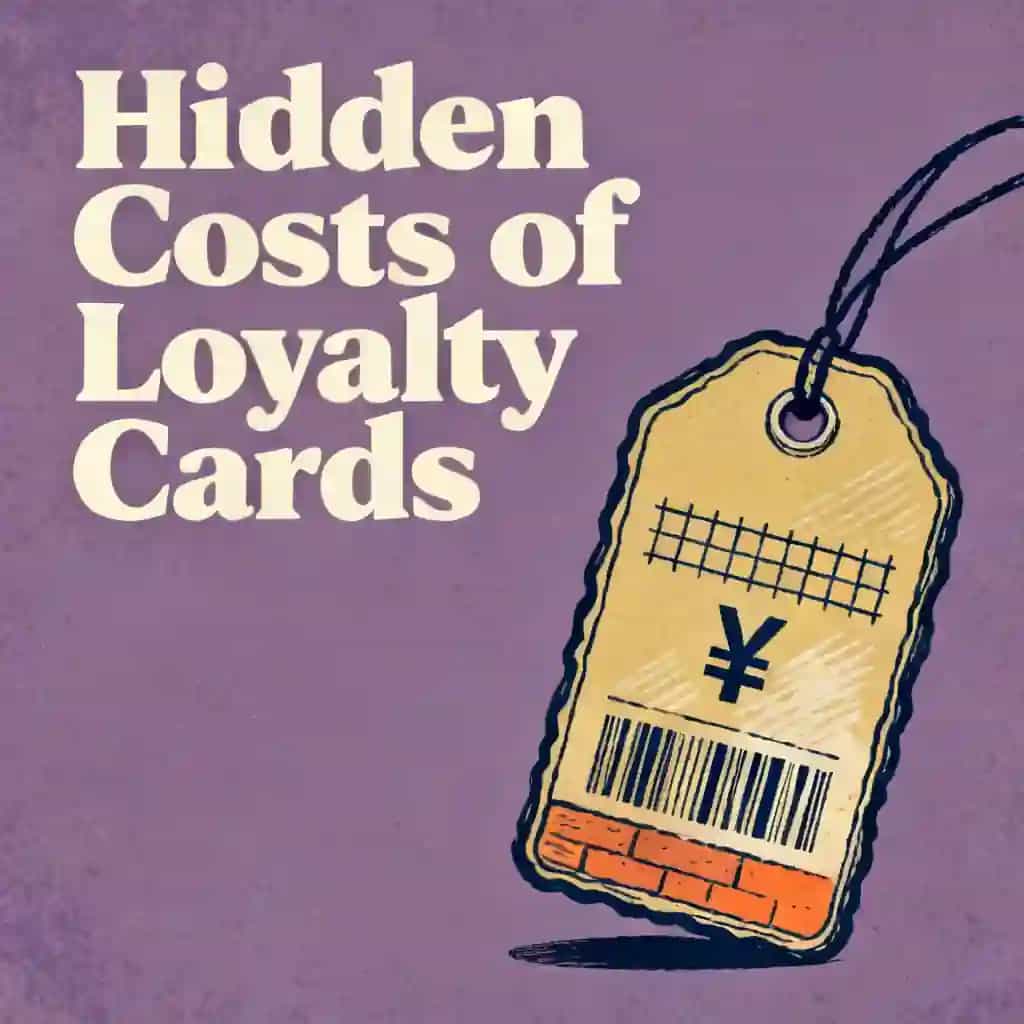
Is saving money on prescriptions worth sharing your health data? Learn how referral fees and data tracking power the apps that claim to fix healthcare.
Meilleure citation de GoodRx and the Hidden Cost of Your Privacy
“
The value GoodRx provides isn’t creating a discount—it’s monetizing the act of revealing a price that the system was built to conceal. If the product is free, you—and your medical history—are the product.
”
J
Generated by Jacob
Question posée
The dirty side of good RX
Voix des présentateurs
Lena
Blythe
Sources de connaissances
Foire aux questions
GoodRx primarily generates revenue through referral fees and data monetization. When a patient uses a GoodRx coupon, the transaction is processed by a Pharmacy Benefit Manager (PBM). The pharmacy pays a transaction fee to the PBM, which then shares a portion of that fee with GoodRx as a commission. Additionally, the company earns revenue through its "Pharma Manufacturer Solutions" by allowing drug companies to advertise brand-name medications and copay cards directly to users at the moment they are searching for drug prices.
Many independent pharmacies claim that these services function like a "shakedown" because they are often forced to accept lower reimbursement rates while also paying a transaction fee back to the PBM. In some cases, after the discount is applied and the fee is paid, the pharmacy may actually lose money on the sale. This financial pressure has contributed to a crisis where some regions, such as Michigan, see multiple independent pharmacies closing every month because they cannot survive on such thin or negative margins.
Not necessarily. The script explains that because GoodRx is not a doctor’s office or a hospital, it is not technically a "covered entity" under HIPAA privacy laws. This loophole has led to allegations and legal settlements regarding the sharing of sensitive health data—such as searches for heart disease or addiction treatments—with third parties like Google and Facebook for targeted advertising. While the company has faced fines and settlements, listeners are encouraged to use these apps without creating accounts to minimize their digital footprint.
Being a "prescription hacker" involves several steps to maximize savings while protecting privacy. First, patients should establish a baseline by understanding their insurance deductible, as discount card purchases often do not count toward it. Second, they should compare prices across multiple platforms like SingleCare, WellRx, or Mark Cuban’s Cost Plus Drug Company. Third, they should check manufacturer websites directly for "copay cards" or Patient Assistance Programs. Finally, patients should partner with their pharmacist to ask if there are internal pharmacy discounts or manufacturer programs that might be more beneficial than a third-party app.
Cree par des anciens de Columbia University | a San Francisco
BeFreed rassemble une communauté mondiale d'esprits curieux
4.7
note moyenne
Plus de 7,84 k notes sur l’app
Communauté BeFreed
Franchement, je n'ai pas encore exploré toute l'app, mais après quelques jours d'utilisation, je suis bluffée… BeFreed est à un tout autre niveau que toutes les autres apps d'apprentissage que j'ai essayées. C'est ultra captivant et ça améliore vraiment la concentration — parfait pour tous les accros au scroll !
@ladyInfinity
J'ai acheté BeFreed il y a exactement 23 jours et je l'ai utilisée chaque jour depuis. Elle s'est complètement intégrée à mon quotidien de travail et à mes habitudes d'apprentissage.
@jayallen
La vérité, c'est que l'app a dépassé toutes mes attentes. Je peux lui demander de générer de l'audio sur n'importe quel sujet, quel qu'il soit, et le résultat est impressionnant. Mon domaine professionnel est une spécialisation en psychothérapie, très pluridisciplinaire ; pourtant, les réponses sont très justes.
@Raguipa
Ce que j'apprécie le plus, c'est à quel point ça a réduit mon temps de scroll : je passe moins de temps à chercher et plus de temps à retenir. La combinaison des livres audio complets, des podcasts et des plans d'apprentissage est brillante.
@colonyofcreatorsNGO
Je suis instructeur en apprentissage accéléré PhotoReading depuis 24 ans… les livres, la lecture et l'apprentissage, c'est mon domaine, et BeFreed a fait un excellent travail en proposant une approche innovante pour transmettre l'information de façon facile à assimiler.
@BeFreed user
Ce n'est pas qu'une app de résumés de livres : j'ai utilisé l'option de lecture fun et c'est un bien meilleur résumé, une meilleure façon de saisir les idées qu'à la manière traditionnelle. Rien que ça vaut le coup.
@austinakon
J'adore cette app. Je l'utilise depuis plusieurs jours et je ne peux plus m'arrêter d'écouter. Une excellente façon de commencer.
@jcrules328
J'aime beaucoup ce programme ; je le teste depuis environ un mois et c'est une vraie pépite. Ça marche très bien parce que je peux utiliser BeFreed pour créer mes propres sujets, et la voix est excellente, avec un choix illimité de narrations.
@DanielCZ
Franchement, je n'ai pas encore exploré toute l'app, mais après quelques jours d'utilisation, je suis bluffée… BeFreed est à un tout autre niveau que toutes les autres apps d'apprentissage que j'ai essayées. C'est ultra captivant et ça améliore vraiment la concentration — parfait pour tous les accros au scroll !
@ladyInfinity
J'ai acheté BeFreed il y a exactement 23 jours et je l'ai utilisée chaque jour depuis. Elle s'est complètement intégrée à mon quotidien de travail et à mes habitudes d'apprentissage.
@jayallen
La vérité, c'est que l'app a dépassé toutes mes attentes. Je peux lui demander de générer de l'audio sur n'importe quel sujet, quel qu'il soit, et le résultat est impressionnant. Mon domaine professionnel est une spécialisation en psychothérapie, très pluridisciplinaire ; pourtant, les réponses sont très justes.
@Raguipa
Ce que j'apprécie le plus, c'est à quel point ça a réduit mon temps de scroll : je passe moins de temps à chercher et plus de temps à retenir. La combinaison des livres audio complets, des podcasts et des plans d'apprentissage est brillante.
@colonyofcreatorsNGO
Je suis instructeur en apprentissage accéléré PhotoReading depuis 24 ans… les livres, la lecture et l'apprentissage, c'est mon domaine, et BeFreed a fait un excellent travail en proposant une approche innovante pour transmettre l'information de façon facile à assimiler.
@BeFreed user
Ce n'est pas qu'une app de résumés de livres : j'ai utilisé l'option de lecture fun et c'est un bien meilleur résumé, une meilleure façon de saisir les idées qu'à la manière traditionnelle. Rien que ça vaut le coup.
@austinakon
J'adore cette app. Je l'utilise depuis plusieurs jours et je ne peux plus m'arrêter d'écouter. Une excellente façon de commencer.
@jcrules328
J'aime beaucoup ce programme ; je le teste depuis environ un mois et c'est une vraie pépite. Ça marche très bien parce que je peux utiliser BeFreed pour créer mes propres sujets, et la voix est excellente, avec un choix illimité de narrations.
@DanielCZ
J'adore pouvoir obtenir des informations et des idées utiles et condensées dans un audio façon podcast de 8 à 15 minutes. Je ne suis pas fan des podcasts à cause de tout le remplissage, mais là, on va droit à l'essentiel.
@BeFreed user
Je termine mon doctorat et je dois lire beaucoup de contenus que je ne connais pas… Avec BeFreed, il suffit d'entrer un prompt : l'app trouve les sources pour vous et génère un podcast audio. Je trouve le processus de BeFreed plus fluide que celui de NotebookLM.
@Brad
Je cherche souvent sur YouTube quelque chose à écouter en préparant le petit-déjeuner, en marchant ou dans les transports, et BeFreed offre une approche encore plus ciblée, sans pubs et sans remplissage !
@BeFreed user
Le meilleur atout de cette plateforme, c'est sa polyvalence. Il n'y a littéralement aucun sujet hors de portée. Elle gère tout ce qu'on lui donne… Il est rare de trouver un outil d'apprentissage sans aucune limite qui tient vraiment ses promesses.
@jayallen
BeFreed est fantastique. Son design intuitif me fait passer moins de temps à naviguer et plus de temps à apprendre. Le mélange de livres audio, de podcasts et de plans d'apprentissage est une combinaison géniale qui a complètement changé ma routine quotidienne.
@BeFreed user
Au début, il m'a fallu un moment pour comprendre comment créer des podcasts en italien, et boum ! C'est génial ! Je peux lui demander d'expliquer n'importe quel sujet et elle le fait super bien, avec beaucoup d'intelligence !
@matteo77
BeFreed est devenue mon app quotidienne pour les livres audio… Ce que je préfère, c'est de pouvoir déposer son texte et obtenir un audio à écouter en déplacement.
@kotanzu1
J'adore pouvoir obtenir des informations et des idées utiles et condensées dans un audio façon podcast de 8 à 15 minutes. Je ne suis pas fan des podcasts à cause de tout le remplissage, mais là, on va droit à l'essentiel.
@BeFreed user
Je termine mon doctorat et je dois lire beaucoup de contenus que je ne connais pas… Avec BeFreed, il suffit d'entrer un prompt : l'app trouve les sources pour vous et génère un podcast audio. Je trouve le processus de BeFreed plus fluide que celui de NotebookLM.
@Brad
Je cherche souvent sur YouTube quelque chose à écouter en préparant le petit-déjeuner, en marchant ou dans les transports, et BeFreed offre une approche encore plus ciblée, sans pubs et sans remplissage !
@BeFreed user
Le meilleur atout de cette plateforme, c'est sa polyvalence. Il n'y a littéralement aucun sujet hors de portée. Elle gère tout ce qu'on lui donne… Il est rare de trouver un outil d'apprentissage sans aucune limite qui tient vraiment ses promesses.
@jayallen
BeFreed est fantastique. Son design intuitif me fait passer moins de temps à naviguer et plus de temps à apprendre. Le mélange de livres audio, de podcasts et de plans d'apprentissage est une combinaison géniale qui a complètement changé ma routine quotidienne.
@BeFreed user
Au début, il m'a fallu un moment pour comprendre comment créer des podcasts en italien, et boum ! C'est génial ! Je peux lui demander d'expliquer n'importe quel sujet et elle le fait super bien, avec beaucoup d'intelligence !
@matteo77
BeFreed est devenue mon app quotidienne pour les livres audio… Ce que je préfère, c'est de pouvoir déposer son texte et obtenir un audio à écouter en déplacement.
Exploring how self-tracking technology and online health communities are creating sophisticated data-driven self-discovery that complements rather than replaces medical expertise, revealing patterns traditional healthcare often misses.
Uncover the $30 billion influence machine corrupting healthcare decisions. From ghostwritten research to payment-driven prescribing, discover the hidden ethical crisis shaping your medical care.
Navigating high-stakes tech policy is harder when your platform is a public health tool. Learn to manage global human rights and bipartisan safety laws.