From Phrenology to Process
Explore the surprising 60-year evolution of sales methodologies, from Ford's head-shape selling tactics in 1923 to today's sophisticated frameworks that transformed sales from personality-driven art to strategic science.

Meilleure citation de From Phrenology to Process
People don't like to be sold to, but they do like to buy. This became the foundation of Needs Satisfaction Selling, flipping the script from pitching product features to demonstrating how a solution directly addresses a customer's specific requirements.

Cette leçon audio a été créée par un membre de la communauté BeFreed
History of sales frameworks.

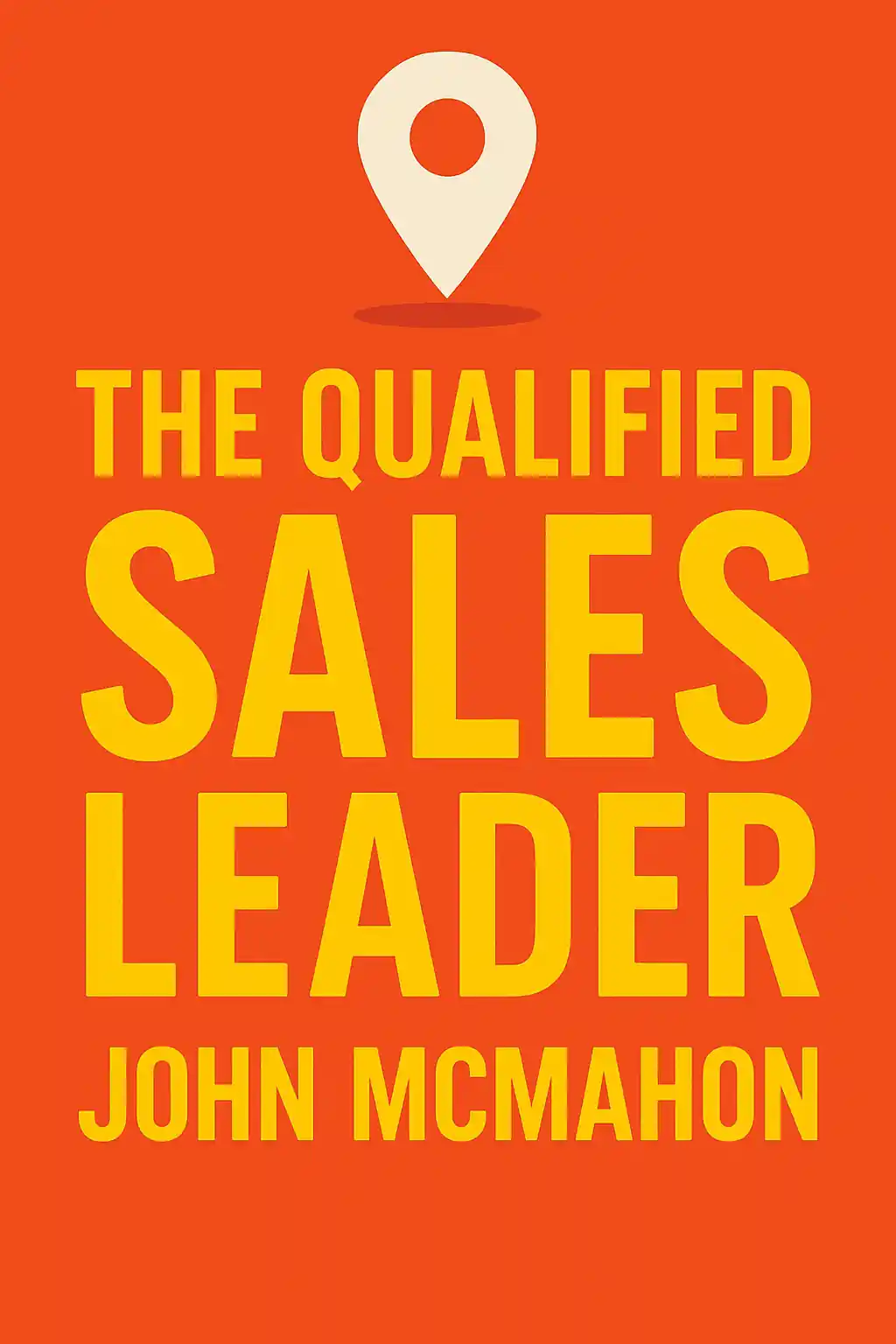
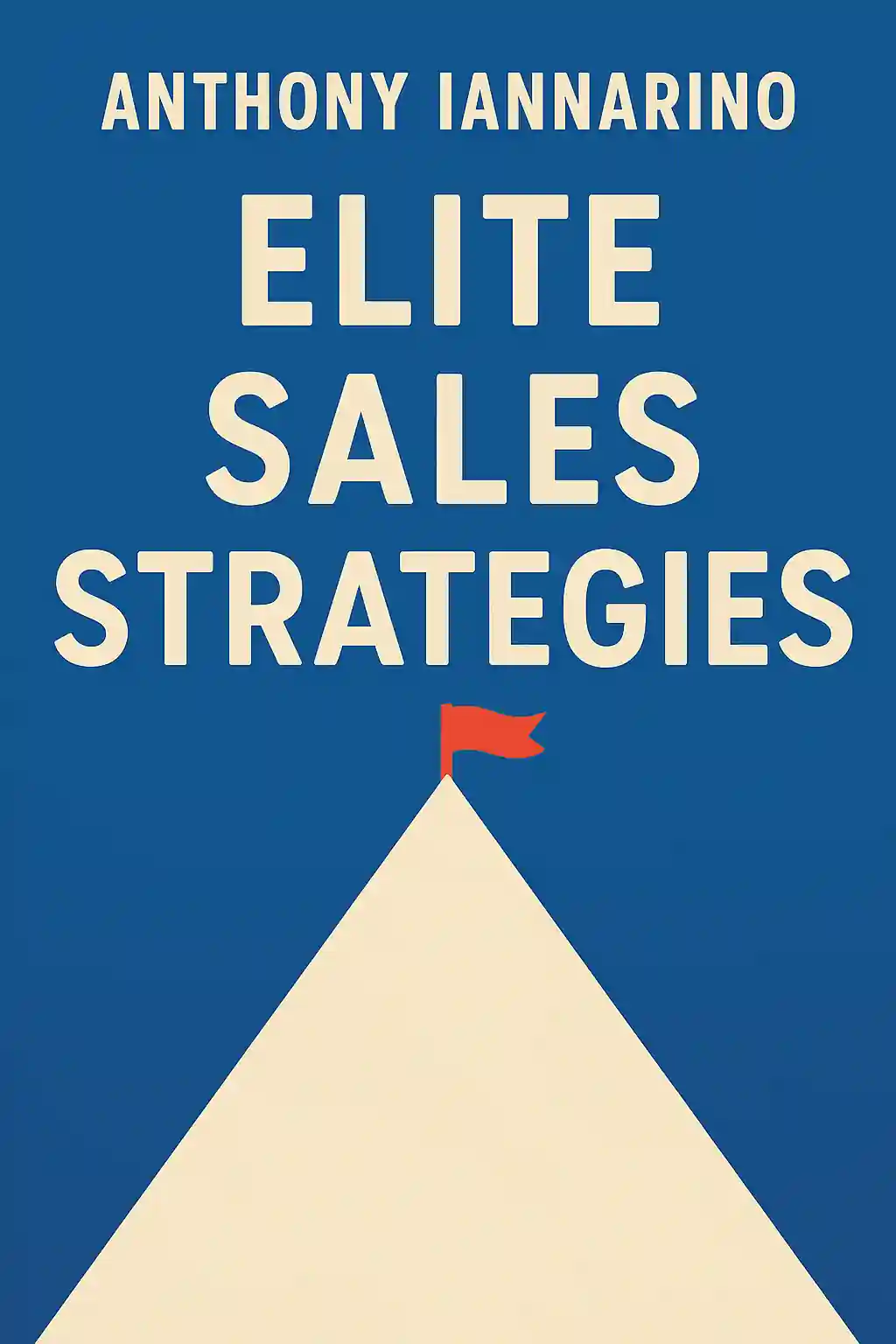
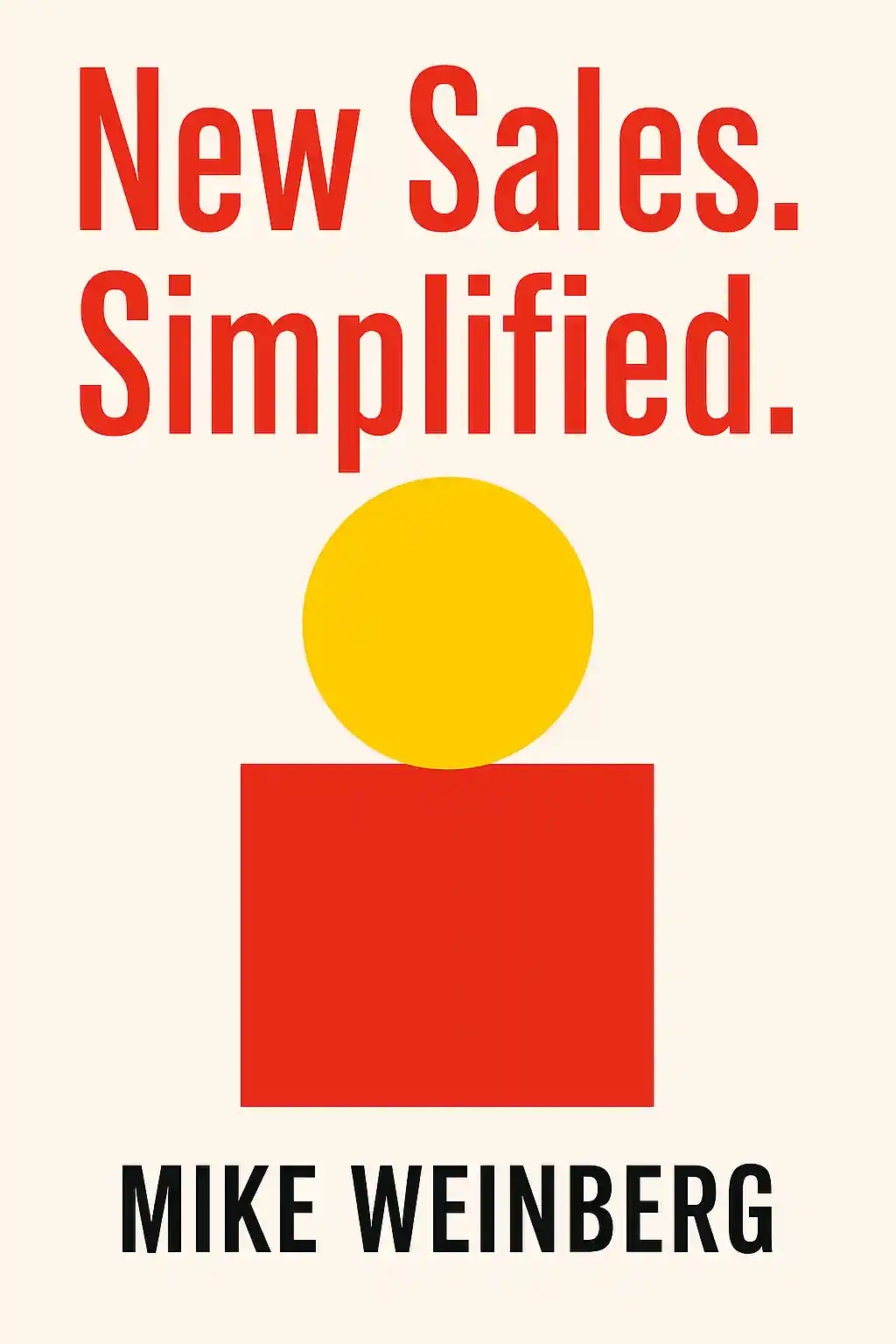
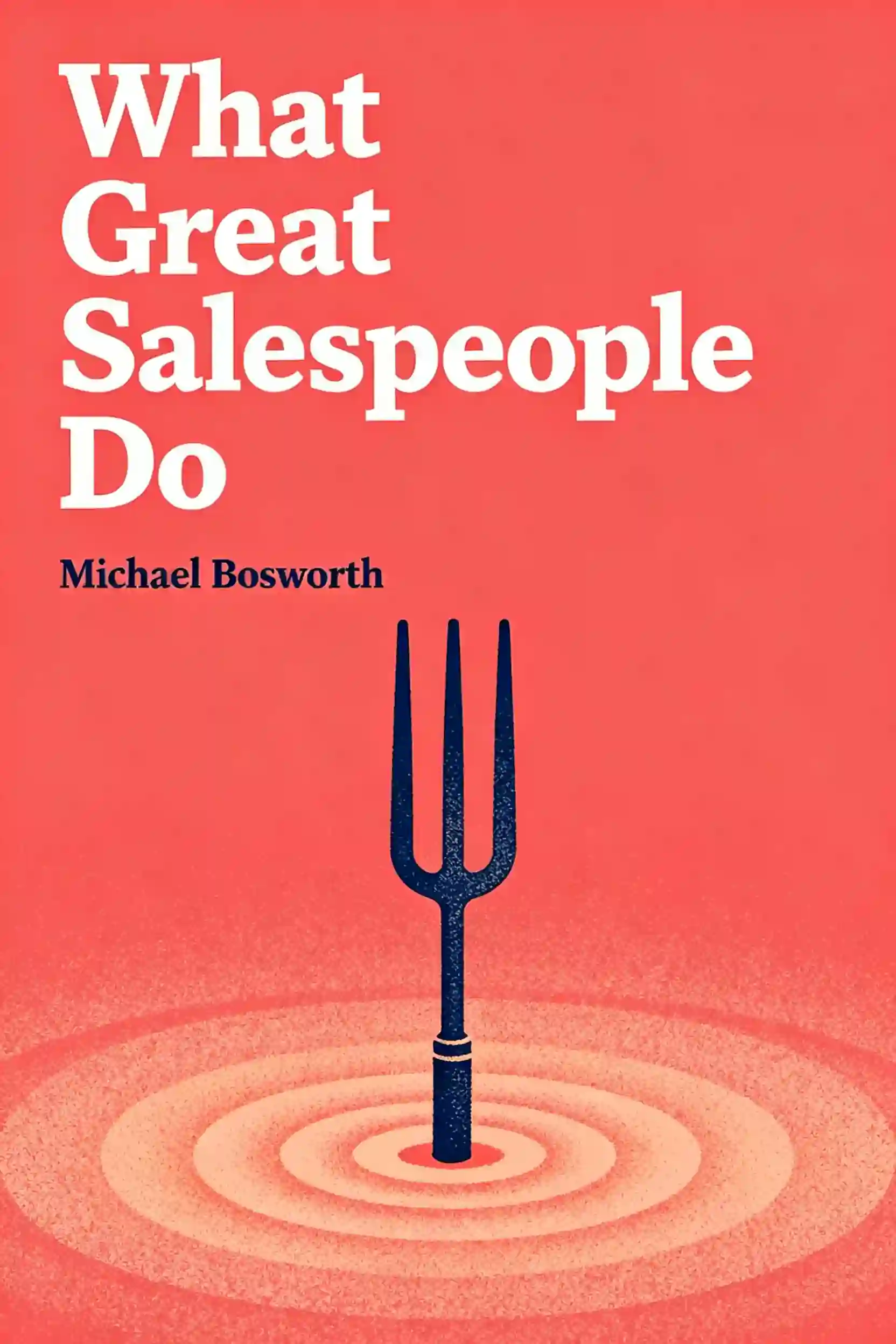
Découvrir plus

Master sales and persuasion techniques
This comprehensive plan bridges the gap between basic selling and high-level influence by combining psychological theory with tactical execution. It is ideal for sales professionals, entrepreneurs, and leaders looking to master the art of persuasion and build predictable revenue systems.

Pharma Sales: Physician Selling Techniques
This plan is essential for pharmaceutical representatives aiming to move beyond basic sales tactics into high-level clinical consultancy. It benefits both new and experienced professionals seeking to master physician psychology, strategic territory management, and sophisticated SPIN selling methodologies.

Sales
Sales skills are critical for anyone looking to drive revenue, whether you're a sales professional, entrepreneur, or business leader. This comprehensive learning plan takes you from foundational pipeline-building through advanced consultative selling, equipping you with the psychology, techniques, and strategic frameworks needed to close deals at any level and build a sustainable sales career.

Master Buying Psychology & Value Perception
This learning plan is essential for marketers, entrepreneurs, and sales professionals who want to move beyond guesswork and understand the biological drivers of commerce. It bridges the gap between academic behavioral science and practical business application to drive measurable growth.

The Psychology of Growth
This plan is essential for entrepreneurs and marketers who want to move beyond surface-level tactics and master the science of persuasion. It provides a deep dive into how the human brain makes decisions, making it perfect for anyone looking to increase conversion rates through psychological insight.

I want to master sales skills
This comprehensive path bridges the gap between basic selling and strategic revenue generation. It is ideal for aspiring sales professionals and entrepreneurs who want to transform from tactical sellers into trusted advisors.

Sales & Negotiations Pro
This learning plan is essential for anyone looking to excel in sales, business development, or client-facing roles where influence and negotiation determine success. Whether you're a sales professional aiming to close more deals, an entrepreneur needing to sell your vision, or a manager seeking to enhance persuasion skills, this comprehensive program builds both foundational and advanced capabilities that directly impact your bottom line.

Understand & influence human decision-making
In an era of information overload, understanding the hidden mechanics of the mind is a critical competitive advantage. This plan is ideal for leaders, marketers, and designers looking to leverage behavioral science to drive better results and ethical engagement.
Cree par des anciens de Columbia University a San Francisco
"Instead of endless scrolling, I just hit play on BeFreed. It saves me so much time."


"I never knew where to start with nonfiction—BeFreed’s book lists turned into podcasts gave me a clear path."


"Perfect balance between learning and entertainment. Finished ‘Thinking, Fast and Slow’ on my commute this week."
"Crazy how much I learned while walking the dog. BeFreed = small habits → big gains."
"Reading used to feel like a chore. Now it’s just part of my lifestyle."

"Feels effortless compared to reading. I’ve finished 6 books this month already."
"BeFreed turned my guilty doomscrolling into something that feels productive and inspiring."

"BeFreed turned my commute into learning time. 20-min podcasts are perfect for finishing books I never had time for."
"BeFreed replaced my podcast queue. Imagine Spotify for books — that’s it. 🙌"

"It is great for me to learn something from the book without reading it."
"The themed book list podcasts help me connect ideas across authors—like a guided audio journey."
"Makes me feel smarter every time before going to work"
Cree par des anciens de Columbia University a San Francisco
"Instead of endless scrolling, I just hit play on BeFreed. It saves me so much time."
"I never knew where to start with nonfiction—BeFreed’s book lists turned into podcasts gave me a clear path."
"Perfect balance between learning and entertainment. Finished ‘Thinking, Fast and Slow’ on my commute this week."
"Crazy how much I learned while walking the dog. BeFreed = small habits → big gains."
"Reading used to feel like a chore. Now it’s just part of my lifestyle."
"Feels effortless compared to reading. I’ve finished 6 books this month already."
"BeFreed turned my guilty doomscrolling into something that feels productive and inspiring."
"BeFreed turned my commute into learning time. 20-min podcasts are perfect for finishing books I never had time for."
"BeFreed replaced my podcast queue. Imagine Spotify for books — that’s it. 🙌"
"It is great for me to learn something from the book without reading it."
"The themed book list podcasts help me connect ideas across authors—like a guided audio journey."
"Makes me feel smarter every time before going to work"
"Instead of endless scrolling, I just hit play on BeFreed. It saves me so much time."
"I never knew where to start with nonfiction—BeFreed’s book lists turned into podcasts gave me a clear path."
"Perfect balance between learning and entertainment. Finished ‘Thinking, Fast and Slow’ on my commute this week."
"Crazy how much I learned while walking the dog. BeFreed = small habits → big gains."
"Reading used to feel like a chore. Now it’s just part of my lifestyle."
"Feels effortless compared to reading. I’ve finished 6 books this month already."
"BeFreed turned my guilty doomscrolling into something that feels productive and inspiring."
"BeFreed turned my commute into learning time. 20-min podcasts are perfect for finishing books I never had time for."
"BeFreed replaced my podcast queue. Imagine Spotify for books — that’s it. 🙌"
"It is great for me to learn something from the book without reading it."
"The themed book list podcasts help me connect ideas across authors—like a guided audio journey."
"Makes me feel smarter every time before going to work"
"Instead of endless scrolling, I just hit play on BeFreed. It saves me so much time."
"I never knew where to start with nonfiction—BeFreed’s book lists turned into podcasts gave me a clear path."
"Perfect balance between learning and entertainment. Finished ‘Thinking, Fast and Slow’ on my commute this week."
"Crazy how much I learned while walking the dog. BeFreed = small habits → big gains."
"Reading used to feel like a chore. Now it’s just part of my lifestyle."
"Feels effortless compared to reading. I’ve finished 6 books this month already."
"BeFreed turned my guilty doomscrolling into something that feels productive and inspiring."
"BeFreed turned my commute into learning time. 20-min podcasts are perfect for finishing books I never had time for."
"BeFreed replaced my podcast queue. Imagine Spotify for books — that’s it. 🙌"
"It is great for me to learn something from the book without reading it."
"The themed book list podcasts help me connect ideas across authors—like a guided audio journey."
"Makes me feel smarter every time before going to work"