From Conflict to Connection: Fighting Better Together
Stop the escalation and transform recurring arguments into opportunities for intimacy. Learn how to shift from opponents to teammates using Gottman-backed strategies for de-escalation and deep listening.

Meilleure citation de From Conflict to Connection: Fighting Better Together
It’s a shift from 'Me versus You' to 'Us versus the Problem.' When we drop the shield of blame and show the underlying need, we’re actually giving our partner a chance to love us better.
Generated by Raf
Better communication in arguments with partner



Foire aux questions
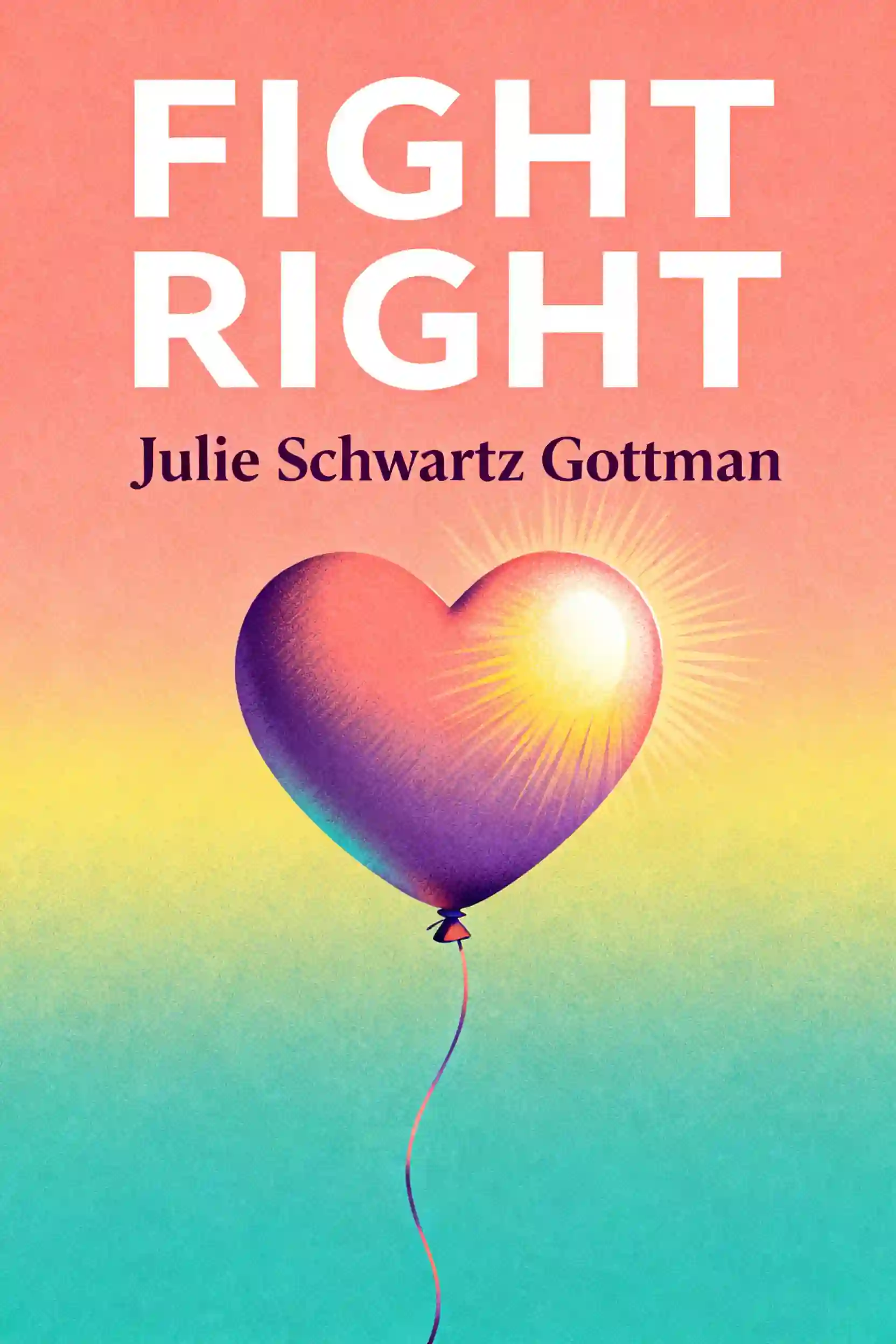
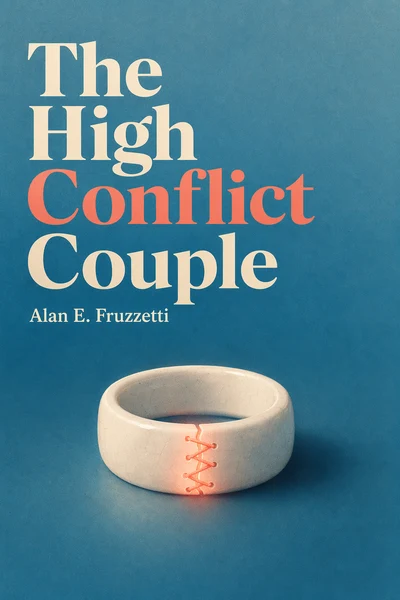
According to research from the Gottman Institute, approximately sixty-nine percent of relationship conflicts are perpetual problems. These are ongoing differences in personalities or lifestyle needs that may never be fully resolved or "fixed." The goal in a healthy relationship is not to eliminate these disagreements, but to change how they are handled so they don't lead to constant escalation.
Physiological flooding occurs when a person's body enters a fight-or-flight mode during a disagreement. Symptoms include a rising heart rate, shallow breathing, and a feeling of being "shaky" or "numb." In this state, the logical part of the brain loses control to impulsive reactions, making it nearly impossible to have a productive conversation.
A collaborative pause is a strategic time-out agreed upon by both partners using a neutral signal or word. Unlike "stonewalling," which is a defensive shutdown that cuts off connection, a strategic pause is a "bridge" where partners commit to returning to the conversation at a specific time, such as in twenty minutes or twenty-four hours. This allows both individuals to self-soothe and lower their physiological heat so they can return with curiosity instead of fury.
A position is the surface-level demand or complaint, such as "You spend too much money." An underlying need is the deeper emotional value or fear behind that position, such as "I need to feel financially secure." By identifying the "dream" or "fear" behind a stance—often through the "Dreams Within Conflict" exercise—partners can move from combat to empathy and find creative solutions that address the actual root of the issue.
The DEAR MAN method provides a structured container for making requests. It involves describing the objective facts, expressing the emotional impact, asserting a specific need, and reinforcing why the change will benefit both partners. This approach helps avoid "kitchen-sinking"—the destructive habit of bringing up years of unrelated grievances—and focuses the conversation on a single, solvable topic.
Cree par des anciens de Columbia University a San Francisco
"Instead of endless scrolling, I just hit play on BeFreed. It saves me so much time."


"I never knew where to start with nonfiction—BeFreed’s book lists turned into podcasts gave me a clear path."


"Perfect balance between learning and entertainment. Finished ‘Thinking, Fast and Slow’ on my commute this week."
"Crazy how much I learned while walking the dog. BeFreed = small habits → big gains."
"Reading used to feel like a chore. Now it’s just part of my lifestyle."

"Feels effortless compared to reading. I’ve finished 6 books this month already."
"BeFreed turned my guilty doomscrolling into something that feels productive and inspiring."

"BeFreed turned my commute into learning time. 20-min podcasts are perfect for finishing books I never had time for."
"BeFreed replaced my podcast queue. Imagine Spotify for books — that’s it. 🙌"

"It is great for me to learn something from the book without reading it."
"The themed book list podcasts help me connect ideas across authors—like a guided audio journey."
"Makes me feel smarter every time before going to work"
Cree par des anciens de Columbia University a San Francisco
"Instead of endless scrolling, I just hit play on BeFreed. It saves me so much time."
"I never knew where to start with nonfiction—BeFreed’s book lists turned into podcasts gave me a clear path."
"Perfect balance between learning and entertainment. Finished ‘Thinking, Fast and Slow’ on my commute this week."
"Crazy how much I learned while walking the dog. BeFreed = small habits → big gains."
"Reading used to feel like a chore. Now it’s just part of my lifestyle."
"Feels effortless compared to reading. I’ve finished 6 books this month already."
"BeFreed turned my guilty doomscrolling into something that feels productive and inspiring."
"BeFreed turned my commute into learning time. 20-min podcasts are perfect for finishing books I never had time for."
"BeFreed replaced my podcast queue. Imagine Spotify for books — that’s it. 🙌"
"It is great for me to learn something from the book without reading it."
"The themed book list podcasts help me connect ideas across authors—like a guided audio journey."
"Makes me feel smarter every time before going to work"
"Instead of endless scrolling, I just hit play on BeFreed. It saves me so much time."
"I never knew where to start with nonfiction—BeFreed’s book lists turned into podcasts gave me a clear path."
"Perfect balance between learning and entertainment. Finished ‘Thinking, Fast and Slow’ on my commute this week."
"Crazy how much I learned while walking the dog. BeFreed = small habits → big gains."
"Reading used to feel like a chore. Now it’s just part of my lifestyle."
"Feels effortless compared to reading. I’ve finished 6 books this month already."
"BeFreed turned my guilty doomscrolling into something that feels productive and inspiring."
"BeFreed turned my commute into learning time. 20-min podcasts are perfect for finishing books I never had time for."
"BeFreed replaced my podcast queue. Imagine Spotify for books — that’s it. 🙌"
"It is great for me to learn something from the book without reading it."
"The themed book list podcasts help me connect ideas across authors—like a guided audio journey."
"Makes me feel smarter every time before going to work"
"Instead of endless scrolling, I just hit play on BeFreed. It saves me so much time."
"I never knew where to start with nonfiction—BeFreed’s book lists turned into podcasts gave me a clear path."
"Perfect balance between learning and entertainment. Finished ‘Thinking, Fast and Slow’ on my commute this week."
"Crazy how much I learned while walking the dog. BeFreed = small habits → big gains."
"Reading used to feel like a chore. Now it’s just part of my lifestyle."
"Feels effortless compared to reading. I’ve finished 6 books this month already."
"BeFreed turned my guilty doomscrolling into something that feels productive and inspiring."
"BeFreed turned my commute into learning time. 20-min podcasts are perfect for finishing books I never had time for."
"BeFreed replaced my podcast queue. Imagine Spotify for books — that’s it. 🙌"
"It is great for me to learn something from the book without reading it."
"The themed book list podcasts help me connect ideas across authors—like a guided audio journey."
"Makes me feel smarter every time before going to work"