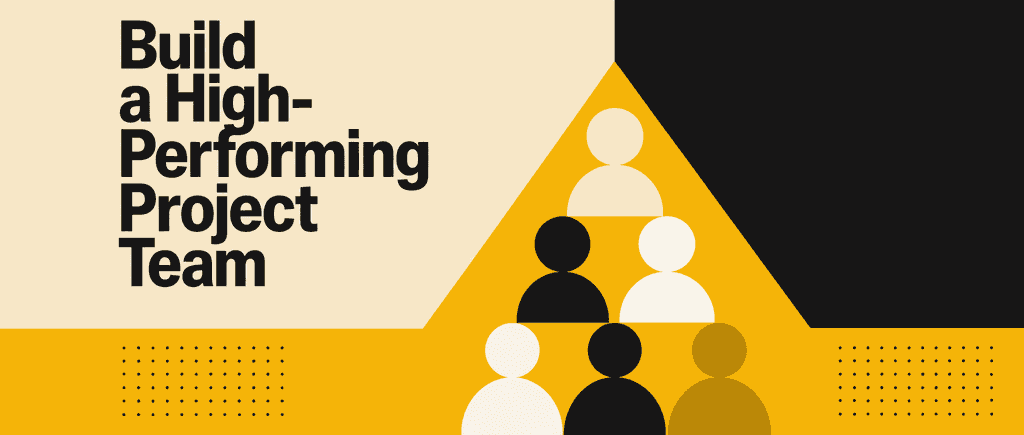
The Five Dysfunctions of a Team
Why do talented teams often fail to deliver? Explore Patrick Lencioni’s framework for overcoming the invisible behaviors that stall performance.

Meilleure citation de The Five Dysfunctions of a Team
Teamwork is not just a soft skill or a nice-to-have cultural element—it is a strategic choice that requires a brutal, honest look at human behavior.
Generated with BeFreed
An audio lesson about the book The Five Dysfunctions of a Team, covering its key ideas and takeaways.


Foire aux questions
Predictive trust is the standard professional expectation that a colleague will fulfill their duties because they have a consistent track record of doing so. In contrast, vulnerability-based trust is the foundation of high-performing teams and involves psychological safety. It exists when team members feel comfortable admitting mistakes, acknowledging weaknesses, or asking for help without fear that these admissions will be used against them.
Artificial harmony occurs when team members are polite and agreeable in meetings despite having internal disagreements. This is a dysfunction because it indicates a fear of conflict, which prevents the team from engaging in passionate, ideological debate. Without productive disagreement, the best ideas are never surfaced, and the team effectively chooses to let bad ideas persist rather than facing the discomfort of challenging them.
Commitment is achieved through the principle of "disagree and commit." This process ensures that every team member has the opportunity to voice their opinion and feel that their perspective has been genuinely considered during a debate. Once a final decision is made, even those who originally disagreed must support the path forward 100%. This prevents the paralysis of seeking total agreement while ensuring the team moves with alignment and velocity.
Peer accountability is more powerful because it is constant, whereas a leader cannot observe every interaction. In a healthy team culture, members hold one another to high standards regardless of their position. When trust is present, feedback is viewed as a tool to help the team win rather than a personal attack. Avoiding these difficult conversations is seen as a form of selfishness that allows the team to slide into mediocrity.
When team members focus exclusively on their own department's metrics or their individual career advancement, they create "silos" that ignore the collective results of the company. A department might hit all its specific targets while the organization as a whole fails. High-performing teams prioritize collective goals over individual egos, often requiring leaders to reallocate resources or delay their own projects to ensure the entire organization succeeds.
Cree par des anciens de Columbia University a San Francisco
"Instead of endless scrolling, I just hit play on BeFreed. It saves me so much time."


"I never knew where to start with nonfiction—BeFreed’s book lists turned into podcasts gave me a clear path."


"Perfect balance between learning and entertainment. Finished ‘Thinking, Fast and Slow’ on my commute this week."
"Crazy how much I learned while walking the dog. BeFreed = small habits → big gains."
"Reading used to feel like a chore. Now it’s just part of my lifestyle."

"Feels effortless compared to reading. I’ve finished 6 books this month already."
"BeFreed turned my guilty doomscrolling into something that feels productive and inspiring."

"BeFreed turned my commute into learning time. 20-min podcasts are perfect for finishing books I never had time for."
"BeFreed replaced my podcast queue. Imagine Spotify for books — that’s it. 🙌"

"It is great for me to learn something from the book without reading it."
"The themed book list podcasts help me connect ideas across authors—like a guided audio journey."
"Makes me feel smarter every time before going to work"
Cree par des anciens de Columbia University a San Francisco
"Instead of endless scrolling, I just hit play on BeFreed. It saves me so much time."
"I never knew where to start with nonfiction—BeFreed’s book lists turned into podcasts gave me a clear path."
"Perfect balance between learning and entertainment. Finished ‘Thinking, Fast and Slow’ on my commute this week."
"Crazy how much I learned while walking the dog. BeFreed = small habits → big gains."
"Reading used to feel like a chore. Now it’s just part of my lifestyle."
"Feels effortless compared to reading. I’ve finished 6 books this month already."
"BeFreed turned my guilty doomscrolling into something that feels productive and inspiring."
"BeFreed turned my commute into learning time. 20-min podcasts are perfect for finishing books I never had time for."
"BeFreed replaced my podcast queue. Imagine Spotify for books — that’s it. 🙌"
"It is great for me to learn something from the book without reading it."
"The themed book list podcasts help me connect ideas across authors—like a guided audio journey."
"Makes me feel smarter every time before going to work"
"Instead of endless scrolling, I just hit play on BeFreed. It saves me so much time."
"I never knew where to start with nonfiction—BeFreed’s book lists turned into podcasts gave me a clear path."
"Perfect balance between learning and entertainment. Finished ‘Thinking, Fast and Slow’ on my commute this week."
"Crazy how much I learned while walking the dog. BeFreed = small habits → big gains."
"Reading used to feel like a chore. Now it’s just part of my lifestyle."
"Feels effortless compared to reading. I’ve finished 6 books this month already."
"BeFreed turned my guilty doomscrolling into something that feels productive and inspiring."
"BeFreed turned my commute into learning time. 20-min podcasts are perfect for finishing books I never had time for."
"BeFreed replaced my podcast queue. Imagine Spotify for books — that’s it. 🙌"
"It is great for me to learn something from the book without reading it."
"The themed book list podcasts help me connect ideas across authors—like a guided audio journey."
"Makes me feel smarter every time before going to work"
"Instead of endless scrolling, I just hit play on BeFreed. It saves me so much time."
"I never knew where to start with nonfiction—BeFreed’s book lists turned into podcasts gave me a clear path."
"Perfect balance between learning and entertainment. Finished ‘Thinking, Fast and Slow’ on my commute this week."
"Crazy how much I learned while walking the dog. BeFreed = small habits → big gains."
"Reading used to feel like a chore. Now it’s just part of my lifestyle."
"Feels effortless compared to reading. I’ve finished 6 books this month already."
"BeFreed turned my guilty doomscrolling into something that feels productive and inspiring."
"BeFreed turned my commute into learning time. 20-min podcasts are perfect for finishing books I never had time for."
"BeFreed replaced my podcast queue. Imagine Spotify for books — that’s it. 🙌"
"It is great for me to learn something from the book without reading it."
"The themed book list podcasts help me connect ideas across authors—like a guided audio journey."
"Makes me feel smarter every time before going to work"



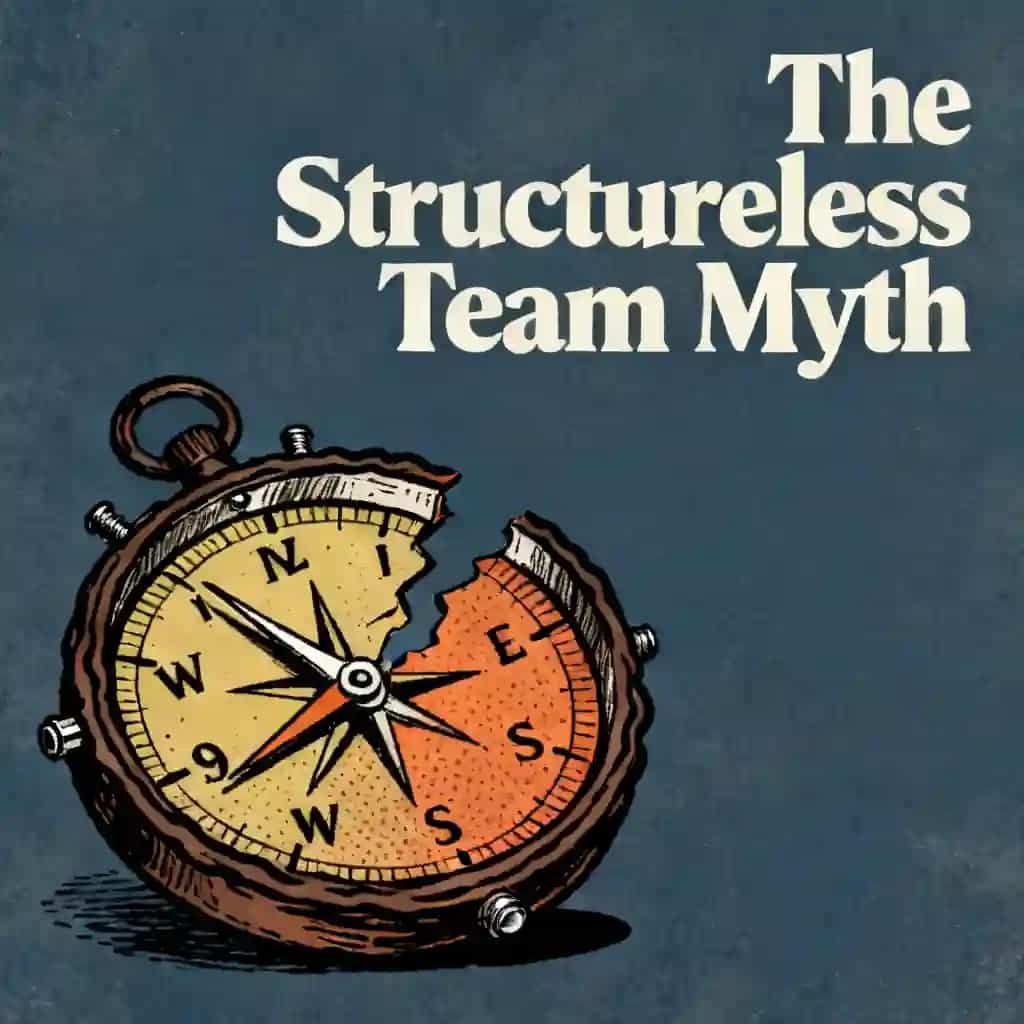


![[db9c7366-ef48-42f8-ad21-4e3aae79bcd6:c0001] Retreat_Transcript_Analysis.pdf p1-1](/_next/image?url=https%3A%2F%2Fd1y2du6z1jfm9e.cloudfront.net%2Fassets%2Fpodcast%2Fgreen.png&w=1024&q=50)
![[db9c7366-ef48-42f8-ad21-4e3aae79bcd6:c0002] Retreat_Transcript_Analysis.pdf p1-1](/_next/image?url=https%3A%2F%2Fd1y2du6z1jfm9e.cloudfront.net%2Fassets%2Fpodcast%2Fpurple.png&w=1024&q=50)