How to Put Your Best Foot Forward in Any Situation
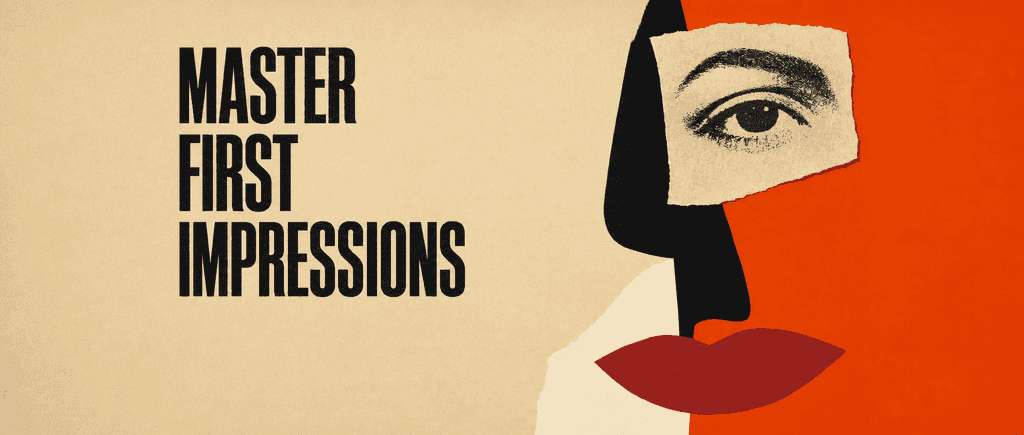
Master the art of first impressions. Learn essential tips for job interviews, professional communication with your boss, and building social confidence.

Meilleure citation de How to Put Your Best Foot Forward in Any Situation
A great first impression is about signaling warmth before competence. If you lead with pure capability but no warmth, you actually trigger a threat response, making the other person register you as capable but potentially dangerous or untrustworthy.
Generated by Saint
How to put your best foot forward in a job interview, when talking to your boss, when talking to the opposite sex, and any other situation


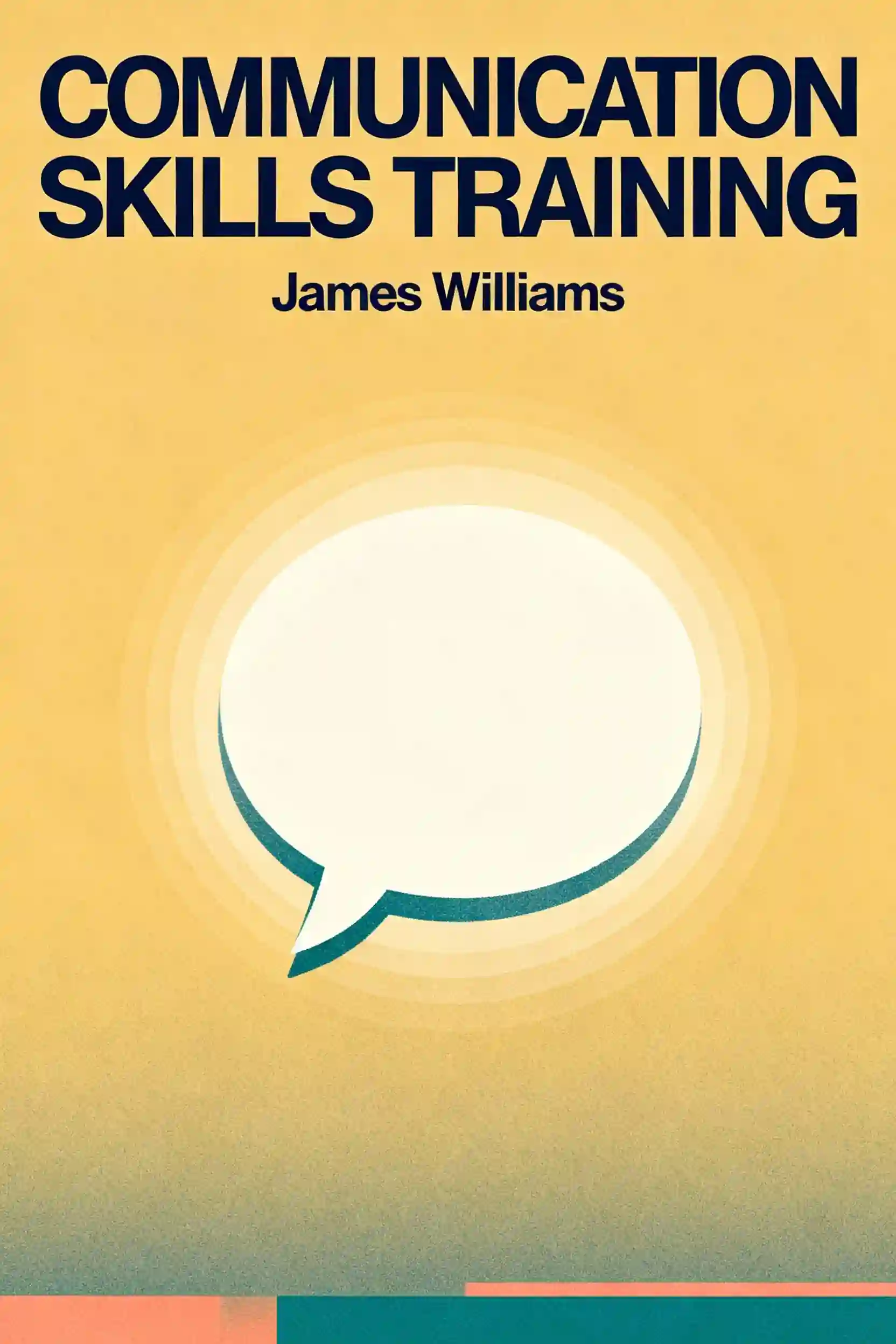
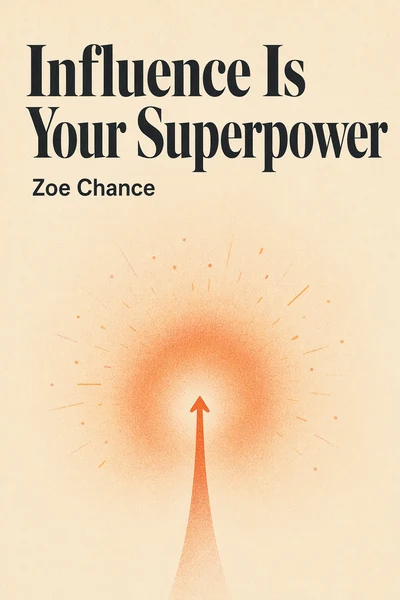
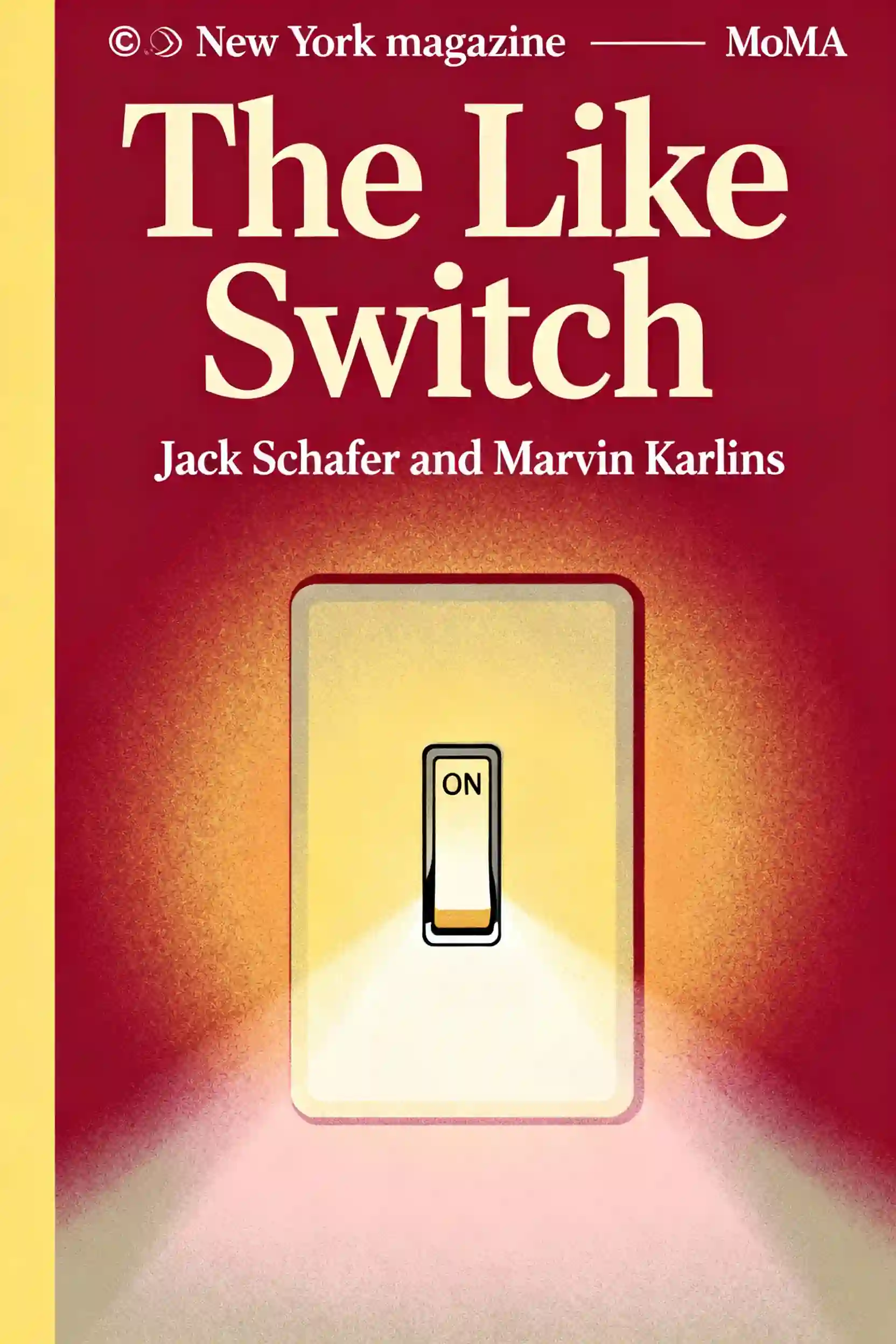

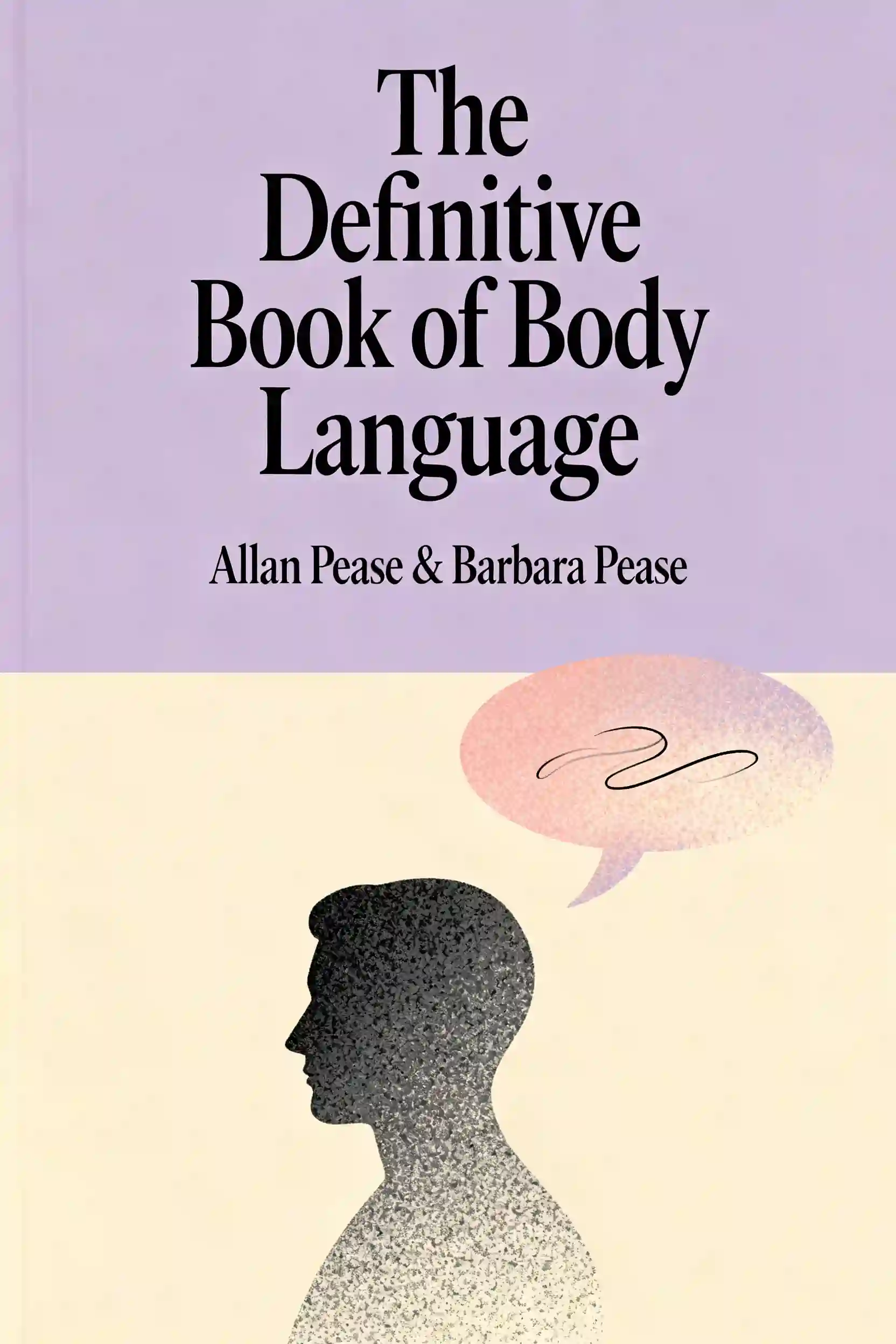
Foire aux questions
To put your best foot forward in a job interview, focus on a combination of professional communication and preparation. Start by researching the company thoroughly and practicing your responses to common questions to build social confidence. During the meeting, maintain strong eye contact and active listening to demonstrate your interpersonal skills. By combining these job interview tips with a polished appearance, you ensure that your first impression aligns with the professional standards of the role.
When talking to your boss, effective communication is key to maintaining a positive professional relationship. Focus on being clear, concise, and solution-oriented during your interactions. It is important to understand their preferred communication style and align your updates with company goals. By demonstrating strong interpersonal skills and reliability, you show that you are proactive and capable, which helps you put your best foot forward in any professional setting or performance review.
Improving social confidence involves practicing effective communication and being mindful of your body language. Whether you are talking to the opposite sex or meeting new people, focusing on genuine engagement and active listening helps build rapport. Developing these interpersonal skills allows you to feel more comfortable in various social environments. By staying present and authentic, you can consistently make a positive first impression and navigate any social situation with greater ease and self-assurance.
Interpersonal skills are the foundation of professional communication and career growth. They allow you to navigate complex workplace dynamics, such as talking to your boss or collaborating with colleagues, with tact and efficiency. Mastering these skills ensures that your message is received as intended and helps you build lasting professional networks. By prioritizing effective communication and social confidence, you position yourself as a valuable team member who can handle diverse challenges and put your best foot forward consistently.
Cree par des anciens de Columbia University a San Francisco
"Instead of endless scrolling, I just hit play on BeFreed. It saves me so much time."


"I never knew where to start with nonfiction—BeFreed’s book lists turned into podcasts gave me a clear path."


"Perfect balance between learning and entertainment. Finished ‘Thinking, Fast and Slow’ on my commute this week."
"Crazy how much I learned while walking the dog. BeFreed = small habits → big gains."
"Reading used to feel like a chore. Now it’s just part of my lifestyle."

"Feels effortless compared to reading. I’ve finished 6 books this month already."
"BeFreed turned my guilty doomscrolling into something that feels productive and inspiring."

"BeFreed turned my commute into learning time. 20-min podcasts are perfect for finishing books I never had time for."
"BeFreed replaced my podcast queue. Imagine Spotify for books — that’s it. 🙌"

"It is great for me to learn something from the book without reading it."
"The themed book list podcasts help me connect ideas across authors—like a guided audio journey."
"Makes me feel smarter every time before going to work"
Cree par des anciens de Columbia University a San Francisco
"Instead of endless scrolling, I just hit play on BeFreed. It saves me so much time."
"I never knew where to start with nonfiction—BeFreed’s book lists turned into podcasts gave me a clear path."
"Perfect balance between learning and entertainment. Finished ‘Thinking, Fast and Slow’ on my commute this week."
"Crazy how much I learned while walking the dog. BeFreed = small habits → big gains."
"Reading used to feel like a chore. Now it’s just part of my lifestyle."
"Feels effortless compared to reading. I’ve finished 6 books this month already."
"BeFreed turned my guilty doomscrolling into something that feels productive and inspiring."
"BeFreed turned my commute into learning time. 20-min podcasts are perfect for finishing books I never had time for."
"BeFreed replaced my podcast queue. Imagine Spotify for books — that’s it. 🙌"
"It is great for me to learn something from the book without reading it."
"The themed book list podcasts help me connect ideas across authors—like a guided audio journey."
"Makes me feel smarter every time before going to work"
"Instead of endless scrolling, I just hit play on BeFreed. It saves me so much time."
"I never knew where to start with nonfiction—BeFreed’s book lists turned into podcasts gave me a clear path."
"Perfect balance between learning and entertainment. Finished ‘Thinking, Fast and Slow’ on my commute this week."
"Crazy how much I learned while walking the dog. BeFreed = small habits → big gains."
"Reading used to feel like a chore. Now it’s just part of my lifestyle."
"Feels effortless compared to reading. I’ve finished 6 books this month already."
"BeFreed turned my guilty doomscrolling into something that feels productive and inspiring."
"BeFreed turned my commute into learning time. 20-min podcasts are perfect for finishing books I never had time for."
"BeFreed replaced my podcast queue. Imagine Spotify for books — that’s it. 🙌"
"It is great for me to learn something from the book without reading it."
"The themed book list podcasts help me connect ideas across authors—like a guided audio journey."
"Makes me feel smarter every time before going to work"
"Instead of endless scrolling, I just hit play on BeFreed. It saves me so much time."
"I never knew where to start with nonfiction—BeFreed’s book lists turned into podcasts gave me a clear path."
"Perfect balance between learning and entertainment. Finished ‘Thinking, Fast and Slow’ on my commute this week."
"Crazy how much I learned while walking the dog. BeFreed = small habits → big gains."
"Reading used to feel like a chore. Now it’s just part of my lifestyle."
"Feels effortless compared to reading. I’ve finished 6 books this month already."
"BeFreed turned my guilty doomscrolling into something that feels productive and inspiring."
"BeFreed turned my commute into learning time. 20-min podcasts are perfect for finishing books I never had time for."
"BeFreed replaced my podcast queue. Imagine Spotify for books — that’s it. 🙌"
"It is great for me to learn something from the book without reading it."
"The themed book list podcasts help me connect ideas across authors—like a guided audio journey."
"Makes me feel smarter every time before going to work"