The Emotional Roots of Procrastination: Why It's Not About Laziness
Discover why procrastination is an emotion regulation issue rather than a character flaw. Learn about mood repair, perfectionism, and the roots of being stuck.

Meilleure citation de The Emotional Roots of Procrastination: Why It's Not About Laziness
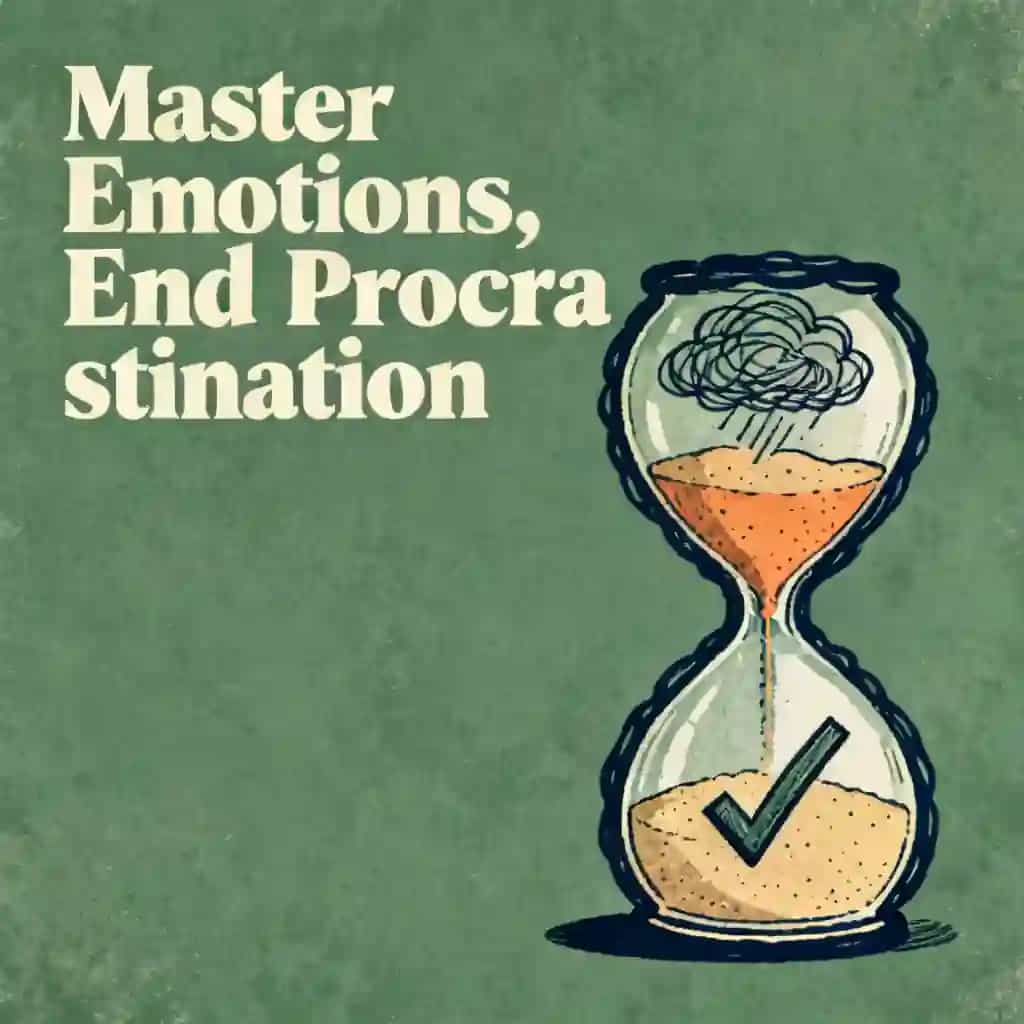
Procrastination isn't actually a character flaw; it's an emotion regulation problem. You aren't avoiding the task because you're bad at managing time, but because starting that task triggers something uncomfortable inside you like anxiety or fear.
Generated by Marc
I want to learn how to focus on working. I have been procrastinating a lot recently






Foire aux questions
Contrary to popular belief, procrastination is not a character flaw or a sign that you are lazy. Research suggests it is actually an emotion regulation problem where your brain attempts to avoid uncomfortable feelings like anxiety or boredom. Instead of being bad at time management, you are likely avoiding a task because starting it triggers a negative emotional response, leading your brain to seek immediate relief elsewhere.
Productive procrastination occurs when you stay busy with low-priority tasks, such as cleaning the kitchen or reorganizing folders, to avoid the specific work that truly matters. This happens because the primary task feels overwhelming or triggers a fear of failure. By doing other 'stuff,' you feel a temporary sense of accomplishment while still avoiding the emotional weight and invisible wall associated with your actual goals.
When faced with a daunting task that causes stress, your brain often reaches for a 'mood repair' to protect you from feeling bad. This might involve checking your phone or scrolling through social media because those actions provide an instant hit of relief compared to the anxiety of a big project. While this feels better for a few seconds, it creates a cycle of avoidance rooted in trying to manage difficult internal emotions.
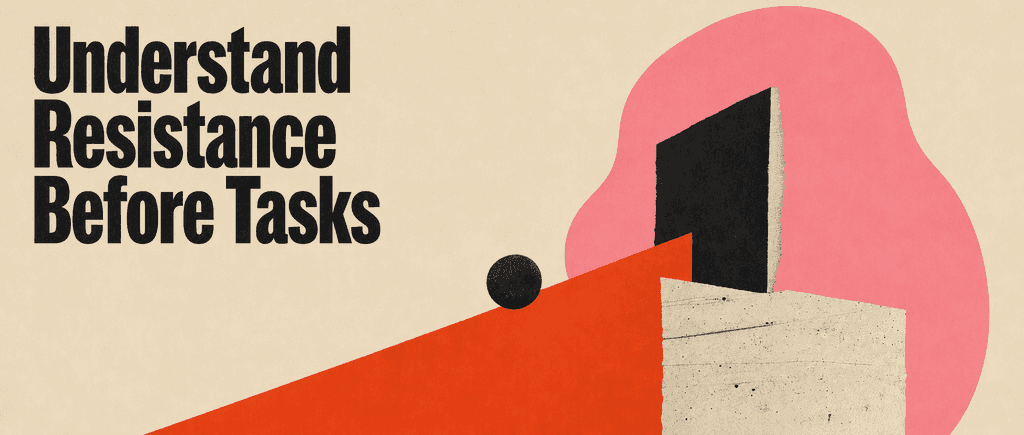
Anxiety and perfectionism are often the emotional roots that keep you frozen in front of your work. The nagging fear that you won't do a task perfectly can make the work feel like a heavy, invisible wall. Because your brain wants to avoid these uncomfortable feelings, it triggers a cycle of delay. Understanding that these emotions—rather than a lack of talent—are the cause can help you reframe why you are stuck.
Cree par des anciens de Columbia University a San Francisco
"Instead of endless scrolling, I just hit play on BeFreed. It saves me so much time."


"I never knew where to start with nonfiction—BeFreed’s book lists turned into podcasts gave me a clear path."


"Perfect balance between learning and entertainment. Finished ‘Thinking, Fast and Slow’ on my commute this week."
"Crazy how much I learned while walking the dog. BeFreed = small habits → big gains."
"Reading used to feel like a chore. Now it’s just part of my lifestyle."

"Feels effortless compared to reading. I’ve finished 6 books this month already."
"BeFreed turned my guilty doomscrolling into something that feels productive and inspiring."

"BeFreed turned my commute into learning time. 20-min podcasts are perfect for finishing books I never had time for."
"BeFreed replaced my podcast queue. Imagine Spotify for books — that’s it. 🙌"

"It is great for me to learn something from the book without reading it."
"The themed book list podcasts help me connect ideas across authors—like a guided audio journey."
"Makes me feel smarter every time before going to work"
Cree par des anciens de Columbia University a San Francisco
"Instead of endless scrolling, I just hit play on BeFreed. It saves me so much time."
"I never knew where to start with nonfiction—BeFreed’s book lists turned into podcasts gave me a clear path."
"Perfect balance between learning and entertainment. Finished ‘Thinking, Fast and Slow’ on my commute this week."
"Crazy how much I learned while walking the dog. BeFreed = small habits → big gains."
"Reading used to feel like a chore. Now it’s just part of my lifestyle."
"Feels effortless compared to reading. I’ve finished 6 books this month already."
"BeFreed turned my guilty doomscrolling into something that feels productive and inspiring."
"BeFreed turned my commute into learning time. 20-min podcasts are perfect for finishing books I never had time for."
"BeFreed replaced my podcast queue. Imagine Spotify for books — that’s it. 🙌"
"It is great for me to learn something from the book without reading it."
"The themed book list podcasts help me connect ideas across authors—like a guided audio journey."
"Makes me feel smarter every time before going to work"
"Instead of endless scrolling, I just hit play on BeFreed. It saves me so much time."
"I never knew where to start with nonfiction—BeFreed’s book lists turned into podcasts gave me a clear path."
"Perfect balance between learning and entertainment. Finished ‘Thinking, Fast and Slow’ on my commute this week."
"Crazy how much I learned while walking the dog. BeFreed = small habits → big gains."
"Reading used to feel like a chore. Now it’s just part of my lifestyle."
"Feels effortless compared to reading. I’ve finished 6 books this month already."
"BeFreed turned my guilty doomscrolling into something that feels productive and inspiring."
"BeFreed turned my commute into learning time. 20-min podcasts are perfect for finishing books I never had time for."
"BeFreed replaced my podcast queue. Imagine Spotify for books — that’s it. 🙌"
"It is great for me to learn something from the book without reading it."
"The themed book list podcasts help me connect ideas across authors—like a guided audio journey."
"Makes me feel smarter every time before going to work"
"Instead of endless scrolling, I just hit play on BeFreed. It saves me so much time."
"I never knew where to start with nonfiction—BeFreed’s book lists turned into podcasts gave me a clear path."
"Perfect balance between learning and entertainment. Finished ‘Thinking, Fast and Slow’ on my commute this week."
"Crazy how much I learned while walking the dog. BeFreed = small habits → big gains."
"Reading used to feel like a chore. Now it’s just part of my lifestyle."
"Feels effortless compared to reading. I’ve finished 6 books this month already."
"BeFreed turned my guilty doomscrolling into something that feels productive and inspiring."
"BeFreed turned my commute into learning time. 20-min podcasts are perfect for finishing books I never had time for."
"BeFreed replaced my podcast queue. Imagine Spotify for books — that’s it. 🙌"
"It is great for me to learn something from the book without reading it."
"The themed book list podcasts help me connect ideas across authors—like a guided audio journey."
"Makes me feel smarter every time before going to work"