BeFreed
    Categories>Communication skill>How to Write Compelling Email Content and Design for Audiences

    How to Write Compelling Email Content and Design for Audiences

    26 min
    |
    |
    10 avr. 2026
    Communication skillBusinessPsychology

    Learn to create compelling email content with personalized subject lines, attention-grabbing headlines, and optimized calls-to-action to engage your audience.

    How to Write Compelling Email Content and Design for Audiences

    Meilleure citation de How to Write Compelling Email Content and Design for Audiences

    “

    We spend hours on the perfect copy, but if the gatekeeper—the subject line—doesn't let them in, it’s all for nothing. We need to stop trying to be 'clever' and start being clear and strategic.

    ”

    Cette leçon audio a été créée par un membre de la communauté BeFreed

    Question posée

    Writing and designing compelling email content that resonates with target audiences, including personalized subject lines, attention-grabbing headlines, and clear calls-to-action.

    Voix des présentateurs
    Jacksonplay
    Niaplay
    Style d'apprentissage
    Ludique
    Sources de connaissances
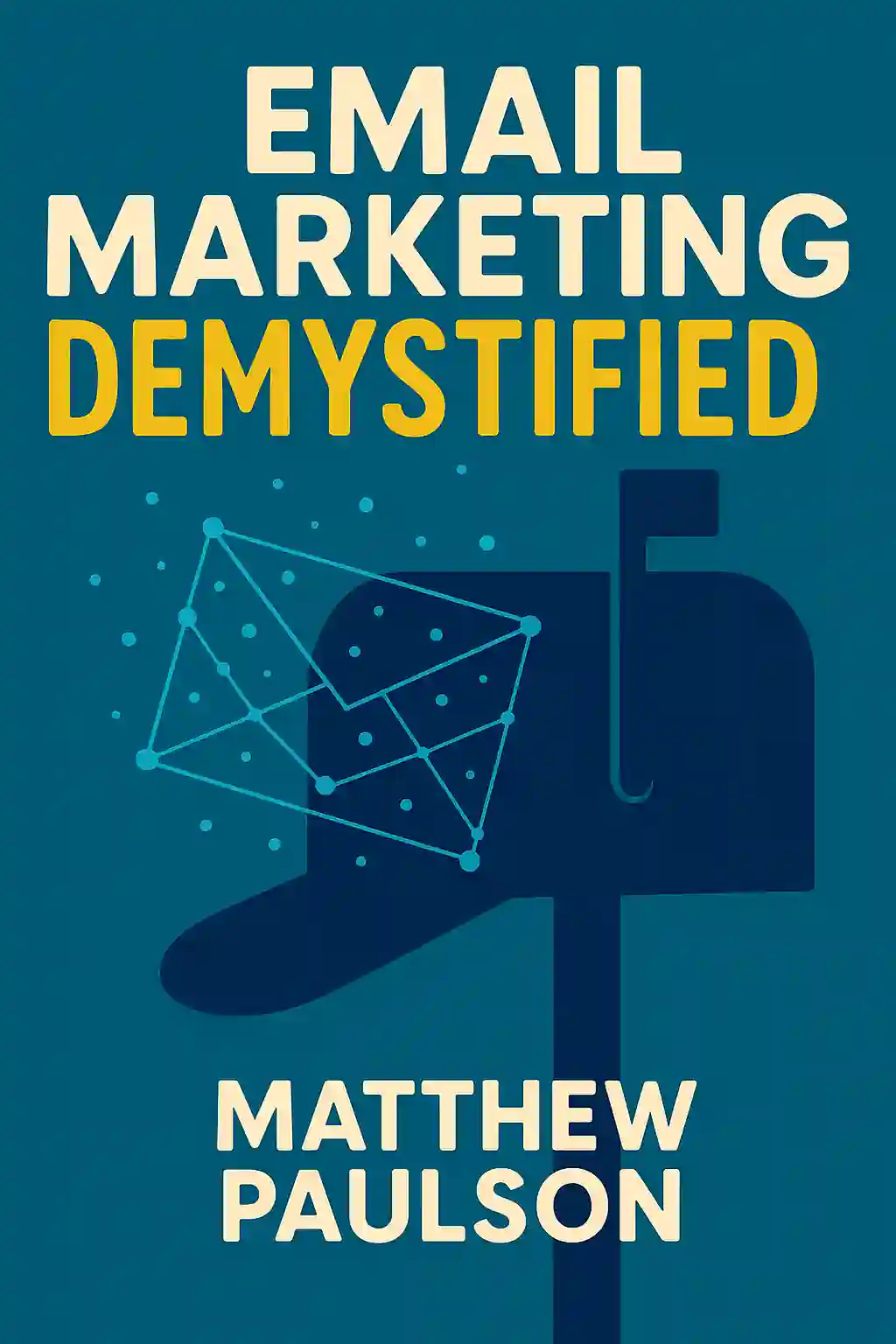
    Email Marketing Demystified
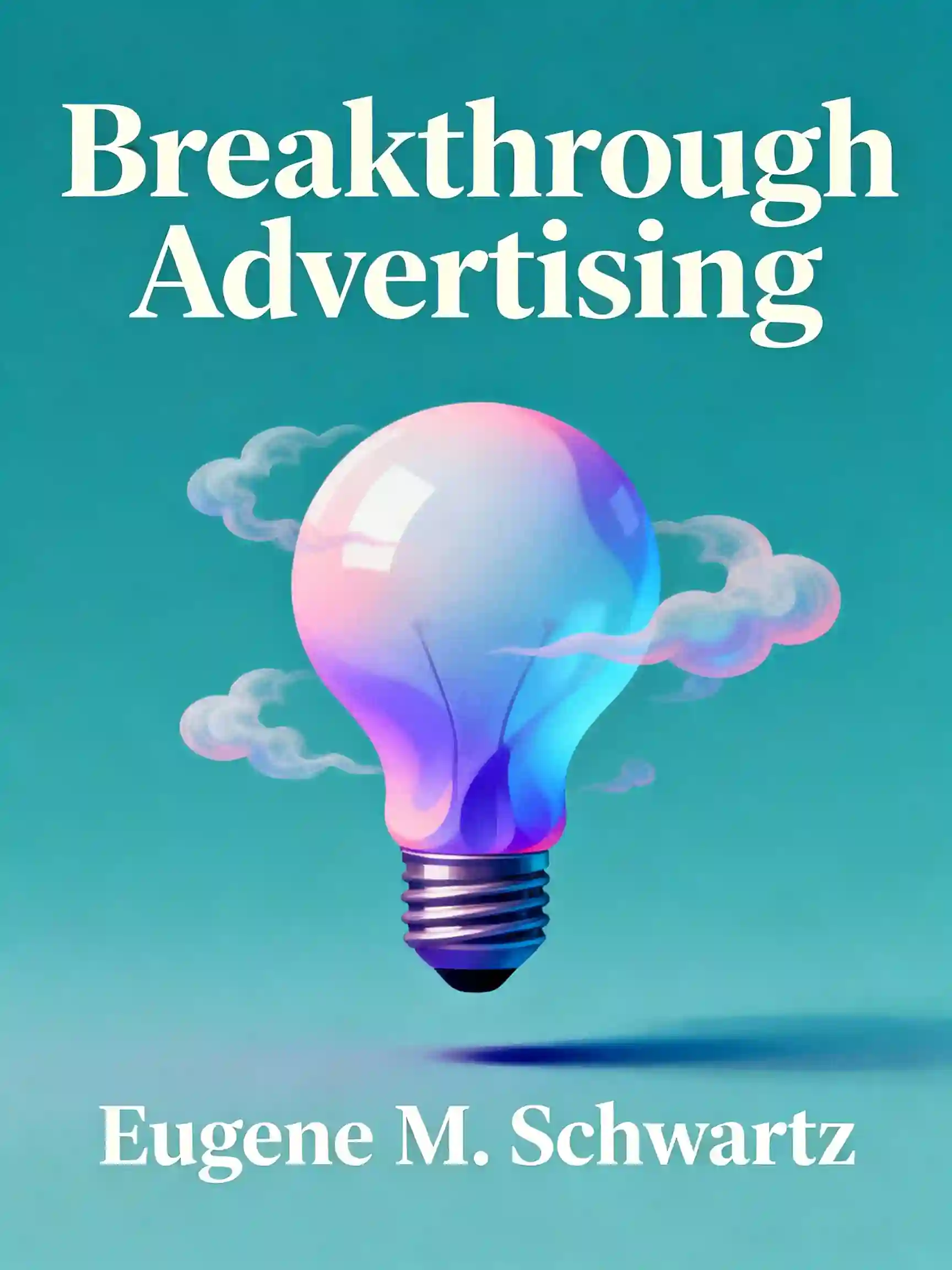
    Breakthrough Advertising
    The Ultimate Sales Letter, 4th Edition
    The Architecture of Persuasion
    Persuasive Copywriting
    Hook Point

    Foire aux questions

    Découvrir plus

    Generate a newsletter

    Generate a newsletter

    PLAN D'APPRENTISSAGE

    Generate a newsletter

    In today's digital landscape, newsletters have become a powerful tool for building direct relationships with audiences and customers. This learning plan provides essential skills for anyone looking to leverage email marketing effectively, whether you're a content creator, business owner, or marketing professional seeking to strengthen audience connections.

    2 h 3 m•4 Sections
    How to be a better author

    How to be a better author

    PLAN D'APPRENTISSAGE

    How to be a better author

    In today's content-saturated world, the difference between overlooked manuscripts and celebrated publications often lies in mastering both craft and strategy. This learning plan bridges creative artistry with practical publishing knowledge, ideal for aspiring authors seeking to transform their passion into professional success.

    2 h 42 m•4 Sections
    How to make someone interested through chats

    How to make someone interested through chats

    PLAN D'APPRENTISSAGE

    How to make someone interested through chats

    In an era dominated by digital interaction, mastering the art of textual charisma is essential for personal and professional success. This plan is ideal for anyone looking to build deeper connections and influence others through engaging, psychology-backed communication.

    2 h 40 m•4 Sections
    Sales Psychology for Compelling Content

    Sales Psychology for Compelling Content

    PLAN D'APPRENTISSAGE

    Sales Psychology for Compelling Content

    Understanding sales psychology is essential for creating content that drives action in today's attention economy. This learning plan benefits marketers, content creators, and entrepreneurs who want to move beyond simply informing their audience to actively influencing decisions and generating measurable results.

    1 h 50 m•4 Sections
    Boost My Productivity

    Boost My Productivity

    PLAN D'APPRENTISSAGE

    Boost My Productivity

    In an era of constant digital noise, mastering your attention and energy is the ultimate competitive advantage. This plan is designed for professionals and creatives who want to move beyond busywork to achieve high-impact results through systematic execution.

    3 h 10 m•4 Sections
    Attract women especially over text

    Attract women especially over text

    PLAN D'APPRENTISSAGE

    Attract women especially over text

    This learning plan is designed for men looking to bridge the gap between initial attraction and lasting connection in the modern dating landscape. It provides a comprehensive roadmap for those who want to master both real-world social skills and digital communication to build meaningful relationships.

    3 h 8 m•4 Sections
    Writing Well

    Writing Well

    PLAN D'APPRENTISSAGE

    Writing Well

    Strong writing skills are essential across virtually every career and creative pursuit, from business communication to personal expression. This comprehensive plan takes you from foundational principles through advanced techniques, making it valuable for professionals seeking to improve workplace communication, aspiring authors developing their craft, and anyone who wants to express their ideas more clearly and persuasively.

    2 h 40 m•4 Sections
    Build intimacy and attraction over text

    Build intimacy and attraction over text

    PLAN D'APPRENTISSAGE

    Build intimacy and attraction over text

    In an era of digital-first dating, many struggle to translate their true personality into text. This plan is designed for anyone looking to move past small talk and build genuine, high-attraction relationships through authentic communication and emotional intelligence.

    2 h 38 m•4 Sections

    Cree par des anciens de Columbia University a San Francisco

    BeFreed rassemble une communauté mondiale de 1,000,000 esprits curieux
    Decouvrez comment BeFreed est discute sur le web

    "Instead of endless scrolling, I just hit play on BeFreed. It saves me so much time."

    @Moemenn
    platform
    star
    star
    star
    star
    star

    "I never knew where to start with nonfiction—BeFreed’s book lists turned into podcasts gave me a clear path."

    @Chloe, Solo founder, LA
    platform
    comments
    12
    likes
    117

    "Perfect balance between learning and entertainment. Finished ‘Thinking, Fast and Slow’ on my commute this week."

    @Raaaaaachelw
    platform
    star
    star
    star
    star
    star

    "Crazy how much I learned while walking the dog. BeFreed = small habits → big gains."

    @Matt, YC alum
    platform
    comments
    12
    likes
    108

    "Reading used to feel like a chore. Now it’s just part of my lifestyle."

    @Erin, Investment Banking Associate , NYC
    platform
    comments
    254
    likes
    17

    "Feels effortless compared to reading. I’ve finished 6 books this month already."

    @djmikemoore
    platform
    star
    star
    star
    star
    star

    "BeFreed turned my guilty doomscrolling into something that feels productive and inspiring."

    @Pitiful
    platform
    comments
    96
    likes
    4.5K

    "BeFreed turned my commute into learning time. 20-min podcasts are perfect for finishing books I never had time for."

    @SofiaP
    platform
    star
    star
    star
    star
    star

    "BeFreed replaced my podcast queue. Imagine Spotify for books — that’s it. 🙌"

    @Jaded_Falcon
    platform
    comments
    201
    thumbsUp
    16

    "It is great for me to learn something from the book without reading it."

    @OojasSalunke
    platform
    star
    star
    star
    star
    star

    "The themed book list podcasts help me connect ideas across authors—like a guided audio journey."

    @Leo, Law Student, UPenn
    platform
    comments
    37
    likes
    483

    "Makes me feel smarter every time before going to work"

    @Cashflowbubu
    platform
    star
    star
    star
    star
    star

    Cree par des anciens de Columbia University a San Francisco

    BeFreed rassemble une communauté mondiale de 1,000,000 esprits curieux
    Decouvrez comment BeFreed est discute sur le web

    "Instead of endless scrolling, I just hit play on BeFreed. It saves me so much time."

    @Moemenn
    platform
    star
    star
    star
    star
    star

    "I never knew where to start with nonfiction—BeFreed’s book lists turned into podcasts gave me a clear path."

    @Chloe, Solo founder, LA
    platform
    comments
    12
    likes
    117

    "Perfect balance between learning and entertainment. Finished ‘Thinking, Fast and Slow’ on my commute this week."

    @Raaaaaachelw
    platform
    star
    star
    star
    star
    star

    "Crazy how much I learned while walking the dog. BeFreed = small habits → big gains."

    @Matt, YC alum
    platform
    comments
    12
    likes
    108

    "Reading used to feel like a chore. Now it’s just part of my lifestyle."

    @Erin, Investment Banking Associate , NYC
    platform
    comments
    254
    likes
    17

    "Feels effortless compared to reading. I’ve finished 6 books this month already."

    @djmikemoore
    platform
    star
    star
    star
    star
    star

    "BeFreed turned my guilty doomscrolling into something that feels productive and inspiring."

    @Pitiful
    platform
    comments
    96
    likes
    4.5K

    "BeFreed turned my commute into learning time. 20-min podcasts are perfect for finishing books I never had time for."

    @SofiaP
    platform
    star
    star
    star
    star
    star

    "BeFreed replaced my podcast queue. Imagine Spotify for books — that’s it. 🙌"

    @Jaded_Falcon
    platform
    comments
    201
    thumbsUp
    16

    "It is great for me to learn something from the book without reading it."

    @OojasSalunke
    platform
    star
    star
    star
    star
    star

    "The themed book list podcasts help me connect ideas across authors—like a guided audio journey."

    @Leo, Law Student, UPenn
    platform
    comments
    37
    likes
    483

    "Makes me feel smarter every time before going to work"

    @Cashflowbubu
    platform
    star
    star
    star
    star
    star

    "Instead of endless scrolling, I just hit play on BeFreed. It saves me so much time."

    @Moemenn
    platform
    star
    star
    star
    star
    star

    "I never knew where to start with nonfiction—BeFreed’s book lists turned into podcasts gave me a clear path."

    @Chloe, Solo founder, LA
    platform
    comments
    12
    likes
    117

    "Perfect balance between learning and entertainment. Finished ‘Thinking, Fast and Slow’ on my commute this week."

    @Raaaaaachelw
    platform
    star
    star
    star
    star
    star

    "Crazy how much I learned while walking the dog. BeFreed = small habits → big gains."

    @Matt, YC alum
    platform
    comments
    12
    likes
    108

    "Reading used to feel like a chore. Now it’s just part of my lifestyle."

    @Erin, Investment Banking Associate , NYC
    platform
    comments
    254
    likes
    17

    "Feels effortless compared to reading. I’ve finished 6 books this month already."

    @djmikemoore
    platform
    star
    star
    star
    star
    star

    "BeFreed turned my guilty doomscrolling into something that feels productive and inspiring."

    @Pitiful
    platform
    comments
    96
    likes
    4.5K

    "BeFreed turned my commute into learning time. 20-min podcasts are perfect for finishing books I never had time for."

    @SofiaP
    platform
    star
    star
    star
    star
    star

    "BeFreed replaced my podcast queue. Imagine Spotify for books — that’s it. 🙌"

    @Jaded_Falcon
    platform
    comments
    201
    thumbsUp
    16

    "It is great for me to learn something from the book without reading it."

    @OojasSalunke
    platform
    star
    star
    star
    star
    star

    "The themed book list podcasts help me connect ideas across authors—like a guided audio journey."

    @Leo, Law Student, UPenn
    platform
    comments
    37
    likes
    483

    "Makes me feel smarter every time before going to work"

    @Cashflowbubu
    platform
    star
    star
    star
    star
    star

    "Instead of endless scrolling, I just hit play on BeFreed. It saves me so much time."

    @Moemenn
    platform
    star
    star
    star
    star
    star

    "I never knew where to start with nonfiction—BeFreed’s book lists turned into podcasts gave me a clear path."

    @Chloe, Solo founder, LA
    platform
    comments
    12
    likes
    117

    "Perfect balance between learning and entertainment. Finished ‘Thinking, Fast and Slow’ on my commute this week."

    @Raaaaaachelw
    platform
    star
    star
    star
    star
    star

    "Crazy how much I learned while walking the dog. BeFreed = small habits → big gains."

    @Matt, YC alum
    platform
    comments
    12
    likes
    108

    "Reading used to feel like a chore. Now it’s just part of my lifestyle."

    @Erin, Investment Banking Associate , NYC
    platform
    comments
    254
    likes
    17

    "Feels effortless compared to reading. I’ve finished 6 books this month already."

    @djmikemoore
    platform
    star
    star
    star
    star
    star

    "BeFreed turned my guilty doomscrolling into something that feels productive and inspiring."

    @Pitiful
    platform
    comments
    96
    likes
    4.5K

    "BeFreed turned my commute into learning time. 20-min podcasts are perfect for finishing books I never had time for."

    @SofiaP
    platform
    star
    star
    star
    star
    star

    "BeFreed replaced my podcast queue. Imagine Spotify for books — that’s it. 🙌"

    @Jaded_Falcon
    platform
    comments
    201
    thumbsUp
    16

    "It is great for me to learn something from the book without reading it."

    @OojasSalunke
    platform
    star
    star
    star
    star
    star

    "The themed book list podcasts help me connect ideas across authors—like a guided audio journey."

    @Leo, Law Student, UPenn
    platform
    comments
    37
    likes
    483

    "Makes me feel smarter every time before going to work"

    @Cashflowbubu
    platform
    star
    star
    star
    star
    star
    1.5K Ratings4.7
    Commencez votre parcours d'apprentissage, maintenant
    BeFreed App
    BeFreed

    Apprenez n'importe quoi, personnalise

    DiscordLinkedIn
    Resumes de livres en vedette
    Crucial ConversationsThe Perfect MarriageInto the WildNever Split the DifferenceAttachedGood to GreatSay Nothing
    Categories tendance
    Self HelpCommunication SkillRelationshipMindfulnessPhilosophyInspirationProductivity
    Listes de lecture de celebrites
    Elon MuskCharlie KirkBill GatesSteve JobsAndrew HubermanJoe RoganJordan Peterson
    Collection primee
    Pulitzer PrizeNational Book AwardGoodreads Choice AwardsNobel Prize in LiteratureNew York TimesCaldecott MedalNebula Award
    Sujets en vedette
    ManagementAmerican HistoryWarTradingStoicismAnxietySex
    Meilleurs livres par annee
    2025 Best Non Fiction Books2024 Best Non Fiction Books2023 Best Non Fiction Books
    Auteurs en vedette
    Chimamanda Ngozi AdichieGeorge OrwellO. J. SimpsonBarbara O'NeillWinston ChurchillCharlie Kirk
    BeFreed vs autres applications
    BeFreed vs. Other Book Summary AppsBeFreed vs. ElevenReaderBeFreed vs. ReadwiseBeFreed vs. Anki
    Outils d'apprentissage
    Knowledge VisualizerAI Podcast Generator
    Informations
    A propos de nousarrow
    Tarifsarrow
    FAQarrow
    Blogarrow
    Carrieresarrow
    Partenariatsarrow
    Programme Ambassadeurarrow
    Repertoirearrow
    BeFreed
    Try now
    © 2026 BeFreed
    Conditions d'utilisationPolitique de confidentialite
    BeFreed

    Apprenez n'importe quoi, personnalise

    DiscordLinkedIn
    Resumes de livres en vedette
    Crucial ConversationsThe Perfect MarriageInto the WildNever Split the DifferenceAttachedGood to GreatSay Nothing
    Categories tendance
    Self HelpCommunication SkillRelationshipMindfulnessPhilosophyInspirationProductivity
    Listes de lecture de celebrites
    Elon MuskCharlie KirkBill GatesSteve JobsAndrew HubermanJoe RoganJordan Peterson
    Collection primee
    Pulitzer PrizeNational Book AwardGoodreads Choice AwardsNobel Prize in LiteratureNew York TimesCaldecott MedalNebula Award
    Sujets en vedette
    ManagementAmerican HistoryWarTradingStoicismAnxietySex
    Meilleurs livres par annee
    2025 Best Non Fiction Books2024 Best Non Fiction Books2023 Best Non Fiction Books
    Outils d'apprentissage
    Knowledge VisualizerAI Podcast Generator
    Auteurs en vedette
    Chimamanda Ngozi AdichieGeorge OrwellO. J. SimpsonBarbara O'NeillWinston ChurchillCharlie Kirk
    BeFreed vs autres applications
    BeFreed vs. Other Book Summary AppsBeFreed vs. ElevenReaderBeFreed vs. ReadwiseBeFreed vs. Anki
    Informations
    A propos de nousarrow
    Tarifsarrow
    FAQarrow
    Blogarrow
    Carrieresarrow
    Partenariatsarrow
    Programme Ambassadeurarrow
    Repertoirearrow
    BeFreed
    Try now
    © 2026 BeFreed
    Conditions d'utilisationPolitique de confidentialite

    Points clés

    1

    Winning the Battle for the Inbox

    0:00

    Jackson: Nia, I was just looking at my inbox and realized I’m part of a statistic. Apparently, the average professional gets hit with 121 emails every single day! It’s a total battlefield in there.

    0:14

    Nia: It really is. And here’s the kicker: about 47% of people decide whether to even open an email based solely on the subject line. If you don't nail those first few words, your entire masterpiece is basically dead on arrival.

    0:28

    Jackson: That’s wild. So, nearly half the battle is won or lost before they even see your actual content?

    0:35

    Nia: Exactly. We spend hours on the perfect copy, but if the gatekeeper—the subject line—doesn't let them in, it’s all for nothing. We need to stop trying to be "clever" and start being clear and strategic.

    0:47

    Jackson: I’m ready to stop my emails from dying in the inbox. Let’s dive into the Subject Line Lab and break down the formulas that actually earn that click.

    2

    The Subject Line Lab: Breaking Down the Four High-Converting Types

    0:57

    Jackson: Okay, Nia, let’s get tactical. If the subject line is the gatekeeper, we need a set of keys to get through. I’ve heard about curiosity gaps, but is that the only way?

    1:07

    Nia: Not at all. In fact, if you use curiosity every single time, your audience gets "curiosity fatigue." You have to mix it up. One of the most effective frameworks I’ve seen breaks high-converting lines into four main buckets: curiosity, urgency, benefit, and social proof.

    1:25

    Jackson: I love a good bucket system. Let’s start with curiosity. I see these all the time—the "You won’t believe this" type of stuff. Does that actually work in 2026?

    1:35

    Nia: It does, but only if you have a payoff. Think of it as an "open loop." You’re creating a gap between what they know and what they want to know. A classic example would be "this changed everything for us" or "The secret your competitors don't want you to know." It makes the brain want to "itch" that spot by clicking. But—and this is a big but—one study found that if your curiosity gap is too vague, it actually performs 8% worse than a plain, descriptive line. You need just enough context to make it relevant.

    2:05

    Jackson: Right, so "Guess what?" is a fail, but "The one metric that is killing your growth" gives them a reason to care. What about urgency? I feel like my inbox is constantly screaming that the world is ending in five hours.

    2:18

    Nia: That’s the "manufactured panic" trap. True urgency is about loss aversion—the psychological fact that the pain of losing something is twice as powerful as the joy of gaining it. But you have to be honest. If you say "Ends tonight" and the sale is still there tomorrow, you’ve just nuked your credibility. Real, calibrated urgency sounds like "Only 3 spots left—enroll today" or "Sale ends in 5 hours—don’t miss out." It triggers that FOMO, that fear of missing out, which is a massive motivator.

    2:48

    Jackson: It’s interesting how much trust plays into this. If I know you’re "crying wolf" with your deadlines, I’m just going to hit delete. Now, what about benefit-oriented lines? These seem more straightforward.

    2:59

    Nia: They are, and they’re incredibly powerful for educational or utility emails. You’re essentially answering the reader's question: "What’s in it for me?" Formulas like "Boost your sales by 25% in 7 days" or "7 proven ways to grow your email list" work because they promise a specific, desirable outcome. Numbers are huge here. Using a number in a subject line can actually increase opens by 15%.

    3:24

    Jackson: Why is that? Is it because it feels more concrete?

    0:35

    Nia: Exactly. It provides a "cognitive preview." The reader knows they’re getting a list, which feels easier to digest than a wall of text. And get this—odd numbers like five, seven, or nine actually outperform even numbers by about 4%. They feel less "manufactured."

    3:44

    Jackson: That’s such a cool little psychological quirk. Okay, so we’ve got curiosity, urgency, and benefits. What’s the fourth one?

    3:52

    Nia: Social proof and authority. Humans are tribal—we look for "safety signals" from others. Subject lines like "Join 50,000+ marketers using this tool" or "As seen in Forbes: The AI strategy that works" leverage the fact that others have already vetted this for you. It removes the risk of opening a "bad" email.

    4:09

    Jackson: So, it’s not just about what I’m saying, but who else is saying it. It’s like seeing a line outside a restaurant—you automatically assume the food is good.

    4:19

    Nia: Spot on. And when you combine these—like a "Benefit + Urgency" line such as "Get 50% off today only"—you’re hitting multiple psychological triggers at once. But remember, the goal isn't just to get the open; it's to set the stage for the content inside. If the subject line promises a miracle and the email is a boring press release, you’ve lost them for good.

    3

    The Information Gap: Mastering the Art of Personalization

    4:42

    Jackson: You mentioned earlier that personalization is a big deal, but I have to admit, seeing "Hi Jackson" in a subject line feels a bit... I don't know, 2015?

    4:52

    Nia: You’re totally right. Basic name-tag personalization—what I call "name-tag theater"—is table stakes now. It might give you a 10 to 14% lift, but everyone expects it. In 2026, the real power is in behavioral personalization.

    5:09

    Jackson: Okay, define "behavioral." Does that mean tracking my every move?

    5:13

    Nia: In a marketing sense, yes. It’s about referencing what the person has actually done. For example, instead of "Hey Jackson, check out our new shoes," it’s "Jackson, your running shoes are back in stock." That shift from generic to specific can drive a 26% lift in open rates. It’s not just about knowing their name; it’s about demonstrating that you understand their needs.

    5:36

    Jackson: So, it’s the difference between a random salesperson shouting your name on the street and a friend saying, "Hey, I found that book you were looking for."

    5:44

    Nia: Precisely! One study of over a thousand A/B tests showed that subject lines referencing past behavior—like products viewed or content consumed—consistently crushed generic ones. It taps into the Zeigarnik Effect, which is the psychological tendency to remember and want to complete unfinished tasks. If I looked at a pair of boots but didn't buy them, that’s an "open loop" in my brain. An email that says "Still thinking about those boots?" helps me close that loop.

    6:12

    Jackson: I’ve definitely fallen for that one before. It feels so much more relevant. But how do you do this if you’re not a giant e-commerce brand with a massive tech stack?

    6:21

    Nia: It’s simpler than you think. It starts with segmentation. You don't send the same email to a new subscriber as you do to a long-time customer. You can use dynamic content blocks that change based on what industry the person is in or what they’ve clicked on recently. For a B2B audience, you might use a subject line like "Your weekly growth report is ready." It feels like the email was written just for them because it contains data specific to their account.

    6:45

    Jackson: I guess that’s why "Your" is such a powerful word. I read somewhere that "Your" can outperform generic phrasing by 14% even without a name attached.

    6:55

    Nia: It’s true! It signals ownership. "Your March results" sounds a lot more important than "The March results." And this extends to the preview text too—that little snippet you see in your inbox next to the subject line. Most people waste that space with "View this email in your browser."

    7:12

    Jackson: Ugh, the ultimate wasted opportunity. It’s like having a billboard and leaving the bottom half blank.

    0:35

    Nia: Exactly. The pre-header is your "second subject line." If your subject line is the hook, the pre-header is the reel that pulls them in. It should complement the subject, not repeat it. If your subject is "Are you making these marketing mistakes?", your pre-header shouldn't be "Here are marketing mistakes." It should be something like "The third one is costing you $500 a month."

    7:39

    Jackson: Oh, that’s good. You’re opening another curiosity gap right there.

    7:44

    Nia: It’s all about layering those triggers. And we have to talk about length here because of the mobile factor. About 68% of people are opening these on their phones. If your subject line is too long, the most important part—the benefit or the hook—gets truncated.

    8:00

    Jackson: So, what’s the "Goldilocks" length? Not too long, not too short?

    8:03

    Nia: The sweet spot in 2026 seems to be between 28 and 50 characters. You want to front-load the value. Put the most important words at the beginning so that even if the end gets cut off, the "why" is still clear. I’ve seen brands use a sub-20 character subject line like "Quick question" to great effect because it feels like a personal text from a friend.

    8:25

    Jackson: It’s that pattern interrupt again. In a sea of "Exciting News: Our Q1 Newsletter Is Here!", a "Quick question" stands out because it doesn't look like an ad.

    0:35

    Nia: Exactly. It breaks the "marketing" filter our brains have developed. We’re all professional inbox-scanners now. We can spot a sales pitch a mile away. The goal of high-converting copy is to bypass that filter by being human, relevant, and concise.

    4

    The Hook and the Narrative: Writing Body Copy That Sticks

    8:53

    Jackson: Okay, so we’ve won the battle of the open. The person has clicked. Now what? I often find that the first line of an email is just... "I hope this email finds you well." Which, let’s be honest, is kind of a lie.

    9:07

    Nia: It’s the ultimate filler! If the subject line is the gatekeeper, the first line is the "second subject line." You have about eight to ten seconds to hold their attention before they move on. If you start with a generic greeting, you’ve just handed them the "delete" button on a silver platter.

    9:22

    Jackson: So, how do we "hook" them properly?

    9:24

    Nia: You have to start in the middle of the action or address a pain point immediately. One of the most effective opening techniques is to ask a thought-provoking question or state a surprising fact. For example, "Your welcome sequence is probably losing you money." Boom—now I have to keep reading to find out why.

    9:40

    Jackson: It’s like a movie that starts with a car chase instead of a slow introduction to the characters.

    9:46

    Nia: Exactly! Or use a story. Even in a short email, a touch of storytelling can create an emotional impact. People connect with stories more than facts. You could tell a mini-story about a customer who achieved success or a behind-the-scenes look at a mistake you made. The "Story-Teach-Offer" framework is great for this. You tell a quick story, extract a lesson, and then offer a solution that helps the reader apply that lesson.

    10:09

    Jackson: That sounds a lot more engaging than just listing features. I’ve noticed that when I read emails that feel like a "wall of text," I just give up. How do we make the body copy more readable?

    10:20

    Nia: Scannability is non-negotiable. Most people are reading on their phones while standing in line for coffee. They aren't "reading"—they're skimming. You need short paragraphs—one to three sentences max. Use bullet points. Bold the important phrases so that a skimmer can get the "gist" of the email in five seconds.

    10:36

    Jackson: I’ve heard the term "Benefit-driven copy" a lot. Is that just a fancy way of saying "tell them what they get"?

    10:43

    Nia: Sort of, but it’s deeper than that. A feature is what your product *does*; a benefit is what it *does for them*. For example, "Our software has AI-powered analytics" is a feature. "Stop spending three hours every Monday building reports manually" is the benefit. You have to pass the "So What?" test. Every time you write a sentence, ask "So what?" until you get to the actual human benefit.

    11:08

    Jackson: "We have a new dashboard." So what? "It shows everything in one place." So what? "You save an hour a day." Okay, that’s the winner.

    9:46

    Nia: Exactly! That’s the line that goes at the top. And you want to use "active" language. Instead of saying "the report needs to be completed," say "complete the report." It’s more persuasive and direct. But you also want to keep it conversational. A great rule of thumb is to read your email out loud. If you sound like a corporate press release, rewrite it. If you sound like you’re explaining something to a friend over coffee, you’re on the right track.

    11:41

    Jackson: What about the "One Email, One Job" rule? I’ve seen emails that ask me to follow them on Instagram, read their blog, buy a product, and refer a friend all in one go.

    11:53

    Nia: That is a "hostage negotiation," not an email! It triggers the "Paradox of Choice." When you give people too many options, they often choose none because the cognitive load is too high. Every email should have exactly one goal. One call to action. If you want them to click a link, make that the focus. If you want a reply, ask for one.

    12:13

    Jackson: So, focus is the name of the game. But how do you actually get them to click that one button? That seems like the hardest part.

    12:21

    Nia: That’s all about the CTA—the Call to Action. Most people use "Click Here" or "Learn More," which are just directions. A high-converting CTA is a *promise*. Instead of "Download," use "Get My Free Guide." Instead of "Register," use "Save My Seat." You’re telling them what happens *after* they click. It’s the difference between a sign that says "Door" and a sign that says "Enter for Free Pizza." Which one are you more likely to open?

    5

    The CTA Closer: Writing Buttons That Actually Get Clicked

    12:47

    Jackson: Okay, I’m definitely going for the free pizza door. So, the CTA shouldn't just be a command—it should be a value-driven promise. But where do you put it? At the very end, like a grand finale?

    12:59

    Nia: Not necessarily. In longer emails, you actually want to repeat your CTA. People have different "convincibility thresholds." Some might be ready to click after the first paragraph, while others need the full story. If you only have one button at the bottom, the early-convinced people have to scroll—and every scroll is a chance for them to get distracted and leave.

    13:19

    Jackson: That makes total sense. So, a link early on for the "skimmers" and a button at the end for the "readers"?

    0:35

    Nia: Exactly. And the visual design matters too. The CTA needs to stand out. If it’s just a blue link in a sea of blue links, it’s invisible. Use a high-contrast button. And the "micro-copy"—the words on the button—should complete the sentence "I want to..." from the user's perspective. "I want to... Get my free audit" is much more compelling than "I want to... Submit."

    13:46

    Jackson: I’ve also seen people use a "P.S." at the very end. Is that still a thing? It feels a little old-school.

    13:52

    Nia: Oh, the P.S. is a powerhouse! It’s often the second most-read part of the email after the subject line. Skimmers often scroll straight to the bottom to see how long the email is, and they stop at the P.S. It’s the perfect place to restate your main benefit, add a final bit of urgency, or handle a common objection. For example, "P.S. Still not sure? Our 30-day money-back guarantee means there’s literally zero risk."

    14:19

    Jackson: It’s like the "one more thing" at the end of a pitch. It’s that final nudge. Now, what about social proof? We talked about it for subject lines, but how does it work in the body copy?

    14:29

    Nia: It’s the ultimate doubt-killer. You can tell me your product is "amazing" all day long, and I’ll be skeptical. But if you show me a testimonial from someone just like me who achieved a specific result, my defenses go down. The key is "similarity." If I’m a small business owner, show me a quote from another small business owner. Generic praise like "Great product!" is useless. You want specific transformations: "I was spending 4 hours a day on admin, and this tool cut it down to 20 minutes."

    14:59

    Jackson: Specificity equals credibility. I love that. It’s much harder to argue with a number than an adjective.

    0:35

    Nia: Exactly. And don't be afraid to address "the other side." If your product is expensive, acknowledge it! Say, "This costs more upfront, but it pays for itself in six months." Anticipating and negating objections before the reader even has them is a high-level persuasion move. It shows you’re honest and you understand their concerns.

    15:25

    Jackson: It builds that "friend over coffee" vibe you mentioned. It’s not a polished sales pitch; it’s a real conversation.

    15:32

    Nia: Right! And speaking of conversations, what about the "Benjamin Franklin effect"? It’s this psychological quirk where asking someone for a small favor actually makes them like you more. In an email, this could be asking for a quick reply or a one-minute survey. It creates a bond. Once they’ve done a small thing for you, they’re much more likely to do a bigger thing—like making a purchase—later.

    15:52

    Jackson: That’s the "Foot-in-the-Door" technique! You start with a tiny "yes" to pave the way for a big "yes."

    4:19

    Nia: Spot on. It’s all about creating momentum. Every click, every reply, every open is a micro-conversion that leads them down the path toward your ultimate goal. You’re not just sending an email; you’re managing a journey. And that journey has to be smooth, human, and—above all—valuable at every single step.

    6

    The Psychology of the Inbox: Timing, Testing, and Triggers

    16:20

    Jackson: We’ve talked a lot about the "what," but what about the "when"? Does it really matter if I send an email on a Tuesday morning versus a Saturday night?

    16:29

    Nia: It matters more than you think, but less than it used to. In the old days, everyone said "Tuesday at 10 AM local time" was the golden rule. But now, with AI and Send-Time Optimization, we can be much more precise. AI tools now analyze each individual subscriber’s engagement history. If Nia always checks her email at 8 PM after work, the system will hold the email and deliver it then.

    16:51

    Jackson: That’s incredible. So, my email lands at the top of the inbox exactly when they’re most likely to see it.

    0:35

    Nia: Exactly. It can lift open rates by 15 to 23% just by checking a box in your settings. But if you don't have those tools, the general fallbacks still apply. For B2B, mid-week mornings are usually best—avoiding the Monday "inbox clearing" and the Friday "early checkout." For B2C, evenings and weekends can actually work better because people have more leisure time to browse and shop.

    17:19

    Jackson: And what about A/B testing? I’ve tried it before, but I usually just test two different subject lines, see which one wins by a couple of opens, and call it a day. Is that enough?

    17:29

    Nia: That’s what we call "theater testing." If Version A gets 22% and Version B gets 23%, that’s probably just random noise. To do it right, you need statistical significance—usually a 95% confidence level. And you should only test one variable at a time. If you change the subject line *and* the sender name *and* the body copy, you have no idea what actually caused the win.

    17:54

    Jackson: It’s like a science experiment. You have to isolate the variable. What are the most important things to test?

    18:00

    Nia: I’d start with the subject line, obviously—that’s your biggest lever for opens. Then test your "first line" or pre-header text. After that, test your CTA copy and placement. Those are the things that actually move the needle on revenue. And don't just look at open rates! A subject line might get a ton of opens but zero clicks if it’s misleading. That’s "clickbait," and it hurts you in the long run. You have to follow the money downstream to the conversion.

    18:24

    Jackson: Right, because an open is just a vanity metric if it doesn't lead to an action. What about emojis? I see people using them all the time. Are they a "must-have" or a "must-avoid"?

    18:36

    Nia: It’s totally audience-dependent. For a DTC skincare brand, an emoji can add personality and make the email stand out visually. One study showed it can increase opens by up to 56% in some industries. But for a B2B law firm? It might look unprofessional and actually decrease opens by 7%. You have to test it with your specific crowd.

    18:58

    Jackson: It all comes back to "Know Your Audience." There are no universal rules, just universal psychological principles.

    0:35

    Nia: Exactly. Like the "Curiosity Gap" we mentioned. It works across every industry because the human brain is hard-wired to close gaps. But the way you *frame* that gap changes. For a tech enthusiast, it might be about a new feature. For a busy parent, it might be about a time-saving hack. You have to speak their language.

    19:25

    Jackson: And avoid those "Spam Triggers." I’ve heard that using "FREE" in all caps or too many exclamation marks can send you straight to the junk folder.

    19:34

    Nia: It’s a real risk. ISPs like Gmail and Outlook are constantly scanning for patterns associated with spam. But it’s not just about words; it’s about engagement. If people open your emails and immediately delete them, or if they never open them at all, your "sender reputation" takes a hit. Eventually, the filters will just start dumping you in the spam folder because they think your content is unwanted.

    19:57

    Jackson: So, high-converting copy isn't just about sales; it’s about survival! If your copy is boring, you’re literally training the inbox filters to hide you.

    20:06

    Nia: That’s a great way to put it. Good copy is a deliverability strategy. Every time someone engages with your email, it sends a positive signal to the ISP that says, "Hey, this sender is legit. People like this stuff." It’s a compounding loop—better copy leads to more engagement, which leads to better inbox placement, which leads to even more engagement.

    7

    The Practical Playbook: Your Step-by-Step Email Audit

    20:27

    Jackson: Nia, we’ve covered a massive amount of ground today. I’m feeling inspired, but also a little overwhelmed. If I wanted to sit down right now and fix one of my email campaigns, where do I start?

    20:39

    Nia: Let’s break it down into a "Practical Playbook." Step one: Identify the goal. Before you write a single word, ask: "What is the one thing I want the reader to do?" Is it to buy a product, book a call, or just read a blog post? Pick one.

    20:54

    Jackson: Okay, one goal. Step two?

    20:57

    Nia: Define the target segment. Don't send it to everyone. Are they new leads, past customers, or "cold" subscribers? The tone and the offer should be different for each. Then, move to the subject line. Draft five to ten variations using the formulas we discussed—curiosity, benefit, urgency, and social proof.

    21:15

    Jackson: I like that. Drafting ten forced me to get past the boring, obvious ones. What about the "Mobile-First" check?

    21:22

    Nia: That’s step three. Keep your subject line between 28 and 50 characters. Front-load the most important words. Check your pre-header text—make sure it’s not "View in browser." It should be a "hook" that supports the subject line.

    21:35

    Jackson: Got it. Now we’re in the body of the email. What’s the checklist there?

    21:39

    Nia: Step four: The "So What?" test. Look at every sentence. Does it describe a feature or a benefit? If it’s a feature, keep asking "So what?" until you find the transformation. Step five: Read it out loud. Does it sound like a friend or a robot? Use contractions, ask questions, and keep paragraphs short—no more than three sentences.

    21:59

    Jackson: And the CTA?

    22:01

    Nia: Step six: The "Promise" check. Look at your button copy. Is it a boring direction like "Click Here," or is it a value-driven promise like "Start My Free Trial"? Make sure it stands out visually and is repeated if the email is long.

    22:15

    Jackson: And finally, the P.S.?

    22:17

    Nia: Step seven: Use the "Second Chance" space. Add a P.S. that handles one final objection or adds a bit of urgency for the skimmers. Then—and this is crucial—send a test email to yourself. Check how it looks on your phone. Are the links working? Is the button easy to tap with a thumb?

    22:34

    Jackson: That "thumb test" is a great tip. I’ve definitely struggled to click tiny links on a mobile screen before.

    22:41

    Nia: It’s the small frictions that kill conversions. If you make it even slightly hard for people to take action, they won't. You want to make the path from "inbox" to "conversion" as smooth as a greased slide.

    22:53

    Jackson: I’m actually excited to go through my old sequences now and see where I’ve been "crying wolf" with urgency or burying my CTAs.

    23:02

    Nia: It’s a process of continuous iteration. You don't have to get it perfect on day one. Just start testing. Log your results. See what *your* specific audience responds to. Maybe they love emojis, or maybe they hate them. Maybe they want long, story-driven emails, or maybe they want 50-word "quick hits." The data will tell you the truth.

    23:22

    Jackson: It’s about building a proprietary playbook for your own brand. Not just following someone else’s benchmarks, but finding out what makes *your* people click.

    0:35

    Nia: Exactly. And remember, every email is an opportunity to build trust. If you consistently provide value and treat your subscribers with respect, they’ll look forward to seeing your name in their inbox. And when that happens, you’ve already won the battle for the open.

    8

    Closing Reflections: From Broadcast to Connection

    23:48

    Jackson: Nia, this has been such a deep dive. I think my biggest takeaway is that email marketing isn't a "broadcast" channel—it’s a connection channel. It’s the one place where we get to have a direct, one-on-one conversation with our audience without any social media algorithms getting in the way.

    24:06

    Nia: You’ve hit the nail on the head. In 2026, with all the noise and the AI-generated content out there, human connection is the ultimate competitive advantage. Writing high-converting copy isn't about "tricking" people into clicking; it’s about clearly communicating how you can help them solve a problem or achieve a goal.

    24:24

    Jackson: It’s about empathy, really. Putting yourself in the shoes of that person who has 121 emails to get through and asking, "How can I make their life easier or better in the next three minutes?"

    24:36

    Nia: Precisely. Whether it’s through a curiosity gap that sparks a bit of joy, or a clear benefit that saves them time, every email should be a value-exchange. If you keep that at the heart of your strategy, the conversions will follow.

    24:49

    Jackson: So, to everyone listening, I hope you’re feeling as ready as I am to go give your inbox strategy a major upgrade. Maybe start small—pick one email, apply the "So What?" test, and rewrite that subject line to be more mobile-friendly.

    25:04

    Nia: And don't be afraid to show a little personality! People don't buy from logos; they buy from people. Your "voice" is what sets you apart from the sea of generic marketing noise. Let it shine through.

    25:16

    Jackson: Such a good point. Well, this has been fascinating. I’m definitely going to be looking at my own inbox differently from now on.

    25:22

    Nia: Me too! It’s amazing how much science and psychology are hidden behind those little subject lines.

    0:14

    Jackson: It really is. Thank you for walking us through this today, Nia. And to our listeners, thank you for joining us. We hope you found these insights as actionable and inspiring as we did.

    25:38

    Nia: Absolutely. It’s been a blast. Now, go out there and win that battle for the inbox!

    25:44

    Jackson: Take a moment today to look at your most recent marketing email. If you were your customer, would you open it? Would you click that button? Reflect on that one change you can make to be more human and more helpful. Thanks for listening.

    25:57

    Nia: Take care, everyone. Reflect on what you’ve learned and try applying just one of these techniques to your next send. You might be surprised at the results!

    Dans le même genre

    podcast cover
    Tinderprofile.aiFrom Chat to Date: The Ultimate 3-step Tinder messaging strategy for success11 Online Dating First Message Examples That Get ResponsesConversation Casanova
    6 sources
    Tinder Openers That Actually Get Responses
    Discover the science-backed strategies to craft compelling first messages that stand out from generic 'Hey' texts. Learn the PQC method and psychology behind messages that spark genuine connections.
    9 min
    podcast cover
    Science Research Writing for Non-Native Speakers of EnglishHow to Read a PaperDo I Make Myself Clear?The Sense of Style
    28 sources
    The Physician’s Inbox: Mastering High-Impact Medical Newsletters
    Learn how to bypass inbox fatigue and build physician trust through scientific storytelling, data-driven subject lines, and efficient visual architecture.
    30 min
    podcast cover
    Email Marketing DemystifiedSell Like CrazyThis Is MarketingAutomating Salesforce Marketing Cloud
    25 sources
    Automated email sequences that drive more revenue
    Manual emails are exhausting and less effective. Learn how to use automated triggers to reach customers at the right time and boost your conversions.
    20 min
    podcast cover
    Email Marketing DemystifiedDuct Tape MarketingTractionNew Rules of Marketing and PR
    28 sources
    Email marketing tips to grow your small business
    Stop letting algorithms bury your content. Learn how to build an organic list and use automation to turn every dollar spent into a $36 return.
    23 min
    podcast cover
    Wait, How Do I Write This Email?Writing That Works7 Effective Ask For Promotion Email Templates & Examples25 ready-to-use professional email examples & templates
    6 sources
    Master Email Templates for Career Advancement
    Transform your professional emails into powerful career tools. Learn psychology-backed templates for promotions, networking, and salary negotiations that get results.
    13 min
    podcast cover
    Email Marketing Demystified10 Email Persuasion Techniques Backed by Science5 Best Persuasive Techniques to Help You Write Email Copy That ConvertsThe Art of Influencing Anyone
    6 sources
    The Instant Response Formula
    Master the science-backed psychology and proven techniques that transform ordinary emails into response magnets. Learn the complete framework for crafting messages recipients can't ignore.
    9 min
    book cover
    Great Leads
    Michael Masterson
    Master six proven openings that transform readers into buyers instantly.
    9 min
    book cover
    Email Marketing Demystified
    Matthew Paulson
    Unlock the power of email marketing with proven strategies to build lists, craft compelling copy, and skyrocket sales.
    9 min