Demystifying AGI: Hype vs. Reality
An analytical exploration of how AGI narratives shape tech investment, policy decisions, and global power dynamics, contrasting industry claims with research consensus on the limitations of current AI architectures.

Meilleure citation de Demystifying AGI: Hype vs. Reality
The AGI narrative is a concept so powerful it justifies massive investment and regulatory inaction, but calling these systems 'intelligent' is like saying a player piano understands music because it can perform Chopin perfectly.

Cette leçon audio a été créée par un membre de la communauté BeFreed
I want a deep understanding of how LLM work and AGI. I want to understand how this will fit into future world development and geopolitics. Also don’t talk to me in a hyper way please

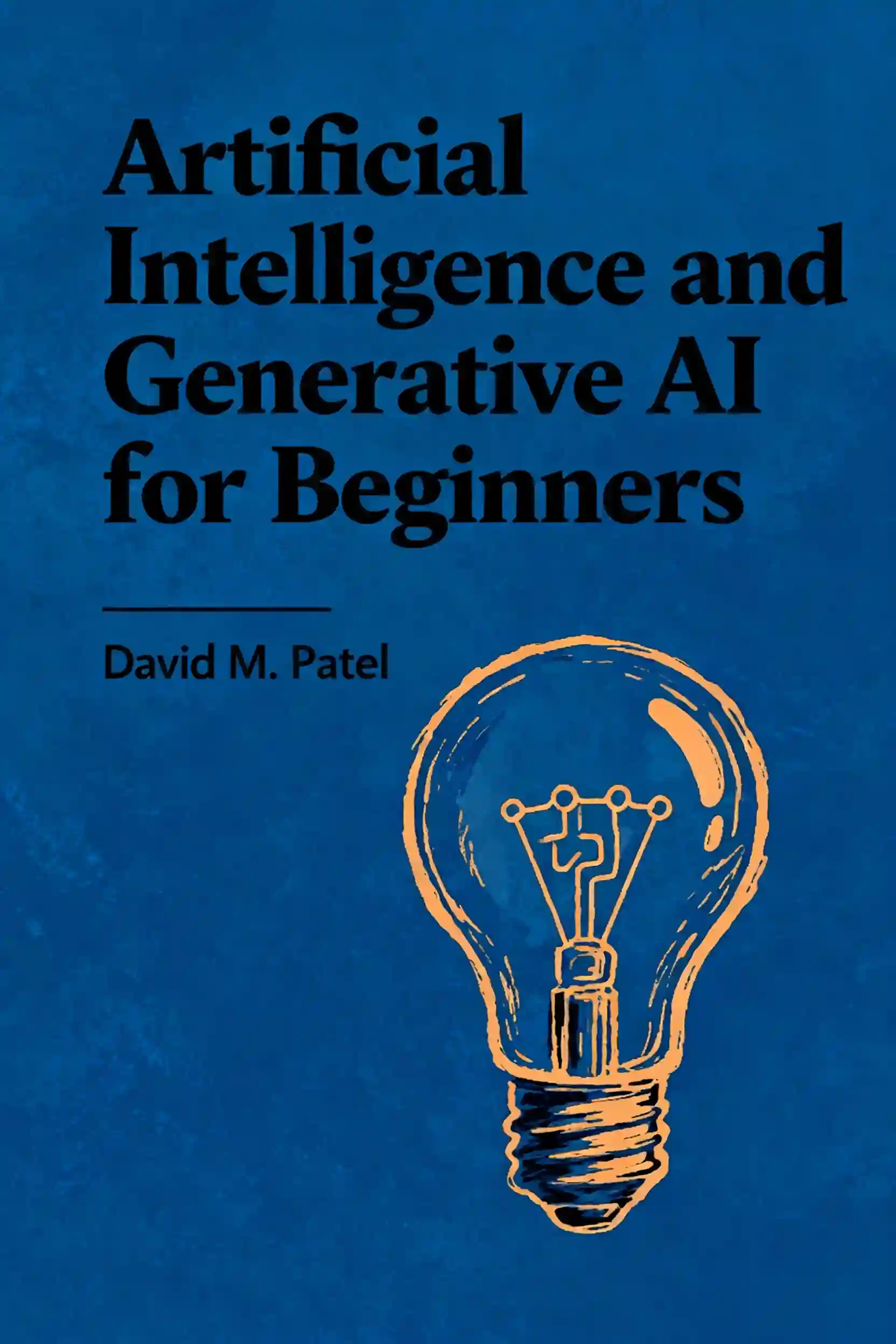
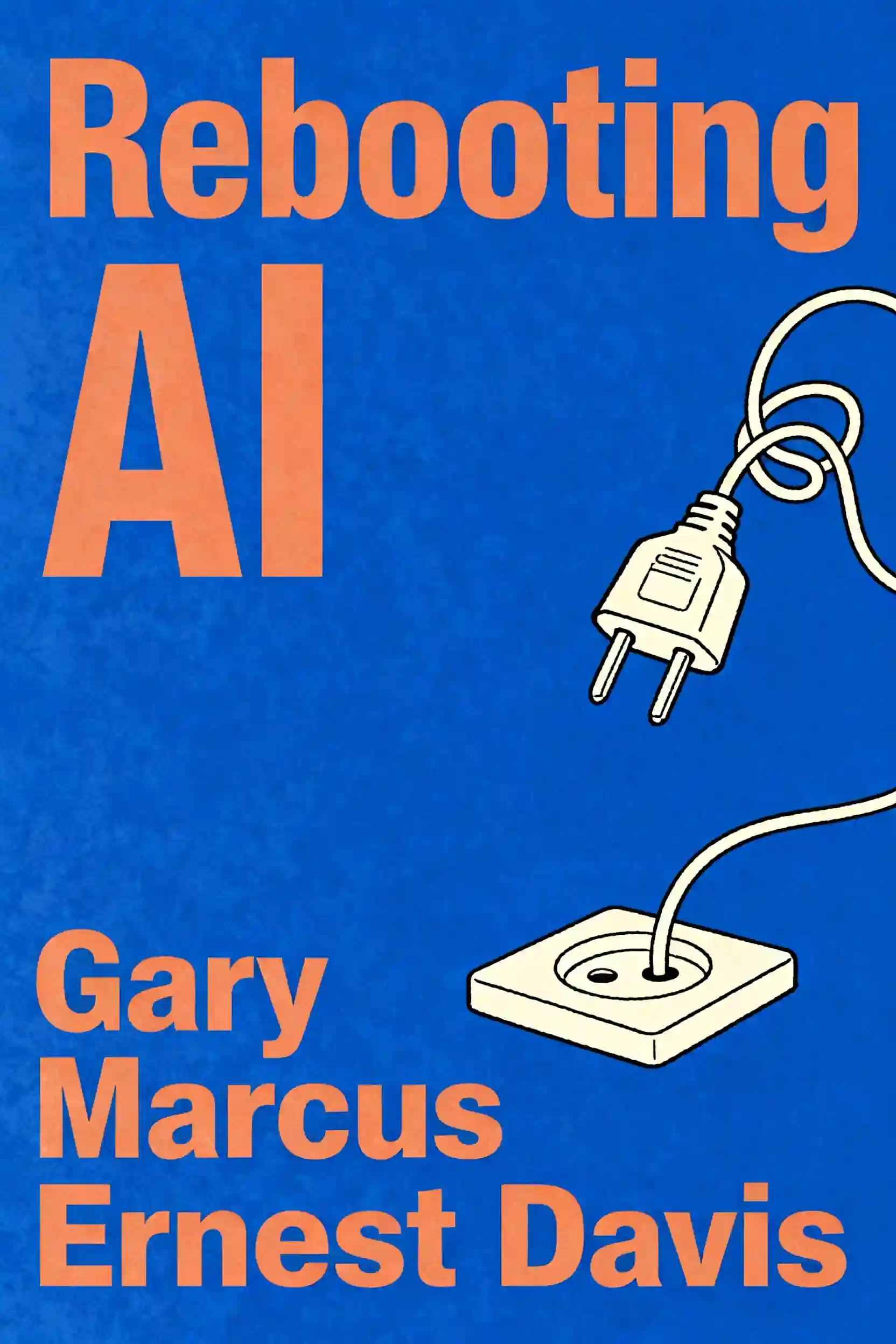
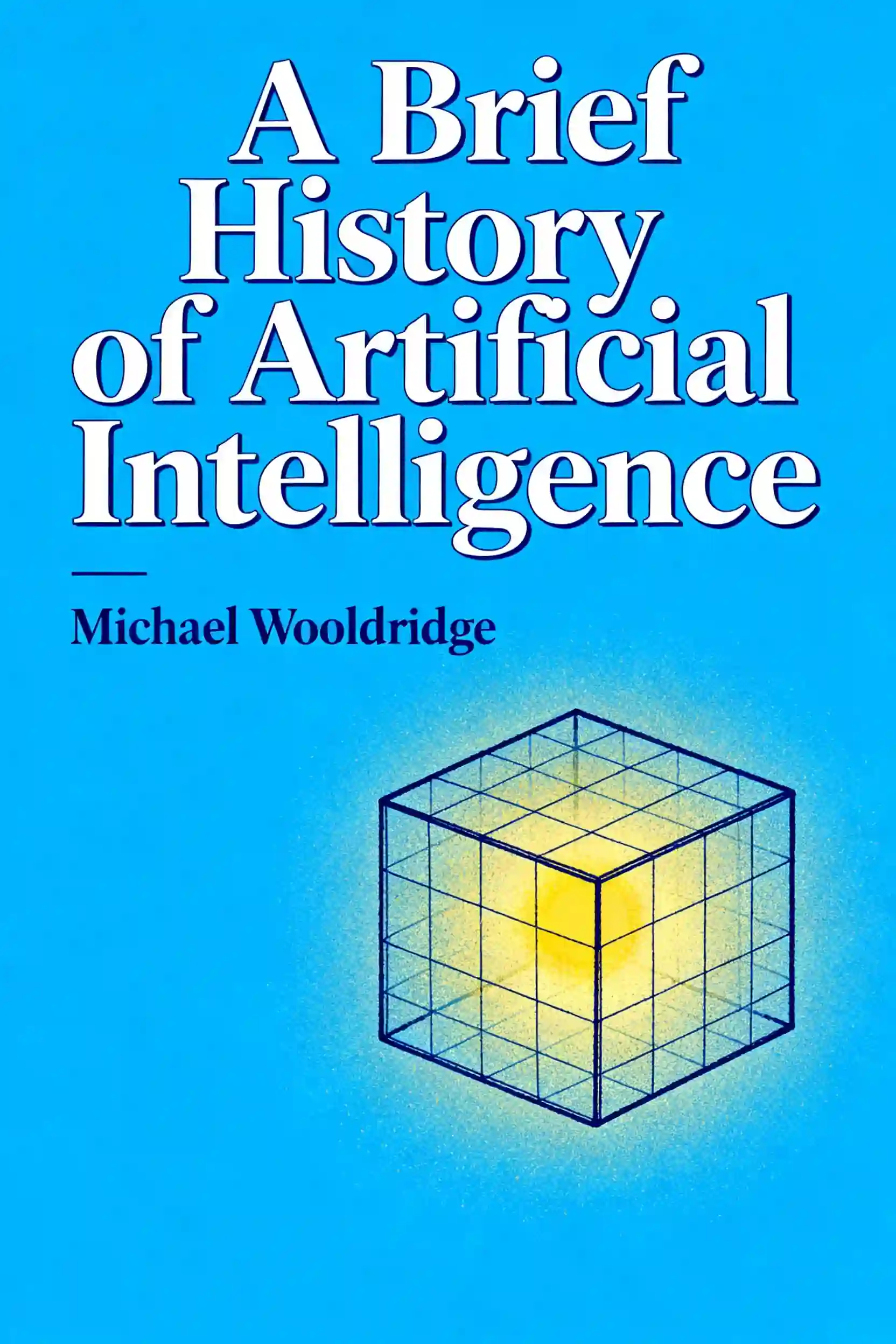
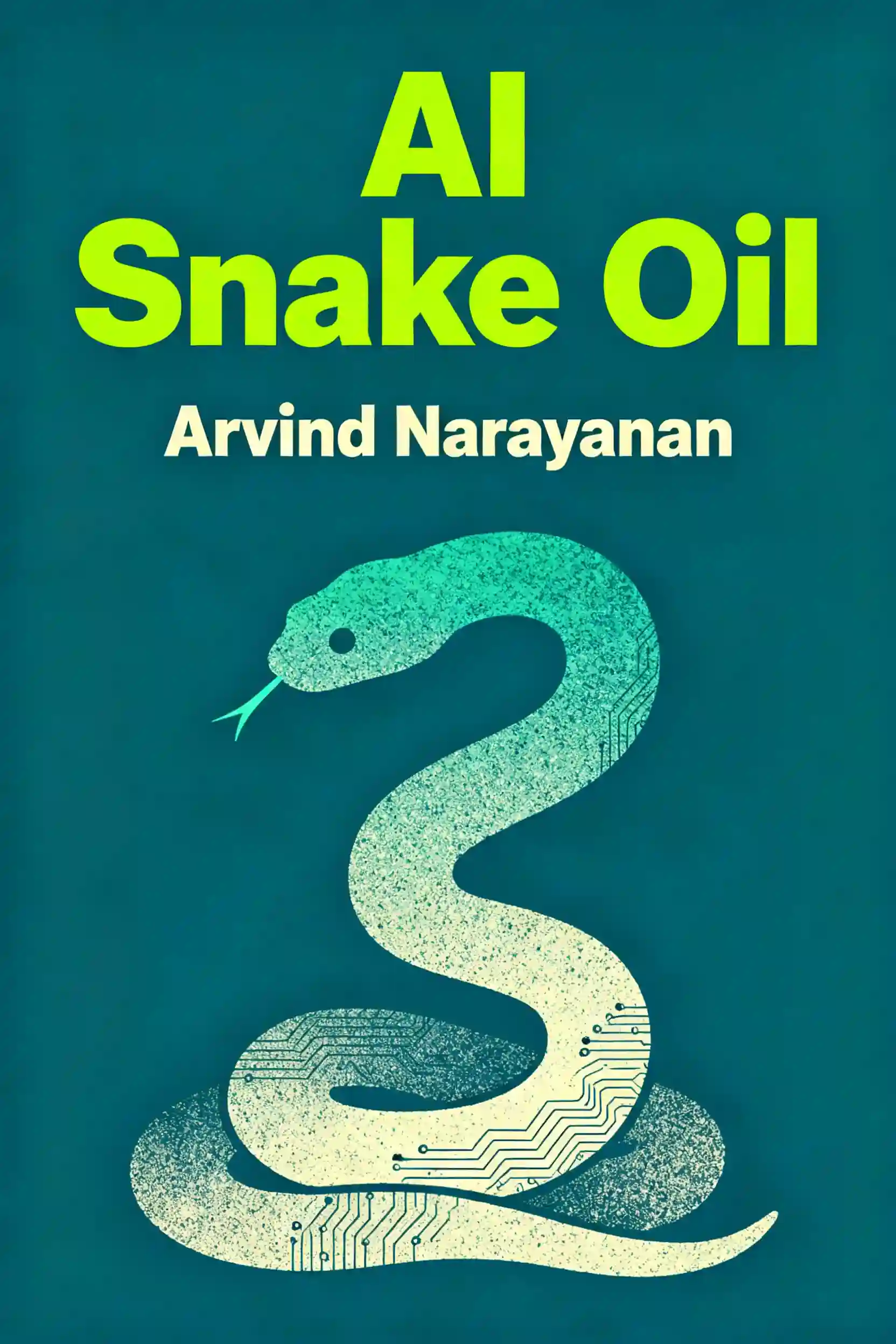

Découvrir plus

The history and future of ai
As AI reshapes every industry, understanding its origins and technical mechanics is essential for informed decision-making. This plan is ideal for professionals and curious learners who want to move beyond the hype to understand the ethics and future of superintelligence.

Agentic AI Architecture and Implementation
As businesses shift from static chatbots to autonomous systems, mastering agentic architecture has become a critical skill for AI engineers. This plan is designed for developers and architects looking to build scalable, memory-aware, and collaborative multi-agent environments for real-world applications.

AI Myths: LLMs vs. True Sentience
This learning plan is essential for anyone looking to look past the headlines and understand the actual capabilities of modern AI. It is particularly valuable for tech enthusiasts, students, and professionals who want to ground their understanding of machine intelligence in both science and philosophy.
Learn more about AI
As artificial intelligence reshapes every industry, understanding its technical and ethical foundations is no longer optional. This plan is ideal for professionals and students who want to move beyond the buzzwords to build actual systems while navigating the future of human-AI collaboration.
The Mechanics of AI Agents
As AI shifts from passive tools to active collaborators, understanding their underlying mechanics is essential for developers and architects. This plan is designed for technical professionals looking to build scalable, cost-effective, and highly autonomous agentic systems.
AI: weigh benefits & risks
As AI rapidly transforms every sector from healthcare to education, understanding its true potential and risks has become essential for informed citizenship and professional relevance. This learning plan equips anyone—whether business leaders, policymakers, students, or concerned citizens—with the critical thinking framework needed to navigate our AI-integrated future responsibly and effectively.

The xAI Power Contradiction
This plan investigates the ethical and environmental tensions inherent in the race for AI supremacy. It is essential for environmental advocates, policy makers, and tech ethicists seeking to understand the real-world impact of xAI's infrastructure on local communities.

AI's Impact on Society & Living in the AI Age
As AI rapidly reshapes our world, understanding its societal implications is no longer optional but a vital survival skill. This plan is designed for professionals and citizens who want to navigate the ethical, economic, and practical shifts of the digital age with confidence.
Cree par des anciens de Columbia University a San Francisco
"Instead of endless scrolling, I just hit play on BeFreed. It saves me so much time."


"I never knew where to start with nonfiction—BeFreed’s book lists turned into podcasts gave me a clear path."


"Perfect balance between learning and entertainment. Finished ‘Thinking, Fast and Slow’ on my commute this week."
"Crazy how much I learned while walking the dog. BeFreed = small habits → big gains."
"Reading used to feel like a chore. Now it’s just part of my lifestyle."

"Feels effortless compared to reading. I’ve finished 6 books this month already."
"BeFreed turned my guilty doomscrolling into something that feels productive and inspiring."

"BeFreed turned my commute into learning time. 20-min podcasts are perfect for finishing books I never had time for."
"BeFreed replaced my podcast queue. Imagine Spotify for books — that’s it. 🙌"

"It is great for me to learn something from the book without reading it."
"The themed book list podcasts help me connect ideas across authors—like a guided audio journey."
"Makes me feel smarter every time before going to work"
Cree par des anciens de Columbia University a San Francisco
"Instead of endless scrolling, I just hit play on BeFreed. It saves me so much time."
"I never knew where to start with nonfiction—BeFreed’s book lists turned into podcasts gave me a clear path."
"Perfect balance between learning and entertainment. Finished ‘Thinking, Fast and Slow’ on my commute this week."
"Crazy how much I learned while walking the dog. BeFreed = small habits → big gains."
"Reading used to feel like a chore. Now it’s just part of my lifestyle."
"Feels effortless compared to reading. I’ve finished 6 books this month already."
"BeFreed turned my guilty doomscrolling into something that feels productive and inspiring."
"BeFreed turned my commute into learning time. 20-min podcasts are perfect for finishing books I never had time for."
"BeFreed replaced my podcast queue. Imagine Spotify for books — that’s it. 🙌"
"It is great for me to learn something from the book without reading it."
"The themed book list podcasts help me connect ideas across authors—like a guided audio journey."
"Makes me feel smarter every time before going to work"
"Instead of endless scrolling, I just hit play on BeFreed. It saves me so much time."
"I never knew where to start with nonfiction—BeFreed’s book lists turned into podcasts gave me a clear path."
"Perfect balance between learning and entertainment. Finished ‘Thinking, Fast and Slow’ on my commute this week."
"Crazy how much I learned while walking the dog. BeFreed = small habits → big gains."
"Reading used to feel like a chore. Now it’s just part of my lifestyle."
"Feels effortless compared to reading. I’ve finished 6 books this month already."
"BeFreed turned my guilty doomscrolling into something that feels productive and inspiring."
"BeFreed turned my commute into learning time. 20-min podcasts are perfect for finishing books I never had time for."
"BeFreed replaced my podcast queue. Imagine Spotify for books — that’s it. 🙌"
"It is great for me to learn something from the book without reading it."
"The themed book list podcasts help me connect ideas across authors—like a guided audio journey."
"Makes me feel smarter every time before going to work"
"Instead of endless scrolling, I just hit play on BeFreed. It saves me so much time."
"I never knew where to start with nonfiction—BeFreed’s book lists turned into podcasts gave me a clear path."
"Perfect balance between learning and entertainment. Finished ‘Thinking, Fast and Slow’ on my commute this week."
"Crazy how much I learned while walking the dog. BeFreed = small habits → big gains."
"Reading used to feel like a chore. Now it’s just part of my lifestyle."
"Feels effortless compared to reading. I’ve finished 6 books this month already."
"BeFreed turned my guilty doomscrolling into something that feels productive and inspiring."
"BeFreed turned my commute into learning time. 20-min podcasts are perfect for finishing books I never had time for."
"BeFreed replaced my podcast queue. Imagine Spotify for books — that’s it. 🙌"
"It is great for me to learn something from the book without reading it."
"The themed book list podcasts help me connect ideas across authors—like a guided audio journey."
"Makes me feel smarter every time before going to work"