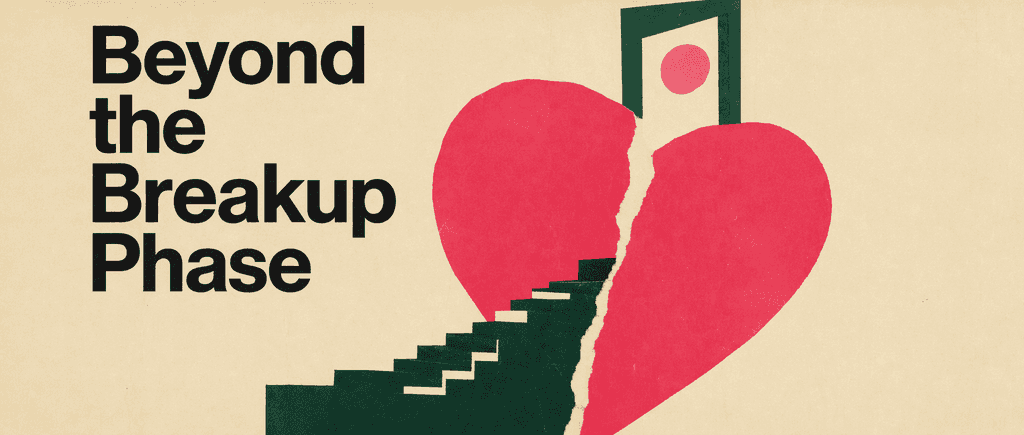
Dating after the third date: Making the pivot
When dating gets serious after date three, the pressure builds. Learn how to spot real patterns and align your visions to move toward a commitment.

Meilleure citation de Dating after the third date: Making the pivot
The alternative is becoming a selector rather than a pursuer. You stop asking 'How do I make them commit?' and start asking 'Is this person capable of meeting my standards?'
Generated by Conor
Managing early stage dating. Date 3 has been complete, date 4 onwards.

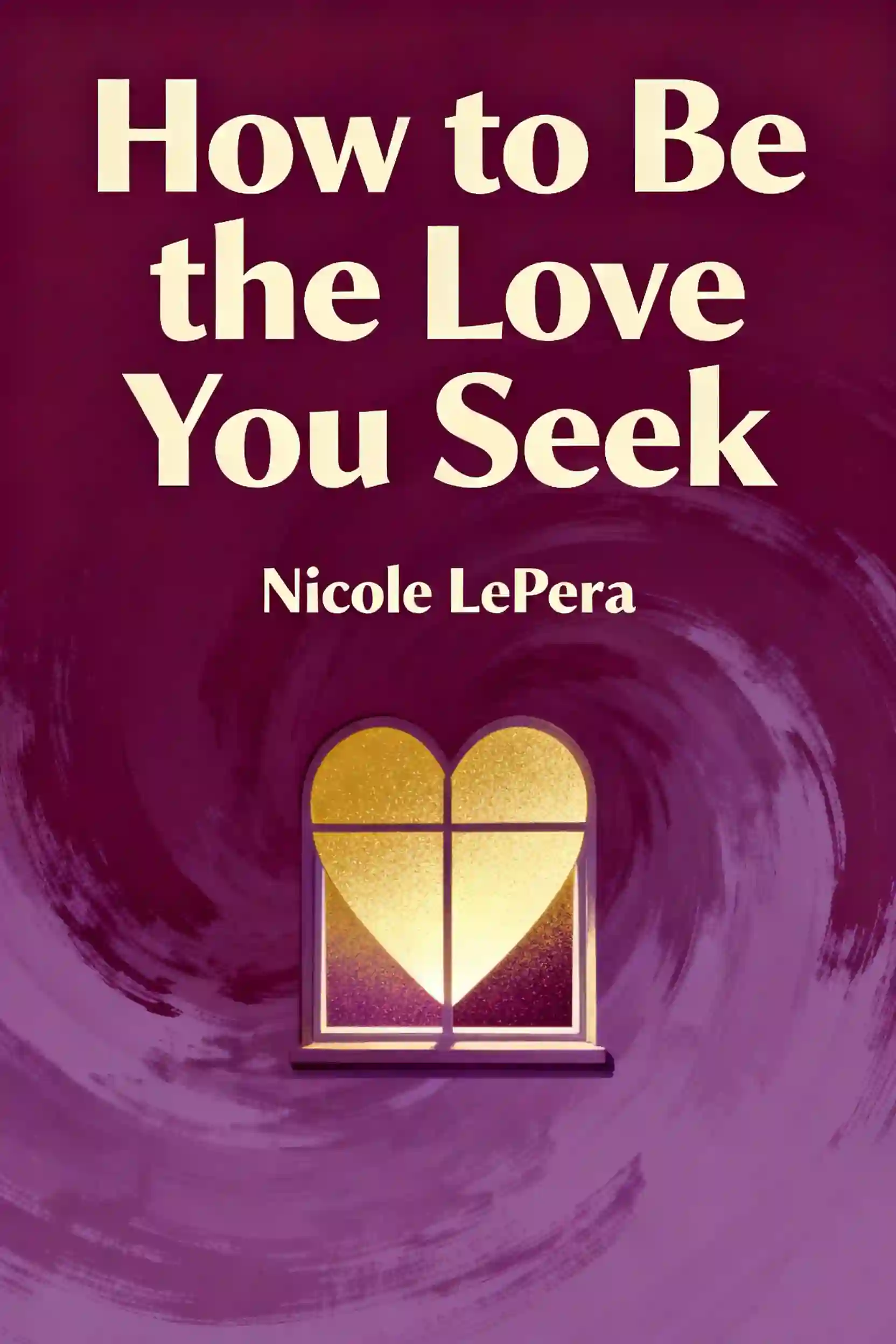
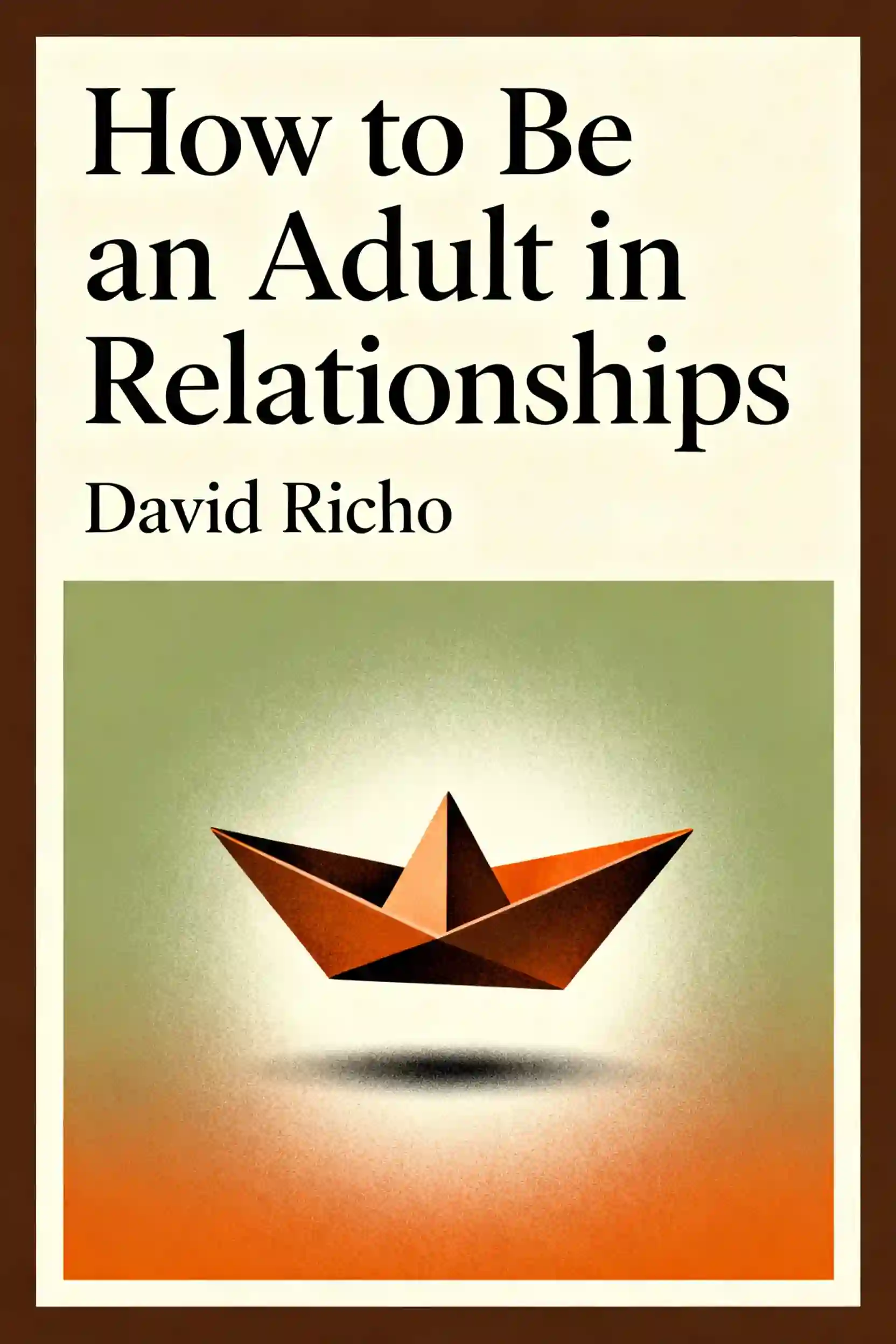
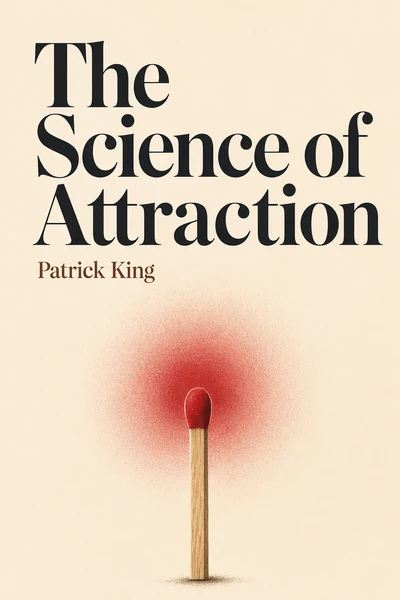
Foire aux questions
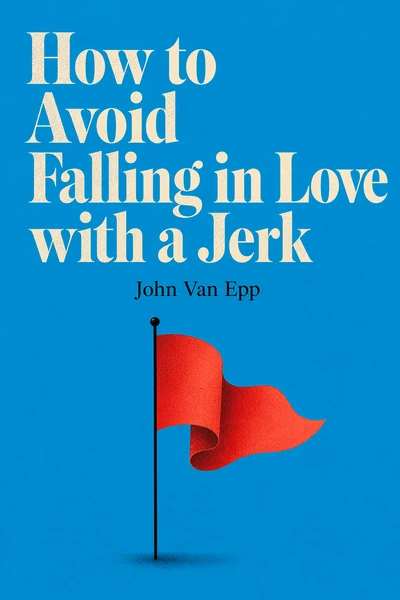
The Self-Selection Framework is a psychological shift where you stop trying to persuade someone to commit and instead become a "selector." Rather than asking how to make someone want a relationship, you evaluate whether they are capable of meeting your established standards. This approach reduces "psychological reactance," which is the internal resistance people feel when they perceive a loss of autonomy or feel pressured to commit. By acting as a selector, you create a quality filter where commitment-ready individuals are invited to stay while those who are commitment-phobic naturally exit.
Timing resistance is specific and logistical, often tied to a temporary external factor, such as a demanding work project, with a clear suggestion to revisit the conversation later. In contrast, fundamental resistance is vague and reflects a lack of readiness for a relationship itself. This often manifests as statements like "I don't like labels" or "I'm just seeing where things go." While timing resistance is a hurdle that can be cleared with patience, fundamental resistance is typically a dead end for those seeking an intentional partnership.
The Dopamine Economy refers to the addictive cycle of receiving "breadcrumbs" of attention, such as "hey stranger" texts or social media likes, which provide a variable reward that feels like intimacy but lacks actual infrastructure. To break this loop, you must prioritize "behavioral follow-through" over "conversational warmth." This means ignoring vague future language—like "we should go to that exhibit"—and looking for logistics. If a person does not suggest a specific day or place and show up, they are using cheap emotional currency rather than building a real foundation.
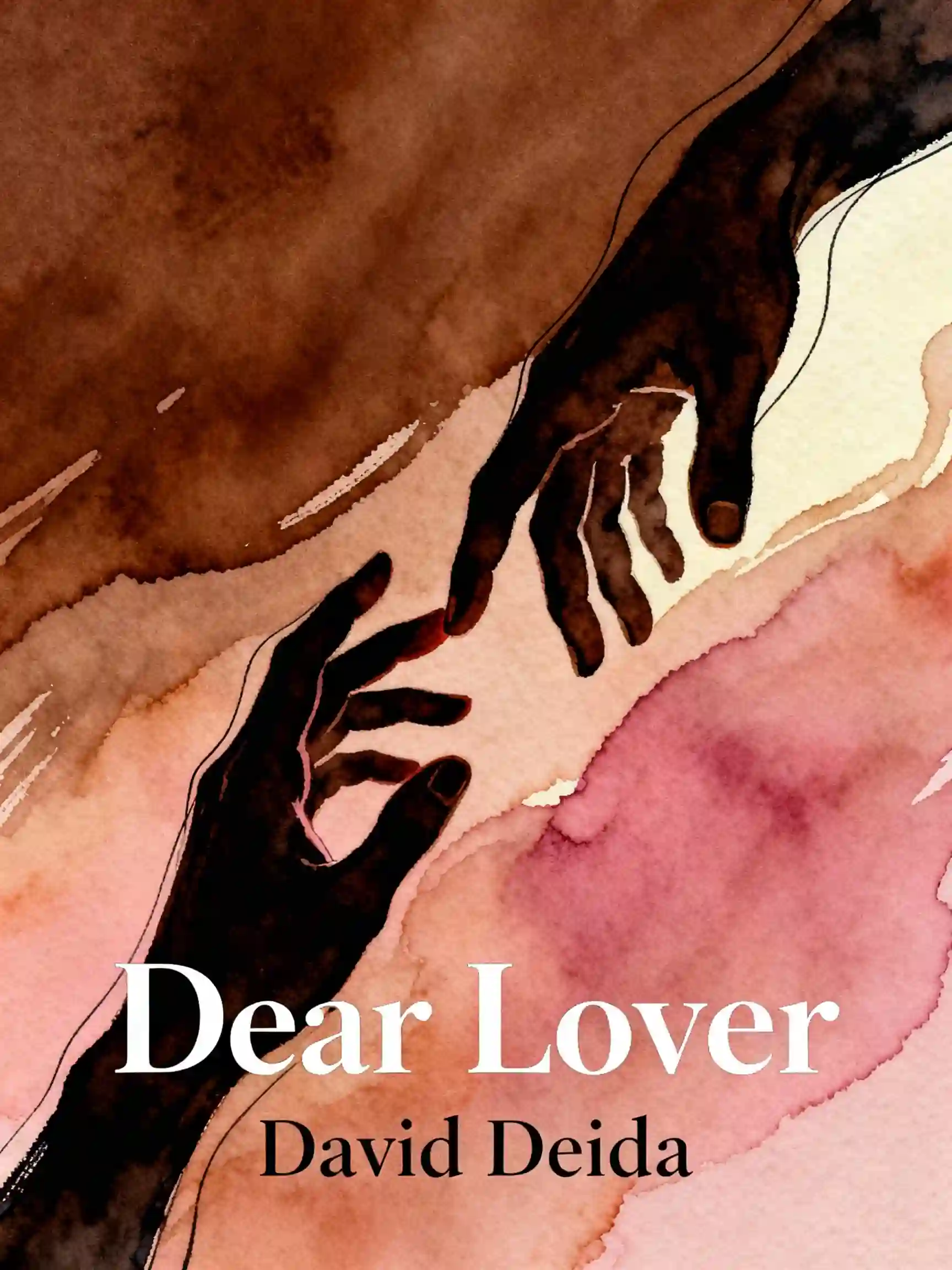
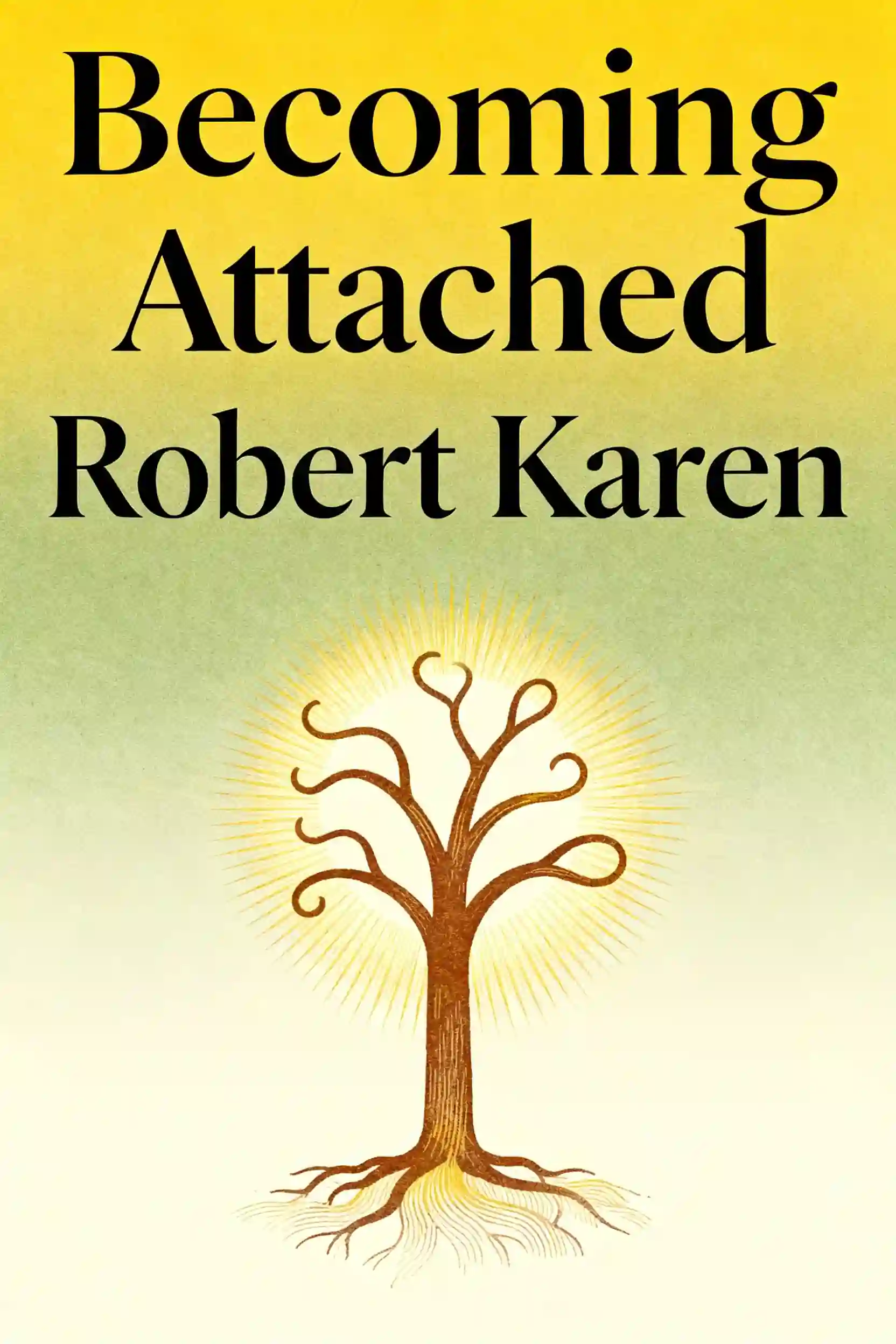
The Disillusionment Phase occurs when the initial "emotional caffeine" or infatuation wears off and the "masks" slip, revealing a partner's flaws. While jarring, this stage is vital because it is where conscious love has the chance to be born. It forces you to distinguish between minor annoyances and actual dealbreakers, such as a lack of respect or mismatched core values. Success in this phase is not defined by an absence of conflict, but by "recoverability"—the ability for both partners to repair the relationship, communicate through disagreements, and move forward as a team.
Premature Emotional Monogamy happens when one person decides they are exclusive in their own head very early on, often by date two, before the other person has earned that level of devotion. This leads to "unpaid emotional labor," where one person acts like a committed partner—performing tasks like laundry or providing hours of emotional support—without a formal commitment contract. This often removes the incentive for the other person to commit because they are already receiving all the benefits of a relationship without any of the responsibility.
Cree par des anciens de Columbia University a San Francisco
BeFreed rassemble une communauté mondiale d'esprits curieux


"Instead of endless scrolling, I just hit play on BeFreed. It saves me so much time."


"I never knew where to start with nonfiction—BeFreed’s book lists turned into podcasts gave me a clear path."


"Perfect balance between learning and entertainment. Finished ‘Thinking, Fast and Slow’ on my commute this week."
"Crazy how much I learned while walking the dog. BeFreed = small habits → big gains."
"Reading used to feel like a chore. Now it’s just part of my lifestyle."

"Feels effortless compared to reading. I’ve finished 6 books this month already."
"BeFreed turned my guilty doomscrolling into something that feels productive and inspiring."

"BeFreed turned my commute into learning time. 20-min podcasts are perfect for finishing books I never had time for."
"BeFreed replaced my podcast queue. Imagine Spotify for books — that’s it. 🙌"

"It is great for me to learn something from the book without reading it."
"The themed book list podcasts help me connect ideas across authors—like a guided audio journey."
"Makes me feel smarter every time before going to work"
Cree par des anciens de Columbia University a San Francisco
BeFreed rassemble une communauté mondiale d'esprits curieux
"Instead of endless scrolling, I just hit play on BeFreed. It saves me so much time."
"I never knew where to start with nonfiction—BeFreed’s book lists turned into podcasts gave me a clear path."
"Perfect balance between learning and entertainment. Finished ‘Thinking, Fast and Slow’ on my commute this week."
"Crazy how much I learned while walking the dog. BeFreed = small habits → big gains."
"Reading used to feel like a chore. Now it’s just part of my lifestyle."
"Feels effortless compared to reading. I’ve finished 6 books this month already."
"BeFreed turned my guilty doomscrolling into something that feels productive and inspiring."
"BeFreed turned my commute into learning time. 20-min podcasts are perfect for finishing books I never had time for."
"BeFreed replaced my podcast queue. Imagine Spotify for books — that’s it. 🙌"
"It is great for me to learn something from the book without reading it."
"The themed book list podcasts help me connect ideas across authors—like a guided audio journey."
"Makes me feel smarter every time before going to work"
"Instead of endless scrolling, I just hit play on BeFreed. It saves me so much time."
"I never knew where to start with nonfiction—BeFreed’s book lists turned into podcasts gave me a clear path."
"Perfect balance between learning and entertainment. Finished ‘Thinking, Fast and Slow’ on my commute this week."
"Crazy how much I learned while walking the dog. BeFreed = small habits → big gains."
"Reading used to feel like a chore. Now it’s just part of my lifestyle."
"Feels effortless compared to reading. I’ve finished 6 books this month already."
"BeFreed turned my guilty doomscrolling into something that feels productive and inspiring."
"BeFreed turned my commute into learning time. 20-min podcasts are perfect for finishing books I never had time for."
"BeFreed replaced my podcast queue. Imagine Spotify for books — that’s it. 🙌"
"It is great for me to learn something from the book without reading it."
"The themed book list podcasts help me connect ideas across authors—like a guided audio journey."
"Makes me feel smarter every time before going to work"
"Instead of endless scrolling, I just hit play on BeFreed. It saves me so much time."
"I never knew where to start with nonfiction—BeFreed’s book lists turned into podcasts gave me a clear path."
"Perfect balance between learning and entertainment. Finished ‘Thinking, Fast and Slow’ on my commute this week."
"Crazy how much I learned while walking the dog. BeFreed = small habits → big gains."
"Reading used to feel like a chore. Now it’s just part of my lifestyle."
"Feels effortless compared to reading. I’ve finished 6 books this month already."
"BeFreed turned my guilty doomscrolling into something that feels productive and inspiring."
"BeFreed turned my commute into learning time. 20-min podcasts are perfect for finishing books I never had time for."
"BeFreed replaced my podcast queue. Imagine Spotify for books — that’s it. 🙌"
"It is great for me to learn something from the book without reading it."
"The themed book list podcasts help me connect ideas across authors—like a guided audio journey."
"Makes me feel smarter every time before going to work"