From the Cab to the C-Suite: Logistics Leadership and APICS
Learn how to transition from fleet operations to logistics leadership. Explore APICS certifications, Lean Six Sigma, and turning driver insights into business solutions.

Meilleure citation de From the Cab to the C-Suite: Logistics Leadership and APICS
If you want to present a creative position to your leadership, you have to stop speaking in 'driver problems' and start speaking in 'business solutions.' It’s about moving from 'the brakes feel soft' to 'our current maintenance cycle has a 20% variance that’s impacting our bottom line.'
Generated by Mike
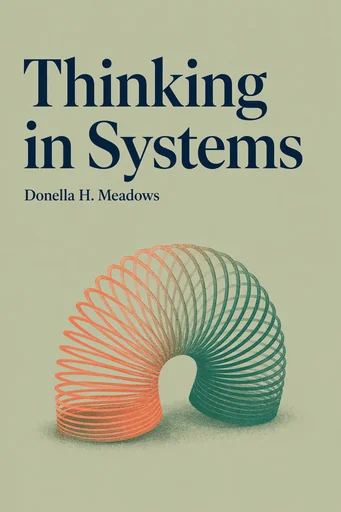
I want to implement a thought process grounded in logic and reasoning; using tools like systems thinking principles, mental models and a six sigma methodology. Im a truck driver and im trying to present a creative position to improve the quality and standards that we currently have. I plan on getting logistics cscp and cltd apics certifications.






Foire aux questions
Transitioning from the cab to the C-suite requires shifting your perspective from daily driver problems to high-level business solutions. By viewing logistics operations from a bird's eye view, you can identify systemic inefficiencies, such as manual scheduling errors that leak millions in costs. Utilizing your firsthand experience to re-engineer these systems with a data-driven plan allows you to bridge the gap between fleet operations and executive leadership.
To advance in the logistics field, pursuing APICS certifications like the Certified Supply Chain Professional (CSCP) and Certified Logistics, Transportation and Distribution (CLTD) is highly recommended. these credentials demonstrate a commitment to professional growth and technical expertise. However, you can begin thinking like a systems engineer immediately by applying Lean Six Sigma principles to standardize processes, such as pre-trip inspections, to reduce variability and improve overall operational efficiency.
Lean Six Sigma can be applied to fleet operations by standardizing routine tasks to eliminate waste and reduce errors. For example, standardizing inspection processes has been shown to reduce variability by 89% and significantly cut missed defects. By applying these systems engineering principles to everyday tasks like route delays or inspections, you transform operational hurdles into optimized business processes that save time and reduce excess costs for the organization.
Cree par des anciens de Columbia University a San Francisco
"Instead of endless scrolling, I just hit play on BeFreed. It saves me so much time."


"I never knew where to start with nonfiction—BeFreed’s book lists turned into podcasts gave me a clear path."


"Perfect balance between learning and entertainment. Finished ‘Thinking, Fast and Slow’ on my commute this week."
"Crazy how much I learned while walking the dog. BeFreed = small habits → big gains."
"Reading used to feel like a chore. Now it’s just part of my lifestyle."

"Feels effortless compared to reading. I’ve finished 6 books this month already."
"BeFreed turned my guilty doomscrolling into something that feels productive and inspiring."

"BeFreed turned my commute into learning time. 20-min podcasts are perfect for finishing books I never had time for."
"BeFreed replaced my podcast queue. Imagine Spotify for books — that’s it. 🙌"

"It is great for me to learn something from the book without reading it."
"The themed book list podcasts help me connect ideas across authors—like a guided audio journey."
"Makes me feel smarter every time before going to work"
Cree par des anciens de Columbia University a San Francisco
"Instead of endless scrolling, I just hit play on BeFreed. It saves me so much time."
"I never knew where to start with nonfiction—BeFreed’s book lists turned into podcasts gave me a clear path."
"Perfect balance between learning and entertainment. Finished ‘Thinking, Fast and Slow’ on my commute this week."
"Crazy how much I learned while walking the dog. BeFreed = small habits → big gains."
"Reading used to feel like a chore. Now it’s just part of my lifestyle."
"Feels effortless compared to reading. I’ve finished 6 books this month already."
"BeFreed turned my guilty doomscrolling into something that feels productive and inspiring."
"BeFreed turned my commute into learning time. 20-min podcasts are perfect for finishing books I never had time for."
"BeFreed replaced my podcast queue. Imagine Spotify for books — that’s it. 🙌"
"It is great for me to learn something from the book without reading it."
"The themed book list podcasts help me connect ideas across authors—like a guided audio journey."
"Makes me feel smarter every time before going to work"
"Instead of endless scrolling, I just hit play on BeFreed. It saves me so much time."
"I never knew where to start with nonfiction—BeFreed’s book lists turned into podcasts gave me a clear path."
"Perfect balance between learning and entertainment. Finished ‘Thinking, Fast and Slow’ on my commute this week."
"Crazy how much I learned while walking the dog. BeFreed = small habits → big gains."
"Reading used to feel like a chore. Now it’s just part of my lifestyle."
"Feels effortless compared to reading. I’ve finished 6 books this month already."
"BeFreed turned my guilty doomscrolling into something that feels productive and inspiring."
"BeFreed turned my commute into learning time. 20-min podcasts are perfect for finishing books I never had time for."
"BeFreed replaced my podcast queue. Imagine Spotify for books — that’s it. 🙌"
"It is great for me to learn something from the book without reading it."
"The themed book list podcasts help me connect ideas across authors—like a guided audio journey."
"Makes me feel smarter every time before going to work"
"Instead of endless scrolling, I just hit play on BeFreed. It saves me so much time."
"I never knew where to start with nonfiction—BeFreed’s book lists turned into podcasts gave me a clear path."
"Perfect balance between learning and entertainment. Finished ‘Thinking, Fast and Slow’ on my commute this week."
"Crazy how much I learned while walking the dog. BeFreed = small habits → big gains."
"Reading used to feel like a chore. Now it’s just part of my lifestyle."
"Feels effortless compared to reading. I’ve finished 6 books this month already."
"BeFreed turned my guilty doomscrolling into something that feels productive and inspiring."
"BeFreed turned my commute into learning time. 20-min podcasts are perfect for finishing books I never had time for."
"BeFreed replaced my podcast queue. Imagine Spotify for books — that’s it. 🙌"
"It is great for me to learn something from the book without reading it."
"The themed book list podcasts help me connect ideas across authors—like a guided audio journey."
"Makes me feel smarter every time before going to work"