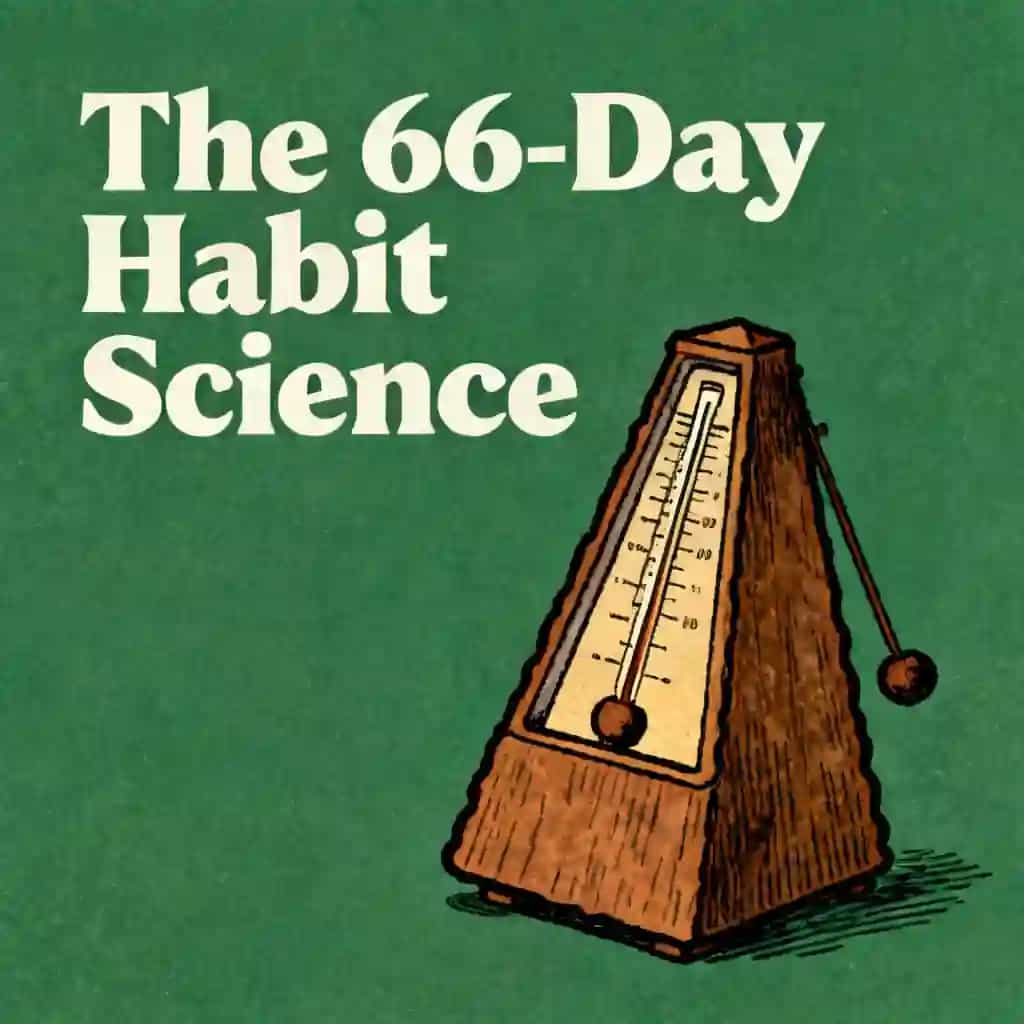
Building Habits: Beyond the 21-Day Myth & Brain Circuitry
Explore the biology of habit formation and debunk the 21-day myth. Learn to engineer your brain's circuitry and move beyond willpower to master your autopilot.

Meilleure citation de Building Habits: Beyond the 21-Day Myth & Brain Circuitry
Building good habits isn't about having more willpower—it is about understanding that your brain is a tale of two systems and engineering the handoff between the goal-directed mind and the automatic response system.
Generated by Freedee_BE9DDE1A
How to Build Good Habits






Foire aux questions
The idea that it takes exactly 21 days to form a new habit is a common myth that this podcast seeks to debunk. Real habit formation is rooted in complex brain circuitry and the biological handoff between different neurological systems. Instead of following a rigid timeline, success comes from understanding your brain's default settings and using a neurological playbook to create lasting change that goes beyond simple willpower.
Researchers have found that as much as two-thirds of our daily actions are driven by habit rather than deliberate choices. This means for the majority of your waking hours, you are living on autopilot. Your brain's habit circuitry can either move you toward your goals effortlessly or keep you stuck in cycles of procrastination and doomscrolling, depending on how your automatic system is programmed.
Your brain functions as a tale of two systems: the goal-directed system and the automatic system. The goal-directed system is responsible for your conscious desires, such as wanting to be healthy or productive. In contrast, the automatic system simply wants to repeat the actions you took yesterday. Building better habits requires engineering the handoff between these two systems rather than relying on exhausting willpower.
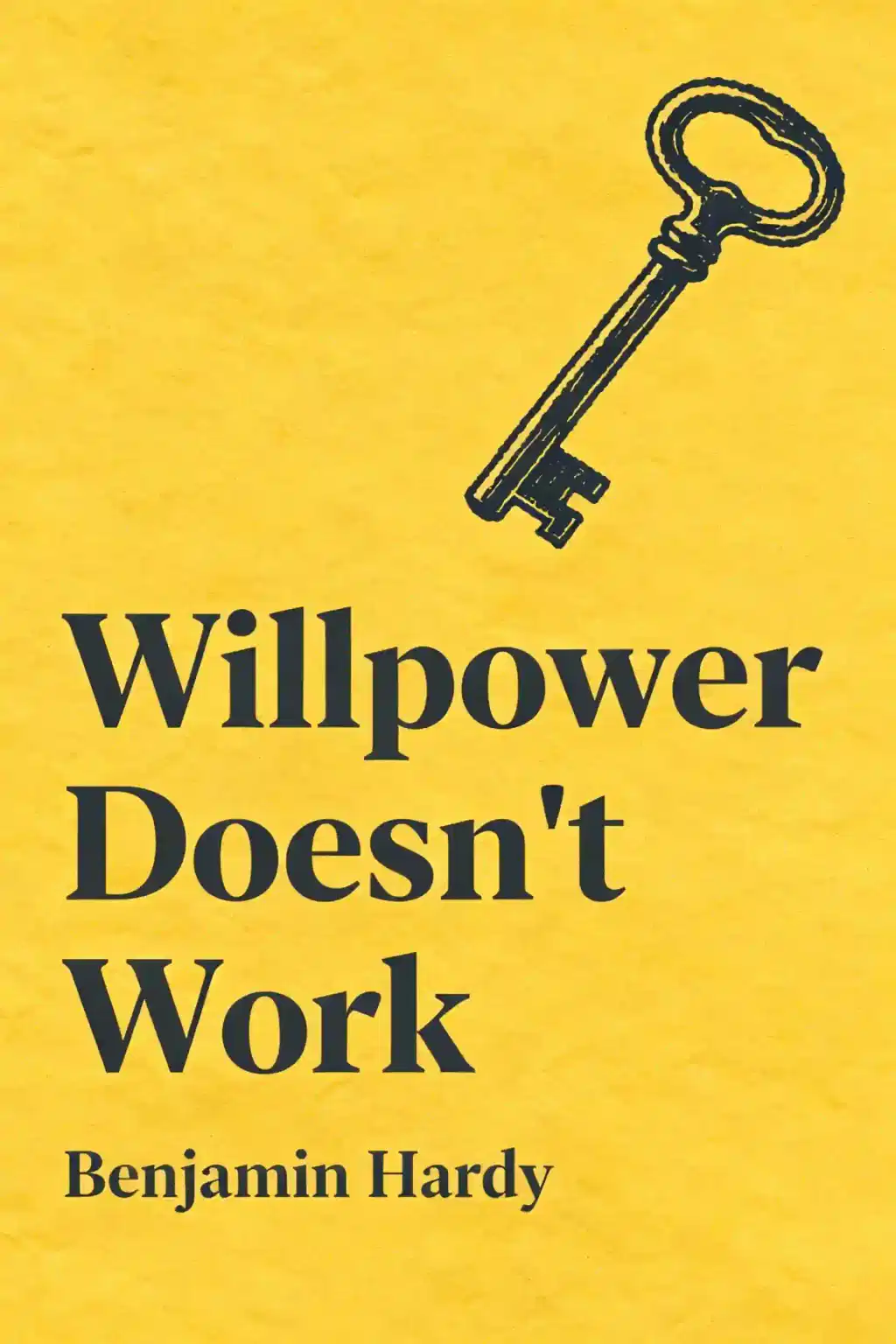
Building good habits isn't about having more willpower; it is about understanding the biology of habit formation. When you rely solely on willpower, you often end up fighting an exhausting uphill battle against your own biology. To achieve sustainable change, you must stop trying to 'will' yourself into new behaviors and instead focus on taking control of your brain's default settings through a strategic neurological approach.
Cree par des anciens de Columbia University a San Francisco
"Instead of endless scrolling, I just hit play on BeFreed. It saves me so much time."


"I never knew where to start with nonfiction—BeFreed’s book lists turned into podcasts gave me a clear path."


"Perfect balance between learning and entertainment. Finished ‘Thinking, Fast and Slow’ on my commute this week."
"Crazy how much I learned while walking the dog. BeFreed = small habits → big gains."
"Reading used to feel like a chore. Now it’s just part of my lifestyle."

"Feels effortless compared to reading. I’ve finished 6 books this month already."
"BeFreed turned my guilty doomscrolling into something that feels productive and inspiring."

"BeFreed turned my commute into learning time. 20-min podcasts are perfect for finishing books I never had time for."
"BeFreed replaced my podcast queue. Imagine Spotify for books — that’s it. 🙌"

"It is great for me to learn something from the book without reading it."
"The themed book list podcasts help me connect ideas across authors—like a guided audio journey."
"Makes me feel smarter every time before going to work"
Cree par des anciens de Columbia University a San Francisco
"Instead of endless scrolling, I just hit play on BeFreed. It saves me so much time."
"I never knew where to start with nonfiction—BeFreed’s book lists turned into podcasts gave me a clear path."
"Perfect balance between learning and entertainment. Finished ‘Thinking, Fast and Slow’ on my commute this week."
"Crazy how much I learned while walking the dog. BeFreed = small habits → big gains."
"Reading used to feel like a chore. Now it’s just part of my lifestyle."
"Feels effortless compared to reading. I’ve finished 6 books this month already."
"BeFreed turned my guilty doomscrolling into something that feels productive and inspiring."
"BeFreed turned my commute into learning time. 20-min podcasts are perfect for finishing books I never had time for."
"BeFreed replaced my podcast queue. Imagine Spotify for books — that’s it. 🙌"
"It is great for me to learn something from the book without reading it."
"The themed book list podcasts help me connect ideas across authors—like a guided audio journey."
"Makes me feel smarter every time before going to work"
"Instead of endless scrolling, I just hit play on BeFreed. It saves me so much time."
"I never knew where to start with nonfiction—BeFreed’s book lists turned into podcasts gave me a clear path."
"Perfect balance between learning and entertainment. Finished ‘Thinking, Fast and Slow’ on my commute this week."
"Crazy how much I learned while walking the dog. BeFreed = small habits → big gains."
"Reading used to feel like a chore. Now it’s just part of my lifestyle."
"Feels effortless compared to reading. I’ve finished 6 books this month already."
"BeFreed turned my guilty doomscrolling into something that feels productive and inspiring."
"BeFreed turned my commute into learning time. 20-min podcasts are perfect for finishing books I never had time for."
"BeFreed replaced my podcast queue. Imagine Spotify for books — that’s it. 🙌"
"It is great for me to learn something from the book without reading it."
"The themed book list podcasts help me connect ideas across authors—like a guided audio journey."
"Makes me feel smarter every time before going to work"
"Instead of endless scrolling, I just hit play on BeFreed. It saves me so much time."
"I never knew where to start with nonfiction—BeFreed’s book lists turned into podcasts gave me a clear path."
"Perfect balance between learning and entertainment. Finished ‘Thinking, Fast and Slow’ on my commute this week."
"Crazy how much I learned while walking the dog. BeFreed = small habits → big gains."
"Reading used to feel like a chore. Now it’s just part of my lifestyle."
"Feels effortless compared to reading. I’ve finished 6 books this month already."
"BeFreed turned my guilty doomscrolling into something that feels productive and inspiring."
"BeFreed turned my commute into learning time. 20-min podcasts are perfect for finishing books I never had time for."
"BeFreed replaced my podcast queue. Imagine Spotify for books — that’s it. 🙌"
"It is great for me to learn something from the book without reading it."
"The themed book list podcasts help me connect ideas across authors—like a guided audio journey."
"Makes me feel smarter every time before going to work"