Breaking Free from Body-Focused Repetitive Behaviors
Discover effective strategies to overcome hair pulling, skin picking, and nail biting through understanding triggers, building awareness, and creating personalized recovery plans.

Meilleure citation de Breaking Free from Body-Focused Repetitive Behaviors
Recovery isn't about never having urges again—it's about having choice in how you respond to them. The goal isn't perfection; it's progress and building a toolkit you can rely on over time.

Cette leçon audio a été créée par un membre de la communauté BeFreed
Overcoming Body-Focused Repetitive Behaviors

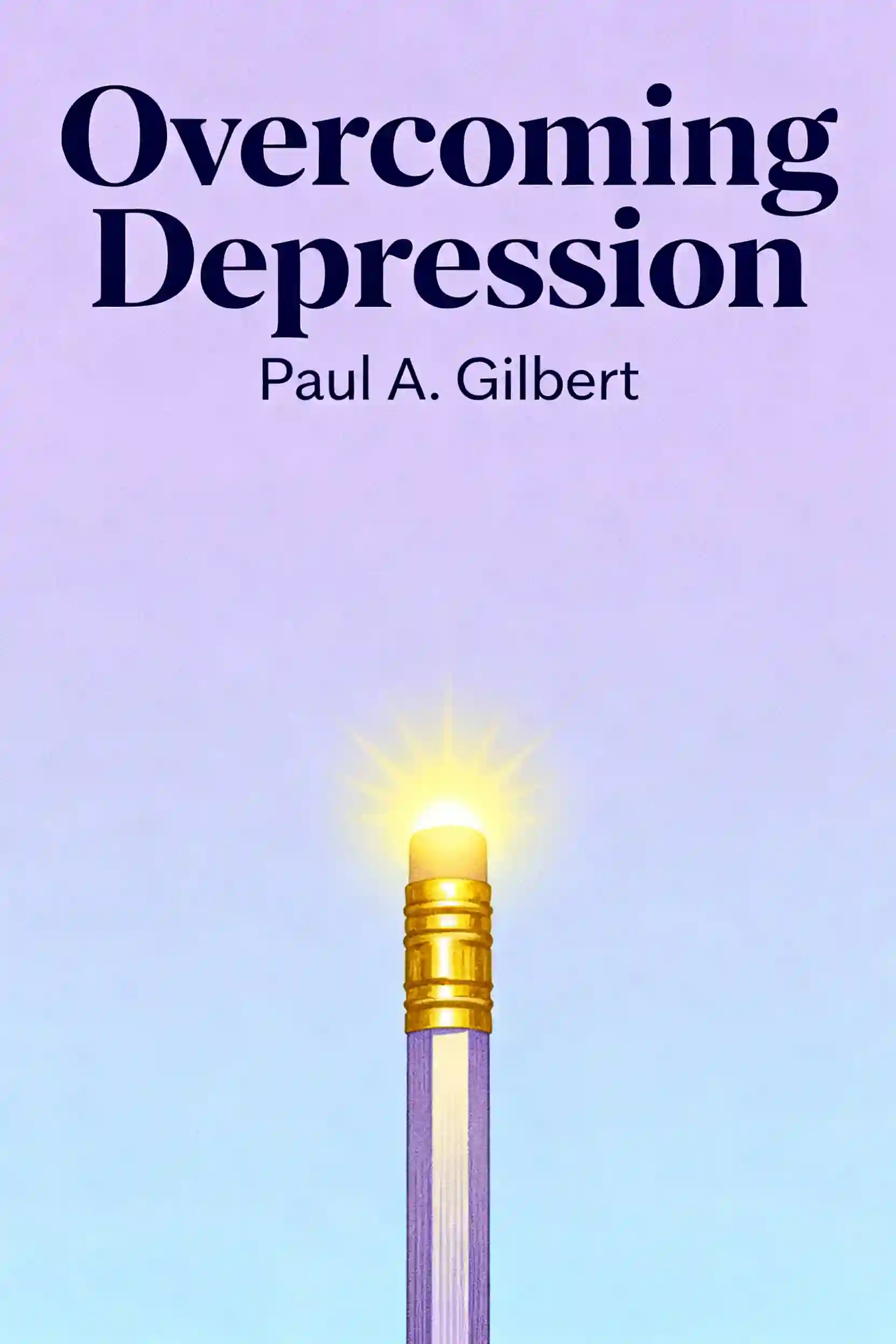

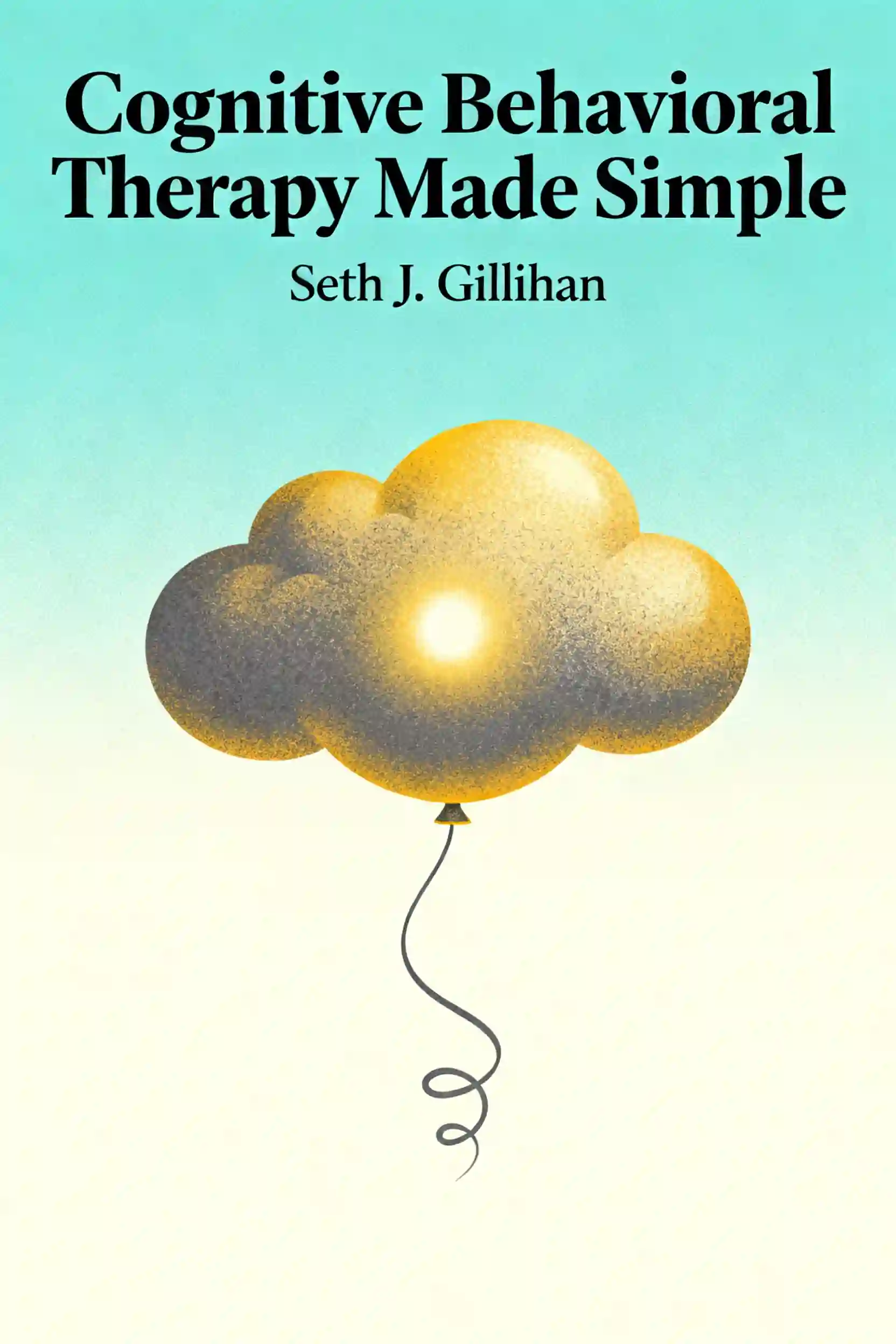
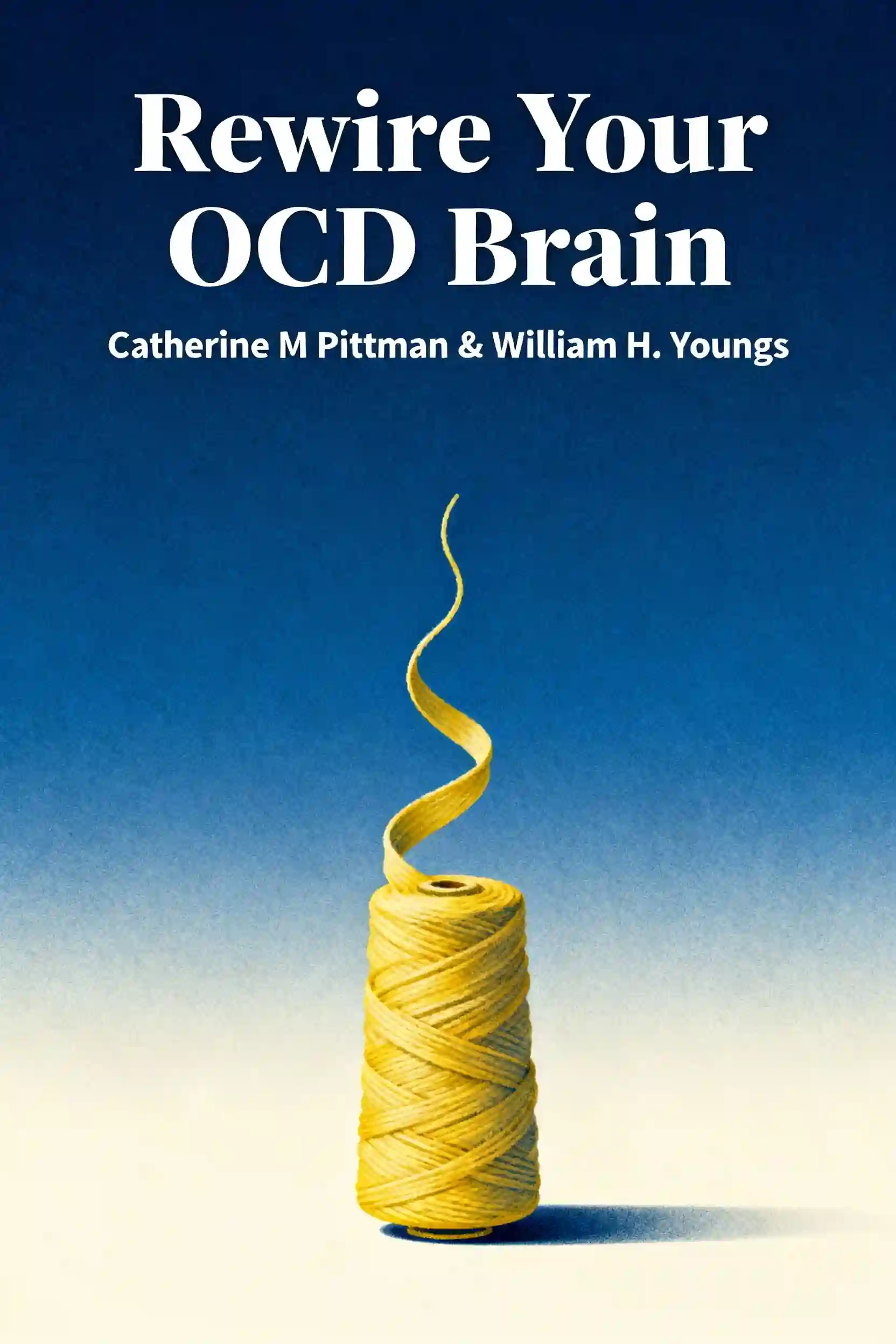
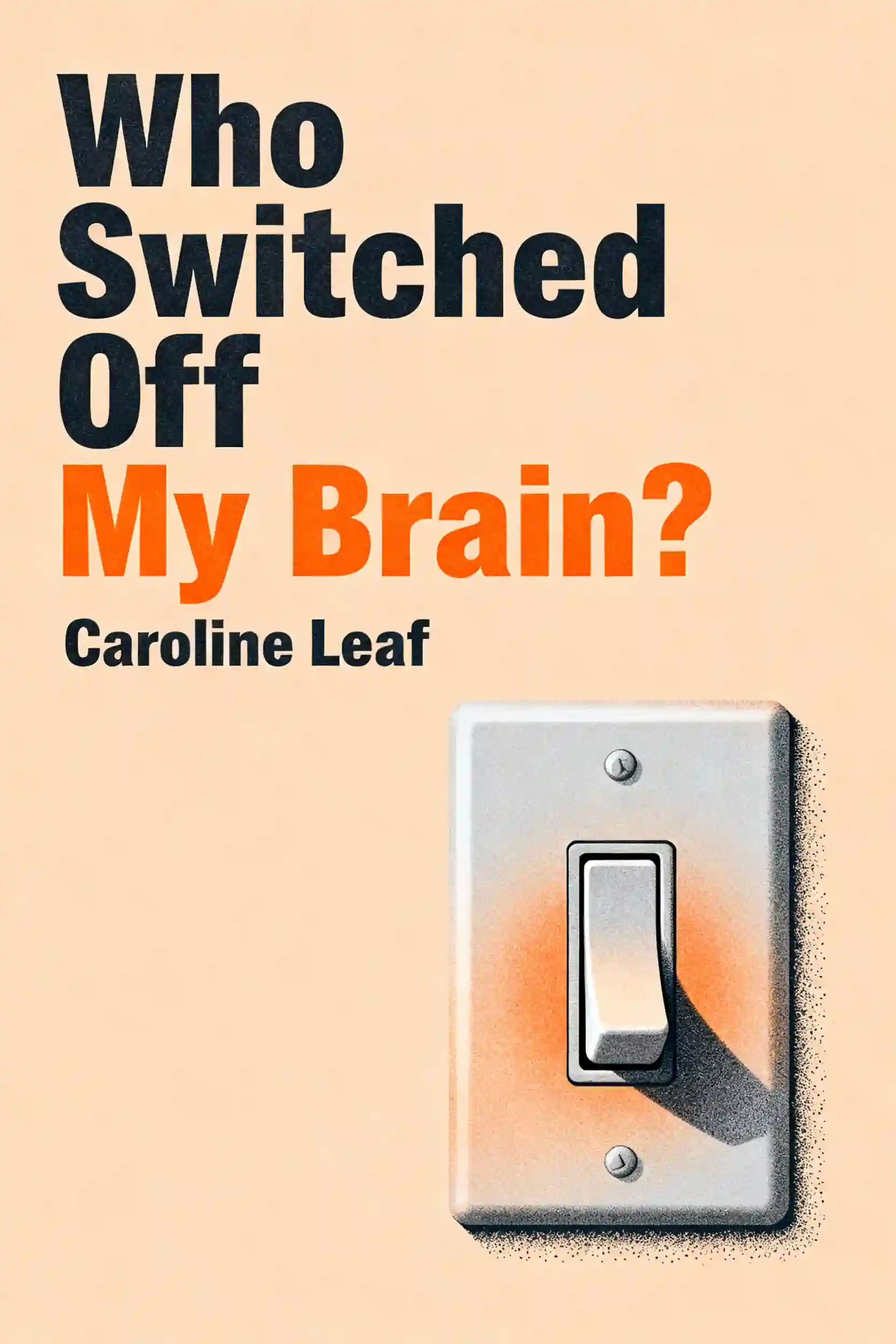
Découvrir plus

Break Free From Porn Addiction
This plan is designed for individuals seeking to regain control over their lives by understanding the neurological and emotional roots of porn addiction. It provides a compassionate, science-based roadmap for anyone struggling with compulsive behaviors who wants to rebuild genuine human connection.

Break addiction cycles after 5 lost years
This plan is designed for individuals seeking to reclaim their lives after long-term struggle, moving beyond willpower to science-based recovery. It provides a holistic roadmap for those ready to address the neurological, emotional, and social roots of addiction to build a lasting new identity.

Stop compulsive sex behaviors
Compulsive sexual behavior affects millions of people, causing significant distress, relationship damage, and feelings of shame and isolation. This learning plan is designed for anyone struggling with unwanted sexual behaviors who wants to understand the root causes and develop practical tools for lasting change. It's especially valuable for those who have tried to stop through willpower alone and are seeking a compassionate, science-based approach to recovery.

Break free from limerent obsession patterns
This plan is designed for individuals who feel trapped in cycles of obsessive longing or emotionally draining relationships. It provides a science-backed roadmap to healing attachment wounds and reclaiming emotional autonomy from codependent patterns.

controlling porn forever
This learning plan is essential for individuals seeking to regain autonomy from compulsive behaviors by addressing both the biological and emotional roots of addiction. It is designed for anyone ready to move beyond willpower and build a sustainable foundation for healthy relationships and self-compassion.
Break the Anxious-Avoidant Trap
This plan is essential for individuals or couples caught in the exhausting cycle of pursuit and withdrawal. It provides practical somatic and behavioral tools for anyone looking to transform defensive patterns into a secure, lasting emotional connection.

Navigate unwanted fixations as autistic adult
This plan is designed for autistic adults who feel overwhelmed by intense, persistent fixations that interfere with daily life. It provides a neuro-affirming framework combining emotional regulation and evidence-based therapy to help learners regain control while honoring their unique brain wiring.
Overcome sex, porn & limerence addictions
Sexual and emotional addictions can severely impact mental health, relationships, and overall wellbeing. This learning plan provides evidence-based strategies for those struggling with compulsive sexual behaviors, pornography dependency, or obsessive attachment patterns who want to reclaim control and build healthier relationships.
Cree par des anciens de Columbia University a San Francisco
"Instead of endless scrolling, I just hit play on BeFreed. It saves me so much time."


"I never knew where to start with nonfiction—BeFreed’s book lists turned into podcasts gave me a clear path."


"Perfect balance between learning and entertainment. Finished ‘Thinking, Fast and Slow’ on my commute this week."
"Crazy how much I learned while walking the dog. BeFreed = small habits → big gains."
"Reading used to feel like a chore. Now it’s just part of my lifestyle."

"Feels effortless compared to reading. I’ve finished 6 books this month already."
"BeFreed turned my guilty doomscrolling into something that feels productive and inspiring."

"BeFreed turned my commute into learning time. 20-min podcasts are perfect for finishing books I never had time for."
"BeFreed replaced my podcast queue. Imagine Spotify for books — that’s it. 🙌"

"It is great for me to learn something from the book without reading it."
"The themed book list podcasts help me connect ideas across authors—like a guided audio journey."
"Makes me feel smarter every time before going to work"
Cree par des anciens de Columbia University a San Francisco
"Instead of endless scrolling, I just hit play on BeFreed. It saves me so much time."
"I never knew where to start with nonfiction—BeFreed’s book lists turned into podcasts gave me a clear path."
"Perfect balance between learning and entertainment. Finished ‘Thinking, Fast and Slow’ on my commute this week."
"Crazy how much I learned while walking the dog. BeFreed = small habits → big gains."
"Reading used to feel like a chore. Now it’s just part of my lifestyle."
"Feels effortless compared to reading. I’ve finished 6 books this month already."
"BeFreed turned my guilty doomscrolling into something that feels productive and inspiring."
"BeFreed turned my commute into learning time. 20-min podcasts are perfect for finishing books I never had time for."
"BeFreed replaced my podcast queue. Imagine Spotify for books — that’s it. 🙌"
"It is great for me to learn something from the book without reading it."
"The themed book list podcasts help me connect ideas across authors—like a guided audio journey."
"Makes me feel smarter every time before going to work"
"Instead of endless scrolling, I just hit play on BeFreed. It saves me so much time."
"I never knew where to start with nonfiction—BeFreed’s book lists turned into podcasts gave me a clear path."
"Perfect balance between learning and entertainment. Finished ‘Thinking, Fast and Slow’ on my commute this week."
"Crazy how much I learned while walking the dog. BeFreed = small habits → big gains."
"Reading used to feel like a chore. Now it’s just part of my lifestyle."
"Feels effortless compared to reading. I’ve finished 6 books this month already."
"BeFreed turned my guilty doomscrolling into something that feels productive and inspiring."
"BeFreed turned my commute into learning time. 20-min podcasts are perfect for finishing books I never had time for."
"BeFreed replaced my podcast queue. Imagine Spotify for books — that’s it. 🙌"
"It is great for me to learn something from the book without reading it."
"The themed book list podcasts help me connect ideas across authors—like a guided audio journey."
"Makes me feel smarter every time before going to work"
"Instead of endless scrolling, I just hit play on BeFreed. It saves me so much time."
"I never knew where to start with nonfiction—BeFreed’s book lists turned into podcasts gave me a clear path."
"Perfect balance between learning and entertainment. Finished ‘Thinking, Fast and Slow’ on my commute this week."
"Crazy how much I learned while walking the dog. BeFreed = small habits → big gains."
"Reading used to feel like a chore. Now it’s just part of my lifestyle."
"Feels effortless compared to reading. I’ve finished 6 books this month already."
"BeFreed turned my guilty doomscrolling into something that feels productive and inspiring."
"BeFreed turned my commute into learning time. 20-min podcasts are perfect for finishing books I never had time for."
"BeFreed replaced my podcast queue. Imagine Spotify for books — that’s it. 🙌"
"It is great for me to learn something from the book without reading it."
"The themed book list podcasts help me connect ideas across authors—like a guided audio journey."
"Makes me feel smarter every time before going to work"