Break the Cycle of Stress and Boredom Eating
Discover the biological triggers behind emotional cravings and learn practical neuro-hacks to interrupt the cortisol loop and reclaim control over your kitchen.

Meilleure citation de Break the Cycle of Stress and Boredom Eating
If you’ve felt out of control, it’s because your neurobiology was temporarily favoring immediate comfort over long-term health. Understanding this biological foundation is your first 'power-up' because it removes the heavy burden of shame.
Generated by Dale
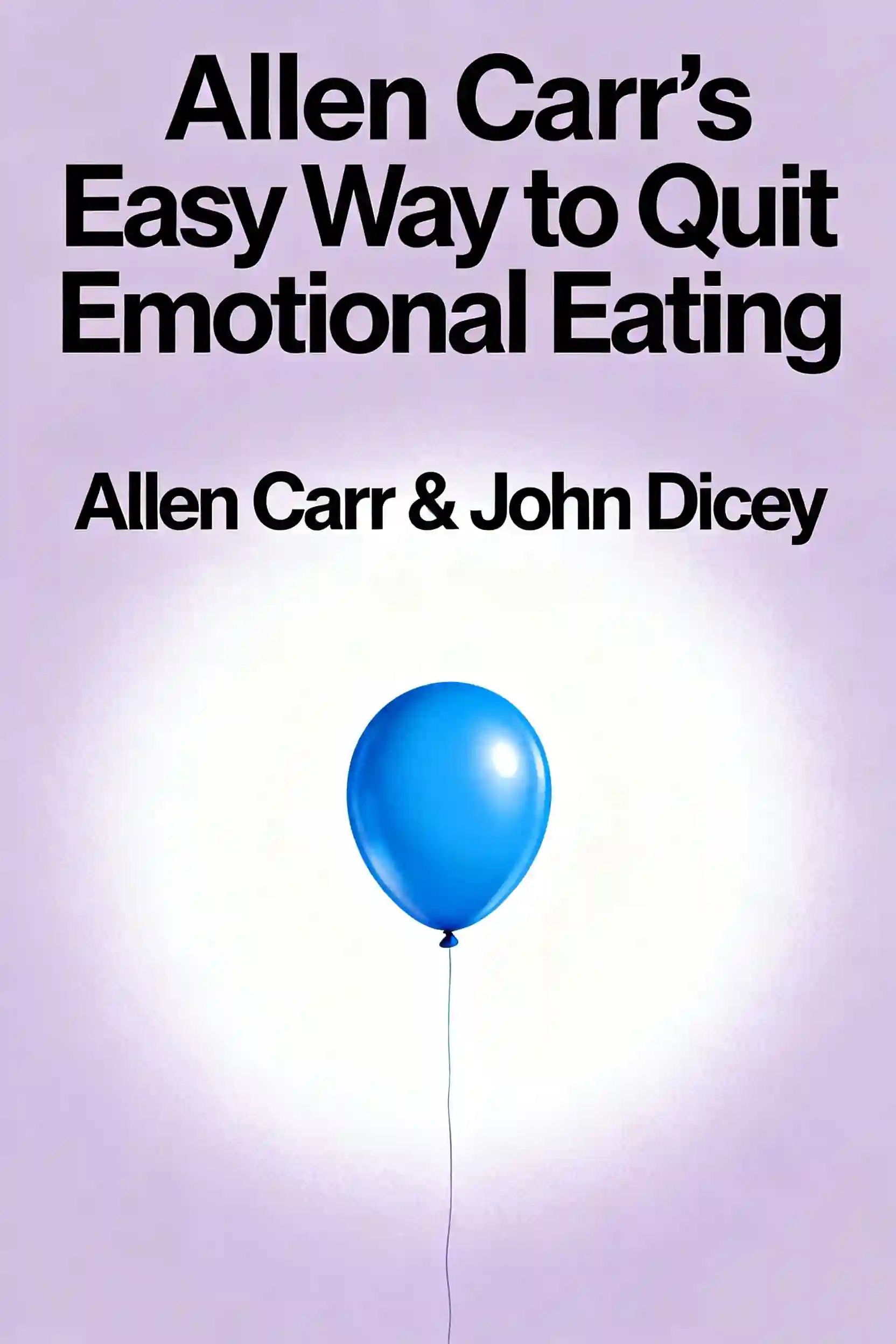
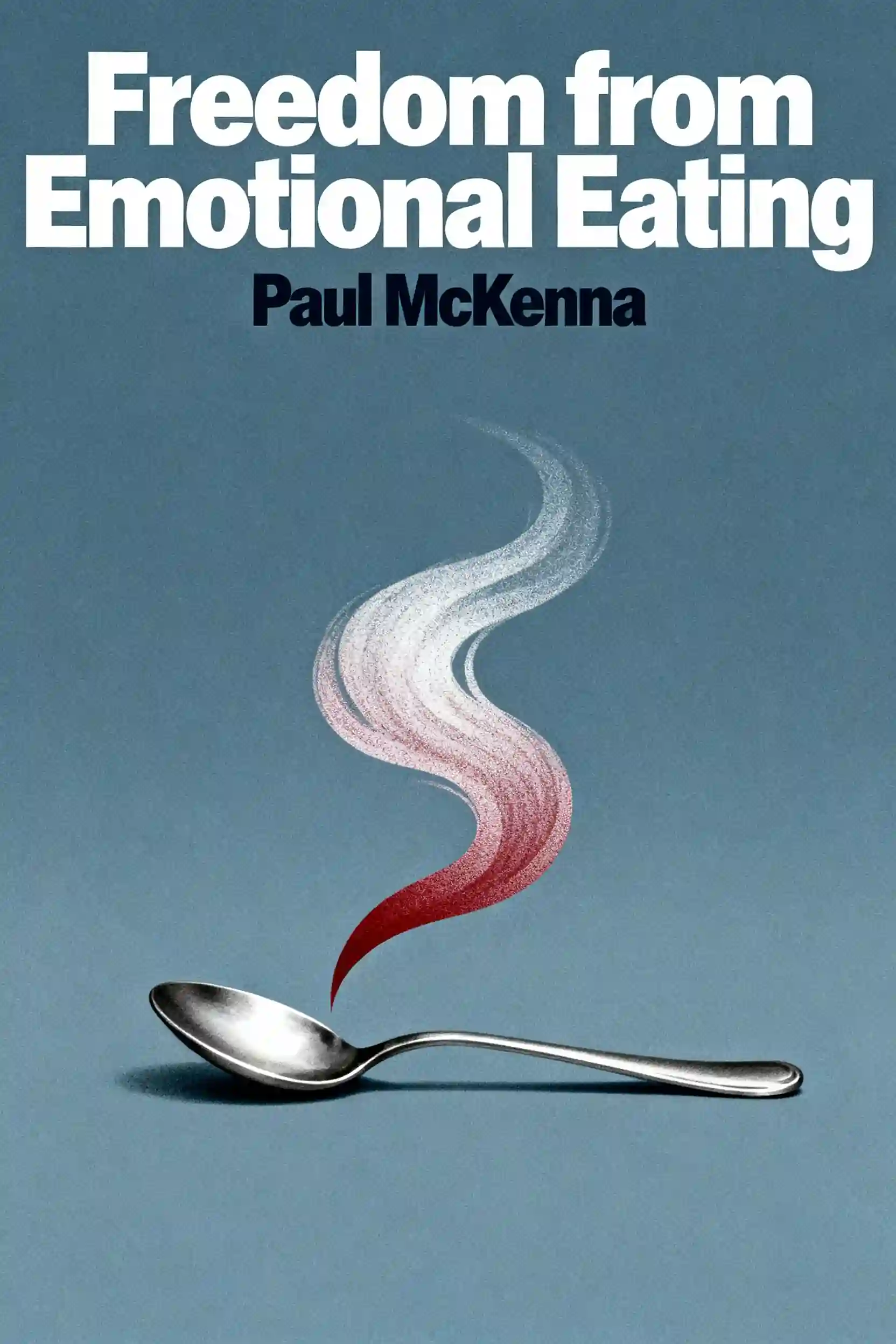
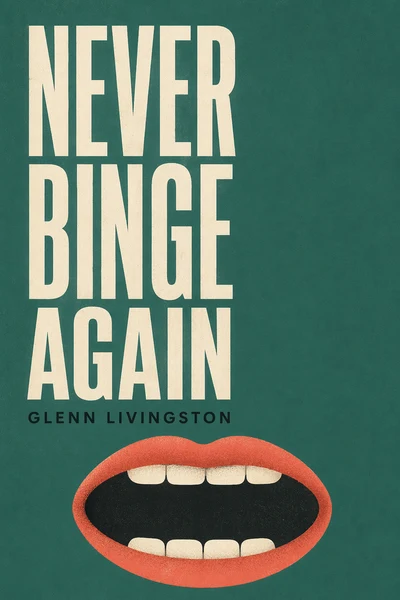
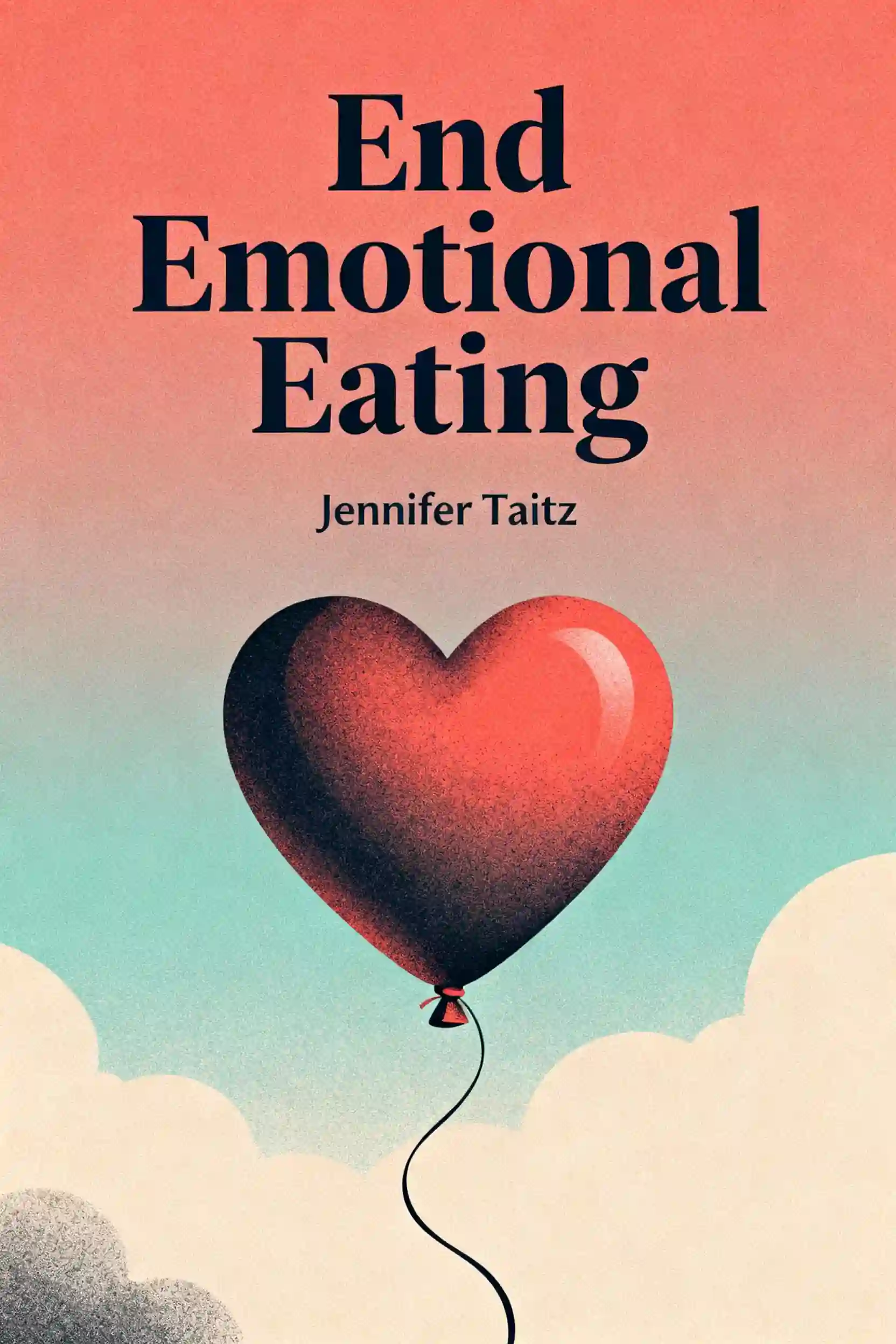
Stop over eating stress and boredom

Foire aux questions
When you experience stress, your adrenal glands release cortisol, which stimulates the brain's pleasure center and the mesolimbic dopamine reward system. This hormonal shift creates a biological pull toward "hyperpalatable" foods—specific combinations of fat, sugar, and salt—because they provide an immediate, sedative-like sensory reward. Essentially, your brain is attempting to "self-medicate" to counteract the physiological arousal caused by stress.
Physical hunger typically develops slowly over several hours and can be satisfied by almost any nourishing food, such as vegetables or lean proteins. In contrast, emotional hunger strikes suddenly and is "mono-maniacal," meaning it demands a very specific texture or flavor, like cookies or chips. A helpful "reality check" is to ask yourself if you would be willing to eat a plain apple or piece of chicken; if the answer is no, you are likely experiencing an emotional trigger rather than a biological need for fuel.
HALT is a diagnostic tool that stands for Hungry, Angry, Lonely, or Tired. By pausing for ten seconds before eating to run this checklist, you can identify the root cause of a craving. For example, if you realize you are actually "Tired," you can address the need with a nap rather than a snack, noting that exhaustion often artificially inflates hunger hormones like ghrelin while lowering satiety signals like leptin.
Eating while distracted by a phone or TV leads to "mindless snacking" because the brain is too occupied to register sensory data or fullness signals. It takes approximately 20 minutes for satiety hormones like GLP-1 to signal to the brain that the body is full. By removing digital distractions and focusing on the textures and flavors of your food, you allow your brain to acknowledge the meal, which can reduce emotional eating episodes by up to 41%.
Movement acts as a "cortisol countermeasure" by naturally lowering stress hormone levels by as much as 26% and increasing mood-boosting endocannabinoids. Engaging in moderate activity, such as a 20-minute walk, serves as a "pattern-interrupter" that diverts attention away from the kitchen and provides a healthy outlet for the tension or frustration that often triggers the urge to reach for crunchy snacks.
Cree par des anciens de Columbia University a San Francisco
"Instead of endless scrolling, I just hit play on BeFreed. It saves me so much time."


"I never knew where to start with nonfiction—BeFreed’s book lists turned into podcasts gave me a clear path."


"Perfect balance between learning and entertainment. Finished ‘Thinking, Fast and Slow’ on my commute this week."
"Crazy how much I learned while walking the dog. BeFreed = small habits → big gains."
"Reading used to feel like a chore. Now it’s just part of my lifestyle."

"Feels effortless compared to reading. I’ve finished 6 books this month already."
"BeFreed turned my guilty doomscrolling into something that feels productive and inspiring."

"BeFreed turned my commute into learning time. 20-min podcasts are perfect for finishing books I never had time for."
"BeFreed replaced my podcast queue. Imagine Spotify for books — that’s it. 🙌"

"It is great for me to learn something from the book without reading it."
"The themed book list podcasts help me connect ideas across authors—like a guided audio journey."
"Makes me feel smarter every time before going to work"
Cree par des anciens de Columbia University a San Francisco
"Instead of endless scrolling, I just hit play on BeFreed. It saves me so much time."
"I never knew where to start with nonfiction—BeFreed’s book lists turned into podcasts gave me a clear path."
"Perfect balance between learning and entertainment. Finished ‘Thinking, Fast and Slow’ on my commute this week."
"Crazy how much I learned while walking the dog. BeFreed = small habits → big gains."
"Reading used to feel like a chore. Now it’s just part of my lifestyle."
"Feels effortless compared to reading. I’ve finished 6 books this month already."
"BeFreed turned my guilty doomscrolling into something that feels productive and inspiring."
"BeFreed turned my commute into learning time. 20-min podcasts are perfect for finishing books I never had time for."
"BeFreed replaced my podcast queue. Imagine Spotify for books — that’s it. 🙌"
"It is great for me to learn something from the book without reading it."
"The themed book list podcasts help me connect ideas across authors—like a guided audio journey."
"Makes me feel smarter every time before going to work"
"Instead of endless scrolling, I just hit play on BeFreed. It saves me so much time."
"I never knew where to start with nonfiction—BeFreed’s book lists turned into podcasts gave me a clear path."
"Perfect balance between learning and entertainment. Finished ‘Thinking, Fast and Slow’ on my commute this week."
"Crazy how much I learned while walking the dog. BeFreed = small habits → big gains."
"Reading used to feel like a chore. Now it’s just part of my lifestyle."
"Feels effortless compared to reading. I’ve finished 6 books this month already."
"BeFreed turned my guilty doomscrolling into something that feels productive and inspiring."
"BeFreed turned my commute into learning time. 20-min podcasts are perfect for finishing books I never had time for."
"BeFreed replaced my podcast queue. Imagine Spotify for books — that’s it. 🙌"
"It is great for me to learn something from the book without reading it."
"The themed book list podcasts help me connect ideas across authors—like a guided audio journey."
"Makes me feel smarter every time before going to work"
"Instead of endless scrolling, I just hit play on BeFreed. It saves me so much time."
"I never knew where to start with nonfiction—BeFreed’s book lists turned into podcasts gave me a clear path."
"Perfect balance between learning and entertainment. Finished ‘Thinking, Fast and Slow’ on my commute this week."
"Crazy how much I learned while walking the dog. BeFreed = small habits → big gains."
"Reading used to feel like a chore. Now it’s just part of my lifestyle."
"Feels effortless compared to reading. I’ve finished 6 books this month already."
"BeFreed turned my guilty doomscrolling into something that feels productive and inspiring."
"BeFreed turned my commute into learning time. 20-min podcasts are perfect for finishing books I never had time for."
"BeFreed replaced my podcast queue. Imagine Spotify for books — that’s it. 🙌"
"It is great for me to learn something from the book without reading it."
"The themed book list podcasts help me connect ideas across authors—like a guided audio journey."
"Makes me feel smarter every time before going to work"