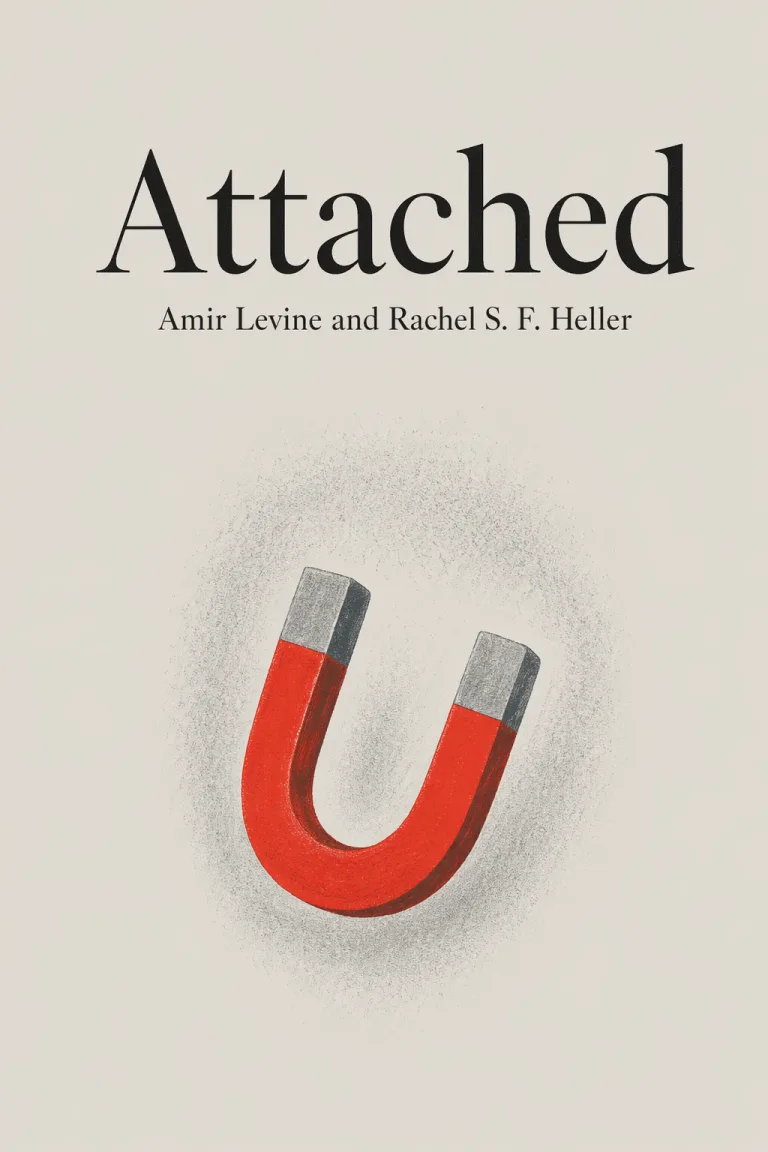
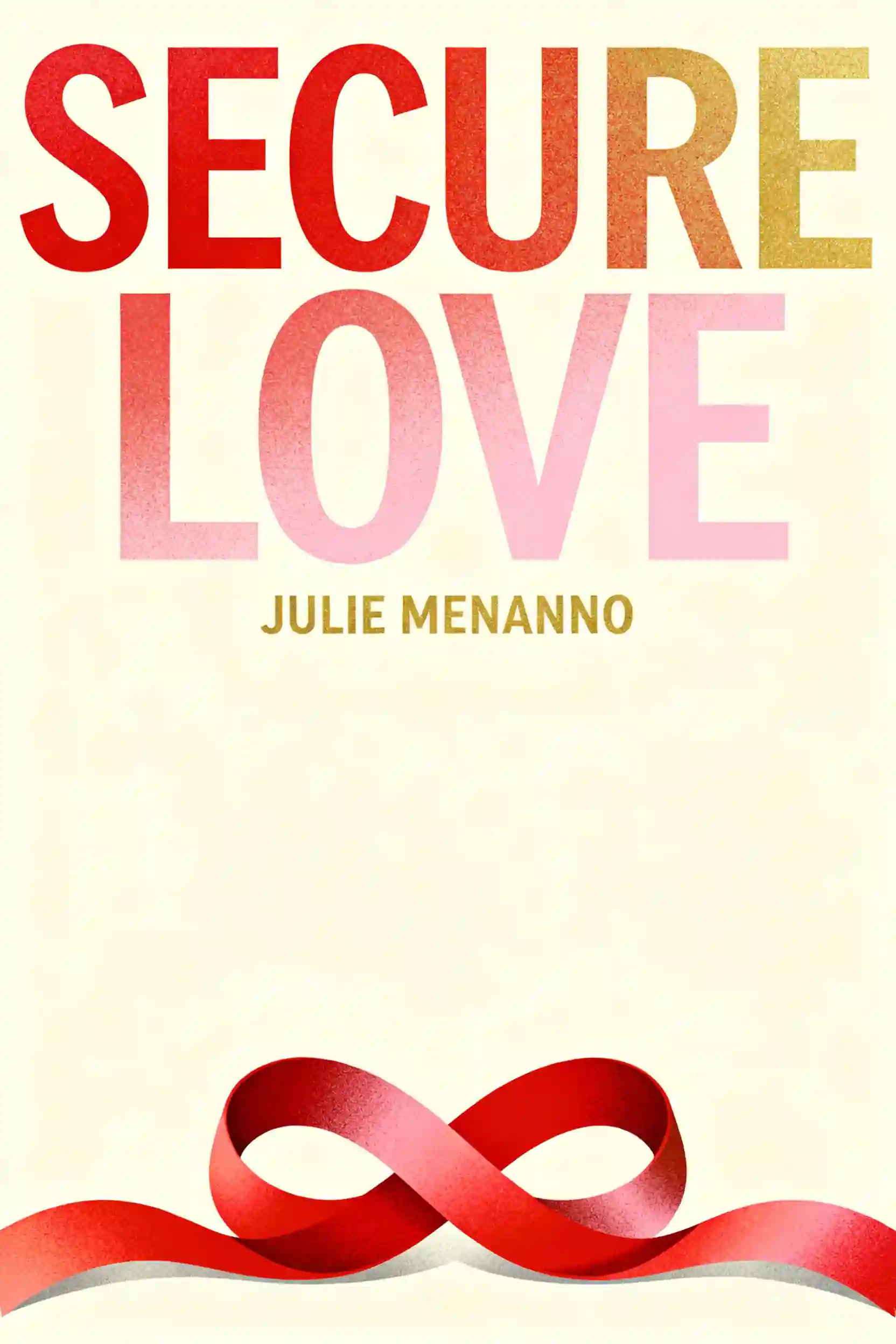
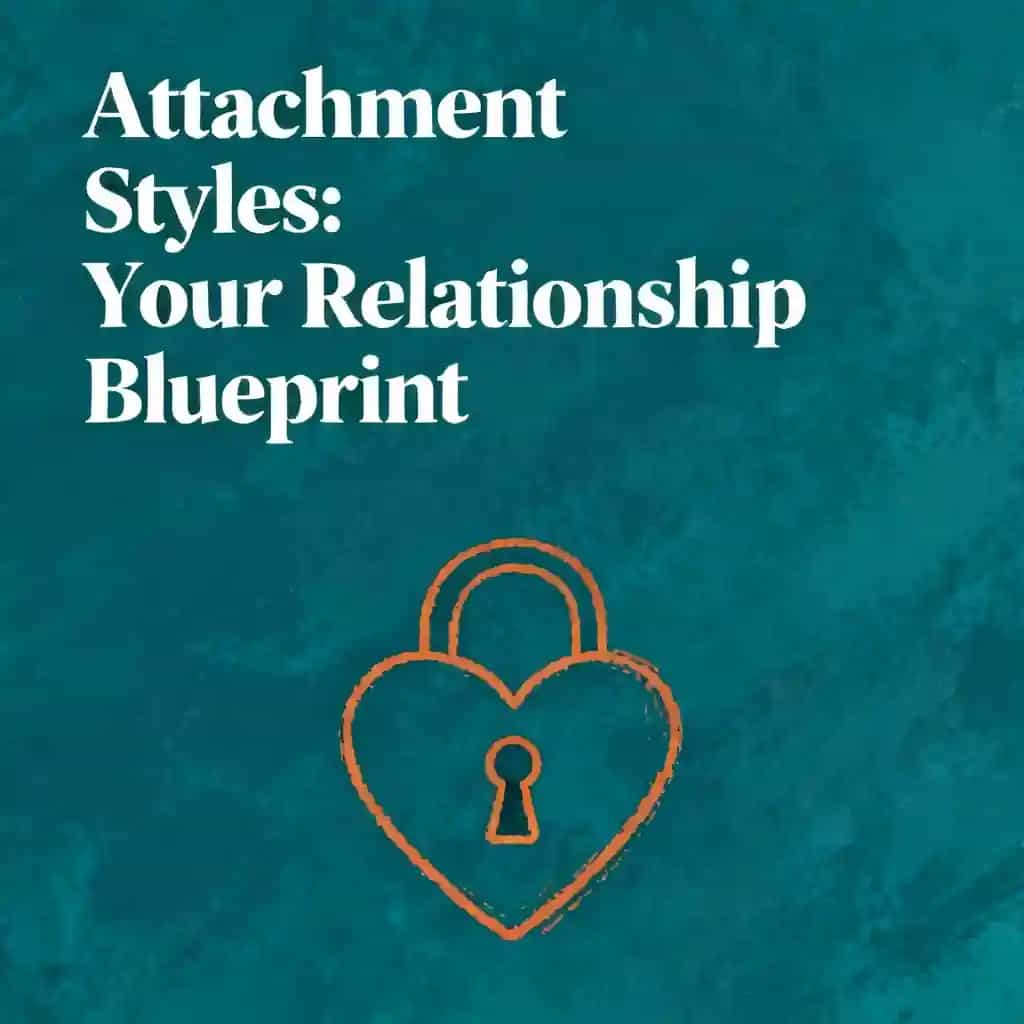
Struggling with the same relationship patterns? Learn how your early attachment style drives conflict and how to build secure, lasting connections.
Meilleure citation de Attachment styles and why relationships feel hard
“
It’s about moving from 'Who is right?' to 'What keeps happening between us, and why?' The cycle is the enemy, not the partner.
”
L
Generated by Laura
Question posée
Relationships - how to connect better , fight fairer and understand attachment styles
Voix des présentateurs
Lena
Miles
Sources de connaissances
Foire aux questions
The Anxious-Avoidant Trap is a common relationship dynamic where individuals with opposing attachment styles are subconsciously drawn to one another. An anxious person often perceives an avoidant partner’s self-sufficiency as a sign of strength and stability, while an avoidant person may be attracted to an anxious partner’s emotional intensity and passion. However, under stress, this creates a "pursue-withdraw" cycle: the anxious partner reaches out more intensely to feel safe, which causes the avoidant partner to pull away to feel safe, inadvertently triggering each other's deepest relational fears.
Yes, it is entirely possible to develop what researchers call "earned secure attachment." Through neuroplasticity, the brain can rewire itself for security via new, positive relationship experiences, such as being with a consistently responsive partner or working with an Emotionally Focused Therapist (EFT). While it may take one to two years of consistent new experiences to see a lasting shift, individuals with earned security eventually report the same levels of relationship satisfaction as those who were securely attached from childhood.
Shame is a powerful emotion that makes an individual feel that they are fundamentally "wrong" or unlovable. According to 2025 research, shame triggers defensive strategies—such as attacking oneself, attacking others, withdrawing, or avoiding—which prevent the vulnerability necessary for true connection. When people feel ashamed of their "messy" parts, they hide them; this lack of self-disclosure prevents their partner from truly knowing them, which ultimately blocks both emotional and sexual intimacy.
A repair attempt is any effort made by a partner to de-escalate tension or restore connection during or after a conflict, such as a joke, a touch, or an apology. According to the Gottman research, the success of a relationship depends less on the frequency of fights and more on how effectively the couple repairs the bond afterward. For a repair to work, it must be "received" by the other partner, which is much easier when the couple has built a "culture of appreciation" and a high ratio of positive-to-negative daily interactions.
To interrupt a negative cycle, anxious partners can practice "Self-Soothe and Soften," which involves calming their own nervous system before using an "I" statement to express a need for connection. Avoidant partners can practice "Stay and Signal," where they communicate their need for space (e.g., "I'm feeling overwhelmed and need 15 minutes") rather than simply disappearing. Additionally, all couples can benefit from the "Six-Second Kiss" and "Stress-Reducing Conversations," where the goal is to listen and be an ally without trying to fix the other person's problems.
Cree par des anciens de Columbia University | a San Francisco
BeFreed rassemble une communauté mondiale d'esprits curieux
4.7
note moyenne
Plus de 7,84 k notes sur l’app
Communauté BeFreed
Franchement, je n'ai pas encore exploré toute l'app, mais après quelques jours d'utilisation, je suis bluffée… BeFreed est à un tout autre niveau que toutes les autres apps d'apprentissage que j'ai essayées. C'est ultra captivant et ça améliore vraiment la concentration — parfait pour tous les accros au scroll !
@ladyInfinity
J'ai acheté BeFreed il y a exactement 23 jours et je l'ai utilisée chaque jour depuis. Elle s'est complètement intégrée à mon quotidien de travail et à mes habitudes d'apprentissage.
@jayallen
La vérité, c'est que l'app a dépassé toutes mes attentes. Je peux lui demander de générer de l'audio sur n'importe quel sujet, quel qu'il soit, et le résultat est impressionnant. Mon domaine professionnel est une spécialisation en psychothérapie, très pluridisciplinaire ; pourtant, les réponses sont très justes.
@Raguipa
Ce que j'apprécie le plus, c'est à quel point ça a réduit mon temps de scroll : je passe moins de temps à chercher et plus de temps à retenir. La combinaison des livres audio complets, des podcasts et des plans d'apprentissage est brillante.
@colonyofcreatorsNGO
Je suis instructeur en apprentissage accéléré PhotoReading depuis 24 ans… les livres, la lecture et l'apprentissage, c'est mon domaine, et BeFreed a fait un excellent travail en proposant une approche innovante pour transmettre l'information de façon facile à assimiler.
@BeFreed user
Ce n'est pas qu'une app de résumés de livres : j'ai utilisé l'option de lecture fun et c'est un bien meilleur résumé, une meilleure façon de saisir les idées qu'à la manière traditionnelle. Rien que ça vaut le coup.
@austinakon
J'adore cette app. Je l'utilise depuis plusieurs jours et je ne peux plus m'arrêter d'écouter. Une excellente façon de commencer.
@jcrules328
J'aime beaucoup ce programme ; je le teste depuis environ un mois et c'est une vraie pépite. Ça marche très bien parce que je peux utiliser BeFreed pour créer mes propres sujets, et la voix est excellente, avec un choix illimité de narrations.
@DanielCZ
Franchement, je n'ai pas encore exploré toute l'app, mais après quelques jours d'utilisation, je suis bluffée… BeFreed est à un tout autre niveau que toutes les autres apps d'apprentissage que j'ai essayées. C'est ultra captivant et ça améliore vraiment la concentration — parfait pour tous les accros au scroll !
@ladyInfinity
J'ai acheté BeFreed il y a exactement 23 jours et je l'ai utilisée chaque jour depuis. Elle s'est complètement intégrée à mon quotidien de travail et à mes habitudes d'apprentissage.
@jayallen
La vérité, c'est que l'app a dépassé toutes mes attentes. Je peux lui demander de générer de l'audio sur n'importe quel sujet, quel qu'il soit, et le résultat est impressionnant. Mon domaine professionnel est une spécialisation en psychothérapie, très pluridisciplinaire ; pourtant, les réponses sont très justes.
@Raguipa
Ce que j'apprécie le plus, c'est à quel point ça a réduit mon temps de scroll : je passe moins de temps à chercher et plus de temps à retenir. La combinaison des livres audio complets, des podcasts et des plans d'apprentissage est brillante.
@colonyofcreatorsNGO
Je suis instructeur en apprentissage accéléré PhotoReading depuis 24 ans… les livres, la lecture et l'apprentissage, c'est mon domaine, et BeFreed a fait un excellent travail en proposant une approche innovante pour transmettre l'information de façon facile à assimiler.
@BeFreed user
Ce n'est pas qu'une app de résumés de livres : j'ai utilisé l'option de lecture fun et c'est un bien meilleur résumé, une meilleure façon de saisir les idées qu'à la manière traditionnelle. Rien que ça vaut le coup.
@austinakon
J'adore cette app. Je l'utilise depuis plusieurs jours et je ne peux plus m'arrêter d'écouter. Une excellente façon de commencer.
@jcrules328
J'aime beaucoup ce programme ; je le teste depuis environ un mois et c'est une vraie pépite. Ça marche très bien parce que je peux utiliser BeFreed pour créer mes propres sujets, et la voix est excellente, avec un choix illimité de narrations.
@DanielCZ
J'adore pouvoir obtenir des informations et des idées utiles et condensées dans un audio façon podcast de 8 à 15 minutes. Je ne suis pas fan des podcasts à cause de tout le remplissage, mais là, on va droit à l'essentiel.
@BeFreed user
Je termine mon doctorat et je dois lire beaucoup de contenus que je ne connais pas… Avec BeFreed, il suffit d'entrer un prompt : l'app trouve les sources pour vous et génère un podcast audio. Je trouve le processus de BeFreed plus fluide que celui de NotebookLM.
@Brad
Je cherche souvent sur YouTube quelque chose à écouter en préparant le petit-déjeuner, en marchant ou dans les transports, et BeFreed offre une approche encore plus ciblée, sans pubs et sans remplissage !
@BeFreed user
Le meilleur atout de cette plateforme, c'est sa polyvalence. Il n'y a littéralement aucun sujet hors de portée. Elle gère tout ce qu'on lui donne… Il est rare de trouver un outil d'apprentissage sans aucune limite qui tient vraiment ses promesses.
@jayallen
BeFreed est fantastique. Son design intuitif me fait passer moins de temps à naviguer et plus de temps à apprendre. Le mélange de livres audio, de podcasts et de plans d'apprentissage est une combinaison géniale qui a complètement changé ma routine quotidienne.
@BeFreed user
Au début, il m'a fallu un moment pour comprendre comment créer des podcasts en italien, et boum ! C'est génial ! Je peux lui demander d'expliquer n'importe quel sujet et elle le fait super bien, avec beaucoup d'intelligence !
@matteo77
BeFreed est devenue mon app quotidienne pour les livres audio… Ce que je préfère, c'est de pouvoir déposer son texte et obtenir un audio à écouter en déplacement.
@kotanzu1
J'adore pouvoir obtenir des informations et des idées utiles et condensées dans un audio façon podcast de 8 à 15 minutes. Je ne suis pas fan des podcasts à cause de tout le remplissage, mais là, on va droit à l'essentiel.
@BeFreed user
Je termine mon doctorat et je dois lire beaucoup de contenus que je ne connais pas… Avec BeFreed, il suffit d'entrer un prompt : l'app trouve les sources pour vous et génère un podcast audio. Je trouve le processus de BeFreed plus fluide que celui de NotebookLM.
@Brad
Je cherche souvent sur YouTube quelque chose à écouter en préparant le petit-déjeuner, en marchant ou dans les transports, et BeFreed offre une approche encore plus ciblée, sans pubs et sans remplissage !
@BeFreed user
Le meilleur atout de cette plateforme, c'est sa polyvalence. Il n'y a littéralement aucun sujet hors de portée. Elle gère tout ce qu'on lui donne… Il est rare de trouver un outil d'apprentissage sans aucune limite qui tient vraiment ses promesses.
@jayallen
BeFreed est fantastique. Son design intuitif me fait passer moins de temps à naviguer et plus de temps à apprendre. Le mélange de livres audio, de podcasts et de plans d'apprentissage est une combinaison géniale qui a complètement changé ma routine quotidienne.
@BeFreed user
Au début, il m'a fallu un moment pour comprendre comment créer des podcasts en italien, et boum ! C'est génial ! Je peux lui demander d'expliquer n'importe quel sujet et elle le fait super bien, avec beaucoup d'intelligence !
@matteo77
BeFreed est devenue mon app quotidienne pour les livres audio… Ce que je préfère, c'est de pouvoir déposer son texte et obtenir un audio à écouter en déplacement.
Struggling with relationship patterns? Learn how your attachment style acts as a survival strategy and how to move from insecurity toward earned security.
Discover how your childhood attachment patterns shape every relationship in your life - from romance to friendships to work dynamics. Learn to recognize anxious, avoidant, and secure styles, break destructive cycles, and build the deep connections you truly crave.
Discover how childhood experiences shape adult relationships through four distinct attachment patterns. Learn to identify your style and transform unhealthy patterns into secure connections.