Arabic language rhythm is more than just grammar
Learning Arabic often feels rigid, but its true power lies in its musical pulse. Discover how poetic cycles and breath shape the way people speak.

Meilleure citation de Arabic language rhythm is more than just grammar
Arabic is a language where the 'Dum' and 'Tak' of a drum find their echo in the very way sentences are built; it is a living grammar of feeling where every syllable is a deliberate step in a dance between movement and stillness.

Cette leçon audio a été créée par un membre de la communauté BeFreed
The rhythm of the Arabic language

Foire aux questions
The Arabic language is built on a binary-like system of movement and stillness. In the 8th century, the scholar Al-Khalil ibn Ahmad al-Farahidi mapped out the rhythmic DNA of the language using a vertical line to represent a haraka (movement/vowel) and a circle to represent a sukun (stillness/pause). This "on/off" or "1 and 0" structure mirrors the binary code used in modern computing, leading some scholars to suggest that Arabic is ideally suited for developing new, native technological coding systems.
The "Sixteen Seas," or buhur, are specific rhythmic patterns that govern classical Arabic poetry. Discovered and categorized by Al-Farahidi, these patterns act as different "tides" or currents that a poet can use to shape their work. Each sea, such as the epic Tawil (Long Sea) or the energetic Kamil (Complete Sea), carries a specific emotional weight and dictates the length and flow of the syllables, ensuring the poem maintains a natural yet disciplined cadence.
Hemayat is described as an "invisible hand" or a "flowing current of signs" that guides the rhythm of a poem or speech. It is a system that shapes the speaker's breath into verse, creating a melodic entrainment called Hamloon. This allows the speaker and the audience to physically sync their breathing, turning an oral performance into a collective, hypnotic experience where the rhythm acts as a "living grammar of feeling."
Poetry was used as a "memory hack" because the rhythmic meters of Arabic, particularly the flexible Rajaz meter, are highly mnemonic. By packing complex information into a compact, rhythmic format, the "seas" of poetry acted as a data compression tool. This made it much easier for students to memorize and recall intricate formulas or observations, preserving scientific knowledge through an oral tradition that was easy to "breathe" back into life.
The best way to experience the rhythm is to shift from visual reading to oral listening. Beginners are encouraged to listen to master reciters to identify the Mizan, or balance, of the sentences. A practical exercise called Tahrir involves reciting short poems out loud to build "muscle memory for meter," focusing on the alignment of the beats rather than the literal meaning of the words. Consistency, such as seven days of structured rehearsal, helps make the binary pulse of the language feel as natural as a heartbeat.
Découvrir plus

Learn Levantine Arabic.
This learning plan is essential for anyone seeking to navigate daily life in the Levant or connect deeply with Arabic-speaking communities. It is ideal for travelers, expats, and language enthusiasts who want to move beyond textbooks and achieve practical, culturally-aware conversational fluency.

Arabic for Family Connection
This plan is designed for heritage learners who understand Arabic but struggle to speak it fluently with their relatives. It provides the linguistic and cultural tools necessary to strengthen ancestral bonds and participate fully in family life.

Learn Najdi Arabic through YouTube mining
This plan is essential for learners who want to move beyond formal textbooks and master the authentic Najdi dialect used in daily Saudi life. It is ideal for expats, travelers, or professionals seeking fluency through immersive digital content and cultural context.
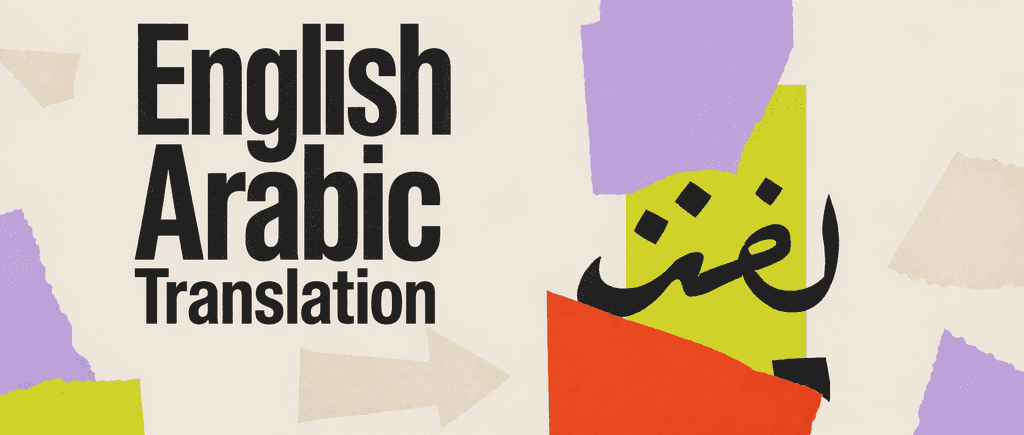
Learn English-Arabic translation
This plan is essential for bilingual individuals looking to professionalize their translation skills by bridging linguistic gaps and cultural nuances. It benefits aspiring translators and language enthusiasts seeking a structured path from foundational theory to career-ready expertise.

Bridge MSA to Lebanese Arabic
This learning plan is essential for students who have a foundation in Modern Standard Arabic but struggle to communicate in casual settings. It is designed for travelers, professionals, and heritage learners who want to transform their formal knowledge into the vibrant, practical Lebanese dialect.

Poetry
This learning plan is designed for anyone who wants to read poetry more deeply and write with greater artistry and authenticity. Whether you're a beginner discovering poetry's power for the first time or an experienced writer seeking to refine your craft, this comprehensive journey through reading, technique, and creative development will help you find your voice and express what matters most to you.
Learn Basic Spanish Grammar Step-by-Step
This structured plan is essential for beginners who want to move beyond simple memorization to functional fluency. It is ideal for travelers, students, or professionals seeking a logical progression from basic sounds to advanced grammatical structures.

i want to learn daily french
This plan is designed for dedicated learners who want to move beyond basic memorization to achieve true conversational fluency. It combines behavioral science with practical grammar and cultural context to ensure you speak French like a native.
Cree par des anciens de Columbia University a San Francisco
"Instead of endless scrolling, I just hit play on BeFreed. It saves me so much time."


"I never knew where to start with nonfiction—BeFreed’s book lists turned into podcasts gave me a clear path."


"Perfect balance between learning and entertainment. Finished ‘Thinking, Fast and Slow’ on my commute this week."
"Crazy how much I learned while walking the dog. BeFreed = small habits → big gains."
"Reading used to feel like a chore. Now it’s just part of my lifestyle."

"Feels effortless compared to reading. I’ve finished 6 books this month already."
"BeFreed turned my guilty doomscrolling into something that feels productive and inspiring."

"BeFreed turned my commute into learning time. 20-min podcasts are perfect for finishing books I never had time for."
"BeFreed replaced my podcast queue. Imagine Spotify for books — that’s it. 🙌"

"It is great for me to learn something from the book without reading it."
"The themed book list podcasts help me connect ideas across authors—like a guided audio journey."
"Makes me feel smarter every time before going to work"
Cree par des anciens de Columbia University a San Francisco
"Instead of endless scrolling, I just hit play on BeFreed. It saves me so much time."
"I never knew where to start with nonfiction—BeFreed’s book lists turned into podcasts gave me a clear path."
"Perfect balance between learning and entertainment. Finished ‘Thinking, Fast and Slow’ on my commute this week."
"Crazy how much I learned while walking the dog. BeFreed = small habits → big gains."
"Reading used to feel like a chore. Now it’s just part of my lifestyle."
"Feels effortless compared to reading. I’ve finished 6 books this month already."
"BeFreed turned my guilty doomscrolling into something that feels productive and inspiring."
"BeFreed turned my commute into learning time. 20-min podcasts are perfect for finishing books I never had time for."
"BeFreed replaced my podcast queue. Imagine Spotify for books — that’s it. 🙌"
"It is great for me to learn something from the book without reading it."
"The themed book list podcasts help me connect ideas across authors—like a guided audio journey."
"Makes me feel smarter every time before going to work"
"Instead of endless scrolling, I just hit play on BeFreed. It saves me so much time."
"I never knew where to start with nonfiction—BeFreed’s book lists turned into podcasts gave me a clear path."
"Perfect balance between learning and entertainment. Finished ‘Thinking, Fast and Slow’ on my commute this week."
"Crazy how much I learned while walking the dog. BeFreed = small habits → big gains."
"Reading used to feel like a chore. Now it’s just part of my lifestyle."
"Feels effortless compared to reading. I’ve finished 6 books this month already."
"BeFreed turned my guilty doomscrolling into something that feels productive and inspiring."
"BeFreed turned my commute into learning time. 20-min podcasts are perfect for finishing books I never had time for."
"BeFreed replaced my podcast queue. Imagine Spotify for books — that’s it. 🙌"
"It is great for me to learn something from the book without reading it."
"The themed book list podcasts help me connect ideas across authors—like a guided audio journey."
"Makes me feel smarter every time before going to work"
"Instead of endless scrolling, I just hit play on BeFreed. It saves me so much time."
"I never knew where to start with nonfiction—BeFreed’s book lists turned into podcasts gave me a clear path."
"Perfect balance between learning and entertainment. Finished ‘Thinking, Fast and Slow’ on my commute this week."
"Crazy how much I learned while walking the dog. BeFreed = small habits → big gains."
"Reading used to feel like a chore. Now it’s just part of my lifestyle."
"Feels effortless compared to reading. I’ve finished 6 books this month already."
"BeFreed turned my guilty doomscrolling into something that feels productive and inspiring."
"BeFreed turned my commute into learning time. 20-min podcasts are perfect for finishing books I never had time for."
"BeFreed replaced my podcast queue. Imagine Spotify for books — that’s it. 🙌"
"It is great for me to learn something from the book without reading it."
"The themed book list podcasts help me connect ideas across authors—like a guided audio journey."
"Makes me feel smarter every time before going to work"