BeFreed
    Categories>History & Society>America's Most Controversial Beloved Novel

    America's Most Controversial Beloved Novel

    27 min
    |
    |
    18 févr. 2026
    SocietyPhilosophyHistory

    Exploring why Harper Lee's Pulitzer Prize-winning masterpiece remains both celebrated and banned, as we unpack the complex moral lessons hidden in Scout Finch's seemingly simple childhood story.

    America's Most Controversial Beloved Novel

    Meilleure citation de America's Most Controversial Beloved Novel

    “

    Moral courage isn't just about grand gestures—it's about the daily choice to see other people as fully human, even when society tells you not to.

    ”

    Cette leçon audio a été créée par un membre de la communauté BeFreed

    Question posée

    I want to kill a mocking bird

    Voix des présentateurs
    Lenaplay
    Milesplay
    Style d'apprentissage
    Approfondi
    Sources de connaissances
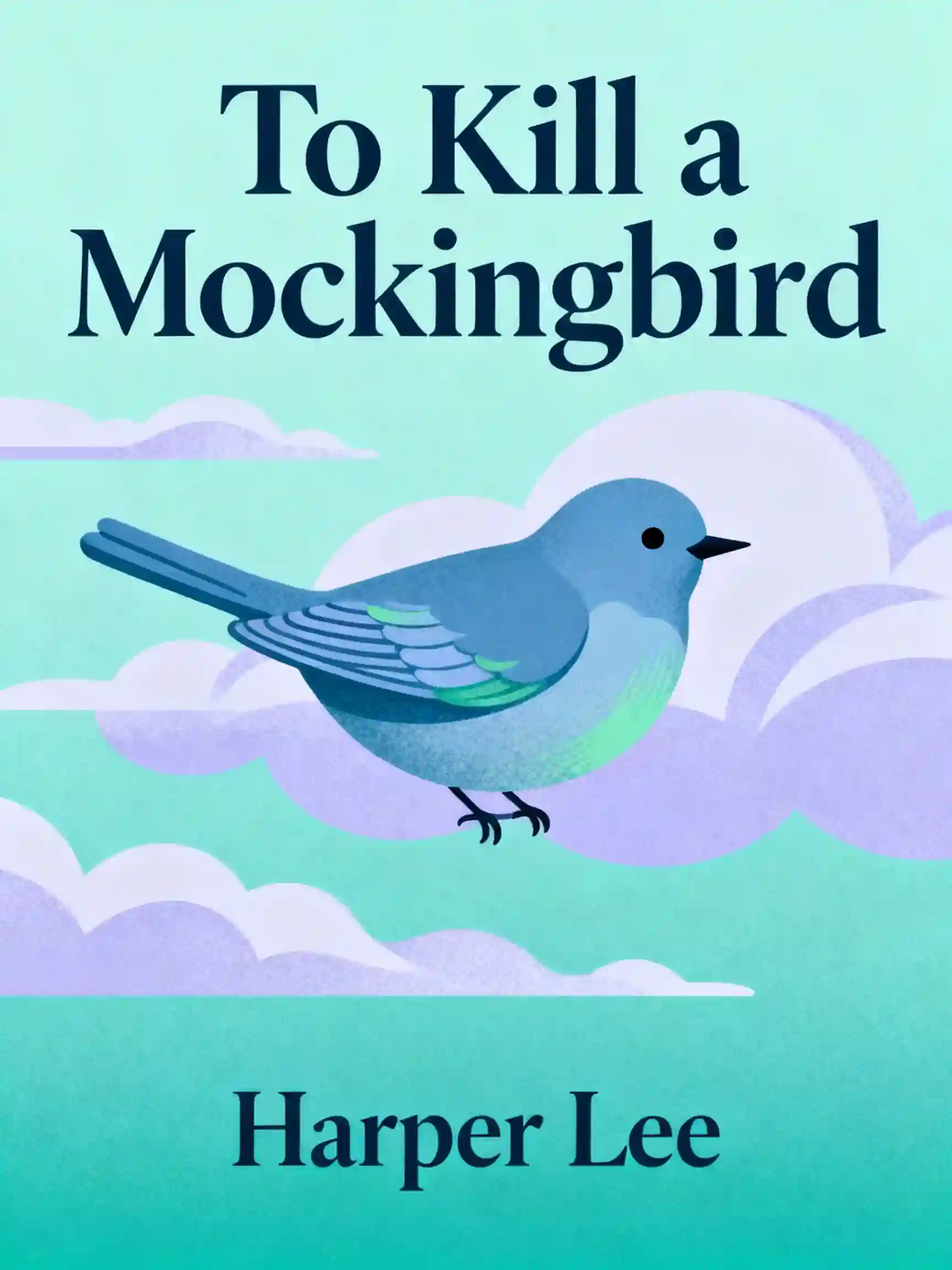
    To Kill a Mockingbird
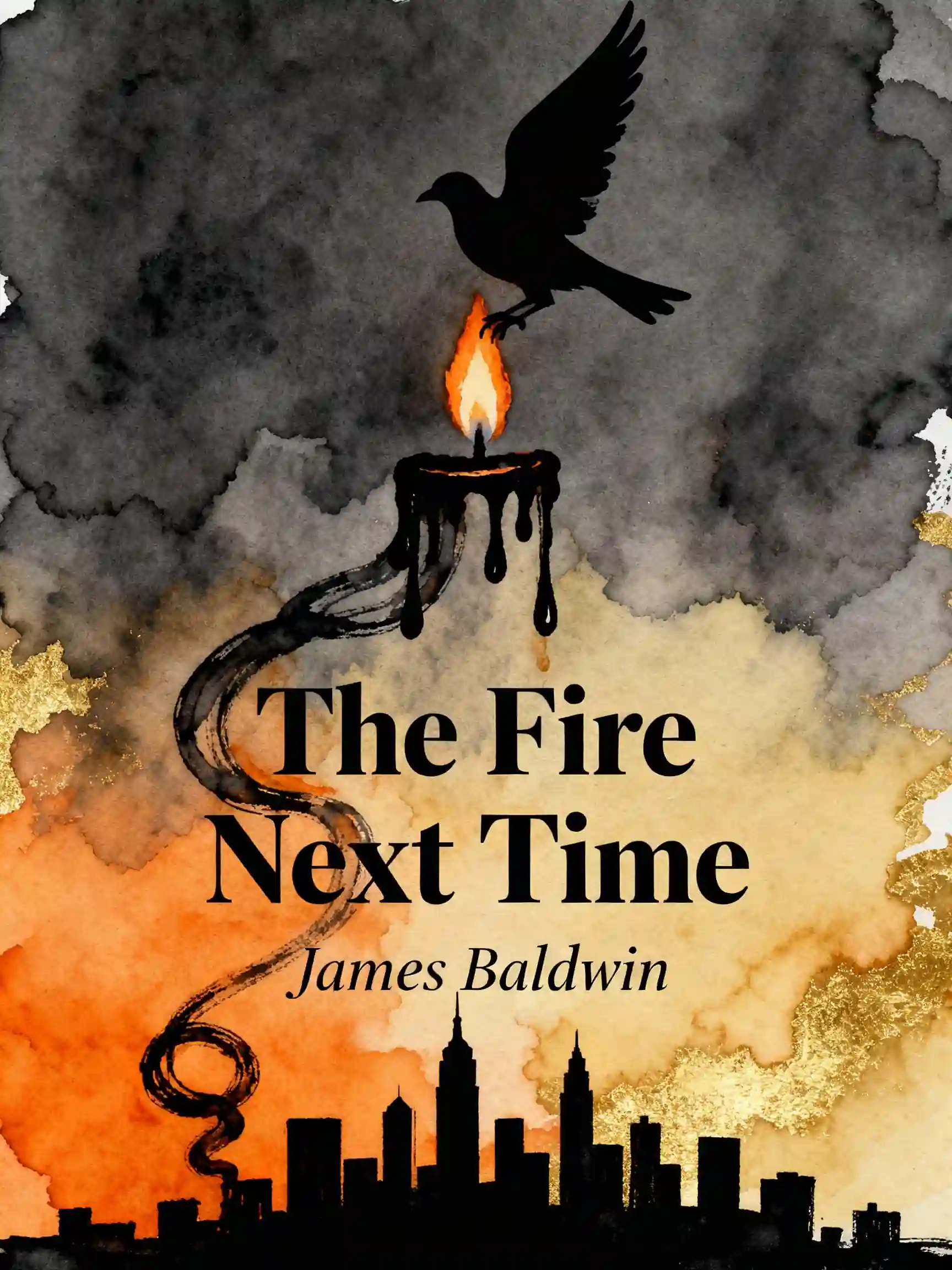
    The fire next time
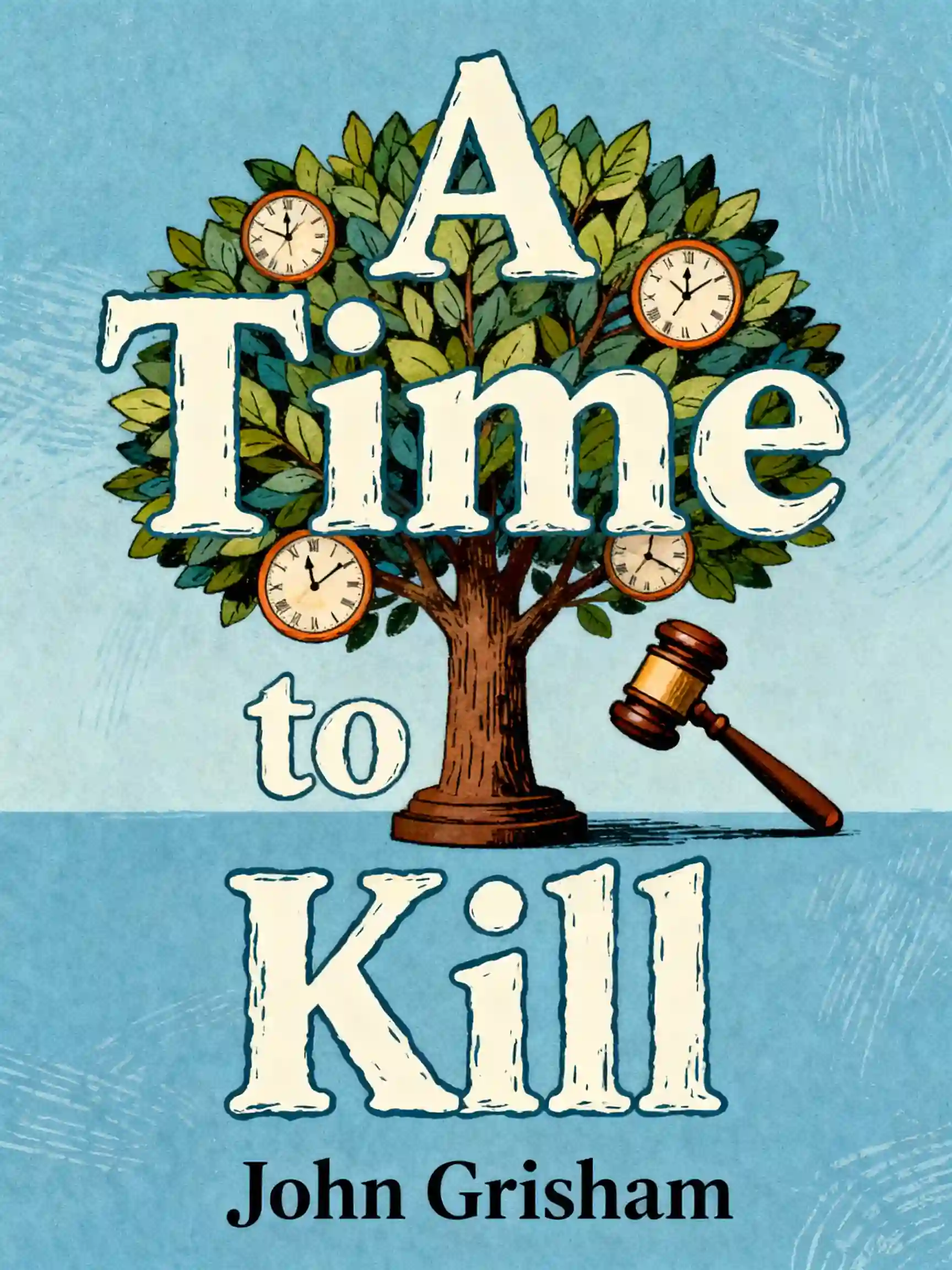
    Time to Kill
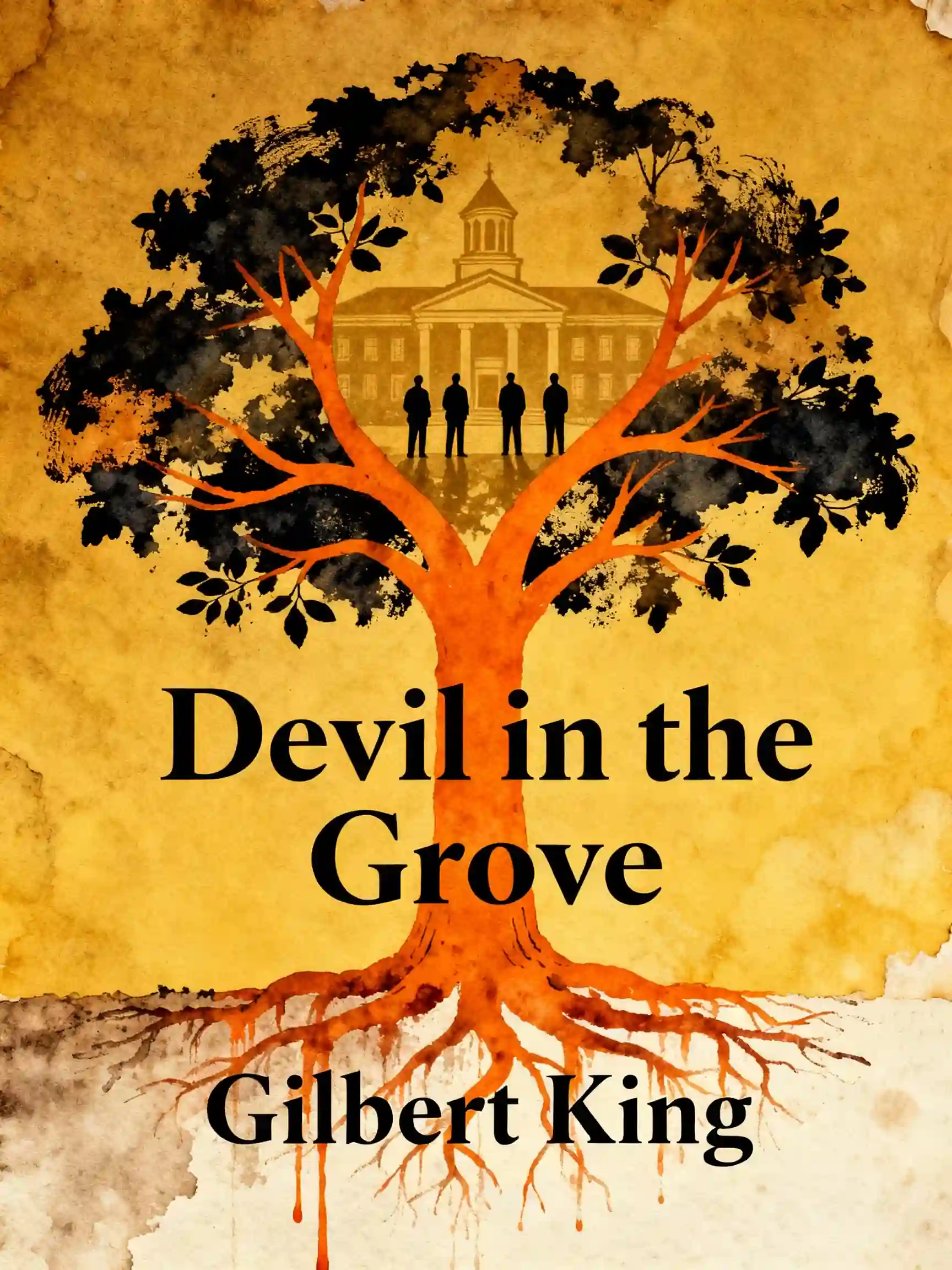
    Devil in the Grove
    From #BlackLivesMatter to Black Liberation
    The Bluest Eye

    Découvrir plus

    Study classic novel summaries

    Study classic novel summaries

    PLAN D'APPRENTISSAGE

    Study classic novel summaries

    Classic novels offer timeless insights into human nature and society, yet many readers struggle to fully appreciate their complexity and significance. This learning plan equips literature enthusiasts, students, and lifelong learners with the analytical tools to deeply understand and interpret influential works that have shaped our literary tradition.

    3 h 29 m•4 Sections
    Books Recommended by Ann Patchett
    LIVRES

    Books Recommended by Ann Patchett

    Explore Ann Patchett’s most recommended books—literary novels and memoirs that capture human connection, resilience, and the art of storytelling.

    Équipe BeFreed

    Classic literature

    Classic literature

    PLAN D'APPRENTISSAGE

    Classic literature

    Classic literature forms the foundation of modern storytelling and continues to offer unparalleled insights into human nature, society, and morality. This learning plan is ideal for readers who want to move beyond surface-level reading, building the analytical skills and cultural literacy to engage deeply with the world's most influential literary works across British, Russian, and modernist traditions.

    2 h 12 m•5 Sections
    The Best American History Books
    LIVRES

    The Best American History Books

    Explore the most powerful books on US history—discover untold stories, key events, and how the past shaped modern America.

    Équipe BeFreed

    Adult fiction with intimacy

    Adult fiction with intimacy

    PLAN D'APPRENTISSAGE

    Adult fiction with intimacy

    This learning plan is designed for adult readers seeking to deepen their understanding and appreciation of intimate fiction beyond surface-level entertainment. Whether you're a romance enthusiast wanting to explore more complex narratives, a book club member seeking thoughtful discussion material, or simply curious about why passionate fiction has become a dominant literary force, this structured approach guides you through the genre's most influential works and themes.

    2 h 3 m•3 Sections
    Analyze Colorless Tsukuru

    Analyze Colorless Tsukuru

    PLAN D'APPRENTISSAGE

    Analyze Colorless Tsukuru

    This learning plan offers a comprehensive framework for engaging with one of Haruki Murakami's most psychologically complex novels. It's ideal for literature students, book club members, and readers seeking to move beyond surface-level understanding to appreciate the novel's layered symbolism, psychological depth, and place within both Japanese and global literary contexts.

    2 h 38 m•4 Sections
    Reading Dark Romance

    Reading Dark Romance

    PLAN D'APPRENTISSAGE

    Reading Dark Romance

    Dark romance has emerged as a powerful literary genre that explores the shadows of human desire and complex relationship dynamics. This learning plan helps readers understand the psychological appeal of taboo themes, power imbalances, and morally ambiguous characters while developing critical analysis skills for this controversial but increasingly popular genre.

    1 h 39 m•4 Sections
    Analyze books for diverse insights.

    Analyze books for diverse insights.

    PLAN D'APPRENTISSAGE

    Analyze books for diverse insights.

    This plan is designed for readers who want to move beyond surface-level plots to uncover deep cultural and symbolic meanings. It is ideal for students, writers, and lifelong learners seeking to broaden their worldview through diverse literary analysis.

    2 h 50 m•4 Sections

    Cree par des anciens de Columbia University a San Francisco

    BeFreed rassemble une communauté mondiale de 1,000,000 esprits curieux
    Decouvrez comment BeFreed est discute sur le web

    "Instead of endless scrolling, I just hit play on BeFreed. It saves me so much time."

    @Moemenn
    platform
    star
    star
    star
    star
    star

    "I never knew where to start with nonfiction—BeFreed’s book lists turned into podcasts gave me a clear path."

    @Chloe, Solo founder, LA
    platform
    comments
    12
    likes
    117

    "Perfect balance between learning and entertainment. Finished ‘Thinking, Fast and Slow’ on my commute this week."

    @Raaaaaachelw
    platform
    star
    star
    star
    star
    star

    "Crazy how much I learned while walking the dog. BeFreed = small habits → big gains."

    @Matt, YC alum
    platform
    comments
    12
    likes
    108

    "Reading used to feel like a chore. Now it’s just part of my lifestyle."

    @Erin, Investment Banking Associate , NYC
    platform
    comments
    254
    likes
    17

    "Feels effortless compared to reading. I’ve finished 6 books this month already."

    @djmikemoore
    platform
    star
    star
    star
    star
    star

    "BeFreed turned my guilty doomscrolling into something that feels productive and inspiring."

    @Pitiful
    platform
    comments
    96
    likes
    4.5K

    "BeFreed turned my commute into learning time. 20-min podcasts are perfect for finishing books I never had time for."

    @SofiaP
    platform
    star
    star
    star
    star
    star

    "BeFreed replaced my podcast queue. Imagine Spotify for books — that’s it. 🙌"

    @Jaded_Falcon
    platform
    comments
    201
    thumbsUp
    16

    "It is great for me to learn something from the book without reading it."

    @OojasSalunke
    platform
    star
    star
    star
    star
    star

    "The themed book list podcasts help me connect ideas across authors—like a guided audio journey."

    @Leo, Law Student, UPenn
    platform
    comments
    37
    likes
    483

    "Makes me feel smarter every time before going to work"

    @Cashflowbubu
    platform
    star
    star
    star
    star
    star

    Cree par des anciens de Columbia University a San Francisco

    BeFreed rassemble une communauté mondiale de 1,000,000 esprits curieux
    Decouvrez comment BeFreed est discute sur le web

    "Instead of endless scrolling, I just hit play on BeFreed. It saves me so much time."

    @Moemenn
    platform
    star
    star
    star
    star
    star

    "I never knew where to start with nonfiction—BeFreed’s book lists turned into podcasts gave me a clear path."

    @Chloe, Solo founder, LA
    platform
    comments
    12
    likes
    117

    "Perfect balance between learning and entertainment. Finished ‘Thinking, Fast and Slow’ on my commute this week."

    @Raaaaaachelw
    platform
    star
    star
    star
    star
    star

    "Crazy how much I learned while walking the dog. BeFreed = small habits → big gains."

    @Matt, YC alum
    platform
    comments
    12
    likes
    108

    "Reading used to feel like a chore. Now it’s just part of my lifestyle."

    @Erin, Investment Banking Associate , NYC
    platform
    comments
    254
    likes
    17

    "Feels effortless compared to reading. I’ve finished 6 books this month already."

    @djmikemoore
    platform
    star
    star
    star
    star
    star

    "BeFreed turned my guilty doomscrolling into something that feels productive and inspiring."

    @Pitiful
    platform
    comments
    96
    likes
    4.5K

    "BeFreed turned my commute into learning time. 20-min podcasts are perfect for finishing books I never had time for."

    @SofiaP
    platform
    star
    star
    star
    star
    star

    "BeFreed replaced my podcast queue. Imagine Spotify for books — that’s it. 🙌"

    @Jaded_Falcon
    platform
    comments
    201
    thumbsUp
    16

    "It is great for me to learn something from the book without reading it."

    @OojasSalunke
    platform
    star
    star
    star
    star
    star

    "The themed book list podcasts help me connect ideas across authors—like a guided audio journey."

    @Leo, Law Student, UPenn
    platform
    comments
    37
    likes
    483

    "Makes me feel smarter every time before going to work"

    @Cashflowbubu
    platform
    star
    star
    star
    star
    star

    "Instead of endless scrolling, I just hit play on BeFreed. It saves me so much time."

    @Moemenn
    platform
    star
    star
    star
    star
    star

    "I never knew where to start with nonfiction—BeFreed’s book lists turned into podcasts gave me a clear path."

    @Chloe, Solo founder, LA
    platform
    comments
    12
    likes
    117

    "Perfect balance between learning and entertainment. Finished ‘Thinking, Fast and Slow’ on my commute this week."

    @Raaaaaachelw
    platform
    star
    star
    star
    star
    star

    "Crazy how much I learned while walking the dog. BeFreed = small habits → big gains."

    @Matt, YC alum
    platform
    comments
    12
    likes
    108

    "Reading used to feel like a chore. Now it’s just part of my lifestyle."

    @Erin, Investment Banking Associate , NYC
    platform
    comments
    254
    likes
    17

    "Feels effortless compared to reading. I’ve finished 6 books this month already."

    @djmikemoore
    platform
    star
    star
    star
    star
    star

    "BeFreed turned my guilty doomscrolling into something that feels productive and inspiring."

    @Pitiful
    platform
    comments
    96
    likes
    4.5K

    "BeFreed turned my commute into learning time. 20-min podcasts are perfect for finishing books I never had time for."

    @SofiaP
    platform
    star
    star
    star
    star
    star

    "BeFreed replaced my podcast queue. Imagine Spotify for books — that’s it. 🙌"

    @Jaded_Falcon
    platform
    comments
    201
    thumbsUp
    16

    "It is great for me to learn something from the book without reading it."

    @OojasSalunke
    platform
    star
    star
    star
    star
    star

    "The themed book list podcasts help me connect ideas across authors—like a guided audio journey."

    @Leo, Law Student, UPenn
    platform
    comments
    37
    likes
    483

    "Makes me feel smarter every time before going to work"

    @Cashflowbubu
    platform
    star
    star
    star
    star
    star

    "Instead of endless scrolling, I just hit play on BeFreed. It saves me so much time."

    @Moemenn
    platform
    star
    star
    star
    star
    star

    "I never knew where to start with nonfiction—BeFreed’s book lists turned into podcasts gave me a clear path."

    @Chloe, Solo founder, LA
    platform
    comments
    12
    likes
    117

    "Perfect balance between learning and entertainment. Finished ‘Thinking, Fast and Slow’ on my commute this week."

    @Raaaaaachelw
    platform
    star
    star
    star
    star
    star

    "Crazy how much I learned while walking the dog. BeFreed = small habits → big gains."

    @Matt, YC alum
    platform
    comments
    12
    likes
    108

    "Reading used to feel like a chore. Now it’s just part of my lifestyle."

    @Erin, Investment Banking Associate , NYC
    platform
    comments
    254
    likes
    17

    "Feels effortless compared to reading. I’ve finished 6 books this month already."

    @djmikemoore
    platform
    star
    star
    star
    star
    star

    "BeFreed turned my guilty doomscrolling into something that feels productive and inspiring."

    @Pitiful
    platform
    comments
    96
    likes
    4.5K

    "BeFreed turned my commute into learning time. 20-min podcasts are perfect for finishing books I never had time for."

    @SofiaP
    platform
    star
    star
    star
    star
    star

    "BeFreed replaced my podcast queue. Imagine Spotify for books — that’s it. 🙌"

    @Jaded_Falcon
    platform
    comments
    201
    thumbsUp
    16

    "It is great for me to learn something from the book without reading it."

    @OojasSalunke
    platform
    star
    star
    star
    star
    star

    "The themed book list podcasts help me connect ideas across authors—like a guided audio journey."

    @Leo, Law Student, UPenn
    platform
    comments
    37
    likes
    483

    "Makes me feel smarter every time before going to work"

    @Cashflowbubu
    platform
    star
    star
    star
    star
    star
    1.5K Ratings4.7
    Commencez votre parcours d'apprentissage, maintenant
    BeFreed App
    BeFreed

    Apprenez n'importe quoi, personnalise

    DiscordLinkedIn
    Resumes de livres en vedette
    Crucial ConversationsThe Perfect MarriageInto the WildNever Split the DifferenceAttachedGood to GreatSay Nothing
    Categories tendance
    Self HelpCommunication SkillRelationshipMindfulnessPhilosophyInspirationProductivity
    Listes de lecture de celebrites
    Elon MuskCharlie KirkBill GatesSteve JobsAndrew HubermanJoe RoganJordan Peterson
    Collection primee
    Pulitzer PrizeNational Book AwardGoodreads Choice AwardsNobel Prize in LiteratureNew York TimesCaldecott MedalNebula Award
    Sujets en vedette
    ManagementAmerican HistoryWarTradingStoicismAnxietySex
    Meilleurs livres par annee
    2025 Best Non Fiction Books2024 Best Non Fiction Books2023 Best Non Fiction Books
    Auteurs en vedette
    Chimamanda Ngozi AdichieGeorge OrwellO. J. SimpsonBarbara O'NeillWinston ChurchillCharlie Kirk
    BeFreed vs autres applications
    BeFreed vs. Other Book Summary AppsBeFreed vs. ElevenReaderBeFreed vs. ReadwiseBeFreed vs. Anki
    Outils d'apprentissage
    Knowledge VisualizerAI Podcast Generator
    Informations
    A propos de nousarrow
    Tarifsarrow
    FAQarrow
    Blogarrow
    Carrieresarrow
    Partenariatsarrow
    Programme Ambassadeurarrow
    Repertoirearrow
    BeFreed
    Try now
    © 2026 BeFreed
    Conditions d'utilisationPolitique de confidentialite
    BeFreed

    Apprenez n'importe quoi, personnalise

    DiscordLinkedIn
    Resumes de livres en vedette
    Crucial ConversationsThe Perfect MarriageInto the WildNever Split the DifferenceAttachedGood to GreatSay Nothing
    Categories tendance
    Self HelpCommunication SkillRelationshipMindfulnessPhilosophyInspirationProductivity
    Listes de lecture de celebrites
    Elon MuskCharlie KirkBill GatesSteve JobsAndrew HubermanJoe RoganJordan Peterson
    Collection primee
    Pulitzer PrizeNational Book AwardGoodreads Choice AwardsNobel Prize in LiteratureNew York TimesCaldecott MedalNebula Award
    Sujets en vedette
    ManagementAmerican HistoryWarTradingStoicismAnxietySex
    Meilleurs livres par annee
    2025 Best Non Fiction Books2024 Best Non Fiction Books2023 Best Non Fiction Books
    Outils d'apprentissage
    Knowledge VisualizerAI Podcast Generator
    Auteurs en vedette
    Chimamanda Ngozi AdichieGeorge OrwellO. J. SimpsonBarbara O'NeillWinston ChurchillCharlie Kirk
    BeFreed vs autres applications
    BeFreed vs. Other Book Summary AppsBeFreed vs. ElevenReaderBeFreed vs. ReadwiseBeFreed vs. Anki
    Informations
    A propos de nousarrow
    Tarifsarrow
    FAQarrow
    Blogarrow
    Carrieresarrow
    Partenariatsarrow
    Programme Ambassadeurarrow
    Repertoirearrow
    BeFreed
    Try now
    © 2026 BeFreed
    Conditions d'utilisationPolitique de confidentialite

    Points clés

    1

    America's Most Controversial Beloved Novel

    0:00

    Lena: You know what's wild? Harper Lee wrote one of America's most beloved novels about killing something that represents pure innocence, and yet the book itself has been both celebrated and banned more than almost any other piece of literature.

    0:14

    Miles: Right, and that's the fascinating paradox of *To Kill a Mockingbird*. Here's a novel that won the Pulitzer Prize and has sold over 40 million copies worldwide, but it's also been the subject of heated debates in classrooms across the country. The American Library Association ranked it as the 21st most frequently challenged book between 2000 and 2009.

    0:35

    Lena: That's such a perfect example of how powerful literature can be—it forces us to confront uncomfortable truths. I mean, Scout Finch is telling us this story about her childhood in 1930s Alabama, where her father Atticus defends a Black man falsely accused of rape, and even today people are still arguing about what the book really means.

    0:57

    Miles: Exactly! And what's really interesting is that Lee herself said the novel "spells out in words of seldom more than two syllables a code of honor and conduct, Christian in its ethic, that is the heritage of all Southerners." But readers have found so much more complexity in those seemingly simple words. So let's dive into what makes this mockingbird so powerful that people are still fighting over it decades later.
    2

    The Moral Architecture of Maycomb County

    1:22

    Miles: You know what really strikes me about Lee's construction of Maycomb? It's not just a setting—it's this incredibly detailed social ecosystem where every character represents a different moral position. And Scout's journey through this world becomes our journey.

    1:39

    Lena: That's such a brilliant way to put it. I love how Lee uses Scout's innocent observations to expose the town's contradictions. Like when Scout notices that the missionary circle ladies can weep over the poor Mrunas in Africa while completely ignoring the suffering of Black people in their own community.

    1:57

    Miles: Right, and that's where Lee's genius really shows. She's created this microcosm where we can see how prejudice operates at every level of society. You've got the Cunninghams, who are poor but proud and honest. Then there are the Ewells, who are also poor but represent the worst kind of moral corruption. And sitting above them all, you have families like the Finches, who have the privilege and education to make moral choices.

    2:22

    Lena: What's fascinating is how Scout initially sees these distinctions as natural—like when Aunt Alexandra tries to explain why Scout can't play with Walter Cunningham Jr. Scout can't understand it because to her, Walter's just a nice boy who doesn't have lunch money.

    0:57

    Miles: Exactly! And that innocence becomes this powerful lens for examining how we learn prejudice. Scout isn't born knowing that she's supposed to look down on the Cunninghams or fear Black people. These are taught behaviors, social constructions that adults pass down. When Scout stands on Boo Radley's porch at the end and sees her neighborhood from his perspective, she's learned to see past these artificial barriers.

    3:05

    Lena: That scene gives me chills every time. Because it's not just about Boo—it's about Scout finally understanding what her father meant when he said you never really understand a person until you walk around in their skin. She's applying that lesson to everyone: Boo, Tom Robinson, even Mrs. Dubose.

    3:22

    Miles: And Lee is asking us to do the same thing. Every character in Maycomb, from the most sympathetic to the most despicable, has a backstory that explains their actions. Even Bob Ewell—we learn he's been humiliated and marginalized by the very system that privileges him over Black people. That doesn't excuse his behavior, but it helps us understand how cycles of hatred perpetuate themselves.

    3:46

    Lena: It's like Lee is saying that moral courage isn't just about grand gestures—it's about the daily choice to see other people as fully human, even when society tells you not to. That's what makes Atticus's defense of Tom Robinson so powerful. He knows he's going to lose, but he does it anyway because Tom deserves to be seen and heard as a human being.

    3

    The Symbolism That Cuts Both Ways

    4:08

    Lena: Let's talk about that mockingbird symbol, because I think it's more complex than people sometimes realize. Miss Maudie tells Scout that mockingbirds "don't do one thing but make music for us to enjoy," and that's why it's a sin to kill one. But when you really dig into it, this symbol works on multiple levels.

    4:28

    Miles: Absolutely. On the surface, it's about protecting innocence—Tom Robinson and Boo Radley are the obvious mockingbirds, harmless people destroyed by society's cruelty. But there's something deeper happening here. The mockingbird doesn't just represent innocence; it represents the kind of innocence that makes beautiful things in an ugly world.

    4:49

    Lena: That's such a beautiful way to think about it. Tom Robinson, even in the face of false accusations and certain conviction, maintains his dignity and humanity. He feels sorry for Mayella Ewell because he can see past her lies to her loneliness and desperation. That's what makes his testimony so powerful—and so dangerous to the white jury.

    5:12

    Miles: Right, because Tom's empathy threatens the entire social order. When he says he felt sorry for Mayella, he's claiming a kind of moral authority that the racist system can't tolerate. A Black man isn't supposed to look down on a white woman with pity—that reverses the whole hierarchy.

    5:29

    Lena: And Boo Radley represents something similar, doesn't he? He's this figure who's been demonized and feared, but he spends the whole novel quietly protecting the children. Leaving them gifts, covering Scout with a blanket during the fire, ultimately saving their lives. He's creating beauty and goodness in secret.

    5:48

    Miles: Exactly, and that's what makes the ending so poignant. When Scout walks Boo home and realizes she may never see him again, she understands that some of the most important moral actors in our world are invisible. They're not the ones giving speeches or winning cases—they're the ones quietly doing good when no one's watching.

    6:08

    Lena: But here's what I find really interesting about the symbol—it also reflects back on Scout herself. She starts the novel as this wild, fighting tomboy who doesn't understand social conventions. In some ways, she's a mockingbird too, right? She's innocent and natural, but the world is trying to shape her into something else.

    6:28

    Miles: That's brilliant! And you can see this tension throughout the book. Aunt Alexandra wants to turn Scout into a proper Southern lady, complete with dresses and tea parties. But Atticus encourages her natural curiosity and sense of justice. The question becomes: will Scout's mockingbird nature survive her education into the adult world?

    6:48

    Lena: And I think that's one of the most hopeful things about the ending. Scout doesn't become cynical or broken by what she's witnessed. She maintains her capacity for empathy and wonder, but she's gained wisdom. She's learned to see the world's complexity without losing her essential goodness.

    4

    The Trial That Reveals America's Soul

    7:26

    Miles: The trial of Tom Robinson isn't just the climax of the novel—it's this incredible examination of how justice works, or fails to work, in America. And what's so powerful is how Lee structures it so that we know Tom is innocent, the characters know Tom is innocent, but the system convicts him anyway.

    7:45

    Lena: It's absolutely heartbreaking because Atticus presents such a compelling case. He shows that Mayella's injuries could only have been inflicted by someone left-handed, and Tom's left arm is useless. He demonstrates that Bob Ewell is left-handed and has a history of violence. The evidence is overwhelming.

    8:03

    Miles: But that's exactly Lee's point, isn't it? This isn't about evidence or justice—it's about maintaining a social order that depends on Black people being seen as inherently dangerous and untrustworthy. When Tom admits he felt sorry for Mayella, you can feel the courtroom shift. That moment of human compassion becomes the thing that seals his fate.

    8:25

    Lena: What gets me is how the children experience this. Scout and Jem are watching from the colored balcony—which is symbolic in itself—and they believe that truth and justice will prevail because that's what they've been taught. When the verdict comes down, Jem is devastated. His faith in the adult world is shattered.

    8:43

    Miles: And Lee uses that devastation to show us something crucial about how racism perpetuates itself. It's not just about individual prejudice—it's about institutions that systematically deny justice to entire groups of people. The jury isn't made up of monsters; they're "twelve reasonable men in everyday life," as Atticus says. But they're trapped in a system that makes it impossible for them to see Tom as fully human.

    9:11

    Lena: That's what makes Atticus's closing argument so powerful. He's not just defending Tom Robinson—he's challenging the entire foundation of Maycomb's social order. When he says "all men are created equal" in that courtroom, he's invoking the founding principles of America and asking why they don't apply to Tom.

    9:30

    Miles: Right, and there's this incredible moment where the Black spectators in the balcony stand as Atticus leaves the courtroom. They're honoring his effort even though he lost. It's this recognition that moral victory and legal victory aren't the same thing, and that sometimes bearing witness to injustice is the most important thing you can do.

    9:50

    Lena: But then Tom's death—when he's shot trying to escape from prison—that's Lee showing us the ultimate consequence of this system. Tom knew he'd never get justice through appeals or legal processes. His only choice was to run, and that choice killed him. It's like the system is designed to destroy people like Tom no matter what they do.

    10:10

    Miles: Exactly. And that's when the novel's title really hits home. Tom Robinson was a mockingbird—he brought music into the world through his kindness and humanity—and Maycomb County killed him for it.

    5

    The Complexity of Heroism and Moral Courage

    10:24

    Lena: I want to talk about Atticus because he's such a complex figure, and I think that complexity is part of what makes the novel so enduring. For decades, he was held up as this perfect moral hero, but more recently, people have started questioning that interpretation.

    10:40

    Miles: That's such an important conversation. In the 1960s, when the novel was published, Atticus represented this ideal of the white liberal who stands up for racial justice. But when you look at him more critically, you start to see the limitations of that approach. He's working within a system that he fundamentally accepts, even as he challenges specific injustices.

    11:01

    Lena: Right, and there's that moment when he tells Scout that you can't really understand a person until you see things from their point of view—but he applies that empathy even to people like Mrs. Dubose, who's openly racist. Some critics argue that this kind of "both sides" approach to racism is actually part of the problem.

    11:18

    Miles: That's a really nuanced point. On one hand, Atticus is teaching his children about the complexity of human nature—that even people who hold terrible views can have other admirable qualities. Mrs. Dubose is a racist, but she's also courageous in her fight against morphine addiction. But on the other hand, that kind of moral relativism can become a way of avoiding taking strong stands against injustice.

    11:40

    Lena: And then there's the question of whether Atticus is really as progressive as we initially think. He defends Tom Robinson, but he also tells Scout that the Ku Klux Klan is basically irrelevant and that reasonable people can work things out. That seems pretty naive given what we know about the realities of racial violence in the 1930s South.

    12:02

    Miles: Exactly, and this connects to a broader critique of the novel—that it presents racism as primarily a problem of individual prejudice rather than systemic oppression. The solution, in this view, is education and moral persuasion, not structural change. That's a comforting message for white readers, but it might not reflect the full reality of what Black Americans were facing.

    12:24

    Lena: But I think that's also where the novel's enduring power comes from. It's not giving us simple answers or perfect heroes. Atticus is doing his best within the constraints of his time and place, but those constraints are real. And maybe that's more honest than presenting him as some kind of saint who transcends all the limitations of his society.

    12:45

    Miles: That's a great point. And when you think about it from Scout's perspective—she's telling this story as an adult, looking back on her childhood. She's not necessarily endorsing every aspect of her father's approach. She's trying to understand how she learned to see the world differently, and Atticus was part of that education, but not the whole thing.

    13:05

    Lena: Right, and she learns from other sources too—from Calpurnia, who shows her a different perspective on race and class; from Tom Robinson himself, whose dignity in the face of injustice teaches her about moral courage; even from Boo Radley, who shows her that people aren't always what they seem.

    13:23

    Miles: And maybe that's the real lesson about heroism in the novel. It's not about finding perfect people to admire—it's about recognizing the moments when ordinary people choose to do the right thing, even when it's difficult or dangerous. That's a more democratic and achievable kind of heroism.

    6

    The Lens of Childhood and the Power of Perspective

    13:41

    Miles: One of the most brilliant aspects of Lee's storytelling is how she uses Scout's child narrator to reveal truths that adults have become blind to. There's something about that innocent perspective that cuts right through the elaborate justifications that adults create for their prejudices.

    13:57

    Lena: Absolutely! Like when Scout asks Aunt Alexandra why she can't be friends with Walter Cunningham, and Alexandra gives this convoluted explanation about breeding and family background. Scout just doesn't buy it because to her, Walter is simply a nice boy who needs help. The adult reasoning sounds absurd when filtered through a child's logic.

    14:17

    Miles: And that's Lee's genius—she's showing us how prejudice is learned, not natural. Scout has to be taught to see differences between herself and Walter, between herself and the Black community. When she visits Calpurnia's church with Jem, she's surprised by how similar the service is to her own church, just with different hymns and more call-and-response.

    14:36

    Lena: That scene is so powerful because Scout realizes that Calpurnia has this whole other life that she never knew about. She sees Cal speaking differently, being a leader in her community, having her own family and concerns. It breaks down Scout's assumption that Calpurnia exists only in relation to the Finch family.

    14:54

    Miles: Right, and this connects to something larger about perspective in the novel. Lee is constantly showing us how the same events look different depending on where you're standing. The missionary circle ladies see themselves as charitable Christians, but Scout sees their hypocrisy. Bob Ewell sees himself as defending white womanhood, but we see him as an abusive father protecting his own reputation.

    15:19

    Lena: And then there's that incredible moment near the end when Scout finally meets Boo Radley face to face. After years of imagining him as this terrifying figure, she sees him as he really is—shy, gentle, protective. And when she walks him home and stands on his porch, she can literally see her neighborhood from his perspective.

    15:40

    Miles: That's such a perfect metaphor for the whole novel's project. Scout learns to see the world through other people's eyes—Tom Robinson's, Boo Radley's, even Mrs. Dubose's. And in doing so, she develops the kind of empathy that could potentially break down the barriers that divide Maycomb.

    6:08

    Lena: But here's what I find really interesting—Lee doesn't present this as easy or automatic. Scout struggles throughout the book with her temper, her impulse to fight when people insult her father. She has to learn patience and understanding, and sometimes she fails. When Cecil Jacobs calls Atticus a "nigger-lover," Scout's first instinct is to punch him.

    16:19

    Miles: Exactly, and that makes her growth feel real and earned. She's not some impossibly wise child—she's a normal kid trying to figure out right from wrong in a morally complex world. And the fact that she's telling this story as an adult suggests that this learning process continued long after the events of the novel.

    16:38

    Lena: That adult perspective adds another layer to the storytelling, doesn't it? The Scout who's narrating has had decades to think about these events, to understand their broader significance. So we're getting both the immediate experience of childhood and the wisdom of hindsight.

    16:52

    Miles: And that creates this beautiful tension in the narrative voice. We get the freshness and honesty of a child's observations, but also this deeper understanding of what those observations mean. It's like Lee is showing us both how we learn moral lessons and why those lessons matter in the long run.

    7

    The Ripple Effects of Moral Choices

    17:11

    Lena: What really strikes me about the novel is how Lee traces the consequences of moral choices—not just the immediate effects, but how they ripple out through the community and across generations. Atticus's decision to defend Tom Robinson doesn't just affect the trial; it changes how his children see the world.

    17:28

    Miles: That's such an important point. When Atticus takes the case, he knows it will expose Scout and Jem to criticism and hostility. Kids at school start calling their father a "nigger-lover," and Scout has to learn not to fight back with her fists. But in the long run, this experience teaches the children something crucial about standing up for your principles.

    17:49

    Lena: And it's not just the Finch children who are affected. When Scout inadvertently breaks up the lynch mob by recognizing Mr. Cunningham and talking to him about his son, she's demonstrating the power of seeing people as individuals rather than members of a group. That moment of human connection literally saves Tom's life, at least temporarily.

    18:07

    Miles: Right, and Lee shows us how these individual acts of courage can inspire others. When the Black community stands to honor Atticus as he leaves the courtroom, they're acknowledging his effort even though he lost. And when they send food to the Finch house after the trial, they're showing their appreciation for his willingness to see Tom as fully human.

    18:26

    Lena: But the novel also shows us the darker side of moral choices—how choosing to do the right thing can have terrible consequences. Tom Robinson's decision to help Mayella Ewell, to show her kindness and compassion, ultimately leads to his death. His basic human decency becomes the thing that destroys him.

    18:47

    Miles: That's one of the most tragic aspects of the story. Tom's empathy—his ability to see Mayella's loneliness and desperation—is exactly what makes him dangerous to the white supremacist system. When he says he felt sorry for her, he's claiming a kind of moral authority that threatens the entire racial hierarchy.

    19:06

    Lena: And then there's Boo Radley, who makes the ultimate moral choice when he saves Scout and Jem from Bob Ewell's attack. He's spent years as a recluse, but when the children are in danger, he doesn't hesitate to act. And Sheriff Tate's decision to cover up Boo's role in Bob Ewell's death—that's another moral choice, isn't it?

    4:28

    Miles: Absolutely. Tate realizes that bringing Boo into the public eye would be cruel and unnecessary. He understands that sometimes protecting innocence is more important than following the letter of the law. It's a kind of moral pragmatism that contrasts with Atticus's more rigid approach to justice.

    19:45

    Lena: What's fascinating is how these moral choices create this web of connections across the community. Atticus's defense of Tom inspires the Black community's loyalty to his family. Scout's innocence saves Tom from the lynch mob. Boo's protection of the children completes this circle of moral action.

    20:05

    Miles: And Lee is showing us that moral courage isn't just about grand gestures—it's about the daily choice to treat other people with dignity and respect. Every time Scout chooses not to fight back when someone insults her father, every time she tries to see things from another person's perspective, she's making a moral choice that shapes who she becomes.

    20:27

    Lena: That's what makes the novel so powerful as a guide for living. It's not preaching at us or giving us simple rules to follow. Instead, it's showing us how moral character develops through experience, through making mistakes and learning from them, through gradually developing the ability to see the world through other people's eyes.

    8

    Lessons for Our Own Mockingbird Moments

    20:48

    Miles: So as we think about applying the lessons of *To Kill a Mockingbird* to our own lives, I keep coming back to this question: How do we recognize our own mockingbird moments? Those times when we have the opportunity to protect innocence or stand up for justice, even when it's difficult or unpopular?

    21:08

    Lena: That's such a crucial question, and I think the novel gives us some clear guidance. First, it's about developing the habit of seeing other people as fully human, with their own stories and struggles. When Scout learns to see Boo Radley not as a monster but as a lonely, gentle person, she's practicing the kind of empathy that makes moral action possible.

    21:32

    Miles: Right, and it's about questioning the assumptions that society teaches us. Scout has to learn to think critically about why she's supposed to look down on the Cunninghams or fear Black people. Those prejudices aren't natural—they're taught, which means they can be unlearned.

    21:49

    Lena: And there's something important about the way Atticus approaches moral education with his children. He doesn't just tell them what to think—he encourages them to observe, to ask questions, to form their own judgments. When Scout asks why he's defending Tom Robinson, he explains his reasoning but also trusts her to understand the complexity of the situation.

    22:13

    Miles: That's a great model for how we can approach moral questions in our own lives. Instead of just accepting what we're told about other people or other groups, we can make the effort to listen to their stories, to understand their perspectives, to see them as individuals rather than stereotypes.

    22:32

    Lena: And I think the novel also teaches us about the importance of small acts of courage. Not everyone can be Atticus Finch, taking on high-profile cases that challenge the entire system. But everyone can choose to treat others with kindness and respect, to speak up when they witness injustice, to refuse to participate in prejudice and discrimination.

    10:10

    Miles: Exactly. Like when Scout chooses not to fight Cecil Jacobs even though he's insulting her father, or when she makes conversation with Mr. Cunningham during the lynch mob scene. These aren't grand gestures, but they have real impact because they humanize the situation and create space for empathy.

    23:14

    Lena: And there's something powerful about the way the novel shows us that moral growth is a lifelong process. Scout doesn't become perfect by the end of the story—she's still learning, still making mistakes, still figuring out how to navigate a complex world. But she's developed the tools she needs: curiosity, empathy, and the courage to stand up for what's right.

    23:39

    Miles: That's really encouraging because it means we don't have to wait until we're perfect to start making a difference. We can begin where we are, with whatever understanding we have, and trust that our moral vision will deepen over time as we continue to listen and learn and grow.

    23:55

    Lena: And maybe most importantly, the novel teaches us that protecting mockingbirds—protecting innocence and goodness in the world—is everyone's responsibility. We all have opportunities to choose kindness over cruelty, understanding over prejudice, courage over comfort. The question is whether we'll take them.

    9

    The Enduring Song of Justice

    24:16

    Miles: You know, as we wrap up our conversation about *To Kill a Mockingbird*, I keep thinking about that image of the mockingbird singing its heart out. Despite everything—the prejudice, the violence, the injustice—the song continues. And maybe that's the most hopeful message Lee leaves us with.

    24:37

    Lena: That's beautiful, Miles. Because even though Tom Robinson dies, even though the system fails him, his dignity and humanity continue to inspire people. The Black community remembers his goodness. Scout and Jem learn from his example. His song doesn't die with him—it echoes forward into the future.

    24:56

    Miles: And the same is true for all the other mockingbirds in the story. Boo Radley's quiet acts of kindness, Atticus's commitment to justice, Scout's growing empathy—these create ripples that extend far beyond Maycomb County. They become part of a larger song about what it means to be human in a broken world.

    25:18

    Lena: I love that metaphor because it suggests that our individual choices matter, even when we can't see their full impact. Every time we choose to see another person's humanity, every time we stand up for someone who's being treated unfairly, every time we refuse to participate in systems of oppression, we're adding our voice to that song.

    25:38

    Miles: And maybe that's why the novel has remained so relevant, even as our understanding of its limitations has deepened. It's not a perfect book—no book is—but it captures something essential about the ongoing struggle for justice and equality. It reminds us that change happens not through grand gestures alone, but through countless individual decisions to choose compassion over cruelty.

    26:05

    Lena: For our listeners who want to continue exploring these themes, I'd encourage you to read the novel again with fresh eyes, to seek out perspectives from Black authors and scholars who have written about the book's complexities, and most importantly, to look for the mockingbirds in your own community—the people whose innocence and goodness deserve protection and celebration.

    4:28

    Miles: Absolutely. And remember that being a protector of mockingbirds doesn't require perfection—it just requires the willingness to keep learning, keep listening, and keep choosing empathy over indifference. The song of justice is still being written, and each of us has a part to sing.

    26:50

    Lena: Thanks so much for joining us for this deep dive into Harper Lee's masterpiece. We'd love to hear your thoughts on how *To Kill a Mockingbird* has influenced your own understanding of justice and morality. What mockingbird moments have you encountered in your own life? How has the novel shaped your perspective on standing up for what's right?

    27:10

    Miles: Keep the conversation going, keep asking the hard questions, and keep singing that song of justice in whatever way feels authentic to you. Until next time, keep learning and keep growing.

    Dans le même genre

    book cover
    To Kill a Mockingbird
    Harper Lee
    A poignant coming-of-age story exploring racial injustice and moral growth through a young girl's eyes in 1930s Alabama.
    9 min
    book cover
    The Adventures of Huckleberry Finn
    Mark Twain
    A young boy's thrilling journey down the Mississippi River with a runaway slave, challenging societal norms and moral conventions.
    7 min
    book cover
    Beloved
    Toni Morrison
    A haunting tale of slavery's legacy, exploring motherhood, trauma, and the supernatural through one woman's powerful journey.
    9 min
    book cover
    The Catcher in the Rye
    J.D. Salinger
    Holden Caulfield's poignant struggle with identity and mental health in 1950s New York City.
    8 min
    book cover
    Furious Hours
    Casey Cep
    Unraveling a chilling Southern murder mystery and Harper Lee's obsession with it, blending true crime and literary biography.
    11 min
    book cover
    The Book Woman's Daughter
    Kim Michele Richardson
    Appalachian heroine defies 1950s censorship, delivering forbidden knowledge to the isolated
    8 min
    podcast cover
    Finding CinderellaThe SinnerMadnessAfter
    27 sources
    Inside BookTok's Most Controversial Romance
    Explore why Penelope Douglas's 'Credence' has divided readers with its taboo relationships and trauma recovery themes, from Hollywood privilege to isolated mountain cabin life.
    22 min
    podcast cover
    Atlas ShruggedThe Conscience of a ConservativeThe Road to SerfdomThe Constitution of Liberty
    21 sources
    Atlas Shrugged: Ayn Rand's Controversial Legacy
    We clarify the common confusion between Ayn Rand and Hannah Arendt, then explore why Rand's 1957 novel Atlas Shrugged remains so divisive with its philosophy of individualism, capitalism, and 'rational self-interest.'
    29 min