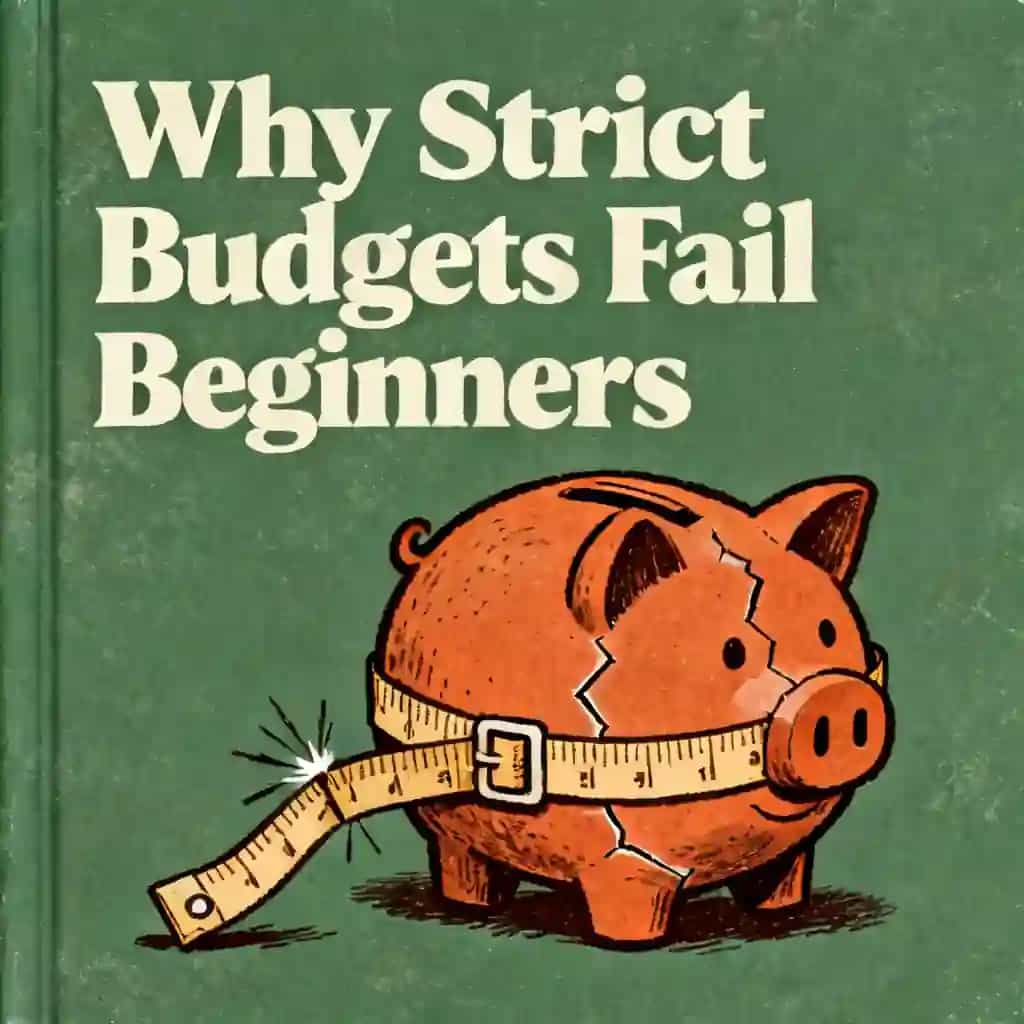
Chapitre 1
Beyond Budgeting: The Financial Freedom Blueprint
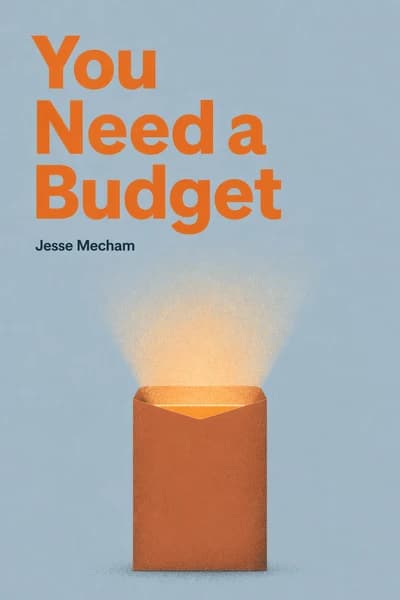
Have you ever felt that tightness in your chest when checking your bank account? That moment of panic when an unexpected bill arrives? You're not alone. Money stress affects nearly everyone, regardless of income level. But what if the solution isn't about having more money, but using what you have more intentionally? This is the revolutionary premise behind Jesse Mecham's "You Need A Budget" philosophy, which has transformed hundreds of thousands of financial lives worldwide. What began as a desperate Excel spreadsheet created by a broke 22-year-old newlywed has evolved into one of the most respected financial systems available today. Celebrities like Dave Ramsey have praised its practical approach, while its community of devoted followers rivals any tech startup's fanbase. Unlike typical financial advice that focuses on restriction, YNAB's approach centers on aligning your money with what truly matters to you.
Chapitre 2
Rethinking Money: It's Not About Restriction, It's About Intention
The traditional view of budgeting conjures images of deprivation and penny-pinching-a financial straitjacket that restricts your freedom. This misconception keeps many people from ever starting a budget. But Jesse Mecham turns this idea on its head: budgeting isn't about what you can't do with your money-it's about what you want to do with it.
The fundamental problem with most budgeting approaches is that they're actually forecasting-making educated guesses about future income and expenses. When reality inevitably differs from these projections, people feel they've failed and abandon their budgets altogether. True budgeting, by contrast, deals only with money you actually have right now. This creates a powerful shift in perspective, forcing you to recognize money as a finite resource and making you clarify your true priorities.
Consider Phil and Alexis, who dreamed of Alexis quitting her corporate job to freelance as a designer. Instead of vaguely hoping this would someday happen, they created a concrete plan using YNAB's principles. They saved $20,000 as a cushion and budgeted it meticulously, allowing Alexis to build her client base while stretching their fund. By examining their priorities and making intentional adjustments, they transformed their "someday dream" into reality.
This approach eliminates the guilt that often accompanies spending. When you buy a latte or new shoes, you're not wondering if you can afford it-you know you can because you've already decided this purchase aligns with your priorities. The question shifts from "Can I afford this?" to "Does this purchase move me closer to what matters most?" This simple but profound shift transforms your relationship with money from one of anxiety to one of confidence and purpose.
Chapitre 3
Rule One: Give Every Dollar a Job
The first rule of YNAB's system is deceptively simple: assign every dollar you own to a specific job. This transforms you from a passive money manager reacting to bills as they arrive into an active director with a clear plan. Your budget becomes a to-do list for your money that answers the essential question: "What do I want my money to do for me?"
Start by listing your survival needs-the basic expenses required to keep your life running: food, shelter, utilities, loan payments, and necessary work expenses. These must be your top priority. After covering obligations, you can focus on your other priorities, which is where budgeting becomes exciting-you're mapping out the life you want to live with intention.
When examining what you consider "obligations," challenge your assumptions. Many expenses we think of as fixed are actually negotiable. Distinguish between true obligations (like debt payments) and habits disguised as necessities. Your cable package, expensive phone plan, or even your housing situation might be more flexible than you realize. Jesse and Julie "traded down" from a larger home to a smaller one that offered less space but more privacy and better views-a decision that better aligned with their true priorities.
Your obligations extend beyond monthly bills to include predictable but irregular expenses. Car insurance might come due quarterly, but it's still a monthly obligation in reality-you just need to set aside money each month to prepare for it. This preparation means unexpected costs like a $300 urgent care visit won't derail your other priorities.
Once essentials are covered, focus on what truly matters to you. Even if you don't have extra funds yet, write down your quality-of-life goals so you're ready when money becomes available. Listen to your emotions about spending-they often reveal your true priorities. For Lia and Adam, paying off $10,000 in wedding debt became their top priority because the balance caused physical stress. When choosing between competing priorities, imagine your future self having completed each option and notice which feels better.
With consumer debt, the simplest advice is: get rid of it. Debt payments steal from your ability to fund current priorities, often representing forgettable purchases that didn't matter much. The more aggressively you eliminate balances, the sooner you can fully direct your money toward what matters now.
Chapitre 4
Rule Two: Embrace Your True Expenses
Rule Two transforms your financial situation by teaching you to "think long, and act now." Large, irregular expenses like car insurance, property taxes, or holiday shopping often blindside budgeters who haven't prepared for them. By breaking these expenses into monthly contributions, you ensure you're ready when those bills eventually arrive.
Your true expenses fall into two categories: predictable ones like car insurance that you know will come due, and unpredictable but inevitable ones like car repairs or medical bills. Looking at past credit card statements can help identify these patterns. When you embrace your true expenses, money stress disappears in direct proportion to what you set aside.
Matthew Ricci, a 29-year-old New Yorker, demonstrated Rule Two's power to his skeptical fiancee Allie when they created a shared budget. By setting aside $1,000 over six months for a destination wedding, they accumulated the full amount painlessly. Seeing this money materialize when needed created a "click" moment for Allie, showing her the value of planning ahead.
Rule Two provides a concrete strategy for achieving big goals by breaking them into manageable chunks. Ten thousand dollars in credit card debt feels paralyzing, but breaking it into a few hundred dollars monthly makes it achievable through small lifestyle adjustments. Start with expenses that typically knock you out when they arrive, and remember that your emotional reaction is often a good indicator of what to tackle first.
When Rule Two takes over your thinking, your spending behavior fundamentally changes. The question shifts from "Can I afford this?" to "Does this move me closer to my goals?" You begin seeing concrete trade-offs rather than vague ones: "If I buy these shoes now, it will take me an extra month to hit my vacation goal." This clarity helps you make better decisions without feeling deprived.
Once you fully embrace Rule Two, traditional emergency funds become obsolete. The money you set aside for your true expenses functions as your emergency fund, but in a more targeted, proactive way that better prepares you than a vague lump sum. When you implement Rule Two, fewer things feel like "emergencies" because you've already planned for them financially.
Chapitre 5
Rule Three: Roll with the Punches
Just as you can't perfectly plan your day down to the hour, you can't create a budget that perfectly anticipates every expense. Your budget should be treated as a flexible plan that adapts to real life, not a rigid structure that breaks under pressure.
Many people feel that changing their budget means they've failed, because financial success advice often emphasizes rigid self-discipline. But true accountability means dealing with the reality of every decision you make. You're actually never more accountable than when you change your budget. If you've overspent on eating out and need to take money from your vacation fund, that's not failure-it's acknowledging the reprioritization and living with the consequences of your choices.
While Rule Three gives you freedom to adjust your budget, be aware of patterns you're setting. If you're constantly adjusting for overspending in one area, you're probably not being honest with yourself when budgeting that number initially. Jesse shares how he and Julie overspent on groceries nearly every month for a decade before finally realizing Julie was done being a "price-slaying grocery diva." She valued peaceful shopping experiences with kids over penny-pinching. Once they honestly increased their grocery budget to match reality, the tension disappeared.
Rolling with the punches isn't just about adjusting when you overspend-sometimes life blindsides you with major unexpected expenses. When the Dale family's daughter Aspen was diagnosed with type 1 diabetes, they faced $40,000 in hospital bills plus ongoing medical expenses. Thanks to years following YNAB's rules, they had reserves to tap for immediate expenses and were living on last month's income, allowing them to focus on their daughter rather than money stress. Their budget now includes $7,000 annually for medical expenses. Though some financial goals were delayed, their budget still reflected their core values of taking care of family.
Rule Three is essentially Rule One applied continuously throughout the month. You're constantly asking "What do I want my money to do for me?" and adjusting accordingly. Like a boxer who must keep moving to avoid getting knocked down, budgeting requires constant strategizing and adaptation. Remember: changing your budget is not failing; it's reflecting real life, which rarely goes exactly as planned.
Chapitre 6
Rule Four: Age Your Money
Rule Four helps end financial stress by creating a buffer between when you earn money and when you spend it. The older your money gets, the further away your money stress will be, eventually disappearing from sight completely.
Money aging works like cereal dispensers or grain silos-new money comes in at the top while you spend from the bottom. The longer money sits in your "tower" before being used, the more security you have. If you're spending money that just arrived, you're living on the edge. But if you're spending money that's been sitting for days or weeks, you've built a crucial buffer against unexpected events.
Money's "age" measures the gap between when you earned it and when you spend it. While 30-60 days old is a good target, any improvement is progress. If you're in debt, your money age is negative-you're spending before earning. The goal is to reverse this cycle by spending less than you earn, first to eliminate debt, then to build a buffer that breaks the paycheck-to-paycheck cycle.
Living paycheck to paycheck creates constant stress regardless of income level. With Rule Four, instead of having bills waiting for money, you have money waiting for bills. This shift brings tremendous relief-you can automate payments without worry, make better decisions with the gift of time, and weather income fluctuations.
Alex Hatzenbuhler's story demonstrates how budgeting awareness transforms finances. Despite being financially responsible, Alex didn't track his spending until discovering YNAB. After implementing the Four Rules, he increased his savings rate from 15% to an astonishing 70% of his take-home pay-not by extreme frugality, but simply by becoming conscious of his spending. His restaurant spending alone dropped from $450 to $141.88 monthly just by being aware and making small adjustments.
Aging your money isn't exclusive to the wealthy-anyone can break the paycheck-to-paycheck cycle regardless of their financial situation. One practical approach is saving specifically for a buffer: if you typically spend $4,000 monthly, gradually save that amount until you can use it at the beginning of a new month instead of your upcoming paycheck. This immediately ages your money by thirty days.
For faster results, try a financial "sprint"-a temporary period of extreme measures to accumulate cash quickly. Effective sprint strategies include: getting a second job, freelancing based on your skills, selling unused possessions, drastically reducing all non-essential spending, and renting out assets like vehicles or living space.
Chapitre 7
Budgeting as a Couple: Creating Financial Harmony
Discussing money with your partner often feels like navigating a minefield rather than celebrating a relationship milestone. Despite the discomfort, financial conversations are inevitable in long-term relationships-not as one-time discussions but ongoing dialogues about habits, values, and goals.
A shared budget transforms these potentially tense conversations by providing a neutral framework that shifts focus from personal criticism to collaborative planning. Rather than arguing about individual spending habits, couples can address how everything fits within their agreed budget, making money visible and less vulnerable to misunderstanding.
When budgeting together, you need to understand three fundamental things about each other: your day-to-day money behaviors (like saving habits and spending patterns), your big-picture views on money (like how much emergency savings feels comfortable), and what financial baggage you're each bringing to the relationship (whether debt or assets).
Your first budget date should mirror your first romantic date-focusing on getting to know each other, not crunching numbers. Start with "Rule Zero"-determining what's most important to you individually and as a couple. These conversations reveal three sets of priorities: yours, mine, and ours, which will form the foundation of your budget.
Clear communication about individual and shared priorities prevents budget stress. While many expenses benefit both partners, try limiting priorities to about one personal priority each and two shared ones to maintain focus. Todd and Jessica exemplify this balance-Todd's running expenses and Jessica's business development costs remain individual priorities despite benefiting the family, while bathroom renovations and family trips are their shared goals.
While priorities may be divided into yours, mine, and ours, YNAB recommends keeping all money in one joint account for simplicity. Fewer accounts mean less management complexity and decision fatigue. Joint accounts also eliminate concerns about who earned what money, reinforcing the partnership aspect of marriage where you're funding a shared life together.
Monthly budget sessions should be warm, safe spaces for open communication-more date than meeting. Make them enjoyable with cocoa or dessert at a cafe. These formal check-ins work best when budgeting already colors your daily conversations, like when you skip takeout to save for a trip or strategize grocery shopping together.
Contrary to the misconception that budgeting means restriction, every couple should have "no-questions-asked" personal fun money. Even when Jesse and Julie started with just $5 each, having this freedom made budgeting more tolerable. The psychological value of having complete autonomy over even a small amount creates breathing room within your structured financial plan.
Chapitre 8
Breaking Free From Debt: A Strategic Approach
While YNAB generally doesn't dictate spending choices, debt is the exception where Jesse takes a strong stance: get rid of it. The problem isn't just interest payments-it's how debt restricts cash flow and claims dollars before they can work toward your current priorities. Debt payments force money toward past decisions rather than present needs and future goals.
Debt should become a non-option in your financial mindset. When you firmly reject debt as a solution, you'll push yourself to find creative alternatives to financial challenges. This was the exact thinking that inspired Jesse to create and sell YNAB as a spreadsheet when he and Julie needed money for their growing family.
While debt elimination is crucial, don't rush into aggressive payoff strategies before budgeting for your true expenses. Many Rule Two expenses are top priorities even when they're not monthly. Build a cushion for these inevitables first, then determine what you can truly afford for debt payments. Remember: Rule Two gets you ahead by assigning money now for future spending, while debt pulls you behind by spending money you won't have until later.
Mitchel Burton graduated with $104,000 in student loans and initially tried throwing half his income at the debt while living on a razor-thin margin. The stress became unbearable until he discovered YNAB's Rule Four. By temporarily pausing aggressive debt payments to build a 30-day buffer, he eliminated the daily financial stress. With this mental clarity, he realized increasing income was his best strategy. Over time, he doubled his salary while maintaining his frugal lifestyle, paying off his loans three years ahead of schedule.
Significant debt reduction requires significant lifestyle changes. The more debt you eliminate, the more motivated you become. Though the equation is simple-consistent hard work equals results-the effort is substantial. Don't dismiss success stories because your situation differs; focus instead on their commitment to daily, consistent effort that transformed seemingly impossible goals into reality.
Holly MacKenzie faced financial challenges after breaking off her engagement in 2014. Working as a civil engineer, her salary alone couldn't cover her bills. Desperate to afford her mortgage, Holly tried budgeting despite initial skepticism. With fierce work ethic, she tackled her $10,000 credit card debt by increasing efforts in her side hustle while implementing Rules One and Two. Within five months, her credit card debt vanished. She then eliminated her $8,000 student loans less than a year after starting YNAB, leaving only her car loan which she's paying off in half the scheduled time.
Chapitre 9
When You Feel Like Quitting: Overcoming Budget Burnout
Jesse opens with a personal story about nearly quitting budgeting over a 50-cent doughnut he couldn't afford as a struggling student. When money was extremely tight, the inability to make even small spontaneous purchases felt suffocating. After his wife Julie admitted similar frustrations, they added $5 of "fun money" to their budget-a small change that provided crucial breathing room.
Perfectionism is the core problem behind most budgeting failures. People mistakenly view budgeting as binary-success or failure-when any budgeting effort represents success. Self-sabotaging behaviors include not leaving breathing room, setting unrealistic spending targets without historical data, expecting rapid change instead of gradual progress, demanding too much of yourself (obsessively checking the budget multiple times daily), and the "OCD factor" of tracking every penny or being overly granular with categories.
Beyond perfectionism, people quit budgeting because they lose sight of its purpose. Budgeting exists to create the life you want, not delay happiness. When you're happy with your financial progress, motivation follows naturally. If you're unhappy with your budget, revisit the fundamental question: "What do I want my money to do for me?"
Jesse strongly advocates for budget do-overs when things feel stale or ineffective. He's so committed to this idea that he built a Fresh Start feature into the YNAB software. Restarting isn't quitting-it's victory. Like New Year's reflection, it's an opportunity to realign your money with your purpose.
Phil and Alexis, whose freelance journey we encountered earlier, discovered their path went both exactly and nothing like planned. While Alexis found plenty of work opportunities, they struggled with balancing income variability against spending and began to resent their budget. Rather than abandoning it, they decided to start over by ruthlessly examining every expense. They reduced their gas bill by $53 through thermostat adjustments, slashed cell phone costs from $145 to $46 monthly by switching providers, canceled Jack's $150 karate lessons he'd lost interest in, and accepted that their $600 grocery budget reflected their healthy eating priorities. These adjustments freed up $251 monthly, giving them momentum and motivation.
Everyone wants to quit budgeting sometimes-that's normal. When it happens, consider ways to make things easier. If needed, try a budget reset by erasing everything and starting fresh with the fundamental question: What do I want my money to do for me?
Chapitre 10
Financial Freedom: The Ultimate Reward
Budgeting isn't restrictive-it's liberating. With YNAB's Four Rules, you gain complete control over your finances and can design your life around your priorities. Nothing feels better than achieving your goals, however long they take. Whether it's saving for a dream vacation, building an emergency fund, or finally paying off student loans, the systematic approach of budgeting makes these aspirations achievable rather than overwhelming.
The transformation begins when you stop focusing on what you can't do with your money and start focusing on what you want it to do for you. This shift in perspective-from restriction to intention-changes everything. You're no longer asking "Can I afford this?" but rather "Does this align with my priorities?" For instance, instead of feeling guilty about not buying the latest smartphone, you might feel empowered knowing you're channeling those funds toward starting your own business or building a down payment for a house.
When you give every dollar a job, embrace your true expenses, roll with the punches, and age your money, you create a system that supports your dreams rather than constraining them. You'll find yourself paying bills immediately because the money is already allocated, shopping without guilt, and saving purposefully. Imagine confidently booking a vacation months in advance because you've been systematically saving for it, or handling an unexpected car repair without stress because you've built up your maintenance fund. This is true financial freedom-not necessarily having endless wealth, but having a plan that ensures your money does exactly what you want it to do.
The journey to financial freedom often reveals surprising benefits beyond the monetary. Many YNAB users report sleeping better at night, having more honest conversations about money with their partners, and feeling more confident in their career decisions. They find themselves making conscious choices about spending, like choosing to cook at home not because they have to, but because they're excited about their savings goals.
Be patient, remember that significant goals require time, and know that small changes make big differences. When discouraged, imagine where you want to be months from now. A $5 daily coffee habit redirected to savings can accumulate to over $1,800 in a year. Regular budget reviews might reveal hundreds in unnecessary subscriptions that could be funding your emergency fund instead. Keep budgeting, even imperfectly, and you'll be amazed at what you accomplish. You can start right now-what do you have to lose except debt and stress? The path to financial freedom starts with your next decision about money, no matter how small it might seem.