Chapitre 1
The Hormone Revolution: Breaking the Female Weight Loss Code
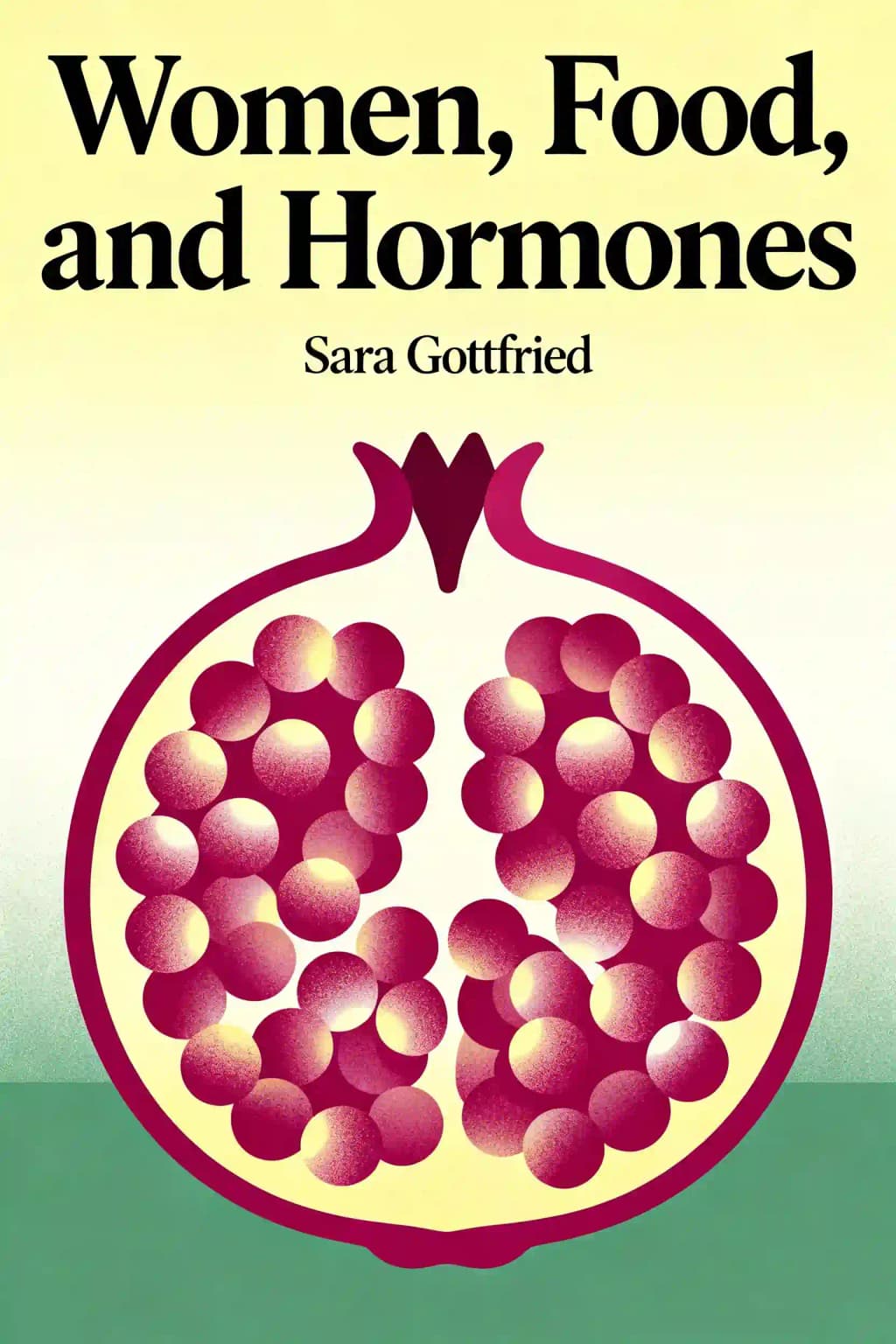
In a world where diets seem designed for men, Dr. Sara Gottfried's "Women, Food, and Hormones" has become a beacon for women struggling with weight loss despite their best efforts. The book has garnered attention from celebrities like Gwyneth Paltrow and Oprah Winfrey, who have praised its female-focused approach. As obesity rates continue climbing and women face unique hormonal challenges, Gottfried's precision medicine approach addresses what conventional healthcare often misses: women's bodies operate fundamentally differently than men's, especially after age thirty-five. What if the solution to stubborn weight isn't about willpower but about speaking your hormones' language? This groundbreaking work, backed by Gottfried's Harvard medical training and her personal journey through hormonal imbalance, offers a revolutionary protocol that has transformed thousands of women's relationship with food, weight, and their bodies.
Chapitre 2
The Female Hormonal Orchestra: Understanding Your Body's Language
Few things are as misunderstood as the complex relationship between women, food, and hormones. The conventional wisdom of "eat less, exercise more" fails countless women who find themselves exhausted, irritable, and battling stubborn weight gain despite their best efforts. The solution isn't counting calories or endless cardio-it's learning to communicate with your hormonal system.
Think of your hormones as an orchestra that requires perfect synchronization. When one instrument plays off-key (like insulin, cortisol, or estrogen), the entire symphony suffers. This hormonal harmony becomes increasingly difficult to maintain after age thirty-five when metabolism naturally slows. The problem is compounded because most diet plans are designed by men, for men, completely ignoring women's unique hormonal complexity.
What should you eat? The answer isn't found in processed foods that contribute to America's chronic disease epidemic. Instead, eat for your hormones. Healthy fats are critical for hormone balance-they make you feel satisfied while preventing blood sugar spikes that trigger fat storage. You need moderate protein-not so much that it converts to sugar, not so little that your muscles break down. The Gottfried Protocol switches metabolism from stuck to flexible, improving health span and immunity.
Surprisingly, this approach wasn't taught at Harvard Medical School, where nutrition was tolerated but never championed. Dr. Gottfried had to discover it herself, using her own hormone struggles as a case study. When battling depression, PMS, and belly fat in her thirties, she discovered her hormones were imbalanced-testosterone, growth hormone, estrogen, and progesterone were too low, while insulin and cortisol were too high. Her mostly vegan diet lacked the healthy fats needed to synthesize hormones. Through precision medicine-using wearables, nutrient tracking, genetic testing, and home testing-she developed this four-week program to help women reclaim their health by honoring their unique female biology.
Chapitre 3
The Keto Paradox: Why Traditional Diets Fail Women
The ketogenic diet has been clinically used for over a century, first as a treatment for epilepsy in children before becoming popular for weight loss. When carbohydrates are drastically reduced, the body burns fat instead of sugar by triggering the liver to release ketones. This metabolic state offers benefits including mental focus, better memory, reduced inflammation, and weight loss. However, while keto has been extensively studied in men with positive results, women often experience dramatically different outcomes on the same diet.
Research shows men lose twice as much weight and three times as much fat mass on diets, particularly losing dangerous visceral fat while women lose less harmful subcutaneous fat. Men are 40% more likely to maintain significant weight loss over a year despite being less concerned about their weight. This disparity isn't about willpower-it's biology.
Traditional keto diets often fail women due to their unique hormonal responses. Women's bodies resist the switch to fat-burning longer than men's, and they respond more inflammatorily to certain fats. Women also store fat more efficiently, with their distribution pattern-apple (waist), pear (hips/thighs), or celery (minimal fat)-predicting metabolic behavior and health risks.
Consider Jen's experience: while her fiance quickly lost 12 pounds on keto, she gained weight. Testing revealed several issues: high cortisol from stress (exacerbated by restricting healthy carbs that help stabilize adrenal function), prediabetes despite low-carb eating (as certain fats can trigger high blood sugar in women), borderline low thyroid and hormone levels (as carbohydrates support thyroid and estrogen function), and chronic inflammation.
Women's struggles with keto stem from fundamental hormonal differences. Women face greater societal pressure regarding weight, with waist circumference even negatively affecting women's wages while men's earnings show no correlation to obesity measures. Women also have four times greater risk of food addiction and emotional eating, creating additional challenges for dietary compliance.
The Gottfried Protocol addresses these challenges with a female-specific approach that activates fat-burning hormones while reversing inflammation. Key features include detoxifying before and during keto, making dietary adjustments based on body type, incorporating specific carbohydrates that feed beneficial gut microbes, implementing intermittent fasting to maintain mild ketosis with higher carb intake, and timing meals strategically. This approach helped Jen lose 12 pounds in four weeks, reversing her prediabetes and brain fog-proving that with the right female-centric approach, women can succeed with keto.
Chapitre 4
Growth Hormone: The Secret Key to Female Fat Loss
At forty-four, Nicole sought help for middle-age spread, flabby muscles resistant to gym time, new belly and back fat, decreased assertiveness, night sweats, bone loss, and nearly nonexistent sex drive. Testing revealed low testosterone and DHEA during perimenopause. Though typically considered the male hormone, testosterone is actually the most abundant biologically active hormone in women, with receptors throughout the female body from brain to breasts to vagina. Women's testosterone levels peak in their twenties then gradually decline, explaining why young women typically have more energy, sex drive, confidence, and muscle strength while maintaining normal weight more easily.
But another crucial hormone for female fat loss is growth hormone. While there's no magic pill to boost growth hormone and melt away pounds, we can manipulate several factors that determine growth hormone levels: age, sex, diet, nutrition, food timing, sleep, and exercise.
Growth hormone depletion comes from lack of sleep, insufficient exercise, chronic stress, and constant carbohydrate consumption. When functioning properly, growth hormone works with cortisol and adrenaline to burn fat and build muscle, acting as part of the hormonal switch between burning glucose and burning fat. This switch can get stuck in "store fat" mode when the body perceives stress from deadlines, calorie restriction, overexercise, poor sleep, or toxins.
Women's growth hormone production differs from men's. Pre-menopausal women typically have higher levels, producing it in more continuous pulses rather than the longer intervals between pulses that men experience. Women produce growth hormone primarily during sleep. After age fifty, women's IGF-1 levels fall below men's, possibly because women suffer from insomnia at twice the rate. Women also respond differently to exercise, producing higher growth hormone levels from anaerobic exercise, with peak production occurring twice as quickly (20 minutes post-exercise versus 40 minutes for men).
To correct whispering growth hormone and muscle loss, Dr. Gottfried prescribes several strategies: eating healthy protein (particularly methionine-rich foods like grass-fed beef, SMASH fish, and whey protein) to raise IGF-1; consuming healthy fats like omega-3s which can raise growth hormone and reduce inflammation; implementing intermittent fasting (14/10 protocol) which can boost growth hormone up to 1,300% in women; engaging in high-intensity exercise (especially HIIT training); taking regular saunas which can raise growth hormone up to 140%; avoiding alcohol which lowers growth hormone; and considering supplements like vitamin D and creatine.
Dr. Gottfried shares her personal experiment raising IGF-1 from 219 to 334 ng/mL (a 53% increase) in six weeks using the Sprint 8 high-intensity interval training method. Her protocol involved just 20 minutes, four days weekly: warm up with moderate jogging for 3-5 minutes, sprint all-out for 30 seconds, recover for 75-90 seconds, and repeat for eight total cycles before cooling down.
Chapitre 5
Testosterone: The Overlooked Female Hormone
While low testosterone is well-recognized in men, its implications in women remain debated despite significant impacts. Many doctors overlook T deficiency when female patients complain of low energy, diminished sex drive, weight gain, or inability to lose weight. Symptoms can begin as early as mid-thirties, yet physicians often fail to test for it due to limited research awareness and no FDA-approved treatments for women.
Women naturally produce less testosterone with age, with a dramatic 50% reduction between ages twenty and forty. While natural menopause has less effect on T levels than expected (the drop typically precedes menopause by years), surgical menopause causes T to plummet. Birth control pills can lower free T by raising sex hormone binding globulin (SHBG). Lifestyle factors, especially diet, significantly contribute to unnaturally low T levels.
Testosterone creates a weight-loss edge by helping build muscle mass and increasing metabolic rate. It's the main hormone fueling sex drive in both sexes and is positively linked with orgasm ability. "Free" testosterone (biologically available to bind to receptors) matters more than total T. Beyond physical benefits, T may improve mood and cognition, while DHEA (T's precursor) can reduce effects of severe stress. Healthy T levels help regulate thyroid hormone conversion, increasing energy.
Balance is crucial with testosterone. Excess T in women can cause infertility, irregular periods, and cardiovascular disease. In conditions like polycystic ovary syndrome (PCOS), where T levels are abnormally high, up to 75% of women are overweight and struggle with weight loss due to high insulin levels triggering fat storage and carbohydrate cravings.
Improving diet is the most important step to balance T levels. Foods associated with lower T include bread (refined and whole grain), pastries, sugar-sweetened beverages, coffee, diet beverages, dairy products, desserts, and restaurant food. Foods and behaviors associated with higher T include homemade food, dark-green vegetables, sufficient but not excess protein (0.75-1.0g per pound of lean body mass), exercise, certain herbs (fenugreek, tribulus, ginkgo biloba), and detoxification to remove endocrine disruptors like BPA.
Chapitre 6
The Gottfried Protocol: A Female-Specific Metabolic Reset
The Gottfried Protocol begins with a strategic approach to resetting hormones and amplifying fat loss through dietary changes. This four-week program features three stages: detoxification to support the body as fat is burned, scaled carbohydrate recommendations starting with strict limitations to trigger fat-burning hormones, and gradually increasing slow-burn carbohydrates to avoid issues associated with extreme keto diets.
Food's emotional and psychological hold stems from powerful "habit memories" that transform conscious decisions into subconscious behaviors. Research shows these memories function similarly to addictive patterns, making dietary changes particularly challenging-especially for women. However, these habit memories can be extinguished through conscious rewriting. As taste buds regenerate every two weeks, new memories form around healthy foods that support hormonal balance, allowing for sustainable change despite the powerful pull of comfort foods tied to emotional experiences.
Creating a personal value statement is a powerful strategy for changing food habits. This simple document expressing your specific weight loss goals and how they connect to your deeper values becomes a touchstone throughout the protocol. By articulating why weight loss matters-whether it's modeling healthy attitudes for children, appearing confidently in family photos, or combating genetic risks for diseases like diabetes-you create a meaningful framework that guides behavior during challenging moments.
Food isn't just flavor and memories to your hormones-it's information. What you might see as a delicious pasta dish, your hormones interpret as a "Store-More-Fat" signal. Different foods trigger different hormonal messages-some tell your body to store fat, while others signal it to burn reserves. By making strategic food choices, you can transform this conversation from one that promotes fat storage to one that encourages your hormones to thrive and support weight loss.
The Gottfried Protocol requires understanding three fundamental steps. First, recognize how your hormones interpret food as information-particularly how they decide whether to burn carbohydrates or store them as fat. Second, become your own scientific experiment by tracking objective measurements like waist circumference, weight, and waist-to-hip ratio rather than relying on subjective feelings. Third, understand your macronutrients: aim for 25g net carbs daily (total carbs minus fiber), 50-75g protein (which can convert to sugar if consumed excessively), and 60-90g healthy fats (essential for hormone production).
The protocol emphasizes healthy fats as the foundation of the diet, with 60-70% of calories coming from fat sources. Since many hormones are derived from cholesterol, consuming adequate fat supports hormonal communication and balance. Recommended fat sources include avocados, dark chocolate (90%+ cocoa), limited coconut oil (1 tbsp/day), extra-virgin olive oil (up to 5 tbsp/day), and moderate portions of nuts and seeds. MCT oil is recommended at 1-1.5 tablespoons daily to support weight loss by increasing satiety for up to 48 hours.
Chapitre 7
Detoxification: The Missing Link in Female Weight Loss
Dr. Gottfried emphasizes that detoxification and weight loss are inseparable, particularly for women. Fat tissue stores toxins like BPA and other obesogens that disrupt hormones, and these toxins are released into the bloodstream during fat burning. The body handles detoxification in three phases, with the protocol focusing on phase three-elimination of toxins.
The body's three-phase detoxification process includes: phase one, where liver enzymes break down harmful substances; phase two, which makes these compounds water-soluble; and phase three, which eliminates them through urine, feces, or sweat. The protocol focuses particularly on phase three to efficiently eliminate toxins released from fat during weight loss.
To support detoxification, Dr. Gottfried recommends consuming clean protein (essential for phase two detox), fiber-rich foods that bind toxins, sulfur-rich foods like cruciferous vegetables that support detox pathways, anti-inflammatory healthy fats, and at least 60 ounces of filtered water daily with added electrolytes.
For proper elimination, Dr. Gottfried recommends complete bowel evacuation once or twice daily, drinking filtered water (at least half your body weight in ounces), eating high-fiber vegetables and 25g of lettuce daily, adding ground flaxseed to meals, including 1-2 tablespoons of MCT oil with each meal, and considering magnesium supplements (aiming for 800mg daily, though starting at 200-300mg).
Sweating is crucial for toxin excretion. Dr. Gottfried recommends exercising to the point of perspiration (preferably two-thirds weight lifting, one-third cardio), taking hot Epsom salt baths (4 cups Epsom salts, 1-2 cups baking soda, and essential oils in hot water for 20+ minutes), and using saunas. For liver support, she suggests supplements like N-acetyl cysteine (600mg twice daily), milk thistle (140mg three times daily for 45 days), and turmeric extract (500mg daily).
Quality sleep (7-8.5 hours nightly with 90-120 minutes of deep sleep) is essential for detoxification, growth hormone and testosterone production. Dr. Gottfried recommends developing a bedtime ritual without screens for the last hour and avoiding eating at least three hours before bed.
After two failed keto attempts, Dr. Gottfried succeeded by adding circadian-based intermittent fasting, focusing on detoxification, and honoring female hormones. This approach leverages natural hormone release patterns by eating several hours after sunrise and stopping hours before sunset. Studies show this 16:8 fasting pattern helps obese adults lose body mass, increases ketone production, optimizes insulin and growth hormone levels, increases energy, improves mental acuity, lowers blood sugar, triggers autophagy, repairs DNA, and regulates mTOR for healthier lifespan.
Chapitre 8
Circadian Fasting: The Female Fasting Advantage
Research shows circadian-based intermittent fasting reverses weight gain, restores normal gene expression (especially in postmenopausal obesity), improves blood sugar, lowers cardiometabolic risk, reduces cancer risk, slows aging, converts white fat to metabolically favorable brown fat, reshapes gut microbiota toward obesity-protective bacteria, improves metabolic consequences of disrupted circadian rhythms, and protects the brain against neurodegenerative diseases while improving mood and memory-all without requiring calorie restriction.
Dr. Gottfried recommends easing into intermittent fasting to avoid stressing the body. Start with 12-14 hour overnight fasts on non-consecutive days with gentle exercise only. Eat carbs in the morning when insulin sensitivity is highest, and keep dinners low-carb. Fast at least 3 hours before bedtime. Consume only non-caloric drinks (water, black coffee, green tea) during fasting periods.
Break fasts with nutrient-dense foods like keto Avo Toast or vegetable-packed smoothies. Gradually work up to a 16:8 schedule (16-hour fast, 8-hour eating window), adjusting the timing to fit your lifestyle. Time probiotics to boost anti-obesogenic bacteria, and continue intermittent fasting beyond the 4-week protocol if you have more than 15 pounds to lose.
The daily checklist for the Gottfried Protocol includes: having a bowel movement, recording weight, testing blood ketones and glucose to determine GKI (Glucose Ketone Index), practicing circadian-based intermittent fasting, sweating through exercise and Epsom salt baths or sauna (5 days weekly), staying hydrated with no-sugar electrolytes to support kidney function and prevent "keto flu," and maintaining detoxification through vegetable consumption, toxin avoidance, and supporting liver function.
When weight loss stalls, Dr. Gottfried recommends: resistance training (especially fasted morning workouts); using a food scale for portion control; taking L-carnitine for mitochondrial support; trying cryotherapy (cold exposure); reducing net carbs below 20g daily; temporarily restricting calories; extending fasting windows to 18:6 or 20:4; adding insulin sensitizers; and considering prescription growth-hormone-boosting peptides as a last resort.
Chapitre 9
Transition: Finding Your Personal Carb Threshold
The Transition phase is critical-it helps define your personal carb limit while maintaining metabolic flexibility. Rather than immediately returning to old eating habits, Dr. Gottfried emphasizes a methodical approach to reintroducing carbohydrates to determine the threshold at which you can maintain weight loss and hormonal balance.
Starting from the protocol's 20-25 net carbs daily baseline, increase by 5 grams every three days while tracking weight, blood sugar and ketones. When weight increases and you fall out of ketosis (blood ketones below 0.5 mmol/L), you've reached your personal carb limit. Begin by adding starchier vegetables, low-sugar fruits like berries, and legumes, while being cautious with potatoes, grains and dairy.
Your limit is influenced by factors including current weight, gender, health, genetics, hormones, age, metabolic flexibility, diet, stress, gut function, activity level, and medications. Warning signs that you've exceeded your personal carb limit include weight increase of 2+ pounds over 72 hours, rising fasting glucose (above 85 mg/dL), declining ketones (below 0.5 mmol/L), fatigue (especially after meals with excess carbs), brain fog, mood swings, and bloating.
During transition, test for food intolerances by measuring whether certain foods block ketone levels. Common culprits include dairy, grains, gluten, eggs, alcohol, artificial sweeteners, legumes, nut flours, rice, and prepackaged foods. Measure ketones and glucose before and after eating suspect foods to identify reactions.
To test for food intolerances, follow this three-step process: First, measure your fasting glucose and ketones at least three hours after your last meal to establish your baseline GKI. Second, eat only the test food in question. Third, measure glucose and ketones again at 60 and 120 minutes later. Avoid foods that cause glucose to rise more than 30 mg/dL from baseline at the 60-minute mark or prevent it from returning to baseline after two hours. Limit foods that cause ketone levels to drop by 0.5-1.0 mmol/L or push your GKI above 10.
The Mediterranean diet offers a transition path from the Gottfried Protocol with more food options while staying below your personal carb limit. It emphasizes plant-based whole foods, moderate fish and dairy, limited red meat, olive oil as the main fat, and low-to-moderate alcohol consumption. For those with low carb tolerance who gain weight on a classic Mediterranean diet, focus on a low-carb Mediterranean approach with more vegetables, nuts, seeds, fish, and seafood while limiting grains and fruit.
Chapitre 10
Life Beyond the Protocol: Sustainable Hormonal Balance
After just over four weeks on the Gottfried Protocol, you've transformed your hormonal symphony by changing the food on your plate. Regardless of your initial symptoms-weight issues, energy problems, infertility, belly fat, prediabetes, hot flashes, mood swings, anxiety, insomnia, or poor stamina-you now understand how foods impact your hormones and body, experiencing the benefits of improved metabolic flexibility.
You now have a clean hormonal slate-you're in hormonal homeostasis with a detoxified liver and the ability to fast for 14-16 hours to induce gentle ketosis. The endocrine system remains malleable regardless of age or previous issues, allowing you to keep your hormones balanced through food choices. This precision medicine approach helps integrate your endocrine system with your gastrointestinal, neurological and immune systems, maintaining whole-body balance for years to come.
Going forward, maintain regular assessment of your weight, measurements, and possibly fat mass. Set clear boundaries in your personal value statement, and commit to another pulse of the Gottfried Protocol if you cross that line. Make your favorite meals part of your regular repertoire, continue monitoring blood sugar and ketones, maintain lean body mass through proper exercise (two-thirds weight lifting to one-third cardio), and cultivate friendships with mindful eaters. These small commitments will aggregate into habits and eventually a sense of integrity and freedom.
Clarify what you truly want for your health and hormones. When you remove ambiguity about your values and act in accordance with them, life becomes simpler and more fulfilling. Long-term success isn't about control but about valuing metabolic hormones, flexibility, and health above all else. The voids we experience can point to our essential values-consider what's missing in your health, body size, emotional life, or sense of security to refine your personal compass for hormonal balance.
Lifestyle choices, starting with food, play a crucial role in hormonal and overall health. Help raise awareness by discussing these evidence-based approaches with healthcare professionals, loved ones, and friends. Share your story of challenge and success to help others who still suffer and desire change.
The Gottfried Protocol provides a food-hormone framework that helps reclaim health and make significant progress over four weeks. It establishes ongoing conversations between food, metabolic hormones, gut health, heart health, brain health, and fat. You now have a comprehensive, personalized dietary regimen and important daily habits that will keep your hormones in homeostasis. Remember that lifestyle medicine is the most effective solution for hormone dysfunction in women. By creating balance between your nervous systems and endocrine glands, and favoring positive thoughts about your body, you restore homeostasis and become stronger at the broken places.