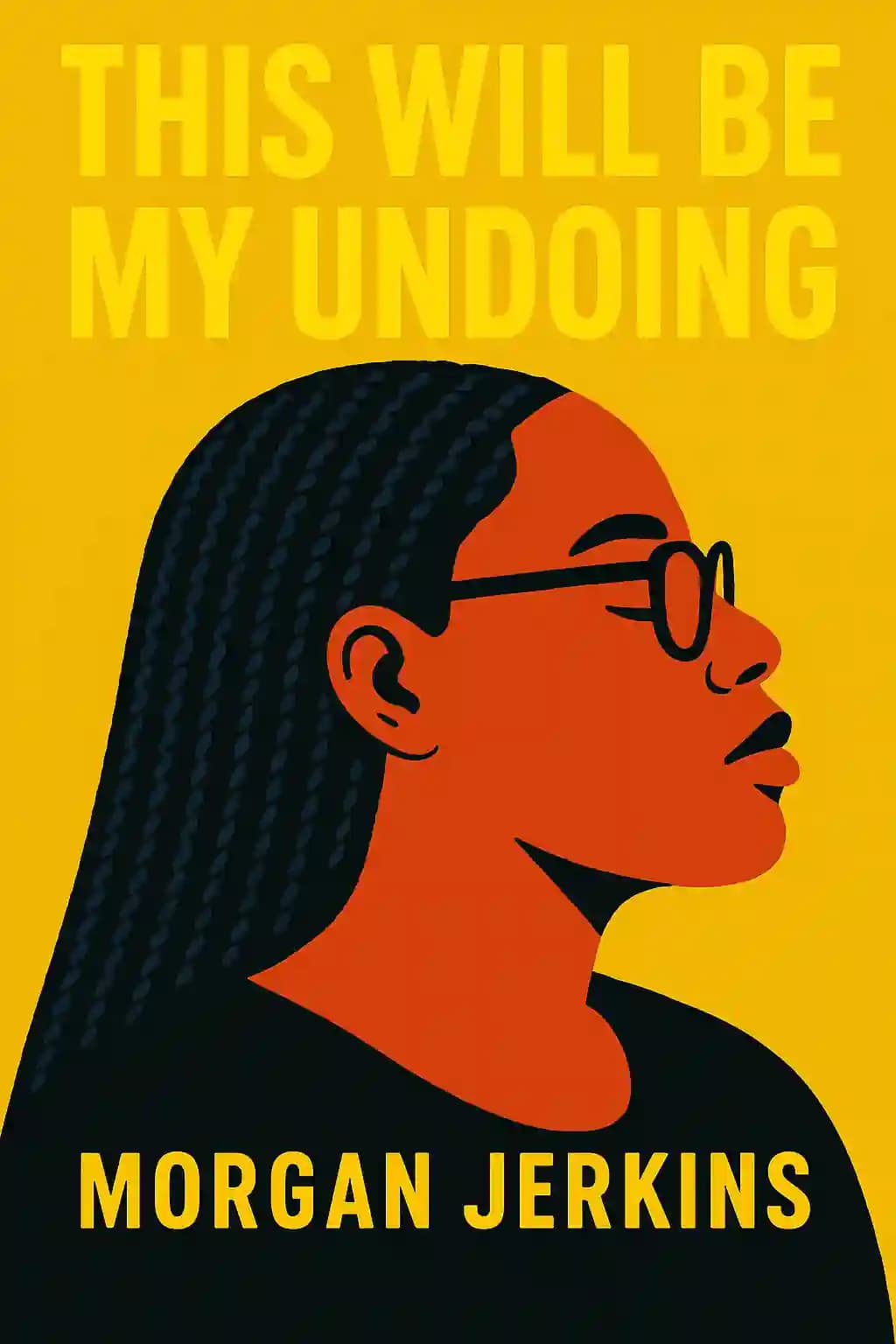
This Will Be My Undoing
Living at the Intersection of Black, Female, and Feminist in America
Aperçu de This Will Be My Undoing
Morgan Jerkins' raw exploration of Black womanhood in America electrified critics, landing on "best of 2018" lists from The New York Times and NPR. What makes this essay collection so necessary? It forces readers - regardless of background - to confront uncomfortable truths about race, gender, and power.

Thèmes clés dans This Will Be My Undoing
- black female identity
- eurocentric beauty standards
- racialized girlhood
- navigating white spaces
- internalized colorism
Citations de This Will Be My Undoing
Black women's hair has always been politicized.
I understood my fundamental problem wasn't lack of skill but lack of humanity.
This isn't just another book about race.
I became obsessed with straightness and length, believing these qualities would help me transcend my Blackness.
Personnages de This Will Be My Undoing
- Morgan JerkinsThe author and protagonist of the memoir
- MiaThe author's cousin who gave her life lessons
- Rachel DolezalA woman discussed as a case study on identity
À propos de l'auteur
À propos de l'auteur de This Will Be My Undoing
Morgan Jerkins, New York Times bestselling author of This Will Be My Undoing: Living at the Intersection of Black, Female, and Feminist in (White) America, is a leading voice on race, gender, and culture. Her debut memoir/essay collection explores intersectionality through personal narratives and cultural criticism, informed by her Princeton comparative literature degree and MFA from Bennington College.
A 2021 Forbes 30 Under 30 honoree, Jerkins has served as senior editor at ESPN’s The Undefeated and contributed to The New Yorker, The Atlantic, and Elle.
Her subsequent works include the Great Migration memoir Wandering in Strange Lands and the Harlem-set novel Caul Baby, which expand her examinations of Black identity and heritage.
Jerkins has taught writing at Columbia University and Leipzig University, blending academic rigor with accessible storytelling. This Will Be My Undoing became a Barnes & Noble Discover Pick and was longlisted for the PEN/Diamonstein-Spielvogel Award for the Art of the Essay.
Telecharger le resume de This Will Be My Undoing
Obtenez le resume de This Will Be My Undoing en PDF ou EPUB gratuit. Imprimez-le ou lisez-le hors ligne a tout moment.
FAQ sur ce livre
This Will Be My Undoing explores Morgan Jerkins' experiences as a Black woman navigating racism, sexism, and feminism in America through autobiographical essays. It addresses themes like identity, societal marginalization, and the intersection of race and gender, blending personal narratives with cultural critique. Key topics include childhood discrimination, Black female sexuality, and critiques of movements like "Black Girl Magic".
This book is essential for readers interested in intersectional feminism, racial justice, or contemporary social criticism. It resonates with Black women seeking validation of their lived experiences and allies aiming to understand systemic oppression. Academics and activists will appreciate its blend of memoir and cultural analysis.
Yes—Jerkins’ raw honesty and incisive commentary make it a vital read for understanding Black womanhood in America. Reviewers praise its unflinching exploration of identity and its relevance to ongoing discussions about race and gender.
Central themes include:
- The dehumanization of Black women in white-dominated spaces.
- The tension between Black femininity and societal expectations.
- Intersectionality as a framework for understanding layered oppression.
- Critiques of performative allyship and feminism.
Jerkins examines how race, gender, and class intersect to shape Black women’s experiences. She critiques mainstream feminism for excluding Black voices and highlights unique challenges, such as navigating dating while Black or reconciling sexuality with cultural stigma.
Some critics note the essays’ emotional intensity may overshadow structural analysis, while others praise its authenticity. A few argue certain topics, like the Rachel Dolezal discussion, could benefit from deeper historical context.
She frames childhood events—like failing to make a cheerleading squad due to racism—as microcosms of systemic exclusion. Her candid reflections on therapy, body image, and relationships illustrate how societal norms impact individual Black women.
Jerkins analyzes figures like Beyoncé and Sailor Moon to dissect cultural representations of Black womanhood. These critiques reveal how media perpetuates stereotypes while offering moments of empowerment.
Its exploration of racial and gender inequity remains urgent amid ongoing debates about systemic racism and feminist solidarity. The essays’ focus on identity and resilience aligns with contemporary social justice movements.
She challenges the movement’s pressure on Black women to project unbroken strength, arguing it erases vulnerability and perpetuates unrealistic expectations. Jerkins advocates for acknowledging multifaceted experiences, including pain and imperfection.
- “I couldn’t make the team because I was not human”—on childhood racial exclusion.
- “Fighting, for [white girls], would have been extravagant—what did they have to prove?”—highlighting disparities in societal expectations.
Unlike academic texts, Jerkins’ memoir-driven approach personalizes systemic issues, akin to Roxane Gay’s Bad Feminist or bell hooks’ essays. Its focus on modern cultural moments distinguishes it from historical analyses.