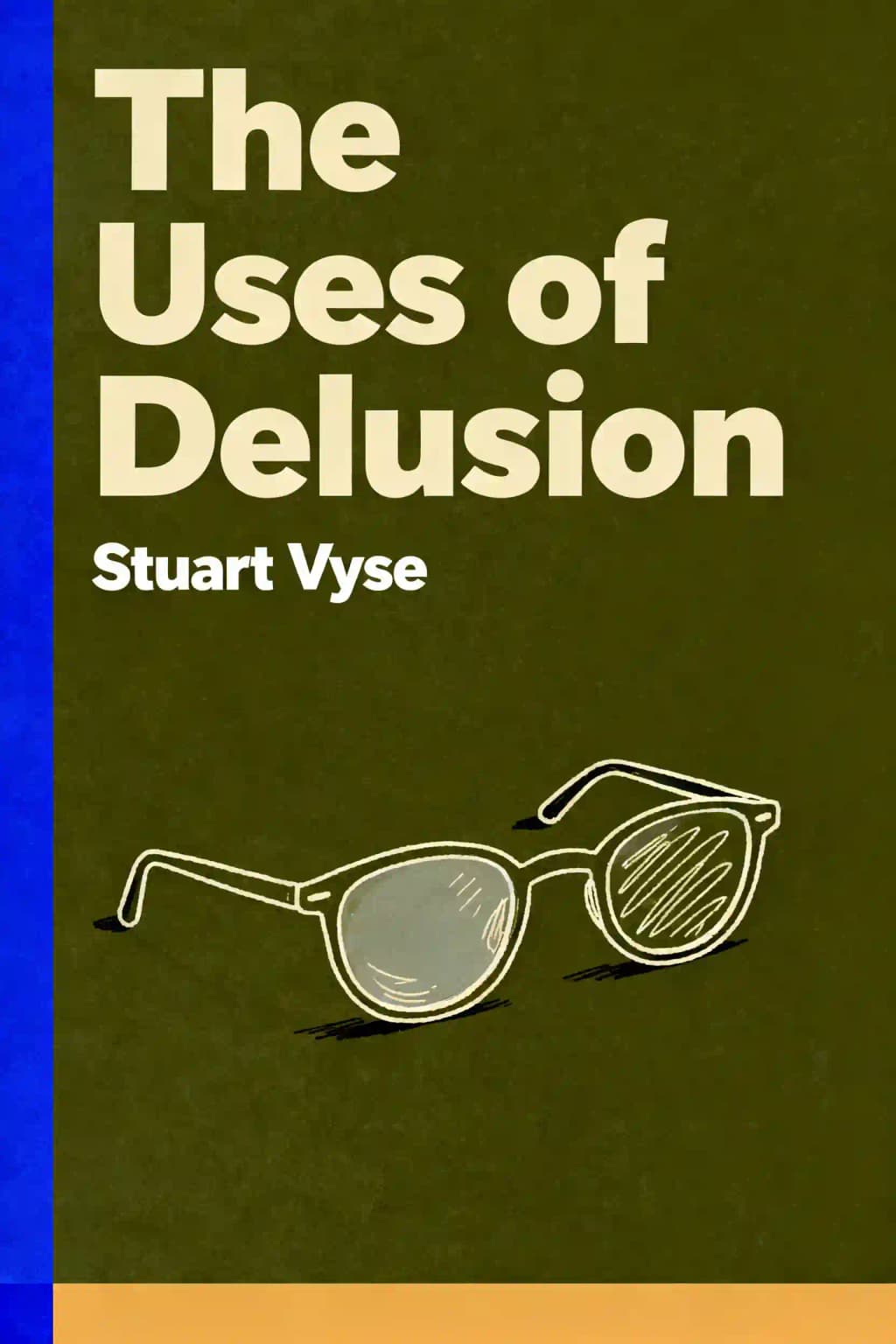
In "The Uses of Delusion," Stuart Vyse boldly argues that irrationality can be beneficial. What if our delusions actually help us thrive? Endorsed by skeptic Michael Shermer, this counterintuitive exploration reveals why sometimes being irrational is the most rational choice of all.
Ressentez le livre à travers la voix de l'auteur
Transformez les connaissances en idées captivantes et riches en exemples
Capturez les idées clés en un éclair pour un apprentissage rapide
Profitez du livre de manière ludique et engageante
Picture a library window where someone watches for a person who will never come home. Susan, after losing her husband in a car accident, spent months looking for him from that very spot. Joan Didion kept her deceased husband's shoes in the closet, unable to give them away because "he would need them if he was to return." These aren't stories of mental illness-they're glimpses into something far more universal and unsettling: our minds are built to deceive us, and sometimes that's exactly what we need. We like to think of ourselves as rational creatures. We pride ourselves on logic, evidence, and clear thinking. Yet every day, we cling to beliefs that contradict reality. We convince ourselves we're better drivers than average (statistically impossible for most of us). We believe our relationships will beat the divorce odds. We feel certain we control outcomes that are purely random. These aren't occasional lapses-they're features of human cognition, not bugs. The tension between our quick, intuitive mind and our slower, analytical one creates what we might call "useful delusions"-beliefs that fly in the face of evidence yet somehow help us survive, thrive, and find meaning in an often harsh world.
Décomposez les idées clés de The Uses of Delusion en points faciles à comprendre pour découvrir comment les équipes innovantes créent, collaborent et grandissent.
Condensez The Uses of Delusion en indices de mémoire rapides mettant en évidence les principes clés de franchise, de travail d'équipe et de résilience créative.

Découvrez The Uses of Delusion à travers des récits vivants qui transforment les leçons d'innovation en moments mémorables et applicables.
Posez n'importe quelle question, choisissez la voix et co-créez des idées qui résonnent vraiment avec vous.

Cree par des anciens de Columbia University a San Francisco
"Instead of endless scrolling, I just hit play on BeFreed. It saves me so much time."
"I never knew where to start with nonfiction—BeFreed’s book lists turned into podcasts gave me a clear path."
"Perfect balance between learning and entertainment. Finished ‘Thinking, Fast and Slow’ on my commute this week."
"Crazy how much I learned while walking the dog. BeFreed = small habits → big gains."
"Reading used to feel like a chore. Now it’s just part of my lifestyle."
"Feels effortless compared to reading. I’ve finished 6 books this month already."
"BeFreed turned my guilty doomscrolling into something that feels productive and inspiring."
"BeFreed turned my commute into learning time. 20-min podcasts are perfect for finishing books I never had time for."
"BeFreed replaced my podcast queue. Imagine Spotify for books — that’s it. 🙌"
"It is great for me to learn something from the book without reading it."
"The themed book list podcasts help me connect ideas across authors—like a guided audio journey."
"Makes me feel smarter every time before going to work"
Cree par des anciens de Columbia University a San Francisco

Obtenez le resume de The Uses of Delusion en PDF ou EPUB gratuit. Imprimez-le ou lisez-le hors ligne a tout moment.