Chapitre 1
Behind the Classroom Door: A Teacher's Raw Confessions
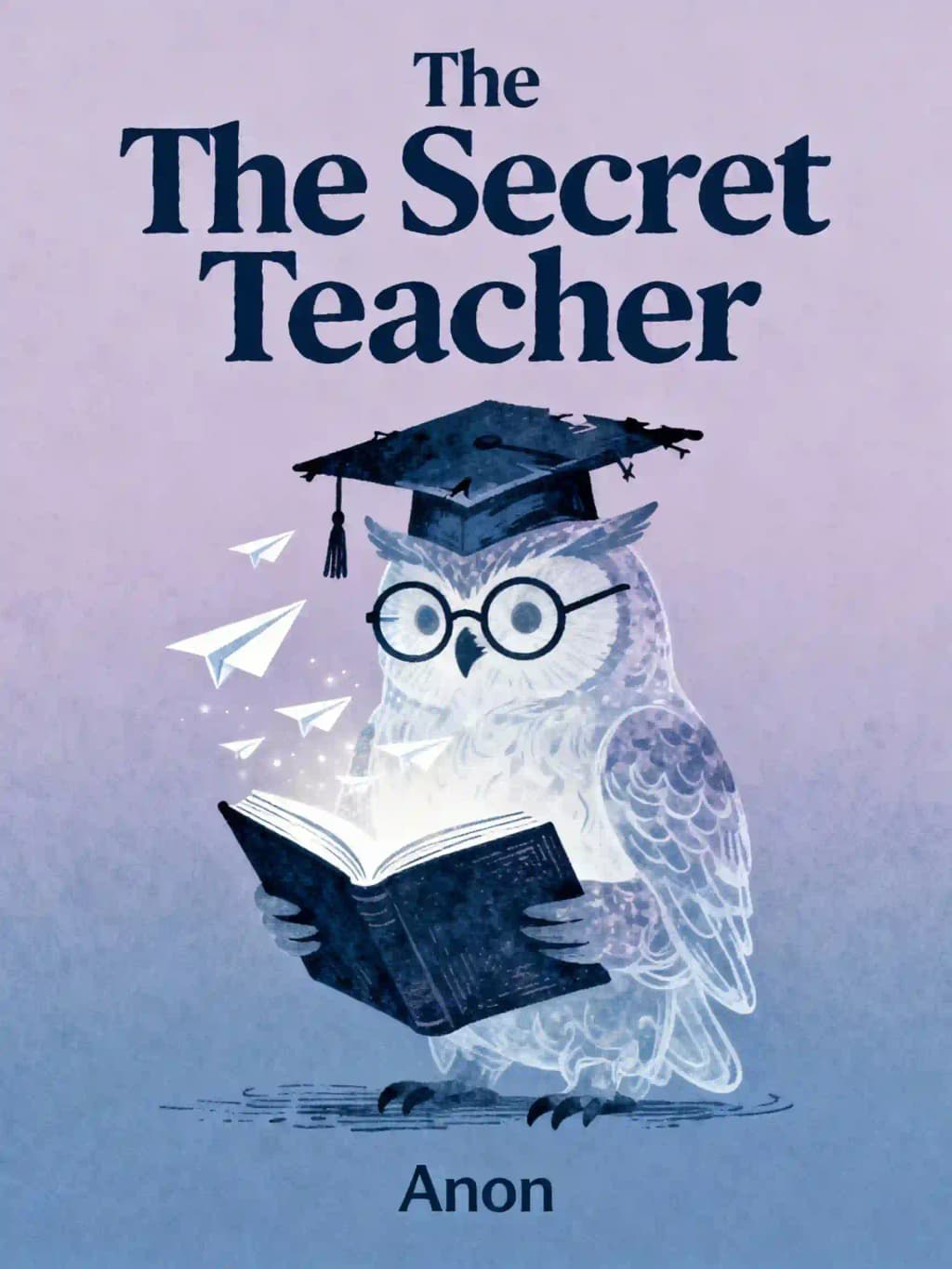
Teaching has long been romanticized as a noble profession where dedicated educators shape young minds and inspire future generations. Yet what happens when the classroom door closes and the glossy veneer of education policy meets the messy reality of teenage lives? "The Secret Teacher" pulls back the curtain on this world with unflinching honesty, humor, and heartbreak. This anonymous account has become required reading in teacher training programs across the UK, with celebrities like Stephen Fry calling it "essential reading for anyone interested in what really happens in our schools." The book's viral success stems from its authentic portrayal of teaching's impossible contradictions-a profession demanding superhuman dedication while treating its practitioners as interchangeable data processors. As education systems worldwide face unprecedented challenges, this insider's perspective offers crucial insights into why so many passionate teachers eventually walk away.
Chapitre 2
The Phoenix School: Rebirth Through Bureaucracy
The narrator begins their teaching journey at a school undergoing dramatic transformation-literally split between a crumbling old building with half-demolished classrooms and a gleaming new "cruise liner" of steel and glass. This physical division perfectly symbolizes the clash between traditional education and modern bureaucracy that defines the entire memoir.
The new section features "fish-tank classrooms" where Senior Managers conduct "Learning Walks" to monitor teaching performance, silent hallways displaying carefully curated student artwork, and stairwells where students move in disciplined lines. Everything is designed to project an image of perfection-"dynamic, beautiful staff" teaching "happy, shiny pupils"-a stark contrast to the chaotic reality of actual teaching.
The English Department serves as "a comforting oasis of chaos" where the sardonic Head of Department immediately punctures the narrator's idealism with practical advice: never wear an M&S jumper because removing it mid-lesson reveals "belly and potentially pubes." This blunt introduction to teaching's unglamorous realities establishes the book's darkly humorous tone.
The narrator's first day concludes with two telling assignments: cleaning the book storage cupboard (suggesting literature's diminishing importance) and shadowing a perfectly behaved Year 9 student through robotically efficient classes. This manufactured perfection creates the first sense of unease-education reduced to a performance where appearance matters more than substance.
As summer ends and the first term approaches, the narrator's enthusiasm for teaching Greek myths as a "carrier of culture" faces its first challenge during an INSET day where the new leadership sets a harsh tone. The Vice Principal advises "Don't. Smile. At. All." while the Head publicly humiliates teachers with underperforming data. The message is clear: teaching is not about inspiration or connection but about measurable outcomes and maintaining strict control.
The narrator's idealistic vision collapses during their first lesson with a challenging Year 7 Set 4 class. Despite attempting the recommended "Death Stare" discipline technique, the class spirals into chaos. By day's end, the narrator has given so many detentions they feel like a complete failure-a sentiment confirmed by the sympathetic or patronizing looks from other teachers. A French NQT perfectly summarizes their feelings: "Ah feel lahk ze whole world just came in my face."
Chapitre 3
Under the Microscope: Teaching as Performance
The narrator's beautiful teaching dream quickly transforms into a nightmare of anxiety. They feel trapped and brittle as students sense their weakness, while senior managers circle like sharks, ready to attack at the slightest classroom disruption. The school's unspoken mantra becomes clear: all classroom failures are the teacher's fault, no exceptions.
Teaching observations become a constant torment. Each observer wants something completely different, keeping the narrator perpetually hovering between "Inadequate" and "Requires Improvement" ratings. They're criticized for trivial issues like students checking the clock or a consistently confused student not understanding instructions. Meanwhile, "Little Miss Outstanding" flourishes with her lessons, receiving praise the narrator can only dream of.
The absurdity of the observation system reaches its peak when the narrator is called in by the Head of Department, expecting termination after another disastrous lesson. Instead, they receive bizarre criticism about their walking style being "too nonchalant." The narrator is made to demonstrate their walk and instructed to copy the Vice Principal's purposeful stride. The HoD even emails an anatomical diagram of leg muscles, as if this might help transform their gait into something more authoritative.
The narrator's language becomes "infected by OFSTED jargon" despite being an English Teacher and supposed role model of erudition. Their vocabulary transforms into a rattlebag of educational terminology, even in casual conversation about curry or homework. This linguistic shift represents the deeper transformation occurring-the creative, passionate teacher gradually becoming a bureaucratic functionary.
Technology failures during observations create additional stress. During one particularly important evaluation, the narrator's attempt to show Obama's speech fails spectacularly, with an inappropriate pop-up creating classroom chaos just as the Vice Principal enters. A follow-up Churchill video only leads to confusion, with a student asking if Churchill was "the dog," causing more disruption. These technological mishaps highlight how teachers are expected to incorporate modern teaching methods without adequate support or reliable equipment.
After each observation comes the dreaded feedback session with the narrator's Mentor, who is frustratingly the "best teacher in the world." These meetings feel like disappointed post-coital conversations-"How do you think it went?" followed by empty reassurances that "It will get better." Watching the Mentor's masterful lesson makes the narrator sick with envy as she effortlessly engages even the most difficult students.
Chapitre 4
The Library: Finding Sanctuary Among the Shelves
The "Library" is actually the local pub where teachers gather after school, away from the watchful eyes of senior management. This sanctuary from the bureaucracy and pressure of the school environment allows teachers to be themselves, drowning sorrows and sharing war stories from the classroom.
At the pub, the Head of Department offers brutally honest wisdom about teaching while several pints in. He challenges the narrator's idealistic notions about "making a difference," instead arguing that teaching is about finding joy in the classroom despite the bureaucratic "raft of bollocks." He laments how teaching has changed, with young teachers being burned out and replaced in a three-year cycle.
The HoD advocates for "teaching between the cracks"-finding those precious moments of genuine connection and learning between the endless assessments and observations. This philosophy becomes a lifeline for the narrator, a way to preserve their passion for education within an increasingly mechanistic system.
The evening takes a darker turn when the Head of Year 6 arrives in tears after being targeted for constant observations due to poor exam results, highlighting the intense pressure teachers face. The night ends with the narrator drunkenly accompanying a colleague to a posh dinner party, feeling completely out of place among wealthy non-teachers who can only relate to education through awkward small talk about "nice holidays."
The dinner party scene brilliantly illustrates the growing social divide between teachers and the professional elite. The narrator endures excruciating small talk with the wealthy guests who reduce teaching to platitudes like "must be so rewarding" and "nice holidays." A condescending barrister assumes the narrator works at a state school because they mentioned diverse students. This interaction reveals how teaching has lost its social status while simultaneously bearing more responsibility than ever for society's problems.
Alone with their thoughts after the party, the narrator's mind cycles through panic about work, self-loathing, and the constant invasion of students in their consciousness. They check Rate My Teacher to find one-star reviews, contemplate career changes, and suddenly remember they've left their marking books in the Library-setting up the next crisis in their professional life.
Chapitre 5
The Observation Game: Desperate Measures
The narrator spirals into panic as they prepare for a formal observation by the Vice Principal. Their weekend becomes a frantic search for missing books, avoidance of responsibilities, and desperate attempts to salvage their teaching reputation.
When the books are finally located, the narrator discovers the horrifying truth: they contain almost nothing-just doodles, half-finished work, and disturbing content. In panic, they over-mark everything, lavishing praise on half-sentences and even faking student handwriting to fill empty pages. This deception reveals how evaluation pressure corrupts the very practices it's meant to improve.
The night before the observation, the narrator creates an absurdly elaborate lesson about Narcissus featuring laminated cards forming a reflective "lake," differentiated challenges, and a picnic plenary with party hats. When they accidentally lose their work, they break down weeping before frantically recreating it. This excessive preparation demonstrates how observations have become theatrical performances rather than authentic assessments of teaching quality.
The observation itself is "a catastrophe" where "everything went tits up." Students understand nothing about vanity or Narcissus, lost amid the teacher's elaborate props while looking to the intimidating VP for structure. The bizarre plenary involves students wearing party hats sitting around a "scrunched-up, buboed lake" while washing powder advertisements play on YouTube. Despite this disaster, the VP notes the narrator's marking and awards them "Inadequate with Requires Improvement Features," a slight improvement from their previous rating.
This absurd rating system-with categories like "Inadequate with Requires Improvement Features" or the "moonshot" of "Inadequate with Outstanding Features"-perfectly captures the bureaucratic mindset that has overtaken education. Teaching quality has been reduced to a series of checkboxes and arbitrary ratings that often miss the true impact an educator has on students' lives.
The narrator eventually adopts the VP's methodical approach-"Starter, Main Task, Plenary. Bish, Bash, Bosh"-abandoning their creative but chaotic style. The transformation works: their lessons gain purpose and direction, the students respond positively, and they finally achieve the coveted "GOOD" rating. This professional compromise-sacrificing creativity and passion for structure and predictability-represents the central tension many teachers face.
Chapitre 6
The Students Behind the Data
Amid the bureaucratic chaos, individual students emerge who remind the narrator why teaching matters. Salim, a student with autism, forces the narrator to become more precise and methodical in their instruction, benefiting the entire class. Teaching Salim requires clear visual instructions, checking for understanding without causing embarrassment, and appropriate lesson pacing-all practices that improve education for everyone.
The narrator questions whether mainstream classes truly benefit Salim, given the social isolation he experiences, and decides to request support from Paula, an experienced teaching assistant. Paula transforms the classroom dynamic with her presence. Unlike younger teachers who lack time for personal connection, she believes in taking time to "sit and chat" with students. She understands that despite changes in education, "kids is kids is kids."
When Paula joins the class, she skillfully supports all students without singling out Salim. She circulates quietly, offering encouragement through nods and gentle guidance. Even resistant students like Kieran respond to her approach. This portrait of an effective teaching assistant highlights how vital support staff are to inclusive education-a fact often overlooked in policy discussions focused on teacher performance.
As winter descends, the narrator discovers the joy of "Morning DEAR" (Drop Everything and Read), a literacy initiative where teachers read to sleepy students before school. Despite initial skepticism, this becomes a treasured time of peace and connection. The children, usually restless and defensive, become absorbed in stories like Alice in Wonderland, with even difficult students like Kieran admitting "it's relaxing." These moments of genuine engagement represent the "teaching between the cracks" that the HoD described-the real education happening between official lessons and assessments.
Parents' Evening reveals another dimension of the students' lives. Each meeting provides insight into the family dynamics shaping classroom behavior: Orlando's perfectionist mother worries about academic competition, Femi's grateful immigrant parents beam with pride at his achievements, Rachel suffers from classroom insecurity despite her talents, and Milosz deliberately mistranslates criticism to his Polish mother. These brief encounters remind the narrator that each student brings a complex personal history to the classroom that standardized assessments can never capture.
Chapitre 7
Teaching the Untouchable Topics
The narrator's attempt to discuss immigration and "British Values" with their class reveals the challenges of addressing controversial topics in the classroom. When showing refugee images, Mercedes writes "FRESHY" on the board, triggering chaos. Chika looks hurt, Milosz confronts Mercedes, Donnie claims to be the only "proper English kid," and Kieran threatens Saadia's headscarf. The class erupts into pushing, screaming, and book-throwing.
This classroom explosion demonstrates how societal tensions inevitably enter educational spaces, challenging teachers to address complex issues while maintaining a safe learning environment. The narrator's well-intentioned lesson inadvertently exposes the prejudices and conflicts simmering beneath the surface of their diverse classroom.
The aftermath involves a series of phone calls to parents with mixed results: Milosz's mother responds with minimal "yes" answers, Chika's questions why the narrator teaches "made up" stories, and Donnie's father blames others. Mercedes faces Late Detention with the HoD and VP, who conduct a Pinteresque interrogation about her disruptive behavior. Despite her claim that "FRESHY" meant "fresh like a strawberry," the VP's unwavering Jedi stare forces her to admit it meant "fresh off the boat," earning her a week of Late Detentions.
Kieran's threat against Saadia results in a Parental Meeting with his disinterested father. When confronted by the VP about his behavior, Kieran explodes, screaming "I DON'T NEED DIS SHIT!" before punching and shattering the glass wall. The narrator envisions Kieran's future of exclusions, crime, and prison-their attempt to change his narrative had failed against the torrent of his circumstances. This moment powerfully illustrates the limits of education's ability to overcome entrenched social problems without broader societal support.
The narrator later studies Steinbeck's "The Pearl" with the class-perfect for Year 7s with its short, clear wisdom about class and morality. The students explore Kino's world, discuss environmental issues, create songs, and write essays on corruption and greed. Their writing shows imagination with newfound control, demonstrating how literature can provide a safer way to explore difficult topics than direct confrontation with current events.
Chapitre 8
Personal Loss and Professional Duty
The narrator's personal life intersects with their professional responsibilities when they learn their partner Amy is pregnant-joyous news that contrasts with the stress of their teaching life. Their colleagues are genuinely excited, suggesting literary names for the baby, though the Head's response is characteristically cold, concerned only that the pregnancy won't clash with exams.
This happy news is soon overshadowed by tragedy when the narrator receives a text from their mother: "Please ring asap." They immediately know their father has died. After organizing coverage for their lessons, they drive home in a daze. For a week after, they can't get up, trying to deny reality, stuck in darkness.
The narrator spends that week searching for a funeral poem, realizing they can't truly read poetry anymore-they've been conditioned to only spot literary devices, not meaning. This professional deformation represents how teaching has changed their relationship with the very subject they love. Their father would want The Four Quartets, which they read at his bright, sunny funeral while Leonard Cohen plays at home.
Their colleagues offer condolences, except the Head who blanks them completely. An SM who'd lost her father the previous year comforts them, saying they're just "numb." That numbness becomes their survival strategy-they embrace the mechanical routine of teaching, planning, marking, feedback. This emotional shutdown mirrors the way the education system itself has become mechanized and detached from human experience.
Amy insists they keep their planned Iceland trip. There, amid hurricanes and volcanic beaches, the narrator finally processes their grief, devastated their father won't meet his grandson. Amy comforts them, saying they can honor him by being a proper father themselves. At night, they read Emily Dickinson: "This is the Hour of Lead-Remembered, if outlived, As Freezing persons, recollect the Snow-First-Chill-then Stupor-then the letting go-"
This personal journey through grief parallels the narrator's professional journey-both require moving through stages of denial, anger, and eventually acceptance. The "letting go" applies equally to their father's death and to their idealistic notions about teaching.
Chapitre 9
The System Consuming Itself
As the book progresses, the education system itself becomes increasingly dystopian. Data has become the master, with enormous spreadsheets tracking every student-mile upon mile of columns glowing red, yellow, or green with abbreviated headings: Pred. Mock. CW. UMS. The narrator's Mentor spends every evening until 9 p.m. inputting data, and now spends every moment explaining this terrifying "Minotaur" to colleagues.
Most of the narrator's class flashes red-their mocks don't match their progress grades, which don't match the narrator's predictions, which were based on fake data from the previous teacher who'd done nothing with them. This data obsession creates a self-referential system disconnected from actual learning.
The dreaded OFSTED inspection creates an impossible Catch-22: the narrator's main goal is getting results, which requires endless practice papers. But if an inspector sees just practice papers, they'll be rated Inadequate. Yet if they teach "All Singing All Dancing OFSTED lessons" instead, the kids won't get exam practice and will fail. Either way, they'll be deemed a "shit teacher." This impossible situation encapsulates the contradictions at the heart of modern education policy.
A union strike proves ineffective against this system. The teachers enjoy a lie-in, watch some Jeremy Kyle, have a fry-up, then meet at the station. They march behind banners, chant perfunctorily, then return home. They're back in the Library drinking pints before students even leave the gym. The protest is ostensibly about pay, cuts, and workload, but underneath they're anxious about their own obsolescence. The sad reality is that practice papers in the gym might be the most efficient exam preparation-they aren't even needed anymore.
In the pub after the strike, the HoD laments the death of humanist education. He rails against screens replacing books, against the closing of the Library, against the soulless technocracy education is becoming. With melancholy finality, he announces he's leaving-fishing, poetry, anything but teaching. This time it feels real, not just his usual threats.
The exodus begins. By the end of the year, HoD, Little Miss Outstanding (secretly fleeing to a private school), and dozens more have left-Brian and Anushka from Maths, Sharon and Stuart from Science, and many others. The foundations are being pulled from under the school. Only the Senior Management remains, plus Bill and Paula. The Old Guard-every one a Yoda or a Hector-are gone, taking with them wisdom, stability, and institutional memory. They've been driven out by stress and disillusionment with an educational system consuming itself from within, "like a phoenix burning its own stomach with flaming embers."
Chapitre 10
Finding Meaning in the Madness
Despite the systemic failures, moments of genuine connection and growth provide hope throughout the narrative. The narrator's breakthrough with teaching T.S. Eliot's The Waste Land comes not from elaborate lesson plans but from honest vulnerability. After joining classes with a colleague for a performance of the poem, the students initially remain mystified. In a moment of pedagogical honesty, the narrator admits their own frustration and uncertainty, suggesting maybe "it's all a load of old cobblers."
This vulnerability creates a breakthrough, as students begin offering tentative interpretations: "environment," "destruction," "connection," "community," "alienation." This moment illustrates how authentic teaching often emerges from dropping the expert facade and engaging with students as fellow learners.
The birth of the narrator's son provides a new perspective on education. Caring for their newborn becomes their universe-watching him breathe, telling him stories, rediscovering wonder. Driving him around at night to soothe his crying, they realize: "these kids are my responsibility. I've got to see them through." This parental revelation reinforces their commitment to teaching despite its frustrations.
The narrator considers alternative paths-returning to Tanzania where teaching was pure with no photocopiers or standards, just eager students discussing literature outside their hut each evening. No OFSTED, data meetings, Learning Walks, or box-ticking bureaucracy. Just teaching. Or perhaps moving to India, where children teach themselves through "Holes in the Wall" computers. Instead of climbing the teaching ladder toward Senior Management where they'd barely teach while criticizing others, they decide to simply be a teacher and father-responsibility enough.
The book concludes with the Year 13 Leavers' Ball, where the narrator dances with their students, performing Salim's "Hell Yeah It Does" move while Liam captures it on Snapchat. They exchange heartfelt goodbyes with their students-wishing Wally luck in Thailand, reminding Liam about his Dungeon Run, receiving a touching gift of an antique book from Alexia, and promising Zainab they're proud of her medical aspirations despite her abandoning English.
Arriving home late, the narrator finds their young son awake and reads him "Papa, Please Get the Moon for Me" repeatedly as he nestles under their arm, gurgling with appreciation. This tender moment connects the narrator's dual roles as parent and teacher-both fundamentally about nurturing potential and passing on knowledge with love.
Chapitre 11
The Secret Language of Education
The book's glossary provides a fascinating window into the parallel languages of education-"Teacher Talk" and "Kid Talk." The Teacher Talk section catalogs educational terminology and acronyms essential to understanding the British school system, including qualifications (A Level, GCSE, BTEC), teaching methodologies (Chalk and Talk, Differentiation, DEAR), administrative designations (NQT, SM, SMT), and assessment frameworks (AFL, AO1-AO5, VA).
The Kid Talk section provides an extensive catalog of student slang, including terms like "Aks" (ask), "Allow it" (leave it alone), "Badman" (gangster/rebel), "Bare" (a lot), "Blud" (mate), "Mandem" (people/tribe), "Moist" (embarrassing), "Safe" (cool), and "Wa'gwan" (hello). Each entry includes pronunciation guides, definitions, and example sentences that capture the authentic voice of the students.
This linguistic divide symbolizes the broader cultural gap between educators and students that the narrator navigates throughout the memoir. The very existence of these parallel languages reveals how education operates as a cross-cultural exchange, with teachers and students often speaking different languages even when using the same words.
The author maintains their anonymity with characteristic brevity and humor, offering only two lines in the "About the Author" section: "That would be telling. Just call me 'Sir'." This final refusal to reveal their identity reinforces the book's premise as an insider's anonymous account of teaching-one that speaks universal truths precisely because it isn't tied to a specific individual.
Through humor, heartbreak, and unflinching honesty, "The Secret Teacher" ultimately reveals that despite the systemic failures of modern education, the fundamental relationship between teacher and student remains a powerful force for transformation. In the narrator's words, teaching remains "one of our few natural functions" and "all we are here for"-a calling worth pursuing even in the most challenging circumstances.