The Mind's Mirror
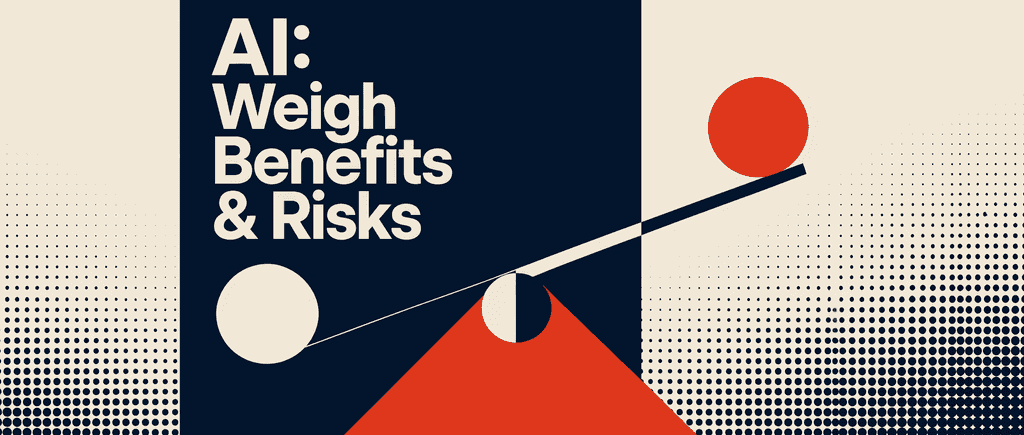
Risk and Reward in the Age of AI
Aperçu de The Mind's Mirror
In "The Mind's Mirror," MIT AI director Daniela Rus reveals how artificial intelligence is revolutionizing healthcare and science - from decoding whale language to detecting Parkinson's disease. A refreshing antidote to AI doomsaying that shows how humans and machines can thrive together.
Thèmes clés dans The Mind's Mirror
- human-ai collaboration
- cognitive augmentation
- algorithmic creativity
- information synthesis
- technological superpowers
Citations de The Mind's Mirror
AI amplifies human potential rather than replacing it.
AI can process information at rates that dwarf human capabilities.
The goal isn't to replace human judgment but to enhance it.
We need an AI Librarian to transform this overwhelming data.
Traditional expertise often exists in silos.
Personnages de The Mind's Mirror
- Daniela RusDirector of MIT's CSAIL and book co-author
- Gregory MoneScience writer and book co-author
À propos de l'auteur
À propos de l'auteur de The Mind's Mirror
Gregory Mone, bestselling author of The Minds Mirror, is a celebrated writer of middle-grade science adventures and nonfiction collaborations with leading scientists. Known for blending curiosity-driven storytelling with accessible scientific exploration, Mone has co-authored works with Bill Nye (Bill Nye’s Great Big World of Science) and adapted Neil deGrasse Tyson’s Astrophysics for Young People in a Hurry.
His fiction, including the Atlantis series (The Accidental Invasion, The Brink of War) and He-Man universe novels (I, Skeletor), often features young protagonists navigating fantastical worlds grounded in real-world physics and ethics.
A science journalist covering AI, robotics, and biology for Popular Science, Mone brings empirical rigor to his imaginative narratives. His debut novel, The Wages of Genius, satirized dot-com culture, while Fish—a Scholastic Book Fair bestseller—earned the Carol Otis Hurst Prize.
Mone’s works are praised for inspiring wonder in readers, translating complex concepts into thrilling tales. The Boys in the Boat: Young Readers’ Edition, his adaptation of Daniel James Brown’s memoir, has been widely adopted in schools. The Minds Mirror continues his legacy of merging STEM themes with page-turning plots, appealing to educators and reluctant readers alike.
Telecharger le resume de The Mind's Mirror
Obtenez le resume de The Mind's Mirror en PDF ou EPUB gratuit. Imprimez-le ou lisez-le hors ligne a tout moment.
FAQ sur ce livre
The Mind's Mirror explores AI’s transformative potential to accelerate drug discovery, decode animal communication, and enhance daily productivity, while addressing risks like job displacement and ethical misuse. Authors Daniela Rus and Gregory Mone advocate for a balanced approach, emphasizing AI as a tool to augment—not replace—human capabilities, and outline societal strategies to maximize benefits and minimize harm.
This book is ideal for AI enthusiasts, tech professionals, policymakers, and anyone seeking a clear-eyed analysis of AI’s societal impact. Readers interested in ethical AI development, real-world applications (e.g., healthcare, climate science), or the intersection of human creativity and machine intelligence will find it particularly valuable.
Daniela Rus is a MacArthur Fellow and director of MIT’s Computer Science and Artificial Intelligence Laboratory, renowned for her robotics research. Gregory Mone is a science writer and co-author of multiple New York Times bestsellers. Together, they blend technical expertise and accessible storytelling.
Yes, the book offers a nuanced, expert-backed perspective on AI’s dual-edged nature, avoiding both hype and fear-mongering. It provides actionable insights for individuals and institutions, making it essential for understanding AI’s role in shaping healthcare, scientific research, and ethical governance.
The authors identify AI’s advantages as:
- Speed: Accelerating tasks like drug development.
- Knowledge: Democratizing access to information.
- Insight: Revealing patterns in complex datasets.
- Creativity: Collaborating on artistic or scientific projects.
- Foresight: Predicting outcomes in climate or finance.
- Mastery: Enhancing skill development through personalized feedback.
- Empathy: Improving human-AI interactions.
The book discusses job displacement, algorithmic bias, and existential threats, advocating for regulatory frameworks, transparency in AI decision-making, and human oversight in critical systems. It emphasizes proactive collaboration between technologists and policymakers to mitigate harm.
Examples include:
- Healthcare: AI-driven drug discovery for diseases like Alzheimer’s.
- Ecology: Decoding whale communication to aid conservation.
- Astronomy: Mapping galaxies using machine learning.
- Daily Life: AI assistants streamlining email management.
Unlike alarmist or overly technical works, Rus and Mone focus on practical solutions and balanced optimism. The book uniquely frames AI as a "mirror" reflecting human ingenuity and flaws, urging readers to shape its trajectory ethically.
Some reviewers note the authors’ MIT affiliation may lead to an overly optimistic view of AI governance. Critics argue the book could delve deeper into systemic inequalities exacerbated by AI, though it acknowledges these risks broadly.
Recommendations include:
- Investing in AI literacy education.
- Prioritizing transparency in algorithmic systems.
- Establishing international cooperation on AI safety standards.
- Designing AI to complement human labor rather than replace it.
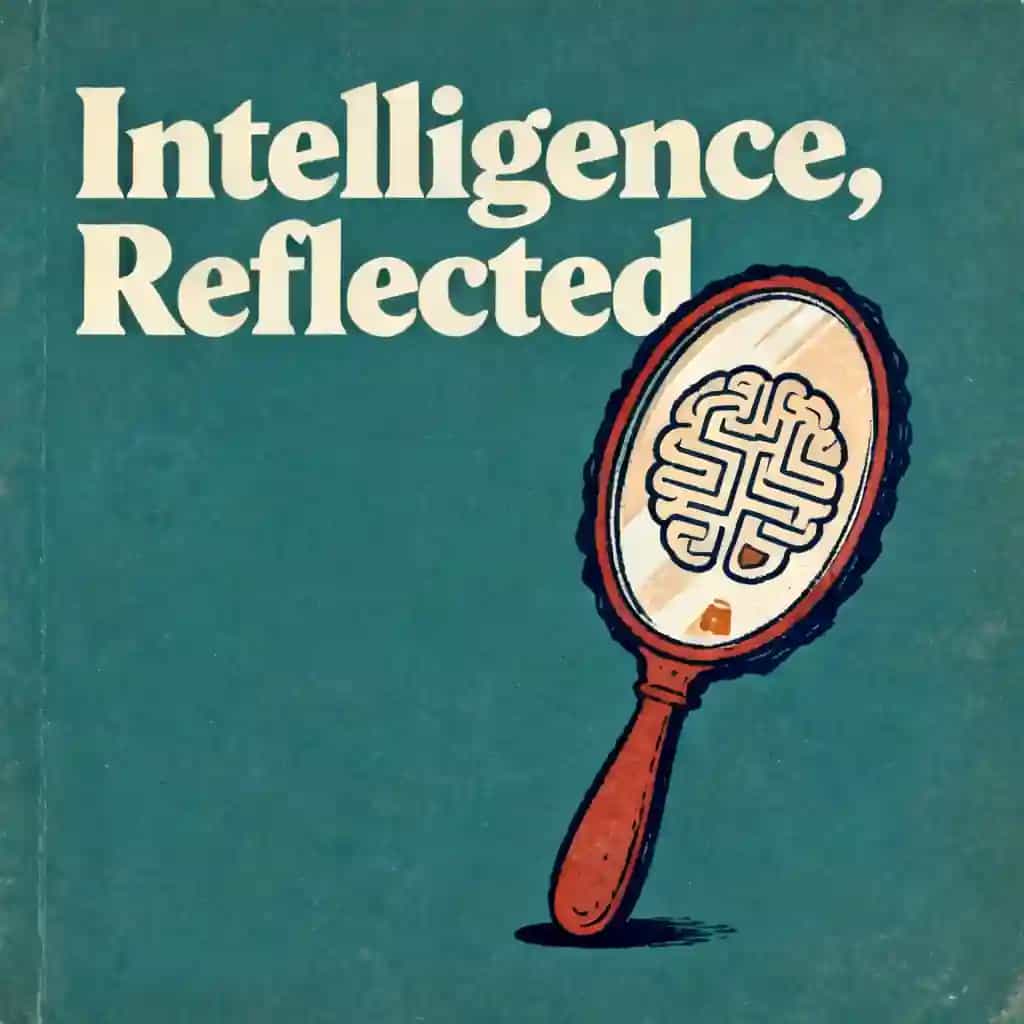
The title reflects AI’s dual role as both a reflection of human creativity and a tool to expand it. The metaphor underscores the idea that AI’s impact depends on how humanity designs, deploys, and regulates it.
Yes. The book avoids jargon, using relatable analogies and case studies to explain neural networks, machine learning, and ethical dilemmas. Complex concepts like “algorithmic bias” are broken into digestible examples.