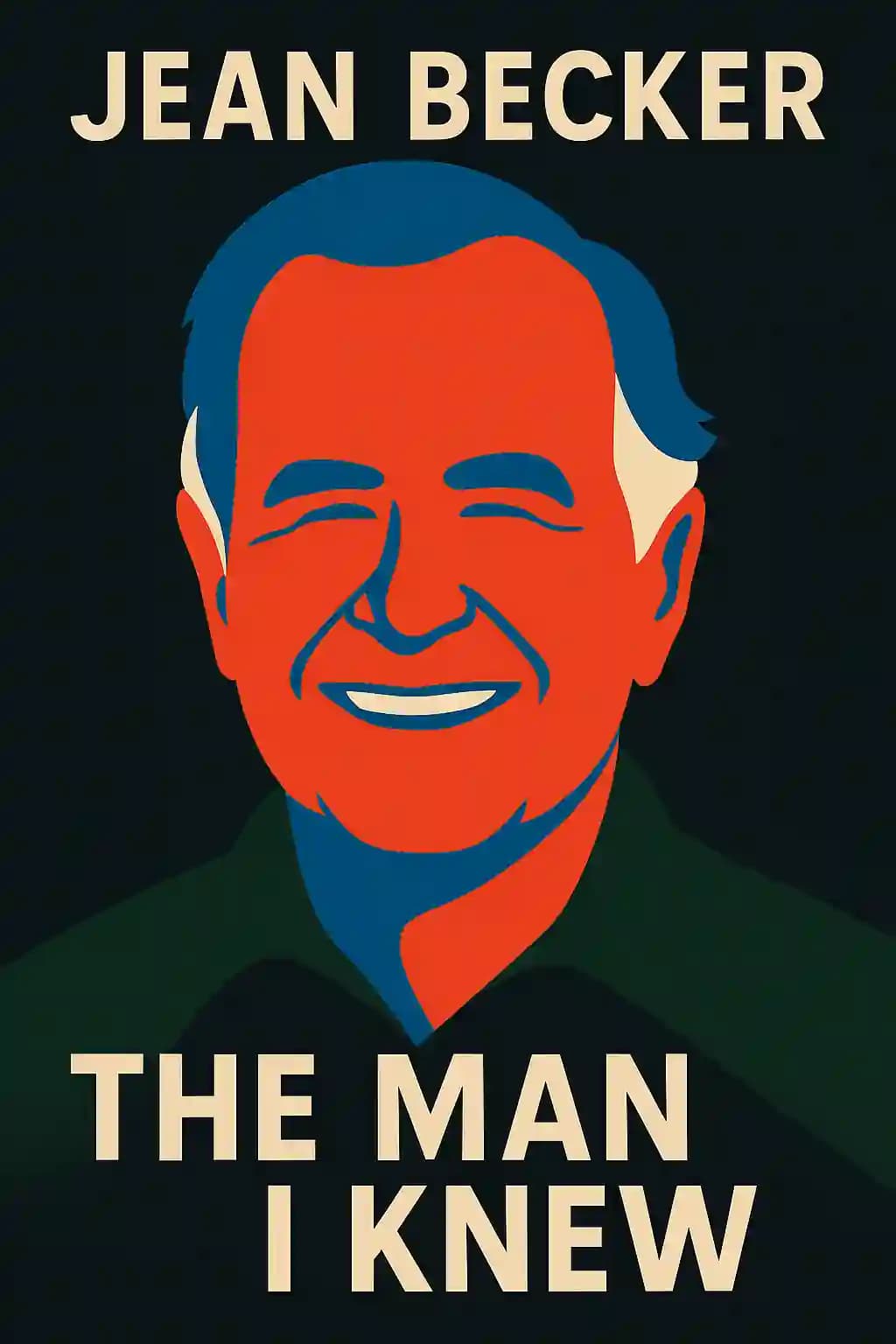
Behind the presidency: Jean Becker reveals George H.W. Bush's extraordinary post-White House life - skydiving adventures, unlikely friendship with Bill Clinton, and wheelchair courage. What made this NYT bestseller show America's 41st president as both statesman and beloved grandfather?
Ressentez le livre à travers la voix de l'auteur
Transformez les connaissances en idées captivantes et riches en exemples
Capturez les idées clés en un éclair pour un apprentissage rapide
Profitez du livre de manière ludique et engageante
What defines us when the world stops watching? George H.W. Bush's final words-whispered to his aide just hours before death-weren't about legacy or politics. Opening his eyes one last time, he asked: "Are you okay?" This instinct to care for others, even in his dying moments, captures something profound about how we measure a life well-lived. Most defeated presidents retreat into bitterness or irrelevance. Bush did something different. After losing the 1993 election despite once holding a 91% approval rating, he transformed rejection into renewal, building a second act that rivaled his first. He jumped from airplanes at 90 despite Parkinson's confining him to a wheelchair. He partnered with the man who defeated him to save lives across continents. He proved that our greatest contributions often emerge not when cameras flash, but when character alone guides our choices. Losing the presidency crushed Bush initially. The fall from global power to private citizen happened overnight, leaving him disoriented and raw. During a Caribbean cruise shortly after leaving office, he drafted a memo outlining his new life: make enough money for Barbara's security, build his presidential library, spend time with grandchildren, help others, stay active. Just as importantly, he listed what to avoid: interfering with President Clinton, playing kingmaker, cheapening the presidency, or trying to control his historical narrative. That first year tested him. At his lowest point, Bush lamented: "I lost the election, my mother died, my dog died, and my boat crashed."
Décomposez les idées clés de The Man I Knew en points faciles à comprendre pour découvrir comment les équipes innovantes créent, collaborent et grandissent.
Condensez The Man I Knew en indices de mémoire rapides mettant en évidence les principes clés de franchise, de travail d'équipe et de résilience créative.

Découvrez The Man I Knew à travers des récits vivants qui transforment les leçons d'innovation en moments mémorables et applicables.
Posez n'importe quelle question, choisissez la voix et co-créez des idées qui résonnent vraiment avec vous.

Cree par des anciens de Columbia University a San Francisco
"Instead of endless scrolling, I just hit play on BeFreed. It saves me so much time."
"I never knew where to start with nonfiction—BeFreed’s book lists turned into podcasts gave me a clear path."
"Perfect balance between learning and entertainment. Finished ‘Thinking, Fast and Slow’ on my commute this week."
"Crazy how much I learned while walking the dog. BeFreed = small habits → big gains."
"Reading used to feel like a chore. Now it’s just part of my lifestyle."
"Feels effortless compared to reading. I’ve finished 6 books this month already."
"BeFreed turned my guilty doomscrolling into something that feels productive and inspiring."
"BeFreed turned my commute into learning time. 20-min podcasts are perfect for finishing books I never had time for."
"BeFreed replaced my podcast queue. Imagine Spotify for books — that’s it. 🙌"
"It is great for me to learn something from the book without reading it."
"The themed book list podcasts help me connect ideas across authors—like a guided audio journey."
"Makes me feel smarter every time before going to work"
Cree par des anciens de Columbia University a San Francisco

Obtenez le resume de The Man I Knew en PDF ou EPUB gratuit. Imprimez-le ou lisez-le hors ligne a tout moment.