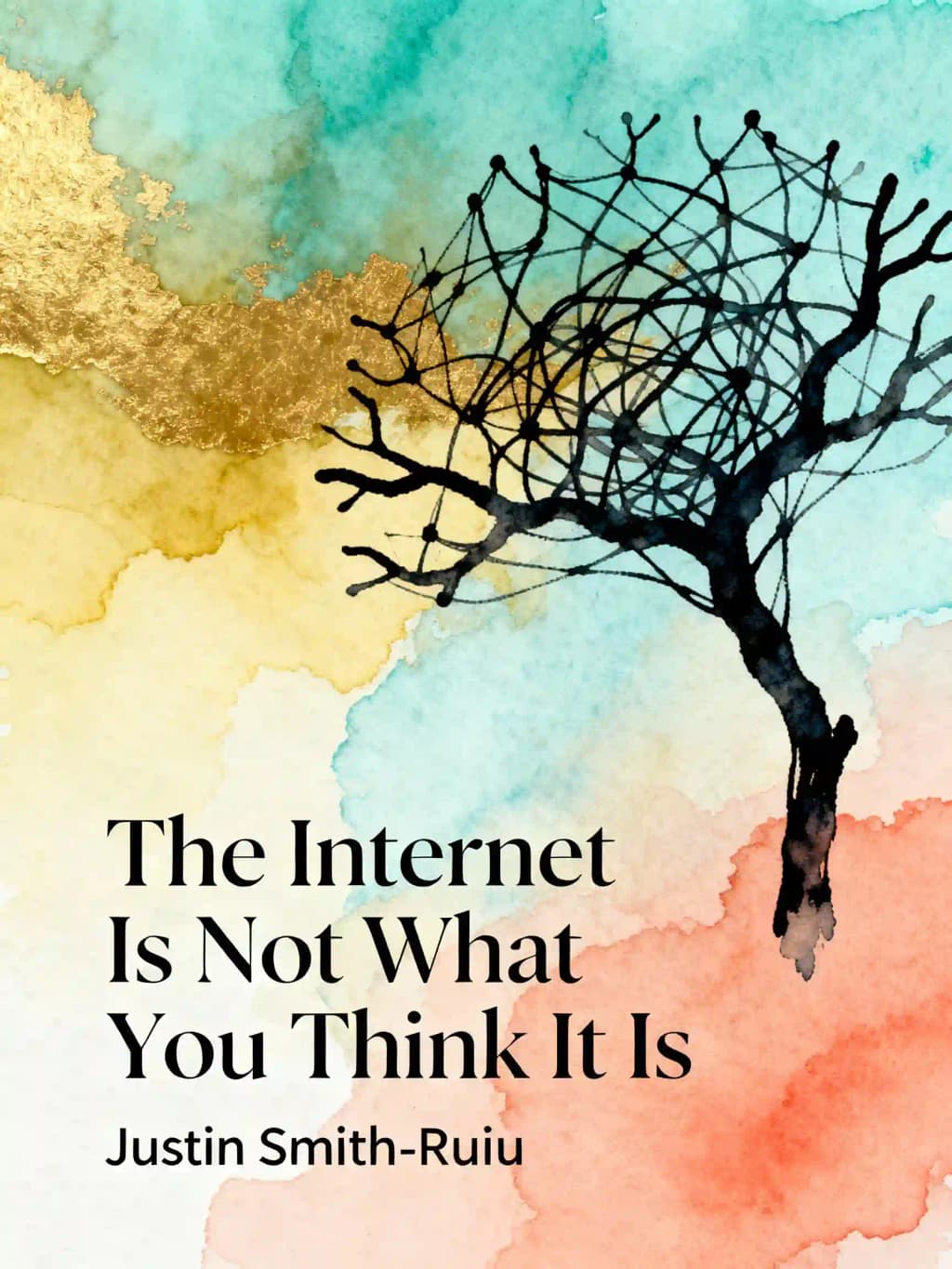
Beyond technology critique, Smith's philosophical journey reveals the internet's ancient roots in nature itself. Praised in Kirkus Reviews' Best Books, this warning connects digital networks to tree communication and sperm whale "wifi" - challenging everything we thought we knew about our connected world.
Ressentez le livre à travers la voix de l'auteur
Transformez les connaissances en idées captivantes et riches en exemples
Capturez les idées clés en un éclair pour un apprentissage rapide
Profitez du livre de manière ludique et engageante
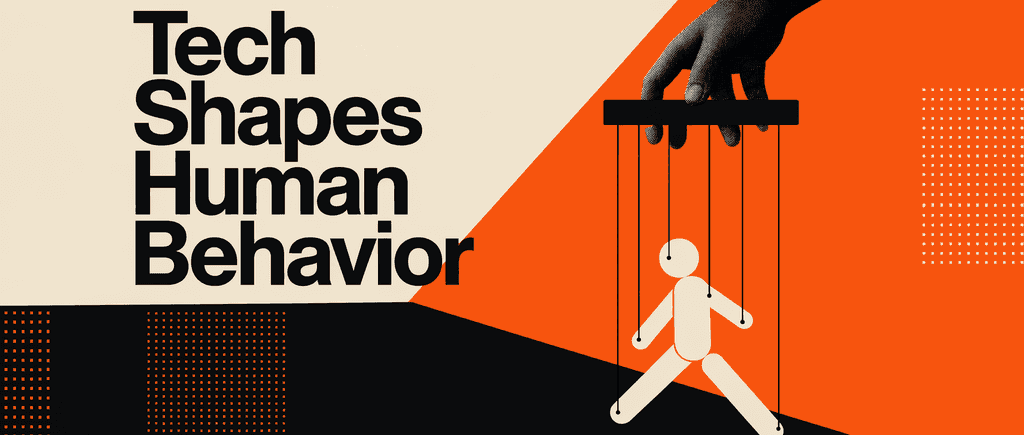
A startling fact: the world's most valuable companies no longer mine oil or manufacture cars-they harvest human attention. Meta, Google, and TikTok have built trillion-dollar empires on something far more intimate than natural resources: the fleeting focus of billions of users. We've become what one might call "data-cows," valuable not for our labor but for the endless stream of information we produce about our identities, behaviors, and desires. Every click, scroll, and pause becomes a data point more valuable than traditional commodities ever were. This extraction operates through a peculiar alchemy-appealing to passion rather than reason, triggering dopamine-fueled responses that keep us scrolling long after we intended to stop. The result? A widespread "crisis of attention" where the average person switches tasks every 40 seconds and checks their phone hundreds of times daily. We've entered an era of "affective condensation," where our passions, frustrations, and responsibilities concentrate into a single glowing rectangle. Most disturbingly, the boundary between advertisement and content has dissolved entirely. Unlike newspapers that couldn't monitor their readers, today's platforms read us as we read them, making every interaction a potential marketing opportunity. Success increasingly means presenting yourself as an attention-grabbing brand, with personal identity becoming inseparable from marketable content.
Décomposez les idées clés de The Internet Is Not What You Think It Is en points faciles à comprendre pour découvrir comment les équipes innovantes créent, collaborent et grandissent.
Condensez The Internet Is Not What You Think It Is en indices de mémoire rapides mettant en évidence les principes clés de franchise, de travail d'équipe et de résilience créative.

Découvrez The Internet Is Not What You Think It Is à travers des récits vivants qui transforment les leçons d'innovation en moments mémorables et applicables.
Posez n'importe quelle question, choisissez la voix et co-créez des idées qui résonnent vraiment avec vous.

Cree par des anciens de Columbia University a San Francisco
"Instead of endless scrolling, I just hit play on BeFreed. It saves me so much time."
"I never knew where to start with nonfiction—BeFreed’s book lists turned into podcasts gave me a clear path."
"Perfect balance between learning and entertainment. Finished ‘Thinking, Fast and Slow’ on my commute this week."
"Crazy how much I learned while walking the dog. BeFreed = small habits → big gains."
"Reading used to feel like a chore. Now it’s just part of my lifestyle."
"Feels effortless compared to reading. I’ve finished 6 books this month already."
"BeFreed turned my guilty doomscrolling into something that feels productive and inspiring."
"BeFreed turned my commute into learning time. 20-min podcasts are perfect for finishing books I never had time for."
"BeFreed replaced my podcast queue. Imagine Spotify for books — that’s it. 🙌"
"It is great for me to learn something from the book without reading it."
"The themed book list podcasts help me connect ideas across authors—like a guided audio journey."
"Makes me feel smarter every time before going to work"
Cree par des anciens de Columbia University a San Francisco

Obtenez le resume de The Internet Is Not What You Think It Is en PDF ou EPUB gratuit. Imprimez-le ou lisez-le hors ligne a tout moment.