Chapitre 1
Unveiling the Ancient Wisdom of Personality Types
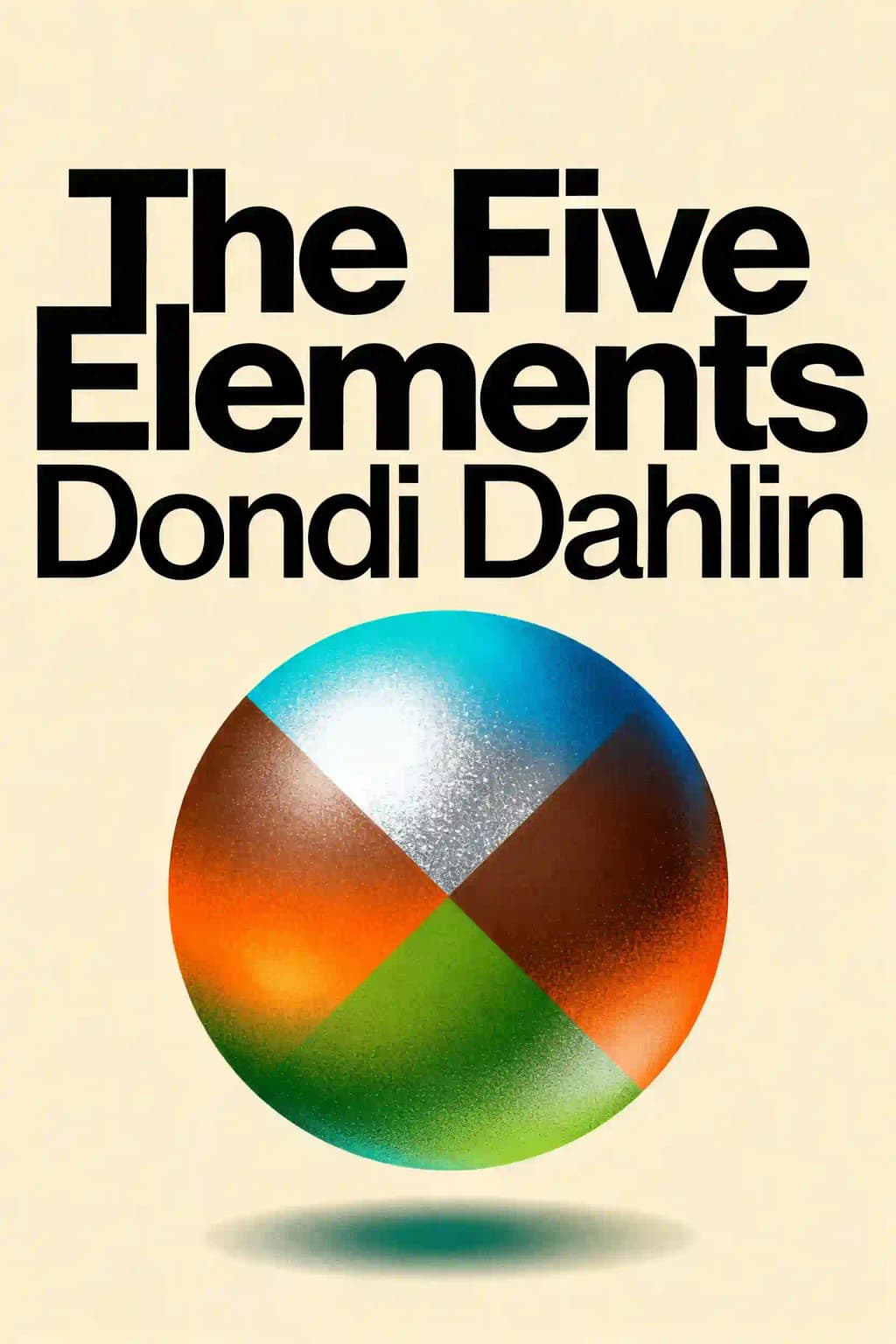
Have you ever wondered why some people seem to effortlessly understand you, while others leave you feeling completely misunderstood? What if there was an ancient system that could decode these differences, transforming frustrating relationships into harmonious ones? Dondi Dahlin's "The Five Elements" offers precisely this wisdom-a 2,000-year-old Chinese framework that has guided understanding of human behavior since before modern psychology existed. This system has gained quiet popularity among celebrities and thought leaders, with figures like Oprah Winfrey and Deepak Chopra incorporating elements of this wisdom into their work. As mental health awareness grows globally, this ancient personality system provides a refreshingly compassionate alternative to pathologizing differences, helping us see that what makes us different isn't wrong-it's essential to our authentic nature.
Chapitre 2
The Five Elements: A Map to Understanding Human Nature
The Five Elements system originated in ancient China 4,000-5,000 years ago, documented in the 2,000-year-old medical text The Inner Canon. This profound framework proposes that human behavior, emotions, and health are influenced by universal forces represented by Water, Wood, Fire, Earth, and Metal. Each element corresponds to specific organs, emotions, and seasons, creating a comprehensive map of human personality. For instance, Water connects to the kidneys and bladder, fear and wisdom, and winter; while Wood links to the liver and gallbladder, anger and vision, and spring.
J.R. Worsley introduced Five Element acupuncture to the West in the 1950s, teaching that each person is born with an elemental imbalance affecting physical health and emotional development. Through careful observation of thousands of patients, he discovered that addressing this core imbalance could resolve seemingly unrelated physical and emotional issues. Despite Chairman Mao's attempts to suppress this individualistic wisdom during his reign-fearing it could empower people to challenge his authority-the system survived through brave Chinese citizens and Western practitioners who preserved these teachings through underground networks and oral traditions.
Unlike modern personality tests that often feel like putting people in boxes, the Five Elements system illuminates why we behave as we do, especially under stress. Waters become withdrawn and depressed, seeking solitude to process their emotions. Woods grow angry and aggressive, pushing against obstacles with increasing force. Fires seek distraction through activity, becoming scattered and anxious. Earths need supportive relationships, often becoming worried and overly concerned with others. Metals detach emotionally, retreating into rigid patterns and perfectionism. Understanding these patterns cultivates genuine compassion, helping us move beyond judgment to true understanding.
The beauty of this system lies in its practicality and depth of application. When you understand someone's elemental makeup, you can anticipate their needs, communicate more effectively, and appreciate differences rather than being frustrated by them. For example, a Wood person needs direct communication and clear boundaries, while an Earth type responds better to gentle, nurturing approaches. In the workplace, Water types excel at deep analysis and independent projects, while Fire types thrive in social, collaborative environments. Metal individuals often make excellent editors and quality control managers due to their attention to detail and high standards. Instead of taking behaviors personally, you recognize them as natural expressions of someone's elemental nature, allowing for more harmonious interactions. This perspective shift transforms relationships, workplace dynamics, and even your relationship with yourself by providing a framework for understanding and working with natural tendencies rather than against them.
Chapitre 3
Waters: The Philosophical Dreamers
Waters are the deep thinkers of the Five Elements world-philosophical souls who search for meaning in everything they encounter. Imagine sitting in a cafe with a Water friend who becomes completely absorbed in discussing the symbolism in a film while their coffee grows cold. They're not being deliberately slow; they're simply living in their natural rhythm, one that prioritizes depth over speed.
Waters move through life at an unhurried pace, preferring profound conversations to small talk. They notice details others miss, speak poetically about experiences, and engage deeply with intellectual topics. Like loggerhead turtles that migrate thousands of miles only to return to their birthplace, Waters feel a magnetic pull toward origins and history. When meeting new people, they eagerly inquire about birthplaces and childhood stories, making sense of the present by understanding the past.
Physically, Waters often appear somewhat disheveled, prioritizing comfort over fashion. Many have soft bodies lacking muscle tone, whether thin or carrying extra weight. They move with a distinctive swagger or slow stroll, often stopping unexpectedly and holding up crowds without realizing it. Their kidneys and bladder need plenty of hydration-calculated by dividing body weight in pounds by two to determine daily ounces needed.
Waters come in two distinct types. The philosopher archetype represents the first type-deep thinkers who constantly seek meaning, preferring reading, writing, and solitary contemplation over crowds. The second type embodies the wonderment and playfulness of a new baby-cuddly, giggly, and childlike in their eagerness. These Waters maintain a sweet naivete, following curiosity with spontaneity and lightheartedness. Their creativity produces brilliant, unique ideas, but they struggle with follow-through and implementation.
Under stress, Waters retreat inward, becoming lost in their own mental landscapes. This tendency can lead to isolation, missed appointments, and procrastination. Their greatest challenge is not getting stuck in their heads-they need physical movement and social connection to prevent depression. Simple energizing techniques include stretching, laughing, and socializing with Fire types who naturally pull them out of darker moods.
Waters excel at solitude but must guard against social isolation. They need personal space that feels safe, even if it's messy and filled with random objects, to support their contemplative nature. When balanced, Waters produce profound creative work that inspires others with its depth and wisdom. Their natural gifts include patience, attention to detail, and profound creativity-many influential artists, writers, and musicians embody the Water element's depth.
Chapitre 4
Woods: The Determined Achievers
Woods are fearless, determined individuals who embody the explosive growth of spring. Like tree roots pushing through concrete, they lead with unbreakable will, seeing the bigger picture and making changes happen through sheer force of determination. They thrive under pressure, seeing challenges as opportunities to excel rather than reasons to retreat.
When balanced, Woods make excellent coaches and advocates who will always "have your back." They value personal responsibility, hard work, and honesty above all else. Though impatient with bureaucracy and wasted time, Woods remain fiercely loyal to their commitments and refuse to leave projects unfinished. Once they make a decision, they remain unmovable-when they say they're done, they truly mean it.
Woods speak their truth without filters, valuing honesty over politeness. Their moral compass drives them to fight injustice and support underdogs, though they can be inflexible once their minds are made up. They crave control and independence, becoming uncomfortable when situations confine them.
In Chinese medicine, the Wood personality is governed by the liver and gallbladder, with anger as their primary emotion. While other elements experience fear, Woods bypass fear and move directly to irritation. When balanced, this anger fuels their determination; unbalanced, it poisons relationships. Woods benefit from physical movement, distractions, and accepting that they cannot control everything.
Wood women face unique challenges as their power and directness often conflict with societal expectations of femininity. Throughout history, pioneering Wood women like Mary Wollstonecraft, Susan B. Anthony, and Rosa Parks were persecuted for their outspoken advocacy. While society respects assertiveness in men, Wood women are often labeled troublemakers for displaying the same traits.
Physically, Wood types typically have stocky, solid builds with broad shoulders. They build muscle easily and walk with determined strides. When physically imbalanced, they may experience muscle spasms, side headaches, vision problems, stiff joints, and autoimmune diseases. Their liver and gallbladder perform over 500 functions including blood cleaning, immune regulation, and nutrient distribution. Woods especially need whole foods and should limit alcohol and drugs to maintain physical balance.
Woods excel at martial arts, weight training, and rhythmic dance styles, but critically need flexibility exercises to move lymphatic fluid and lubricate muscles. Yoga, stretching, and walking help Woods stay physically and mentally flexible. Unfortunately, slower practices like yoga and meditation often feel pointless to impatient Woods who don't believe they need personal growth-yet these calming practices are precisely what would bring them balance.
Chapitre 5
Fires: The Joyful Connectors
Fire personalities are carefree spirits who live fully in the present moment, transforming ordinary experiences into celebrations. They're drawn to pleasure, people, and fun, with a contagious positive energy that draws others to them. Unlike other elements who may dwell in the past or future, Fires truly inhabit the now with an enthusiasm that's impossible to ignore.
Fires naturally become the center of attention through their charm and enthusiasm. They're rarely embarrassed, don't worry about others' opinions, and bring fun to any environment. As performers and entertainers, they shine with natural charisma that captivates audiences-think of Tom Cruise's exuberant couch-jumping on Oprah, Gene Kelly's joyful dancing even while running a fever, or Robin Williams' dedication to making people laugh.
These vibrant personalities are natural cheerleaders who feel fulfilled when bringing joy to others. Rather than sitting with someone in their sorrow (as an Earth might), they'll suggest distractions and activities to lift spirits-movies, dancing, ice cream-anything to create happiness. Their approach to problems is refreshingly direct: "Why be sad when you could be having fun instead?"
However, Fires often lose themselves in the moment, especially in stimulating environments. They lack analytical discernment, responding quickly to others' energies and following what feels good right now. This can make them seem fickle or untrustworthy when their true feelings emerge later. Conversations with Fires feel like racquetball-fast-paced, bouncing everywhere, fun but sometimes leaving unintentional hurt feelings.
According to traditional Chinese medicine, Fires are governed by four body systems: the heart, pericardium, triple warmer, and small intestine. While Fires have huge hearts that embrace everyone, when this heart energy becomes imbalanced, they often experience panic over seemingly small issues. This manifests as sweaty palms, rapid heartbeat, fluctuating blood pressure, and catastrophic thinking. Being completely present-focused makes it difficult for Fires to see beyond current problems.
Fire-dominant types typically appear slim, athletic and fit due to their high energy expenditure. They move with a distinctive bounce and lightness, easily distracted by attractive sights. Many Fires have curly, frizzy or flyaway hair resembling flames, and their clothing choices range from practical workout clothes to colorful, blingy outfits that bring them joy.
Fires excel at high-energy exercises like Zumba, bicycling, jogging, and team sports. Though they typically lack patience for slower activities like yoga or leisurely walks, these calming movements can actually help balance their scattered energy. Even the Energizer Bunny needs a break-Fires must learn to incorporate calming techniques throughout their day and schedule less feverishly to maintain their dynamic energy.
Chapitre 6
Earths: The Compassionate Nurturers
Earths embody comfort and nurturing, like a cup of hot cocoa by a warm fireplace or homemade pie on a summer evening. They excel at creating comfort both for themselves and others, surrounding themselves with friends and family while cooking scrumptious meals and caring for those around them. Their excellent listening skills often place them in the middle of interpersonal conflicts, where they honor all perspectives but may appear wishy-washy due to their reluctance to embarrass anyone.
Earth people make everyone feel loved and accepted without judgment, believing love can heal the world. They excel as teachers, caring parents, and caretakers who make everyone feel special. As workers, they're dependable collaborators rather than workaholics, taking pride in being trustworthy and allowing others to relax.
For Earths, life revolves around connections with people. They typically have children, but when they don't, they channel their nurturing energy into animals or teaching. Like Mister Rogers, they want to bring people together as loving neighbors. Earths excel as elementary school teachers where love is pure and conflicts are easily resolved. The people of Fiji exemplify Earth energy with their legendary hospitality and generosity despite material poverty.
Earths naturally gravitate toward those requiring help, often creating imbalanced relationships. Though they generously give compassion to others, they struggle to direct that same care toward themselves. They resist asking for help, feeling they'd burden others, and often suspend their own needs while prioritizing others' wellbeing. At their core, Earths believe giving to others matters more than receiving nurturing themselves.
In Chinese medicine, Earths are governed by stomach and spleen, with worry as their dominant emotion. They resist change more than any element, ruminating on decisions and feelings, unable to move forward for fear of hurting others. This worry becomes paralyzing, circling endlessly and preventing productivity. In leadership positions, this tendency creates debilitating indecision.
Earth types typically have round, soft bodies with a distinctive swaying, meandering walk. They prefer comfortable, natural fabrics that feel good against their skin. Their deep love of food, especially sweets and carbohydrates, connects to their governing organs. Unlike others who might quickly consume treats, Earths often hoard food, creating secret stashes to enjoy slowly. Their tendency to overeat stems from using food as a substitute for unconditional love.
Earths thrive with rhythmic, moderately-paced movement rather than regimented exercise. They're drawn to music-based activities that feel "earthy"-like Nia, African dance, belly dance, and partner dances including swing, salsa, and tango. Group activities like square dancing and line dancing also appeal to their social nature. Like Waters, Earths naturally avoid exercise, preferring to socialize and enjoy food with friends, making movement with companions the key to consistent exercise.
Chapitre 7
Metals: The Refined Perfectionists
Metals embody the essence of autumn-tall, solitary, and focused on letting go of what's no longer needed. Like the Eiffel Tower or a bare tree in late fall, they stand apart from their surroundings with a distinct presence. They possess an orderly, stoic nature and pursue perfection and purity in all aspects of life.
Guided by high values and spiritual awareness, Metals often seem more enlightened than others. They rarely display emotions openly, instead maintaining a mindful consciousness free from unnecessary thoughts or attachments. As the final element in the Five Elements wheel, Metal represents endings and completion. Their energy reflects people in deep reflection, working to finish earthly business before achieving spiritual transcendence.
Metals maintain composure and detachment in their relationships. They avoid drama and conflict, maintaining a calm demeanor even while experiencing an underlying sorrow that differs from Water's obvious sadness. Switzerland exemplifies Metal qualities nationally-neutral, composed, and focused on mediating conflicts rather than participating in them.
Metals thrive on structure, schedules, and rules. Like the monotonous economics teacher from Ferris Bueller's Day Off, they often speak mechanically, valuing information over entertainment, delivering content with little emotional variation. Their communication style honors protocol and excellence but can lack engagement, as they focus on substance rather than delivery.
In traditional Chinese medicine, Metals' governing organs are the lungs and large intestine, with grief as their primary emotion. They often seek spiritual enlightenment through release and surrender-letting go being their greatest lesson. When facing loss, Metals often rise above obvious trauma, finding value beneath surface pain.
Metals typically appear tall and svelte with high cheekbones and sculpted facial features. They move slowly and smoothly, as if floating slightly above the earth. Their posture often seems stiff or inhibited, suggesting discomfort in their own skin. Metals prefer simple clothing in muted colors, often white, and soft fabrics like silk or brushed linen-avoiding anything too heavy, mirroring their emotional preferences.
Metals excel at slow, smooth movements like Tai Chi and yoga, but need to push beyond their comfort zone with exercises that raise their heart rate for better circulation and deeper breathing. Unlike other elements, Metals generally avoid team sports and competitive activities, preferring solitary exercises that become meditative experiences.
Metals often seek spiritual development through retreats or pilgrimages, particularly drawn to places like India to "find themselves." They pursue transcendence, bliss, and oneness beyond ego and fear. When balanced, Metals inspire others with their sublime connection to the divine, making people feel honored and uplifted. Barack Obama exemplifies Metal qualities through his stillness, dignity, and eyes that search beyond the commonplace.
Chapitre 8
Understanding Elemental Relationships
While we all have a dominant element, we're also influenced by secondary and tertiary elements. These combinations provide insight into our relationships, work, and worldview. People typically "lead" with one element in most interactions, but may express another strong element in different contexts. Understanding the ebb and flow of elemental energies generates compassion rather than pigeonholing people.
Elements on each other's "flow cycles" typically combine well and create smooth relationships. Water supports Wood by providing inspirational ideas while Wood implements them. Wood supports Fire through their shared chemistry and energy. Fire supports Earth through warmth and motivation. Earth supports Metal through nurturing and compassion. Metal supports Water through wisdom and completion.
When elements are on each other's "control cycle," relationships become challenging. Waters and Fires are near opposites-Fire eventually feels dampened by Water and seeks social interaction elsewhere. Fires and Metals see the world differently-Fire is heart-centered and emotional, while Metal rarely displays emotion. Metals and Woods often clash through power plays. Woods can overwhelm sensitive Earths with pressure. Earths and Waters can create "muddy" relationships when Earth caters too much to Water's indecisiveness.
Same-element relationships are uncommon but create interesting dynamics. Two Waters create deep, philosophical relationships full of ideas but lacking implementation. Two Woods work productively together but may create an all-work, no-play dynamic. Two Fires create spectacular fun but neglect practical matters. Two Earths nurture each other beautifully but may overlook responsibilities. Two Metals exude regal elegance but risk becoming too formal and detached.
Chapitre 9
The Five Elements for Children
Children experience the Five Elements differently than adults. While adults typically remain in their primary element most of the time, young children cycle through all five elements multiple times daily as they explore the world without filters. Before age seven, children are still finding their elemental nature, making it difficult to identify their primary element. After seven, they begin grounding in their primary element, with secondary elements emerging.
Water children are shy, creative dreamers who live beneath the surface in a world of fantasy. They're wise but timid, with incredible imaginations and creative minds. Fear is their ruling emotion, which can lead to withdrawal and difficulty expressing themselves. They need quiet sanctuary spaces, consistent praise, established routines, and encouragement to find their voice.
Wood children burst forth with assertive energy, challenging authority and pushing boundaries. They're natural leaders who become captains of teams and clubs, driving themselves harder after setbacks rather than losing confidence. Their ruling emotion is anger, which needs constructive outlets to prevent destructive outbursts. They need responsibilities with clear guidelines, acknowledgment of their competitive nature, and physical activities like martial arts.
Fire children express outwardly, love outdoor play, and hate being cooped up. They're naturally funny with exaggerated expressions, short attention spans, and unpredictable emotions. Their charismatic spirits enliven everyday reality with joy and magic, though they need help with focus, routine, and resisting peer pressure. They benefit from drama classes, regular meals, and calm guidance during emotional moments.
Earth children amble slowly through life with a compassionate, caring nature. They put others' needs before their own, make friends easily, and treasure community and family. Their worry often manifests physically as stomach discomfort. They need important household jobs, encouragement to take risks beyond their comfort zones, and help identifying their own emotions separate from others'.
Metal children are intellectually gifted, excel academically, and meticulously complete projects with exceptional attention to detail. As natural scientists, they concentrate seriously on their work, solve puzzles, and transform ideas into goals. They need consistent structure and boundaries, balance between computer time and outdoor activities, and encouragement to embrace playfulness through humor and silliness.
Chapitre 10
Embracing Your Elemental Nature
The Five Elements system offers a profound framework for understanding yourself and others with greater compassion. Rather than seeing differences as flaws, this ancient wisdom helps us recognize that each element brings essential qualities to the world. Waters provide depth, intuition, and creative flow, expressing themselves through artistic endeavors and deep philosophical thinking. Woods demonstrate leadership, determination, and strategic vision, excelling in goal-setting and pioneering new paths. Fires bring joy, enthusiasm, and social connection, lighting up rooms with their charismatic energy and ability to inspire others. Earths offer nurturing, stability, and compassion, creating safe spaces and maintaining harmony in groups. Metals contribute refinement, precision, and wisdom, bringing structure and elegant solutions to complex problems.
By understanding your elemental nature, you can work with your natural tendencies rather than against them. For instance, a Water person might honor their need for solitude and reflection rather than forcing themselves to be constantly social. A Fire individual can channel their enthusiasm into meaningful projects instead of suppressing their natural exuberance. You can recognize when you're out of balance and take specific steps to restore harmony - like an Earth person setting boundaries when they've given too much, or a Metal person softening their perfectionism with self-compassion. These adjustments become easier when you understand they're not character flaws but natural expressions of your element seeking balance.
In a world increasingly focused on conformity, the Five Elements remind us that our differences aren't flaws to be corrected but essential aspects of our authentic selves. Each element plays a vital role in the greater whole: Waters bring depth to shallow conversations, Woods push through obstacles that stop others, Fires connect people who might otherwise remain strangers, Earths maintain the foundations of community, and Metals refine systems to their highest potential. By embracing this ancient wisdom, we can create relationships, workplaces, and communities that honor these unique contributions, allowing everyone to thrive in their natural rhythm.
Understanding the elements also helps navigate relationships more skillfully. A Wood-Metal partnership might learn to appreciate how their differences create perfect balance - the Wood's vision complemented by the Metal's attention to detail. Fire-Water friendships can discover how their opposing energies create dynamic growth opportunities. This wisdom extends to parenting, where understanding a child's elemental nature helps provide the specific support and guidance they need to flourish.