Chapitre 1
The Energy Crisis Beneath Our Modern Exhaustion
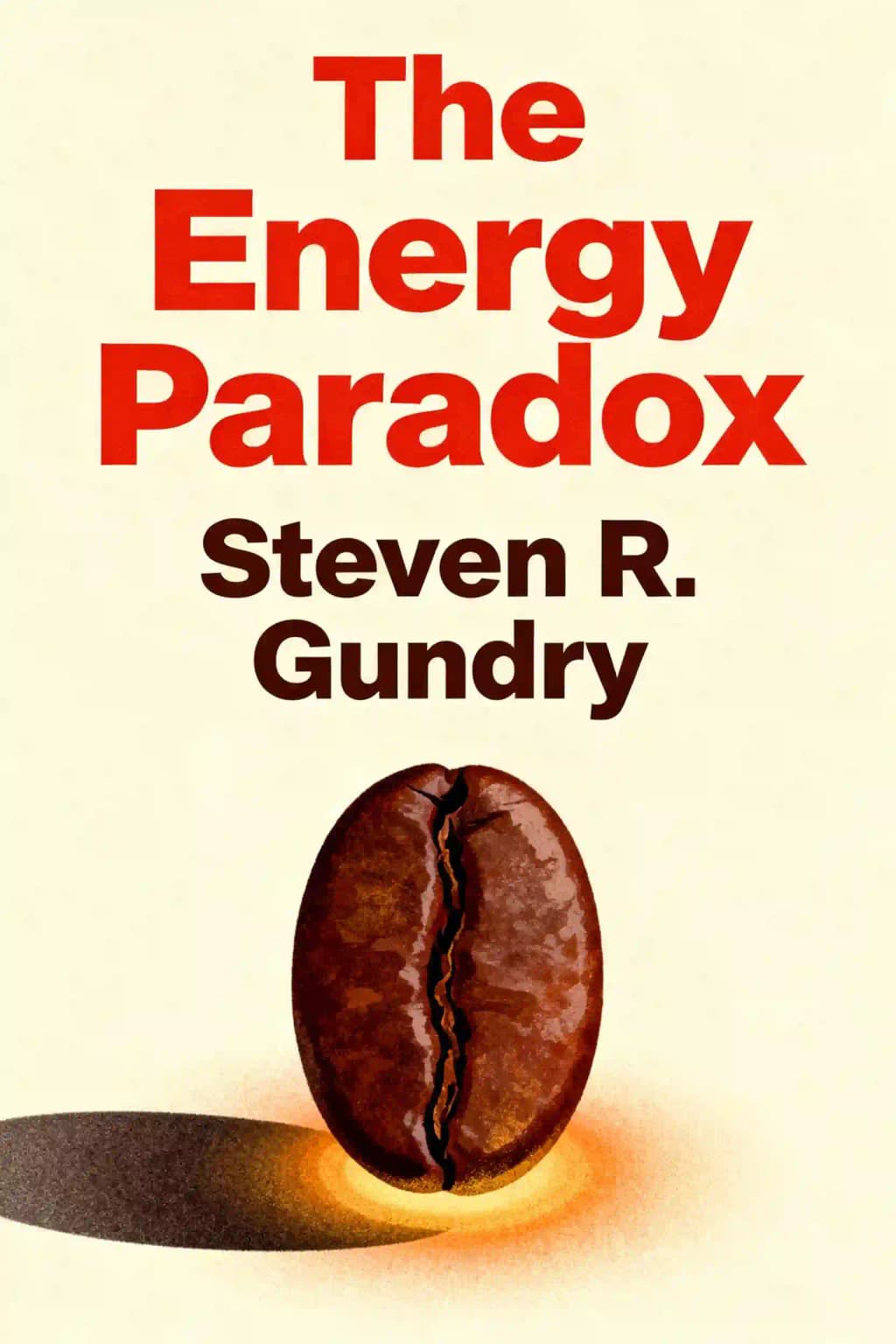
Are you constantly tired despite getting enough sleep? Do you find yourself reaching for that third cup of coffee before noon, wondering why your energy levels never seem to match your ambitions? You're not alone. In his groundbreaking book "The Energy Paradox," renowned cardiologist Dr. Steven Gundry reveals that chronic fatigue isn't just a normal part of modern life-it's a symptom of a deeper cellular energy crisis affecting millions. This book has become a favorite among health-conscious celebrities like Kelly Clarkson and Gwyneth Paltrow, who have incorporated its principles into their wellness routines. With over 200,000 copies sold in its first year, Gundry's work challenges conventional wisdom about energy production in a way that's revolutionizing how functional medicine practitioners approach fatigue.
Chapitre 2
The Hidden Energy Crisis: Why We're Overfed Yet Underpowered
The central paradox of our time is that despite consuming more calories than ever before while living less physically demanding lives, we're experiencing an epidemic of exhaustion. This isn't just about feeling tired-it's a fundamental breakdown in our cellular energy production systems.
When Constance, a forty-something working mother, came to Dr. Gundry complaining of constant exhaustion despite reassurances from doctors that this was "normal," his bloodwork revealed elevated inflammation markers. Her body was literally on fire! While we've normalized chronic fatigue as an inevitable part of modern life, masking it with caffeine, sugar, and concealer while telling ourselves to "suck it up," this persistent tiredness isn't the natural price of being busy or getting older.
Despite being in his seventies with a packed six-day work schedule, Gundry maintains robust energy-proof that fatigue isn't inevitable. We're designed for sustained energy during active days and sound sleep at night. Having helped hundreds of thousands reboot their energy systems, he firmly rejects the myth that fatigue is normal.
The glaring paradox is that despite consuming more energy-laden fuel than ever before while living less physically demanding lives than our ancestors, we're feeling increasingly energy-deprived. Modern medicine largely ignores everyday tiredness because it's difficult to measure and quantify compared to blood pressure or cholesterol, and without a pill to prescribe, many doctors simply don't address it.
Our competitive culture and lack of safety nets force many to push through fatigue with a stiff upper lip. When everyone else appears energetic and happy on social media, admitting exhaustion feels shameful. But tiredness isn't "all in your head"-it starts in your gut, where inflammation and microbiome changes drive what Gundry calls "get-up-and-gone" (GUAG). This phenomenon ranges from mild persistent tiredness to unpredictable energy crashes to complete exhaustion, often accompanied by digestive issues, hair thinning, allergies, stiffness, low libido, headaches, sleep disruption, and other seemingly unrelated symptoms.
The solution lies in understanding the equation E = M2C2-energy depends on your microbiome, mitochondria, and chrono consumption (time-controlled eating). By addressing these three fundamental factors, we can reclaim our natural vitality and end the cycle of fatigue.
Chapitre 3
Inflammation: The Energy Thief Within
Inflammation is the body's natural response to threats, but when it becomes chronic and low-grade, it transforms into an energy vampire that's stealing your vitality around the clock.
Producing inflammation consumes enormous amounts of energy-explaining why sedentary desk workers burn as many calories as active hunter-gatherers. Cytokines, the chemical messengers of inflammation, have "executive privilege" over energy distribution, prioritizing immune defense at the expense of your daily needs. Even subtle increases in inflammation can cause persistent fatigue.
The inflammatory process begins with what Gundry calls the "Three Ls": leaky gut, lectins, and lipopolysaccharides (LPSs). Leaky gut occurs when microscopic holes develop in our intestinal lining due to processed foods, certain plants, pesticides, and pharmaceuticals. These holes allow bacteria and harmful molecules to escape into the bloodstream. Since 70-80% of our immune system resides in the gut wall, leaky gut inevitably triggers inflammation.
Lectins-plant defense proteins found in grains, legumes, nightshades, and out-of-season fruits-create holes in predators' gut walls and trigger immune responses when they enter the bloodstream. LPSs are bacterial cell wall fragments that can cross the gut barrier and provoke immune attacks throughout the body, especially in the liver. They can even "piggyback" on saturated fat transport molecules called chylomicrons to enter circulation, explaining why Western diets high in saturated fat are so inflammatory.
When your immune system detects these invaders, pro-inflammatory cytokines flood your bloodstream, triggering mucus production and mobilizing white blood cells. During this process, your body deliberately redistributes energy-making your muscles ache to prevent movement and causing brain fog to discourage mental exertion. This energy rationing ensures maximum resources go to immune cells fighting the battle.
Normally, after defeating pathogens, anti-inflammatory cytokines signal the all-clear, homeostasis returns, and energy distribution normalizes. However, in chronic inflammation, this battle never ends-the fatigue, torpor and brain fog persist indefinitely, becoming your "new normal." Inflammation also physically constricts blood vessels, restricting oxygen flow to cells and creating an energy bottleneck.
Think about how you feel when fighting a cold-the fatigue isn't just from the virus but from your body's inflammatory response. Now imagine that response running at a lower level continuously, and you'll understand why so many people feel perpetually exhausted despite adequate sleep and nutrition.
Chapitre 4
Your Gut Microbiome: The Foundation of Energy Production
Our food has been nutritionally depleted for over 85 years due to modern agricultural practices that have degraded soil quality. This external ecological crisis mirrors what's happening inside our bodies-the degradation of our internal microbiome is similarly depleting our energy and health.
Far from being just a hollow digestive tube, our gastrointestinal system houses a thriving universe of microorganisms forming our holobiome. This five-pound "virtual organ" functions as a "cloud computer," constantly processing environmental data and communicating with our cells. With ten thousand distinct bacterial species alone, this ecosystem vastly exceeds our human genome in size and activity.
The majority of these microbes-up to 70 percent-inhabit our intestines, particularly the colon, forming an intricate ecosystem more complex than even the most profuse rainforest. When healthy, beneficial gut buddies occupy most of the gut wall real estate, keeping potentially harmful microbes in check through a delicate balance that requires proper nourishment and care.
Our relationship with gut microbes began billions of years ago when certain bacteria were engulfed by other organisms, eventually becoming mitochondria-the foundation of all plant and animal life. Later, anaerobic bacteria found sanctuary in our oxygen-free colons, establishing a symbiotic relationship that benefits both parties.
These microbes break down plant fibers our enzymes can't digest, extract energy from food, manufacture vitamins (K2, folate, B12), increase mineral absorption, regulate hormone production, help break down pollutants, and reclaim protein from sloughed cells. Most impressively, they produce postbiotics-signaling compounds that influence everything from hormone levels and appetite to brain function and mood. These microbial messages even control genetic expression, with such complexity that tracking their activity requires supercomputer processing power.
Short-chain fatty acids (SCFAs) are the most important postbiotics for energy production. Butyrate, the most crucial SCFA, contributes about 10% to your system-wide energy and serves as the primary fuel source for colon cells. Beyond energy, butyrate sends anti-inflammatory signals to intestinal macrophages, preventing them from attacking friendly bacteria, and helps regulate cell growth to prevent colon cancer.
Butyrate not consumed by gut cells travels through your bloodstream to all cells, attaching to cellular membranes to deliver critical information. It even reaches mitochondrial membranes, signaling energy factories to keep production running smoothly. Without these reassuring postbiotic messages, your body senses potential danger and throttles back energy production-similar to how you'd slow down when seeing a warning light on your car's dashboard.
Intestinal gases are another crucial form of postbiotic messengers. While nitrogen and carbon dioxide come primarily from swallowed air, bacterial fermentation produces hydrogen, methane, and hydrogen sulfide-all functioning as gasotransmitters that signal various bodily functions. These gases form a sophisticated chemical language that communicates with your DNA and cells.
When the gut microbiome becomes imbalanced-through poor nutrition, antibiotics, or exposure to environmental toxins-this entire communication system breaks down, leading to energy depletion, inflammation, and accelerated aging.
Chapitre 5
Mitochondria: Your Cellular Power Plants in Crisis
The core of our energy crisis lies in a fundamental paradox: we're overfed yet underpowered. Our four quadrillion mitochondria-the cellular energy factories-are bombarded with too much inferior fuel while lacking the raw materials they need. This mismatch leads not only to fatigue but underlies numerous modern diseases including heart disease, diabetes, cancer, and neurodegenerative conditions.
Mitochondria are tiny rod-shaped organelles residing by the thousands inside our cells, especially abundant in energy-demanding tissues like muscles, brain, heart, and liver. Despite their small size, they perform the Herculean task of converting food into ATP-the energy currency our cells can use. An average-sized person produces around 140 pounds of ATP daily from just 3.5 pounds of food-a remarkable return on investment that powers all bodily functions.
Mitochondria possess remarkable metabolic flexibility-the ability to process different fuel sources: glucose from carbohydrates, amino acids from proteins, or fatty acids and ketones from fats. Unlike car engines restricted to specific fuels, mitochondria can switch between these energy sources seamlessly.
Our digestion processes these fuels in a specific order. Simple carbohydrates break down fastest, followed by proteins (which must be converted to amino acids), while fats typically arrive last after taking a circuitous route through the lymph system. In whole, unprocessed foods, this staggered delivery prevents mitochondria from becoming overwhelmed.
Modern diets have undermined our mitochondrial flexibility. Today's "food-like food" arrives predigested-stripped of fiber and engineered for hyper-absorption, causing all fuel sources to hit the bloodstream simultaneously. This creates mitochondrial gridlock.
Fructose compounds the problem-unlike glucose, it shoots directly to the liver where it's converted to fatty acids and released into the bloodstream. This means both fatty acids and glucose arrive at mitochondria simultaneously, jamming the assembly line since they require different processing methods.
Think of your mitochondria like Lucy and Ethel in the chocolate factory, desperately trying to process an overwhelming conveyor belt of food. When constantly overloaded, mitochondria shuttle excess calories into fat cells as a buffer. But these fat cells have limits-they can literally burst when overfilled, causing inflammation. To prevent this, mitochondria create ceramides to strengthen cell walls. Unfortunately, ceramides block insulin receptors, preventing cells from hearing insulin's "doorbell" to let in sugar and protein.
Your pancreas responds by producing more insulin, creating insulin resistance. Meanwhile, high insulin levels prevent fat cells from releasing stored fat for energy. The cruel paradox: you're simultaneously tired and overweight, with fuel everywhere but unable to access it. Your mitochondria's final desperate measure is "uncoupling"-letting some fuel pass through without making ATP, further reducing energy production while generating inflammation.
Beyond raw materials from food, mitochondria require specific conditions to produce energy efficiently. Your gut buddies send postbiotic messages-butyrate, hydrogen, hydrogen sulfide-that modulate mitochondrial function and even provide fuel in a pinch. Three other critical factors are often missing in modern life: full-spectrum light (which "excites" cellular water and controls ATP production), healthy membrane structures (particularly phospholipids like cardiolipin), and melatonin (the master mitochondrial-protecting hormone).
Chapitre 6
The Brain-Energy Connection: Why Mental Clarity Depends on Gut Health
When patients complain of fatigue and brain fog, doctors often dismiss it as "all in their head" after finding normal bloodwork. Ironically, they're partly right-the problem is indeed in the brain, which is suffering from inflammation and energy starvation.
The brain demands extraordinary energy-using about 20% of the body's ATP production, with a single neuron consuming 4.7 billion ATP molecules per second. This cognitive impairment isn't just inconvenient; it may signal early warning signs of more serious neurodegenerative conditions that now affect 10% of the population and are striking at younger ages.
The gut functions as a "second brain" with over 100 million neurons-more than in your entire spinal cord. This enteric nervous system communicates bidirectionally with your brain through the microbiota-gut-brain axis, influencing both digestion and cognition. Research now shows that gut issues can cause mood disorders rather than just the reverse-explaining why GI symptoms are common in autism and schizophrenia.
The vagus nerve serves as the critical "landline" in this axis, physically connecting these systems with bidirectional communication. This nerve detects gut disruption through specialized neuropod cells and signals the brain to trigger inflammation. Meanwhile, inflammatory cytokines from a leaky gut can breach the blood-brain barrier-a protective border with tight junctions similar to those in the intestine.
When inflammation signals reach the brain, specialized immune cells called microglia and supporting astrocytes shift from nurturing neurons to aggressively defending them. They prune back dendrites and axon sheaths, essentially cutting neurons off from supplies-a protective response that becomes disastrous when chronic inflammation persists.
Butyrate is a potent neuroprotector that improves memory and counters anxiety while stimulating new brain cell formation. Your brain also needs postbiotic gases-hydrogen rushes across the blood-brain barrier to protect mitochondria when neurons are under siege, while hydrogen sulfide has impressive brain-preserving properties.
Mental sharpness often diminishes when the brain loses insulin sensitivity and metabolic flexibility. Like other cells, neurons become resistant to insulin's actions, getting starved of glucose as insulin is blocked by ceramides. This creates an energy crisis in the brain, as neurons can't fuel their mitochondria properly. The concept of "type 3 diabetes" or "diabetes of the brain" refers to neurological decline from mild cognitive impairment to dementia, all predicated on insulin resistance in the brain.
To restore your brain's insulin sensitivity, you need to: reduce mitochondrial workload through timed eating, eliminate foods that spike blood sugar, add foods like walnuts and olive oil that inhibit ceramide production, and nourish your gut buddies that maintain insulin sensitivity. A well-fed neuron can grow new dendrites like a plant grows roots, but a starved one cannot-which is why all the brain games in the world can't compensate for poor metabolic health.
Chapitre 7
Chrono Consumption: The Timing Secret to Cellular Energy
Our bodies thrive on the right amount of perceived adversity, not constant comfort. While modern conveniences have made life easier, they've disconnected us from the natural challenges our cells and mitochondria require to function optimally. The key to reclaiming energy lies in "chrono consumption"-controlling when we eat rather than just what we eat.
This timing approach creates beneficial stress through hormesis, activating cellular repair mechanisms that boost energy production. By extending periods without food, we allow our bodies to enter a crucial fasted state where protective mechanisms kick in and the cellular energy system reprograms itself.
Our conventional nutritional wisdom may be entirely misguided. The long-standing advice of "three square meals plus two snacks" contradicts evolutionary patterns and scientific evidence. Our ancestors never had breakfast immediately upon waking-our hormonal systems are actually designed to function without morning food, as evidenced by the natural morning increase in cortisol and epinephrine that mobilizes glucose.
Similarly, the advice to eat small meals throughout the day to maintain stable blood sugar actually prevents metabolic flexibility, as demonstrated by studies where mice eating around the clock had shorter lifespans and couldn't switch between fuel sources. Even pre-workout protein bars and shakes are counterproductive-digestion diverts blood from muscles, and research shows athletes actually perform better in a fasted state, mimicking our ancestors who needed peak performance while hunting on an empty stomach.
Our bodies operate on internal clocks that respond to environmental cues, particularly light-dark cycles. The suprachiasmatic nucleus (SCN) serves as the master clock, but every cell has its own "peripheral clock" especially attuned to feeding-fasting cycles-even our microbiome has circadian rhythms. When we disrupt these natural patterns by eating throughout too many hours of the day, these clocks get the "wrong time" and fail to activate crucial energy pathways.
Studies of Muslims during Ramadan show that time-controlled eating suppresses cancer-promoting genes while activating protective ones that regulate insulin, metabolize fuels efficiently, and protect neurons. Dr. Satchin Panda's research demonstrated that reducing eating windows to 10 hours daily (with 14 hours of fasting) resets cellular clocks, improves energy, enhances sleep quality, sharpens thinking, and elevates mood.
The body's fuel-switching mechanism follows a natural schedule. After meals, glucose powers energy production with excess converted to glycogen and then fat. Approximately ten hours after eating, glucose stores deplete, triggering hormone-sensitive lipase to release stored fat as free fatty acids and glycerol. These circulate into cells (except brain cells) to fuel mitochondria. Around twelve hours post-meal, some fatty acids travel to the liver where they convert to ketones-the brain's preferred fuel during fasting.
When mitochondria successfully switch energy sources, metabolic flexibility improves. Ketones signal cells to reboot and rejuvenate, rising significantly after twelve hours without food. During fasting, cellular efficiency increases as mitochondrial protection processes activate, including antioxidant defenses against damaging ROS (mitohormesis). Mitochondrial replication (mitogenesis) and cellular cleanup (autophagy) also increase, reducing inflammation.
For optimal energy benefits, meals should be consumed within a window of no more than twelve hours daily, ideally narrowing to six to eight hours. This might mean eating between 10 a.m. and 6 p.m. or 7 a.m. and 3 p.m., allowing sixteen hours of fasting. The Energy Paradox Program introduces this gradually, reducing the eating window one hour at a time to prevent the energy crashes that often derail people starting intermittent fasting.
Chapitre 8
The Energy Paradox Eating Program: Fueling Your Cellular Engines
The Energy Paradox Program focuses on foods that feed your microbiome and mitochondria while avoiding those causing damage. This approach reduces inflammation, heals your gut, and boosts ATP production. The program also emphasizes when you eat through chrono consumption, improving metabolic flexibility and insulin sensitivity.
Built on three objectives-healing your roots, regenerating your soil, and ending mitochondrial gridlock-this program delivers quick improvements that motivate continued adherence. While it requires dietary changes, it's designed with flexibility for all eating preferences, whether vegetarian, carnivore, paleo, or vegan.
The Energy Paradox diet centers on foods in their natural form. Your plate will feature vegetables rich in prebiotic fiber, nuts, seeds, pressure-cooked lentils and legumes, wild fish, shellfish, and omega-3 eggs. Optional additions include grass-fed and finished meat and pastured poultry, plus occasional seasonal, low-fructose fruits. Even red wine, champagne with dinner, and dark chocolate for dessert are permitted.
Five "Dos" and four "Don'ts" guide your choices to repair the gut wall, restore microbiome diversity, and rebuild insulin sensitivity and metabolic flexibility:
Rule 1: Eat Foods Rich in Prebiotic Fiber
While probiotics help support gut health, feeding the good bacteria with prebiotic fibers is even better. When these gut buddies receive proper nourishment, they signal your brain that needs are met, reducing hunger. Prebiotic-rich foods include tubers, rutabagas, parsnips, radishes, roots, chicory family vegetables, okra, artichokes, pressure-cooked beans, leeks, asparagus, onions, basil seeds, and flaxseeds.
Rule 2: Eat Foods That Promote Postbiotic Production
Cruciferous vegetables (broccoli, cauliflower) and sulfur-containing allium family plants (onions, garlic, leeks, chives, shallots, scallions) are essential for creating vital signaling compounds in your gut. Cruciferous vegetables contain compounds that gut bacteria convert into indole, a postbiotic that helps prevent fatty liver disease.
Rule 3: Make Your Starches More Resistant
Resistant starches digest slowly in the small intestine, with some reaching the large intestine where gut bacteria can process them. This slowed digestion reduces mitochondrial fuel bottlenecks. Foods like yams, taro root, sorghum, millet, pressure-cooked rice, and cassava become resistant starches when cooked, chilled, and reheated.
Rule 4: Eat Fruit Only When in Season, and in Moderation
Modern fruit is bred for sugar content and size, earning its nickname "nature's candy." A single apple or cup of seedless grapes contains fructose equivalent to 6 teaspoons of table sugar, which heads straight to your liver, reducing ATP production while creating palmitate and ceramides that further impair mitochondrial function.
Rule 5: Enjoy Mitochondrial Must-Haves: Melatonin and Phospholipids
Mitochondria need melatonin and phospholipids to protect against oxidative stress and optimize function. Melatonin-rich foods include pistachios, mushrooms, black pepper, colored rice varieties, mustard seeds, and olive oil. Phospholipids, which maintain mitochondrial membrane integrity for optimal ATP production, are abundant in shellfish like mussels, scallops, clams, oysters, shrimp, crab, squid, and lobster.
Rule 6: Leave the Lectins
Lectins are found in breads, pasta, grains, pseudograins (amaranth, quinoa, buckwheat), white potatoes, brown rice, corn, peppers, tomatoes, beans, and some seeds. They cause massive digestive damage by being difficult to digest, reducing nutrient absorption, causing inflammation, and eliminating beneficial gut bacteria.
Rule 7: Stop with the Sugar Already
Modern diets contain hidden refined sugars and carbohydrates that most people don't realize they're consuming. Food labels often disguise sugar content-for instance, a bagel with "zero sugar" on its label actually contains about 8-9 teaspoons of sugar equivalent due to industrial milling that converts complex starches into rapidly available sugar.
Rule 8: Use Protein to Restore Flexibility, But Don't Overdo It
High-protein diets can temporarily reset energy production because digesting protein requires significant energy-we lose about 30% of protein calories to digestion and heat generation. However, staying on high-protein diets long-term deprives gut bacteria of fiber essential for producing short-chain fatty acids critical to mitochondrial health.
Rule 9: Don't Eat Frankenfoods Loaded with Frankenfats
The typical American diet of highly processed, sugary, and fatty foods not only promotes inflammation but dramatically decreases energy production. Junk food additives alter gut microbiota and cause inflammation, especially in the colon. Foods high in bad fats-particularly fried foods containing polyunsaturated and trans fats like soybean and corn oil-destroy your ability to produce hydrogen sulfide.
Chrono consumption-a strategic approach to time-restricted feeding-helps reestablish the body's and microbiome's natural circadian rhythms while training metabolism to enter a fasted state daily. The first meal of the day-"break-fast"-jump-starts energy production by making things easy on mitochondria through a "mono meal" consisting of just one macronutrient. This approach reduces the mitochondrial traffic jam while providing all necessary energy.
Chapitre 9
The Energy Paradox Lifestyle: Beyond Food to Full Vitality
Modern conveniences have improved our lives tremendously but have simultaneously made it harder for our bodies to function optimally. Our physiology actually requires moderate levels of biological and environmental discomfort to thrive. The choices we make daily contribute to either energy enhancement or depletion, which Gundry organizes into six categories called the "Six Ss": Sweat, Sunlight, Shutdown Mode, Sleep, Sensory Challenges, and Stress Management.
Sweat: It Takes Energy to Make Energy
Our bodies are designed for constant movement, not prolonged sitting. Even the super-fit Hadza tribe, while more active than average Americans, remain dynamic even when "at rest"-they squat rather than sit in chairs, requiring constant muscle engagement and full joint range of motion. Research shows that any sustained movement counts as cardiovascular activity, with even low-level movement like fidgeting burning up to 350 extra calories daily.
Contrary to popular belief, you don't need lengthy exercise sessions to benefit from movement. Studies show three ten-minute exercise sessions throughout the day offer equal or greater benefits than thirty continuous minutes. These "exercise snacks" can be done anywhere, anytime. Walking is particularly effective-it's embedded in our evolutionary design and can improve metabolism, reduce diabetes risk, and enhance mental clarity. A ten-minute after-dinner stroll dramatically lowers blood sugar levels.
Sunlight: Nature's Free Vitamin
Sunlight is one of the most effective and inexpensive supplements available. It helps produce vitamin D, which supports intestinal wall integrity and immune function. UVB rays benefit the microbiome through the skin-gut axis, while the skin's melanin uses sunlight to help make ATP. Infrared light from the sun lowers blood pressure and increases blood flow. Gundry recommends exposing as much skin as possible to sunlight for an hour daily.
Shutdown Mode: Turn off the Blue Light
We've long lived in harmony with the sun's natural cycles, which regulated our sleep-wake and eating patterns. The invention of artificial lighting and blue-light emitting devices has profoundly disrupted these natural rhythms. This "junk light" interferes with our circadian clock, making it difficult to fall asleep and triggering increased appetite-particularly for sugary foods. Studies show even brief exposure to nocturnal blue light can alter glucose tolerance and increase cravings for sweet foods.
Sleep: Recharging Our Cells
We've become a nation of sleep-deprived zombies, sadly accustomed to chronic fatigue. Quality sleep is as critical to wellbeing as nutrition, yet often neglected. Beyond managing blue light exposure, Gundry recommends not eating within three hours of bedtime-digestion diverts blood flow from your brain's essential nighttime cleansing process. Regular exercise also promotes better sleep, creating a beneficial cycle where physical exertion leads to deeper rest.
Sensory Challenges: When Too Much of a Hard Thing Is a Good Thing
Extreme sensory conditions-both cold and hot-can activate hormesis, our body's beneficial stress response. This exposure makes energy systems more efficient by triggering protective proteins that promote autophagy (cellular self-cleaning) and leaving only healthy cells. Temperature extremes also activate anti-inflammatory properties and increase serotonin production.
Stress Management: Chill Out to Power Up
Unlike our ancestors who experienced stress in short bursts followed by recovery, modern life subjects us to chronic, unrelenting stress that we've normalized. This constant barrage of stress hormones increases systemic inflammation, damages gut health, and causes brain inflammation leading to cognitive impairment. Managing stress begins with two non-negotiables: daily exercise and adequate sleep. Beyond these foundations, developing awareness of your stress response gives you power to change it.
Chapitre 10
The Energy Paradox Supplement Strategy
Rather than relying on "wonder" supplements to cure fatigue, Dr. Gundry advocates for targeted supplementation that complements the Energy Paradox Program's foundation of healthy diet and lifestyle. His carefully curated supplement recommendations aim to reduce inflammation, support microbiome health, and maximize ATP production for genuine energy enhancement.
The "Energy Paradox G8" supplements include:
1. Vitamin D3: Most patients are deficient in vitamin D, particularly those with autoimmune conditions, exhaustion, or metabolic inflexibility. Gundry recommends targeting levels of 100-150 ng/ml, with supplementation starting at 5000 IUs (125mcg) daily, or 10,000 IUs (250mcg) for those with leaky gut.
2. Polyphenols: These plant micronutrients are natural energy boosters that improve blood vessel function, lower cardiovascular disease markers, balance cholesterol, feed beneficial gut bacteria, and enhance mitochondrial function.
3. Green Plant Phytochemicals: While the Energy Paradox Program naturally increases cravings for greens, Gundry recommends additional phytochemical supplements to suppress unhealthy food cravings.
4. Prebiotics: To ensure adequate prebiotic intake, supplements like inulin, ground flaxseeds, or psyllium powder are recommended.
5. Lectin Blockers: For occasions when avoiding lectins is difficult, lectin-blocking supplements can be taken before lectin-containing meals.
6. Sugar Defenses: While avoiding sugar is paramount, certain supplements can help regulate glucose and reduce mitochondrial burden.
7. Long-Chain Omega-3s: Most people are profoundly deficient in omega-3 fatty acids (EPA, DHA, and DPA), which are crucial for brain health and gut wall repair.
8. Mitochondrial Boosters: Several supplements can optimize ATP production, including N-acetyl L-cysteine (NAC), gynostemma extract, shilajit, reduced L-glutathione, pau d'arco, and NADH.
Additional key supplements include magnesium (essential for metabolic health and sleep improvement), glycine (protects against glyphosate's gut-harming effects), phospholipids (form cellular and mitochondrial membranes), and Coenzyme Q10 (crucial for the mitochondrial electron transport chain).
When combined with the dietary and lifestyle changes in the Energy Paradox Program, these supplements can dramatically accelerate your journey toward restored energy and vitality.
Chapitre 11
Reclaiming Your Vital Energy: The Path Forward
The Energy Paradox offers a revolutionary approach to understanding and solving chronic fatigue. By recognizing that energy production depends on the complex interplay between our microbiome, mitochondria, and eating patterns, we can take control of our energy destiny.
The pandemic has exposed how our Western lifestyle has made us vulnerable-compromised immune systems, decimated microbiomes, and environmental pollutants have created "sitting ducks" for pathogens. Yet Hippocrates' ancient wisdom that disease begins in the gut and that we possess an innate "green life force energy" (veriditas) offers hope. Our bodies are designed to thrive if we provide what they need and remove obstacles to health.
By healing your gut wall, nourishing your microbiome with prebiotic-rich foods, protecting your mitochondria from overwhelm through time-restricted eating, and supporting your body's natural circadian rhythms, you can reclaim the abundant energy that is your birthright. The Energy Paradox Program isn't just another diet-it's a comprehensive approach to restoring the fundamental cellular processes that generate the vitality we all deserve.
Remember: fatigue isn't something to power through-it's your body warning you about underlying inflammation and energy dysfunction. By addressing these root causes rather than masking symptoms, you can experience a transformation in how you feel and function every day. The journey to abundant energy begins with understanding these principles and implementing them one step at a time.