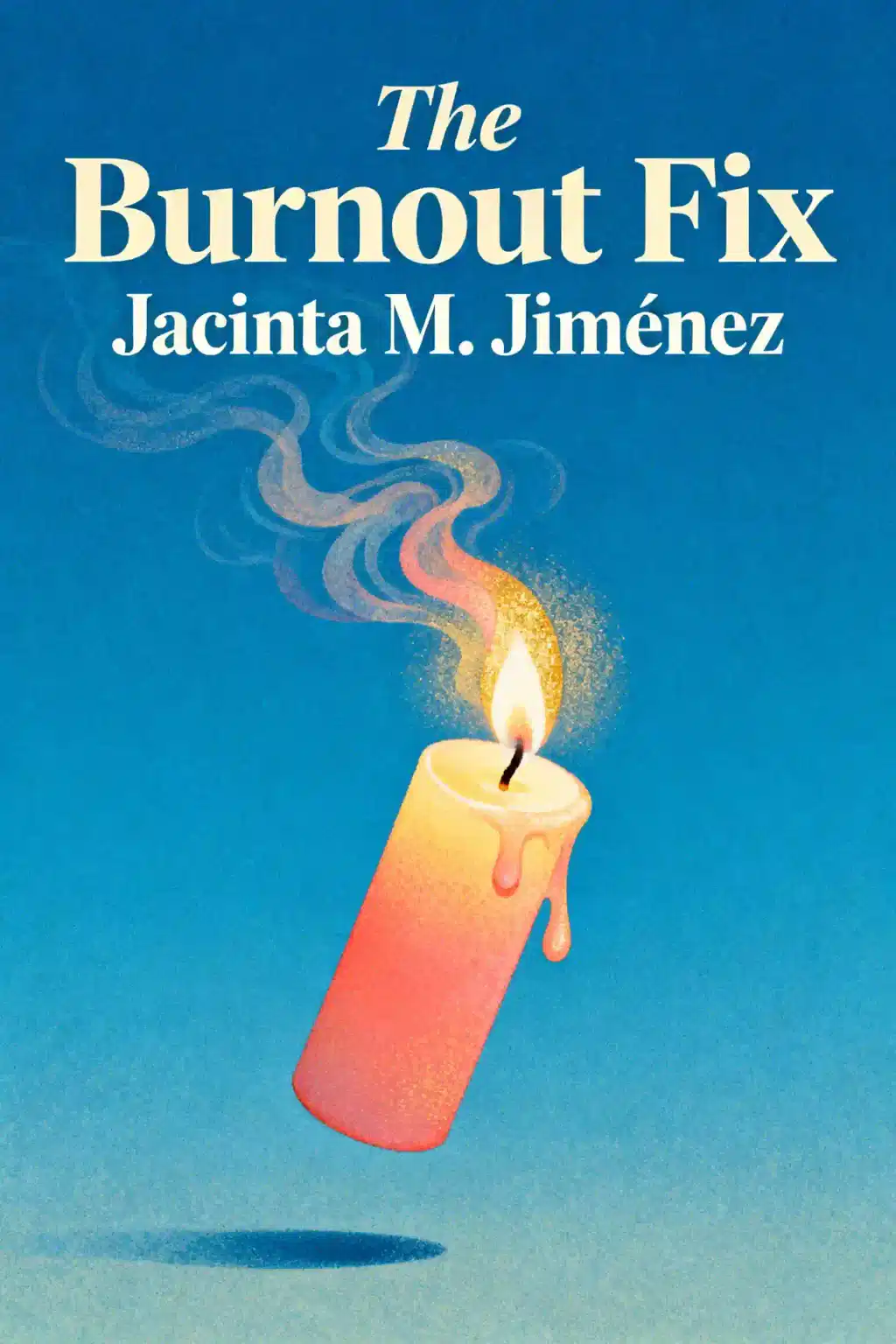
Burnout Fix: Overcome Overwhelm, Beat Busy, and Sustain Success in the New World of Work

Aperçu de Burnout Fix
Burnout isn't inevitable. Dr. Jacinta Jimenez, VP at BetterUp, reveals science-backed strategies for sustainable success in today's overwhelming workplace. Embraced by business leaders navigating post-pandemic work culture, this guide answers the question: How can high-achievers perform without sacrificing wellbeing?
- Jacinta Jiménez’s PULSE strategy builds resilience through energy regulation and support systems.
- Sustainable success requires a steady pulse—not constant hustle or burnout cycles.
- Develop psychological safety to detect burnout risks early and demonstrate recovery tools.
- Control and autonomy at work prevent burnout by reducing learned helplessness.
- Align tasks with core values to resolve conflicts causing chronic exhaustion.
- Pro-resilience mindset beats burnout by integrating mindfulness with intentional habit design.
- Busyness masks productivity—measure output value not volume for true efficiency.
- The Burnout Fix redefines success beyond hustle culture to sustained fulfillment.
- Regulate energy with micro-restorative breaks to maintain performance under pressure.
- Team-driven burnout solutions thrive on shared accountability and structured support.
À propos de l'auteur de Burnout Fix
Jacinta M. Jiménez, PsyD, BCC, is an award-winning author of The Burnout Fix and a Stanford-trained psychologist. She is also a globally recognized leadership resilience expert.
Her book blends behavioral science with practical strategies for overcoming chronic stress, drawing from her 20+ years as a board-certified leadership coach. Jiménez also serves as the Vice President of Coaching Innovation at BetterUp, where she scaled evidence-based coaching programs for Fortune 500 companies.
A sought-after speaker featured in Harvard Business Review, Forbes, and Fast Company, Jiménez combines clinical expertise with Silicon Valley tech innovation. She co-created the National Center for PTSD’s Anger and Irritability Management System app. Recognized among the Top 50 Women Leaders in San Francisco and a LA Weekly “Top Coach to Follow,” her work bridges psychology and organizational performance.
The Burnout Fix won getAbstract’s 2021 International Book of the Year and has been translated into 12 languages, serving as a cornerstone text in corporate wellness programs worldwide.
FAQ sur Burnout Fix
What is The Burnout Fix by Jacinta M. Jiménez about?
The Burnout Fix provides science-backed strategies to combat burnout in modern work environments. It introduces the PULSE framework (Pacing, Leveraging leisure, Support systems, etc.) to build resilience, prioritize well-being, and sustain success. Dr. Jiménez combines motivational psychology, neuroscience, and real-world coaching examples to help readers thrive in high-pressure settings.
Who should read The Burnout Fix?
Professionals in high-stress roles, leaders managing teams, and anyone feeling chronically overwhelmed will benefit. The book offers tools for individuals seeking work-life balance and organizations aiming to reduce burnout culture. It’s particularly relevant for remote workers and those in fast-paced industries like tech or healthcare.
Is The Burnout Fix worth reading?
Yes—it’s a Business Insider-recommended book and winner of getAbstract’s 2021 Reader’s Choice Award. It stands out for its actionable, research-driven methods, such as energy regulation techniques and mindfulness practices, which are backed by Dr. Jiménez’s 20+ years in psychology and leadership coaching.
What is the PULSE framework in The Burnout Fix?
The PULSE framework is a five-part resilience model:
- Pacing for performance (balancing effort and recovery)
- Leveraging leisure (strategic downtime)
- Support systems (building relational networks)
- Evaluating priorities (time management)
- Regulating energy (physical/emotional renewal) It’s designed to prevent burnout by integrating sustainable habits into daily routines.
How does The Burnout Fix address mindfulness at work?
The book advocates “mindful pauses”—short, intentional breaks to reset focus—and techniques like breathwork to reduce stress. Dr. Jiménez argues mindfulness enhances decision-making and creativity, citing studies showing its impact on reducing workplace anxiety.
What are key quotes from The Burnout Fix?
- “Neglecting your personal pulse undermines success, no matter how hard you work.”
- “Busyness is not a badge of honor; it’s a barrier to thriving.” These emphasize prioritizing well-being over hustle culture, a central theme in the book.
How does The Burnout Fix compare to Atomic Habits?
While Atomic Habits focuses on incremental behavior change, The Burnout Fix targets systemic causes of burnout with organizational and personal strategies. Both provide actionable frameworks, but Jiménez’s work specifically addresses sustaining performance without sacrificing mental health.
What are criticisms of The Burnout Fix?
Some reviewers note the strategies require consistent effort, which may challenge those already stretched thin. Others suggest it leans more toward corporate audiences, though Dr. Jiménez includes adaptations for freelancers and students.
Can The Burnout Fix help with remote work burnout?
Yes. The book addresses digital overload with tactics like “time-blocking” and setting tech boundaries. It also advises leaders on fostering virtual team resilience through structured check-ins and flexible scheduling.
How does The Burnout Fix recommend regulating energy?
Dr. Jiménez promotes circadian rhythm alignment (matching tasks to energy peaks) and “micro-recoveries” (5-minute mindfulness exercises). These methods aim to prevent energy depletion common in always-on work cultures.
What role do support systems play in The Burnout Fix?
The book stresses cultivating “relational resilience”—building trusted networks for emotional and logistical support. Examples include mentorship programs and peer accountability groups, which reduce isolation and improve problem-solving.
Why is Jacinta M. Jiménez qualified to write about burnout?
Dr. Jiménez is a Stanford-trained psychologist, board-certified leadership coach, and VP at BetterUp. Her expertise blends clinical research with corporate experience, cited by Fortune and Harvard Business Review. She’s advised top organizations on burnout prevention since 2021.
Ressentez le livre à travers la voix de l'auteur
Transformez les connaissances en idées captivantes et riches en exemples
Capturez les idées clés en un éclair pour un apprentissage rapide
Profitez du livre de manière ludique et engageante
Personnages de Burnout Fix
- Jacinta M. JiménezAuthor and psychologist sharing her burnout story
- Alex HonnoldProfessional rock climber used as a case study
- AdeshStartup founder developing executive presence
- Tyler FoxProfessional big-wave surfer used as a case study
- Anders EricssonPsychologist who pioneered deliberate practice
Thèmes clés dans Burnout Fix
- sustainable performance
- deliberate practice
- burnout prevention
- resilience building
- intentional growth
Citations de Burnout Fix
Sustainable success requires more than just grit.
Society romanticizes such mavericks who break rules and take wild risks.
Big risks often backfire dramatically.
Instead of dramatic leaps but in consistent, intentional progress.
Explorez Votre Façon d'Apprendre
 Mode Résumé Rapide
Lisez ou écoutez le résumé de Burnout Fix en 11 minutes
Décomposez les idées clés de Burnout Fix en points faciles à comprendre pour découvrir comment les équipes innovantes créent, collaborent et grandissent.

 Mode Fun
Leçons de Burnout Fix Racontées en Histoires de 25 Min
Découvrez Burnout Fix à travers des récits vivants qui transforment les leçons d'innovation en moments mémorables et applicables.
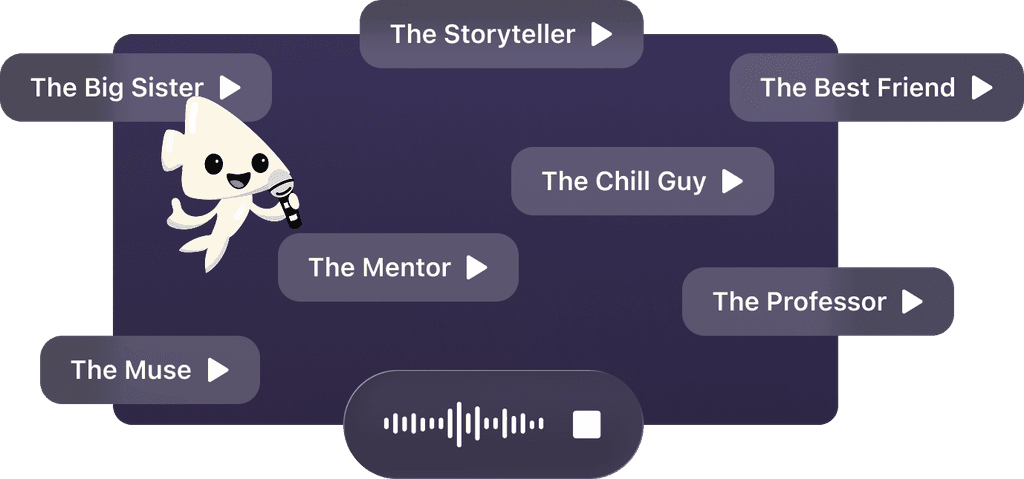
 Mode Personnaliser
Découvrez Burnout Fix dans votre propre style d’apprentissage
Posez vos questions, choisissez votre style d’apprentissage et co-créez des idées qui vous correspondent vraiment.
Cree par des anciens de Columbia University a San Francisco
"Instead of endless scrolling, I just hit play on BeFreed. It saves me so much time."


"I never knew where to start with nonfiction—BeFreed’s book lists turned into podcasts gave me a clear path."


"Perfect balance between learning and entertainment. Finished ‘Thinking, Fast and Slow’ on my commute this week."
"Crazy how much I learned while walking the dog. BeFreed = small habits → big gains."
"Reading used to feel like a chore. Now it’s just part of my lifestyle."

"Feels effortless compared to reading. I’ve finished 6 books this month already."
"BeFreed turned my guilty doomscrolling into something that feels productive and inspiring."

"BeFreed turned my commute into learning time. 20-min podcasts are perfect for finishing books I never had time for."
"BeFreed replaced my podcast queue. Imagine Spotify for books — that’s it. 🙌"

"It is great for me to learn something from the book without reading it."
"The themed book list podcasts help me connect ideas across authors—like a guided audio journey."
"Makes me feel smarter every time before going to work"
Cree par des anciens de Columbia University a San Francisco
"Instead of endless scrolling, I just hit play on BeFreed. It saves me so much time."
"I never knew where to start with nonfiction—BeFreed’s book lists turned into podcasts gave me a clear path."
"Perfect balance between learning and entertainment. Finished ‘Thinking, Fast and Slow’ on my commute this week."
"Crazy how much I learned while walking the dog. BeFreed = small habits → big gains."
"Reading used to feel like a chore. Now it’s just part of my lifestyle."
"Feels effortless compared to reading. I’ve finished 6 books this month already."
"BeFreed turned my guilty doomscrolling into something that feels productive and inspiring."
"BeFreed turned my commute into learning time. 20-min podcasts are perfect for finishing books I never had time for."
"BeFreed replaced my podcast queue. Imagine Spotify for books — that’s it. 🙌"
"It is great for me to learn something from the book without reading it."
"The themed book list podcasts help me connect ideas across authors—like a guided audio journey."
"Makes me feel smarter every time before going to work"
"Instead of endless scrolling, I just hit play on BeFreed. It saves me so much time."
"I never knew where to start with nonfiction—BeFreed’s book lists turned into podcasts gave me a clear path."
"Perfect balance between learning and entertainment. Finished ‘Thinking, Fast and Slow’ on my commute this week."
"Crazy how much I learned while walking the dog. BeFreed = small habits → big gains."
"Reading used to feel like a chore. Now it’s just part of my lifestyle."
"Feels effortless compared to reading. I’ve finished 6 books this month already."
"BeFreed turned my guilty doomscrolling into something that feels productive and inspiring."
"BeFreed turned my commute into learning time. 20-min podcasts are perfect for finishing books I never had time for."
"BeFreed replaced my podcast queue. Imagine Spotify for books — that’s it. 🙌"
"It is great for me to learn something from the book without reading it."
"The themed book list podcasts help me connect ideas across authors—like a guided audio journey."
"Makes me feel smarter every time before going to work"
"Instead of endless scrolling, I just hit play on BeFreed. It saves me so much time."
"I never knew where to start with nonfiction—BeFreed’s book lists turned into podcasts gave me a clear path."
"Perfect balance between learning and entertainment. Finished ‘Thinking, Fast and Slow’ on my commute this week."
"Crazy how much I learned while walking the dog. BeFreed = small habits → big gains."
"Reading used to feel like a chore. Now it’s just part of my lifestyle."
"Feels effortless compared to reading. I’ve finished 6 books this month already."
"BeFreed turned my guilty doomscrolling into something that feels productive and inspiring."
"BeFreed turned my commute into learning time. 20-min podcasts are perfect for finishing books I never had time for."
"BeFreed replaced my podcast queue. Imagine Spotify for books — that’s it. 🙌"
"It is great for me to learn something from the book without reading it."
"The themed book list podcasts help me connect ideas across authors—like a guided audio journey."
"Makes me feel smarter every time before going to work"

Telecharger le resume de Burnout Fix
Obtenez le resume de Burnout Fix en PDF ou EPUB gratuit. Imprimez-le ou lisez-le hors ligne a tout moment.