In "Open," Johan Norberg reveals how societies flourish through trade and innovation, yet risk destruction through tribalism. Praised by economists worldwide, this timely manifesto shows why Athens thrived while others stagnated. What ancient civilization's openness tripled its population and income?
Ressentez le livre à travers la voix de l'auteur
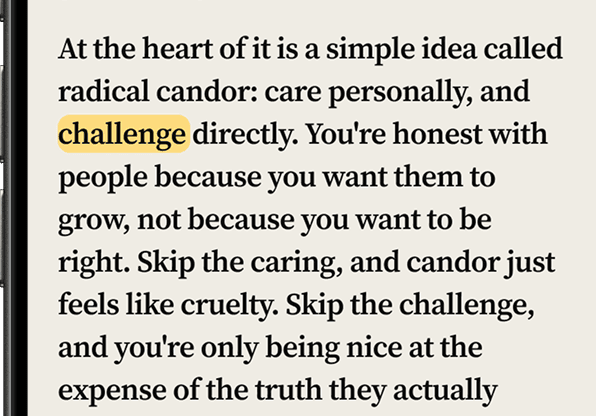
Transformez les connaissances en idées captivantes et riches en exemples
Capturez les idées clés en un éclair pour un apprentissage rapide
Profitez du livre de manière ludique et engageante
A glacier in the Italian Alps released its secret in 1991: a man who had been frozen for over five millennia. Scientists examining Otzi's possessions discovered something astonishing-his copper axe contained metal from Tuscany, 500 miles away. His clothing incorporated materials from dozens of different communities. This wasn't just a wanderer; this was evidence of something fundamental about human nature. We've always been traders, cooperators, boundary-crossers. Long before smartphones connected us globally, we were already wired to exchange, to collaborate, to reach beyond our immediate circle. Watch children on a playground long enough and you'll witness something remarkable: they spontaneously develop trading systems. Rice cakes become currency. Toys get bartered. This isn't learned behavior-it's who we are. Archaeological sites confirm this instinct stretches back 300,000 years, when obsidian tools found in Kenya originated nearly 90 kilometers from where they were discovered. Someone carried that volcanic glass across vast distances, traded it, used it, left it behind. What made humans different wasn't just intelligence or language, though we had both. It was the combination: smart enough to learn, articulate enough to share what we learned, and cooperative enough to want to share it in the first place. This created something unprecedented-cultural evolution. While genetic evolution requires beneficial mutations to spread slowly through reproduction over countless generations, cultural evolution happens instantly. Someone invents a better fishing technique, and by sunset, the entire village knows it. This is why humans leaped ahead while other species crawled.
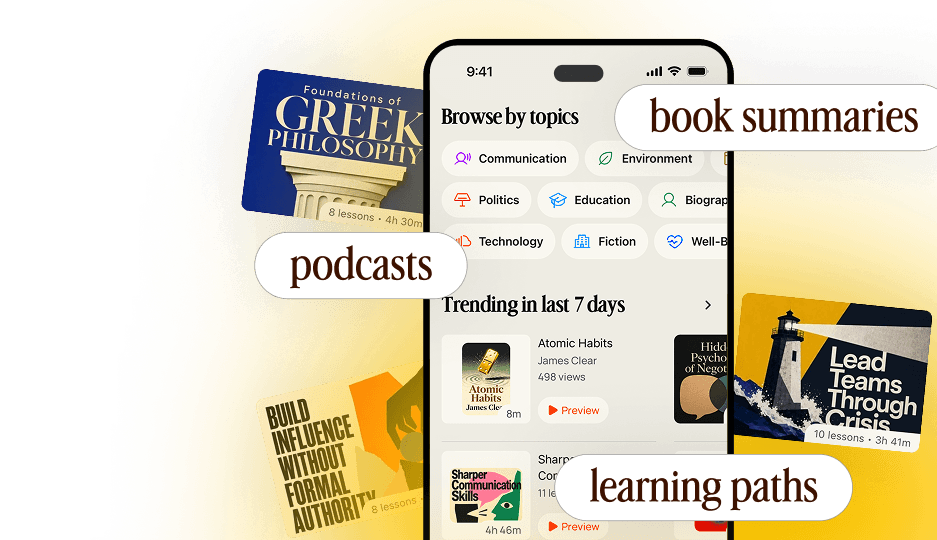
Décomposez les idées clés de Open: The Story of Human Progress en points faciles à comprendre pour découvrir comment les équipes innovantes créent, collaborent et grandissent.
Condensez Open: The Story of Human Progress en indices de mémoire rapides mettant en évidence les principes clés de franchise, de travail d'équipe et de résilience créative.

Découvrez Open: The Story of Human Progress à travers des récits vivants qui transforment les leçons d'innovation en moments mémorables et applicables.
Posez n'importe quelle question, choisissez la voix et co-créez des idées qui résonnent vraiment avec vous.

Cree par des anciens de Columbia University a San Francisco
"Instead of endless scrolling, I just hit play on BeFreed. It saves me so much time."
"I never knew where to start with nonfiction—BeFreed’s book lists turned into podcasts gave me a clear path."
"Perfect balance between learning and entertainment. Finished ‘Thinking, Fast and Slow’ on my commute this week."
"Crazy how much I learned while walking the dog. BeFreed = small habits → big gains."
"Reading used to feel like a chore. Now it’s just part of my lifestyle."
"Feels effortless compared to reading. I’ve finished 6 books this month already."
"BeFreed turned my guilty doomscrolling into something that feels productive and inspiring."
"BeFreed turned my commute into learning time. 20-min podcasts are perfect for finishing books I never had time for."
"BeFreed replaced my podcast queue. Imagine Spotify for books — that’s it. 🙌"
"It is great for me to learn something from the book without reading it."
"The themed book list podcasts help me connect ideas across authors—like a guided audio journey."
"Makes me feel smarter every time before going to work"
Cree par des anciens de Columbia University a San Francisco

Obtenez le resume de Open: The Story of Human Progress en PDF ou EPUB gratuit. Imprimez-le ou lisez-le hors ligne a tout moment.