Chapitre 1
Transforming Your Life Through Small, Deliberate Actions
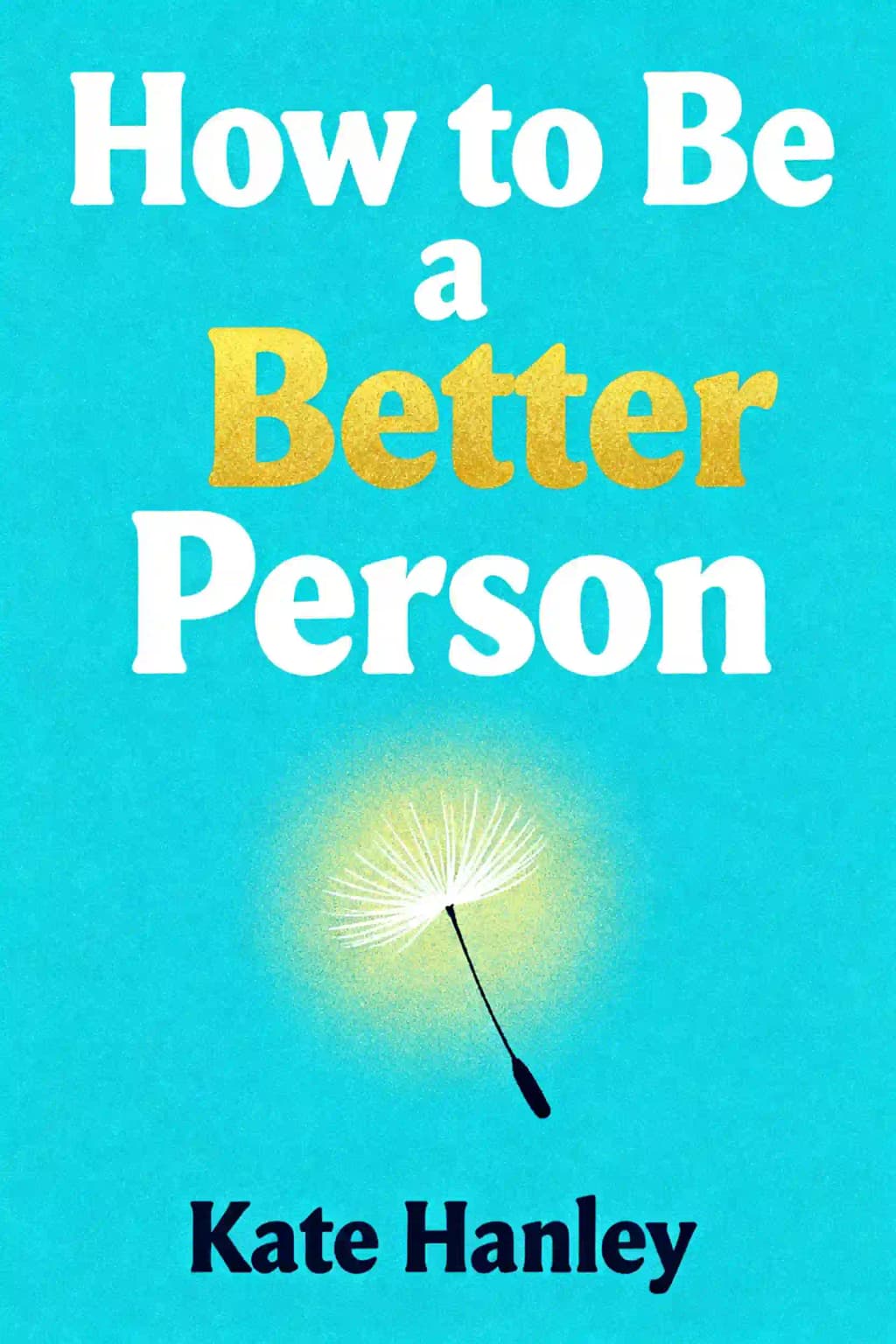
Kate Hanley's "How to Be a Better Person" has become America's most popular New Year's resolution for a compelling reason: it taps into our fundamental desire for self-improvement without demanding perfection. This practical guide has resonated with celebrities like Reese Witherspoon, who mentioned it on her book club, and has gained traction across social media platforms where personal development content thrives. What makes this book particularly powerful is how it breaks down the seemingly overwhelming task of self-improvement into manageable daily actions. Unlike many self-help titles that promise instant transformation, Hanley acknowledges that becoming better is an ongoing journey-one that requires consistent effort but delivers profound rewards in how you feel about yourself and how you impact the world around you.
Chapitre 2
The Power of Positive Perception
The journey toward becoming a better person begins in your own mind. Our brains have a built-in negativity bias-an evolutionary adaptation that once helped our ancestors survive by staying alert to threats. While this bias served us well on the savanna, it creates unnecessary suffering in modern life by keeping us focused on what's wrong rather than what's right.
To overcome this neural rut, you must deliberately train yourself to notice the good that already exists. Start by recording your wins, however small, in a journal or calendar. When meeting friends, begin conversations by sharing recent successes rather than complaints. This isn't about toxic positivity or denying problems; it's about creating balance by giving positive experiences the attention they deserve.
When facing challenges, practice looking for the "loving reason" behind them. While most people can eventually see how past difficulties benefited them, few apply this wisdom to current struggles. Ask yourself: "How might this situation be working for my benefit?" This shifts your perspective from victim to student.
Our assumptions about others' behaviors also shape our experience. When someone cuts you off in traffic or your spouse seems distant, your mind automatically fills in the blanks with negative interpretations. Instead, practice generating more generous explanations-perhaps that driver is rushing to the hospital, or your partner is processing a difficult day. This simple shift creates more positive interactions with everyone you encounter.
The comparison trap is another mental habit that diminishes joy. When you measure yourself against others' highlight reels, you'll always come up short in some area. Instead, compare yourself only to your past self. Are you kinder than you were last year? More patient than last month? This self-referential measuring stick provides more meaningful motivation while allowing others their success without feeling it diminishes yours.
Even painful past experiences can be reframed as valuable training. That childhood with frequent moves that felt so unstable? It likely developed your adaptability and social skills. The heartbreak that seemed unbearable? It taught you resilience and clarified what you truly want in relationships. This doesn't mean denying suffering, but recognizing how it shaped your unique strengths.
Chapitre 3
Connecting With Your Emotional Landscape
Though our culture rarely provides education on managing emotions, learning to work with your feelings rather than against them is essential to becoming a better person. Emotions aren't enemies to be suppressed-they're messengers revealing your true thoughts and needs.
Start by practicing self-forgiveness. Without forgiving yourself for mistakes, you'll struggle to forgive others, creating disconnection. Try writing "I forgive myself for..." and notice how many things emerge. This release creates space for growth and closer relationships.
Learning to recognize your inner critic is equally important. That harsh voice constantly judging your choices, appearance, and abilities isn't telling the truth-it's a bully that needs to be challenged. Write down its repetitive negative messages or even draw what this critic looks like. These exercises help you see this voice isn't actually you, allowing you to laugh at it rather than believe it.
When emotions feel overwhelming, visualization can help. To release something weighing you down, imagine placing it in a balloon and letting it float away. If thoughts return, gently remind yourself, "I've chosen to move on." For recurring emotional triggers, identify what fear or old wound is being activated. Once aware of your triggers, use them constructively-let them remind you to take deep breaths, visit a calming place, or schedule time for self-care.
Solitude plays a crucial role in emotional health. While humans need connection, we also need time alone to reconnect with our thoughts and feelings. This becomes increasingly important the more others depend on you. Assess your balance of social and alone time, and find creative ways to ensure enough solitude to hear what you truly think, feel, and want.
Journaling enhances this solitude by creating space for reflection. Challenge yourself to write nonstop for ten minutes, even if initially repeating "I don't know what to say." This mental decluttering often leads to surprising insights when you follow with questions like "What do I need right now?" or "Where do I want to go from here?"
Developing discernment-the ability to perceive and distinguish subtly-helps you navigate emotional terrain. Unlike judging and reacting, discernment allows you to sense what makes most sense for you in any situation. It recognizes that options already exist rather than needing to be created. This skill helps you choose more courageously by tuning into your inner wisdom.
Your intuition-that quiet inner knowing-often speaks cryptically but offers valuable guidance about what serves your best interests. Strengthen this relationship by letting intuition make at least one daily decision, like what to work on first or who to contact. The more you listen, the better you'll understand its unique language.
Chapitre 4
Prioritizing Physical Wellbeing
Taking better care of your body isn't just about looking good-it provides the energy foundation for everything else you want to accomplish. Physical wellbeing translates to mental clarity, helping you continue making choices that lead to being a better person.
Start by changing your default reaction to stress. Notice your go-to stress response-whether anger, self-criticism, or reaching for comfort food-and list healthier alternatives like taking walks or making tea. Even trying one new response interrupts your knee-jerk pattern and puts you back in control.
Your breath serves as a powerful anchor during tense moments. Direct it into your belly for three deep breaths to shift focus from anxious thoughts. Try inhaling for four counts, holding for two, and exhaling for six-the extended out-breath activates your parasympathetic nervous system, creating a natural calming effect.
Movement is non-negotiable for wellbeing. Your body was designed for motion, not static positions. Walk more places, play actively with your kids instead of watching, choose dancing for date night. Even at work, take ten-minute walks away from your desk. Movement lubricates joints, strengthens muscles, improves breathing, digestion, and sleep-all without requiring a formal "workout."
Consider adopting a mind-body practice like meditation, tai chi, or yoga. These activities help align your physical and mental states, fostering bodily comfort while developing disciplined thinking-key components for personal growth. Choose whatever practice you enjoy enough to maintain consistently.
Learn to let your body lead the way by heeding its signals-eat when hungry, drink when thirsty, rest when tired. This attunement helps you hear your intuition more clearly and sets a healthy example for others. Your body houses your wisdom; developing this connection provides a reliable compass for decision-making.
Nature interaction is another essential element of physical wellbeing. As part of the natural world, staying constantly indoors deprives you of vital nourishment. Open windows, have coffee outside, hang a birdfeeder, eat lunch in the park, or drive with windows down. Fresh air and sunshine dramatically improve mood, vitamin D levels, and overall health.
Even your light exposure affects wellbeing. Blue-spectrum light (daylight, LEDs, screens) stimulates alertness, while red-spectrum light (sunsets, candles, fire) promotes relaxation. Maximize bright light in mornings; dim lights, reduce screen brightness, and use candles at night to regulate sleep cycles, energy, and mood.
Nutrition needn't involve complicated diets-start by making fresh produce your priority. It fills you with nutrients while naturally leaving less room for less healthy options. Rather than overwhelming dietary overhauls, learn just one healthy recipe weekly. Since you only need about a dozen recipes for variety, in three months you'll have a complete repertoire of nutritious homemade meals.
Chapitre 5
Cultivating Loving Relationships
Love isn't just an emotion-it's a force that compels us toward our best selves through kindness, compassion, generosity, and forgiveness. By becoming more loving, you transform personal growth into positive change in the world, creating ripple effects through all your relationships.
Begin by practicing the art of admission when you make mistakes. Owning up to errors with a sincere "I messed up, and I'm sorry" goes remarkably far in repairing relationship damage. After acknowledging your mistake, offer a concrete plan for making things right rather than empty promises.
Forgiveness-both giving and receiving-forms the foundation of healthy relationships. When someone has hurt you, acknowledge their humanity and perspective even when you feel wronged. This doesn't mean excusing harmful behavior or necessarily continuing the relationship, but releasing the burden of hurt creates freedom for both parties.
Pay attention to your nonverbal communication, which often speaks louder than words. Eye rolls signal dismissal, crossed arms suggest closed-heartedness, and hands on hips communicate dominance. Take inventory of your typical postures and gestures to ensure they align with the message you intend to send.
Learn to witness others' pain without immediately trying to fix it. When someone suffers, simply being present, showing care, and listening attentively provides powerful support. Resist the urge to offer solutions-your role isn't to solve everything but to ensure they don't feel alone in their struggle.
Effective listening goes beyond silence while others speak. It requires focus (absorbing their words rather than planning your response), curiosity (asking follow-up questions for clarity), and empathy (validating expressed emotions). This kind of attentive presence is increasingly rare and therefore increasingly valuable.
When conflicts inevitably arise, approach them collaboratively rather than combatively. Try the improv technique of "yes, and"-validate what the other person says (yes) then build on it with your perspective (and). This approach fosters working together on solutions incorporating both viewpoints rather than creating opposition.
After disagreements, repair the relationship by validating feelings ("I understand you're feeling..."), taking responsibility ("I'm sorry for..."), and committing to change ("In the future I will..."). This process strengthens your bond rather than weakening it, turning conflicts into opportunities for growth.
Physical affection with loved ones (including pets) does more than feel good-it soothes your nervous system and releases beneficial hormones promoting physical and mental wellbeing. Don't hesitate to request snuggles; the benefits extend to both parties involved in the embrace.
In committed relationships, avoid taking your partner for granted. Identify what would please them-putting socks in the hamper or being ready on time-and do one such thing daily simply because they'll appreciate it. This consideration elevates your relationship beyond mere coexistence to active care.
Chapitre 6
Making a Difference Through Giving Back
Giving back is about more than virtue-it's about caring more deeply, believing in your power to create positive change, and making meaningful contributions to your community and world. The paradox is that helping others energizes you to do more while inspiring others to follow your example.
Start by considering your legacy. What do you want to be remembered for? Something you instilled in your children? A value you perpetuated? An organization you supported? Consider the institutions and people you value, then act now to ensure they continue thriving after you're gone.
You have more influence than you realize. Every thought and action affects your life and others'. Periodically ask yourself, "How can I use my power for good?" Pay compliments to someone having a bad day, ask the unspoken question at meetings, vote with your conscience-these create ripples that empower others to do the same.
To use your power effectively, understand what's happening around you. When addressing a problem-whether prison reform or school policy-educate yourself first. Read articles, talk to people involved firsthand, attend meetings. Being informed helps you make decisions from wisdom rather than reaction.
Make giving automatic by creating systems. Become a sustaining member with recurring payments to organizations you support. Write charity checks when paying bills. Keep a donation basket in your closet for unwanted items. When giving becomes a no-brainer, you'll do more of it without feeling burdened.
Not every volunteer opportunity matches your skills and interests. Investigate what organizations truly need and whether it aligns with what you offer. Talk to someone there: "Here's what I think I can contribute. Would that be helpful?" Getting mutual buy-in beforehand ensures your efforts will feel restorative rather than depleting.
When you find a cause you care about, invite friends and family to join you. This brings more support to the cause and helps others who want to give back but haven't figured out the details. Your invitation makes it easy for them to get involved-a service in itself-while doubling your impact.
Not having time is a common reason for not giving back, but not everything requires hours. Taking a minute to buy extra food for a school drive, donating books to the library, or patronizing stores that donate profits are small actions that still count significantly. Give at a level that makes sense for you-there's no reward for giving until it hurts.
Chapitre 7
Maintaining Commitment Through Challenges
Making a difference requires more than just deciding to change-it demands consistent action over time. Developing strategies to maintain commitment when motivation wanes is essential for lasting transformation.
Rather than making grand commitments that lead to all-or-nothing thinking, lower the bar to ensure consistency. For meditation, commit to sitting on your cushion daily, whether for ten seconds or twenty minutes. Building commitment muscles means recognizing that some effort is always better than none.
Create a personal mission statement-a short paragraph summarizing what you value-to guide decision-making. Start with keywords describing important traits or values, then weave them into a concise statement that serves as a barometer for evaluating opportunities and staying aligned with your deeper purpose.
When setting goals, focus on what genuinely excites you rather than what sounds impressive. Setting uninspiring goals is self-sabotage-when they inevitably fail, your inner critic reinforces avoidance of meaningful goal-setting. The only "good" goals are those that inspire action through genuine desire.
Perfectionism often functions as subtle self-sabotage-one slip-up becomes reason to abandon all efforts. If your inner critic uses minor setbacks as evidence of inevitable failure, shift your success metric from perfection to progress. Ask yourself: "Am I moving in the right direction?" rather than "Did I do this flawlessly?"
No matter your commitment level, you'll inevitably "fall off the wagon" sometimes. Rather than seeing this as failure, view it as an opportunity to practice self-compassion and simply begin again. You only need to take the next right step to regain momentum. Getting back on track is a crucial skill-welcome chances to strengthen it.
What you measure tends to improve. Track whatever change you're trying to create-whether with high-tech gadgets monitoring steps and sleep or simple pen-and-paper tallies of resumes sent or vegetables consumed. The objective view of your progress will motivate continued effort and provide valuable feedback.
Don't wait until reaching your ultimate goal to celebrate. When pursuing something significant like a new job or degree, acknowledge smaller milestones-every five resumes sent, contacts made, or chapters completed. These mini-celebrations maintain momentum and give you positive focus while working toward the bigger prize.
Eventually, anything important becomes difficult rather than fun. This resistance is precisely when perseverance matters most. The discomfort of pushing through will pass, though perhaps not as quickly as you'd like. Focus on how satisfying it will feel to have persisted despite the challenge.
When facing obstacles, see them as opportunities to discover resilience you didn't know you possessed. We all have untapped reserves-difficulties simply invite us to rediscover what we're truly made of. This perspective transforms challenges from barriers into growth catalysts.
Chapitre 8
Working With Purpose and Integrity
Being a better person extends to your professional life, where you can positively impact not just yourself but your company, coworkers, and clients. Improving your approach to work enhances both your career trajectory and your sense of fulfillment.
While multitasking is sometimes necessary, focusing completely on your most important daily task yields better results. Close email, put your phone on airplane mode, block social media, and give one thing your undivided attention. You'll complete it more effectively and efficiently without distractions.
We often undervalue our natural talents because they don't feel like "hard work," but these effortless abilities are your superpowers. Identify them by asking what people compliment you on, what you do without thinking, and where you "meddle" most effectively. Recognizing these talents helps you leverage them intentionally and find roles where you can contribute uniquely.
For career growth, your skills and interests must continually evolve. Create a deliberate learning plan focused on abilities that would serve your current role or help you reach your aspirations. Like dressing for the job you want, learning should prepare you for future opportunities, not just current responsibilities.
Stop waiting to be chosen for opportunities and start creating them yourself. If you want to work on a project, tell your boss why you're a good fit. If you're interested in another role, take classes to build necessary skills. Waiting to be picked is disempowering; creating your own opportunities leads to positive change.
Your extended network is crucial for career success. Maintain connections with thoughtful, systematic effort-identify people to contact monthly, seasonally, and yearly, then schedule reminders. Simple check-ins asking how they're doing, with brief updates about yourself, are sufficient to keep relationships strong.
When providing constructive criticism, approach with curiosity rather than judgment, and focus on growth rather than reprimand. Establish trust first by acknowledging emotions, then explain your observations and collaborate on solutions. Manage your own emotions beforehand-anger leads to defensiveness, while a light tone and neutral expressions help your message penetrate.
You can't manage time, only expectations. Create the experience of having more time by overestimating task durations-schedule forty-five minutes for thirty-minute meetings, allocate three hours for two-hour projects. This buffer protects you from feeling constantly rushed when activities take longer than anticipated, allowing you to be more present and less irritable.
When paralyzed by perfectionism, shift your focus to the value you'll deliver. Consider how your end clients will benefit-whether through more profits, support, or peace of mind. Understanding the final result you're trying to create provides motivation to start and maintain momentum on daunting tasks.
The secret to overcoming overwhelm with big projects is determining just the next right step-then taking it. Starting with easy, small actions builds momentum that carries you forward, helping you move past self-doubt into productivity. This approach transforms seemingly impossible projects into manageable sequences of actions.
Chapitre 9
Lightening Your Load by Letting Go
While you don't need to become a minimalist to be a better person, acquiring and maintaining possessions consumes significant time, money, space, and energy-resources that could be directed toward more meaningful pursuits. Learning to buy less, maintain what you have, and release what no longer serves you creates freedom for what truly matters.
Challenge yourself to use resources more mindfully by turning off lights when leaving rooms, unplugging unused appliances and fully charged devices, and installing programmable thermostats. These habits will reduce both your bills and environmental impact while cultivating awareness of consumption patterns.
While smartphones are valuable tools, overuse degrades posture, tolerance for downtime, and connection with yourself and others. Create screen-free zones (like dinner tables), activities (morning walks), or times (after 9 p.m.) to break the habit of reaching for your device whenever you have a spare moment. This intentional disconnection paradoxically creates deeper connection with yourself and others.
Rediscover the satisfaction of basic repairs-removing stains, sewing buttons, patching tears, darning socks. YouTube makes learning these skills easy. Restoring damaged but otherwise good items is gratifying and teaches children to be fixers and makers rather than automatic consumers. For repairs beyond your skills, consider professional help before replacement. This builds the habit of maximizing existing resources before acquiring more.
The average person spends fifteen minutes daily-over 91 hours yearly-searching for misplaced items. Reclaim this time by establishing consistent homes for everyday essentials like keys, wallet, and phone. Beyond the time savings, you'll dramatically lower your baseline stress, particularly during rushed mornings when frantically searching for necessities can derail your entire day.
Research confirms that money spent on experiences-trips, meals, events-generates more gratitude than purchases of material possessions. This gratitude reduces stress while fostering connection and generosity. Additionally, saving for meaningful experiences naturally discourages impulse buying without creating feelings of deprivation.
Your purchases reflect your values whether you realize it or not. Become a more conscious consumer by directing your spending toward things that align with your principles-local businesses, companies with charitable components, services that genuinely improve your life-while reducing expenditures on unused memberships, unworn clothes, and unnecessary gadgets.
Before buying something new, ask yourself: Do I need it? Do I love it? Will I use it? Can I afford it? If the answer's no to any question, save yourself from having to declutter it later and leave it on the shelf. To raise awareness of unconscious spending, commit to not buying any new non-food items for one day each week. If that's easy, extend it to two days or even a week. The goal isn't deprivation but making your purchases more meaningful.
When deciding what to keep, be brutally honest about your actual habits and preferences. If you're not a baker, you don't need four pie plates. For questionable items, ask whether you're truly the person who will use them. If not, connect these items with people who will appreciate them, improving both your space and self-awareness.
Though writing a will feels daunting (which explains why seven out of ten Americans haven't done it), it benefits your loved ones by sparing them legal complications. It forces you to consider important questions about trust and guardianship, while contemplating mortality makes you more present to your life right now.