Chapitre 1
The Race Against Mortality: How Science Is Rewriting Our Biological Destiny
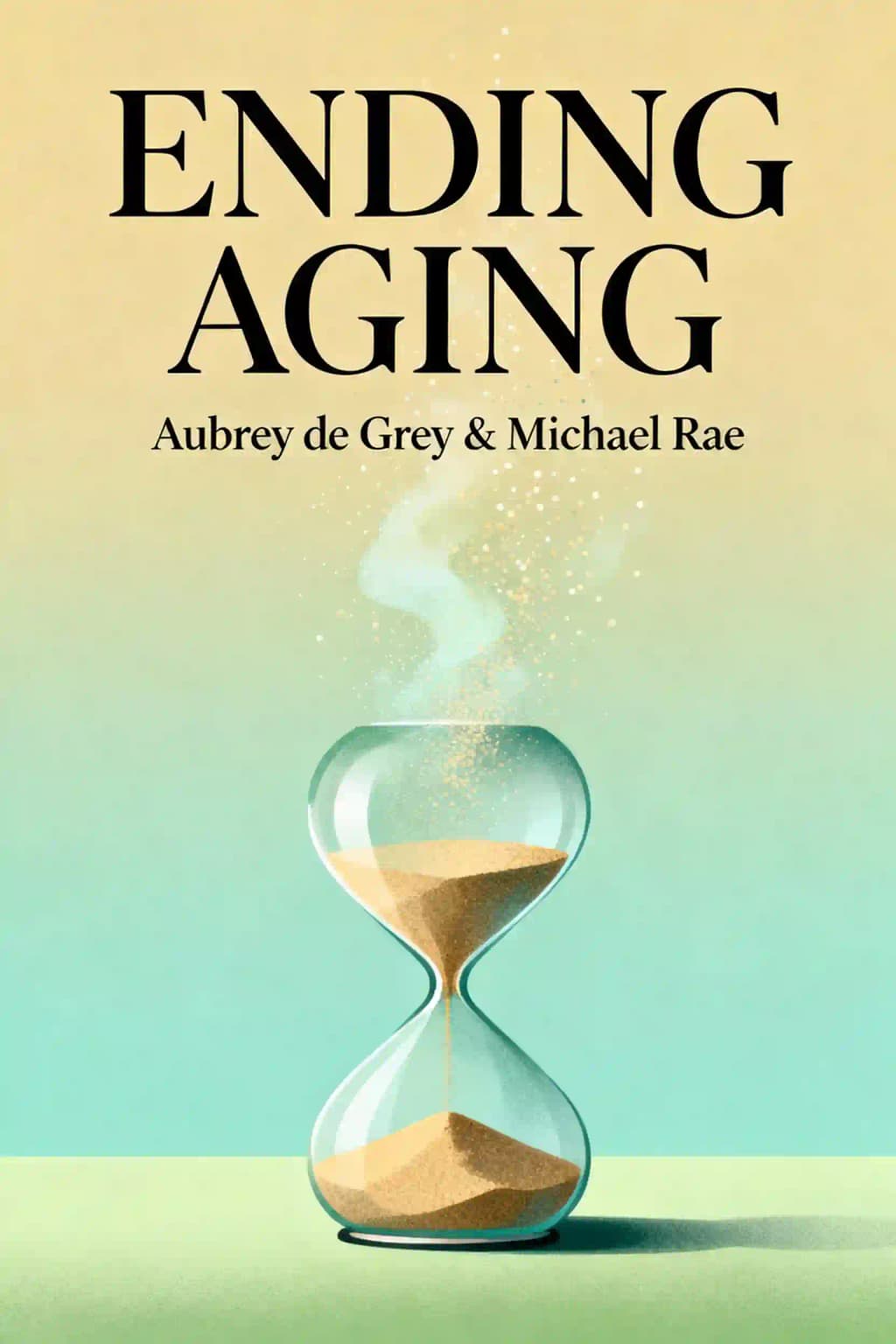
What if I told you that aging isn't inevitable? That the first person who might live to 1,000 years old has already been born? Aubrey de Grey's groundbreaking work "Ending Aging" has become a cornerstone text in the emerging field of biogerontology, garnering attention from tech billionaires like Peter Thiel and Jeff Bezos who have invested millions in longevity research. When de Grey first proposed his radical theories in the early 2000s, mainstream scientists dismissed him as fringe. Today, his SENS Research Foundation collaborates with Harvard, MIT, and Oxford. The book's central premise-that aging is simply accumulated damage we can systematically repair-has transformed how we think about human lifespan, inspiring Netflix documentaries and TED talks with millions of views. As life expectancy plateaus in developed nations, de Grey's roadmap for extending healthy human lifespan has never been more relevant.
Chapitre 2
Breaking the Pro-Aging Trance: Aging as a Solvable Engineering Problem
For millennia, humans have accepted aging as an immutable fact of existence-an attitude de Grey calls the "pro-aging trance." This psychological defense mechanism helps us cope with what seems inevitable, but it's become a major obstacle to scientific progress. The distinction between "aging itself" and "age-related diseases" is artificial-a funding strategy that has backfired terribly as policy makers question why they should fund research on something "not a disease." In reality, aging is simply the collective early stages of various age-related diseases.
Despite its apparent mysteriousness, aging's slow progression compared to specific diseases is simply because it's a downward spiral that accelerates over time. The similar aging rates within species and different rates between species don't indicate an immutable "aging clock"-they reflect genetic similarities and the interconnected nature of aging processes.
Fundamentally, aging is a maintenance problem like that of cars or houses. Just as a vintage car can be preserved indefinitely with proper care, our bodies could theoretically be maintained through regular repair of accumulated damage. Our bodies' built-in repair systems actually make combating aging more feasible than fixing similarly complex machines.
Laboratory evidence has already demonstrated life extension in various organisms. Michael Rose bred fruit flies to live twice as long through selective breeding. Calorie restriction, discovered by Clive McCay in the 1930s, extends lifespan in various species. Tom Johnson and Cynthia Kenyon discovered single-gene mutations in nematodes that extended lifespan by 50% or more.
However, these approaches have limitations. Calorie restriction's effectiveness diminishes in longer-lived species, it only slows damage accumulation rather than repairing existing damage, and it has a fixed ceiling of effectiveness. We need a more comprehensive approach-one that directly addresses the fundamental forms of damage that constitute aging.
Chapitre 3
The Seven Deadly Things: Identifying Aging's Root Causes
In a Manhattan Beach hotel room at 4 AM, jet-lagged and frustrated after a day of seemingly unproductive debates with leading biogerontologists, de Grey experienced his pivotal breakthrough. While wrestling with the overwhelming complexity of metabolism and aging, he realized researchers had been asking the wrong question. The key issue wasn't understanding the intricate web of metabolic processes causing aging damage, but rather identifying and addressing the damage itself.
Through careful analysis, he methodically cataloged seven distinct forms of cellular and molecular damage that accumulate with age:
1. Chromosomal mutations leading to cancer, where DNA damage accumulates in the cell nucleus
2. Mitochondrial mutations caused by free radical damage, compromising cellular energy production
3. Glycation cross-linking between proteins, particularly affecting tissue elasticity in arteries and skin
4. Extracellular junk accumulation, including beta-amyloid plaques in Alzheimer's and arterial atherosclerosis
5. Intracellular waste buildup, such as lipofuscin in cells that can't be broken down
6. Cellular senescence creating harmful inflammatory signaling that damages surrounding tissue
7. Cell loss and atrophy, particularly in critical tissues like heart muscle, neurons, and stem cell populations
The revelation was profound - for each category of damage, researchers were already developing potential interventions. Some examples included stem cell therapy for cell loss, senolytic drugs for removing senescent cells, and enzymes capable of breaking down accumulated waste products. This meant that complete understanding of aging's complex causes wasn't necessary to begin developing treatments.
This comprehensive damage-repair approach evolved into SENS (Strategies for Engineered Negligible Senescence). Unlike traditional gerontology that focuses on unraveling complex metabolic pathways, SENS takes a practical engineering approach by targeting the accumulated damage directly. This strategy operates at the crucial intermediate stage between metabolism and pathology - intervening early enough to prevent cascading system failure but late enough to avoid disrupting essential metabolic processes.
The approach mirrors modern preventive maintenance in complex machinery. Just as automotive engineers don't need to understand every aspect of metal fatigue to replace worn brake pads, medical researchers don't need complete knowledge of all aging pathways to repair specific types of cellular damage. A mechanic maintains a car's function by regularly replacing deteriorating components before they cause catastrophic failure. Similarly, SENS proposes maintaining human health by periodically repairing accumulated cellular and molecular damage before it triggers age-related diseases.
This paradigm shift suggested that practical anti-aging interventions might be closer than previously thought. Rather than waiting for complete understanding of aging's complexity, researchers could focus on developing specific repair strategies for each type of damage - many of which were already in early stages of development across various fields of medical research.
Chapitre 4
Mitochondrial Mutations: Powering Down Our Cellular Engines
Mitochondria, our cellular "power plants," convert food energy into ATP through a process called oxidative phosphorylation. During this process, electrons occasionally "fumble" and create superoxide radicals that damage nearby structures, particularly mitochondrial DNA, which codes for thirteen essential proteins and suffers significantly more oxidative damage than nuclear DNA.
The popular "vicious cycle" theory of mitochondrial decay in aging has been thoroughly debunked. While this theory suggested that free radical damage to mitochondria would progressively worsen with age, creating a self-accelerating cycle of dysfunction, the data tells a completely different story.
A puzzling finding challenged the entire mitochondrial theory of aging: only about 1% of cells in aged organisms contain mutant mitochondria, while 99% maintain perfect mitochondrial health into old age. This tiny proportion seemed insufficient to explain systemic aging.
De Grey resolved this paradox with his "Survival of the Slowest" theory. Mitochondria with DNA mutations that disable oxidative phosphorylation actually produce fewer free radicals, resulting in less membrane damage. Since cells target mitochondria for destruction based on membrane damage rather than DNA integrity, these mutants escape the cellular recycling system. When the cell signals for mitochondrial replication to replace destroyed units, the mutants-with their pristine membranes but damaged DNA-reproduce while their genetically healthy counterparts get culled.
But how do these rare mutant-filled cells drive aging throughout the entire body? De Grey's "Reductive Hotspot Hypothesis" explains that mitochondrially mutant cells must export electrons to survive, potentially spreading toxicity throughout the body in the process. They use the Plasma Membrane Redox System (PMRS) to export electrons, creating a "reductive hotspot" at the cell surface. These electrons likely generate superoxide radicals that damage passing LDL cholesterol particles, which then become "Trojan horses," delivering toxic, oxidized cholesterol to cells throughout the body.
Rather than trying to prevent mitochondrial DNA damage, de Grey advocates for "allotopic expression"-creating backup copies of mitochondrial genes in the cell nucleus, safely away from free radical bombardment. While mutations would still occur at the same rate in mitochondria, they'd become functionally irrelevant since the cell could produce necessary proteins from the nuclear backups.
Chapitre 5
Cellular Junk Removal: Upgrading Our Biological Incinerators
Just as households generate garbage that requires regular disposal, our cells continuously produce waste during their normal functioning. Lysosomes, often called the cell's recycling centers, are specialized membrane-bounded organelles filled with over 60 different types of digestive enzymes. These enzymes function like molecular demolition crews, each targeting specific chemical structures through hydrolysis - a process that physically tears apart molecular joints like microscopic crowbars. This precise targeting ensures efficient breakdown of everything from worn-out organelles to misfolded proteins.
As we age, our cells face a growing challenge: the accumulation of certain waste products that our lysosomes cannot break down effectively. A prime example is lipofuscin, often called "aging pigment," which consists of cross-linked proteins and lipids with distinctive fluorescent properties. These materials become increasingly resistant to degradation over time. Brunk and Terman's "garbage catastrophe" theory explains how this accumulation creates a vicious cycle: as undegraded waste builds up, it dilutes lysosomal acidity and enzymes, making them less effective at their normal digestive functions. This impairment leads to even more accumulation, creating a downward spiral of cellular dysfunction.
Lysosomal failure plays a central role in numerous age-related diseases. In atherosclerosis, for instance, specialized immune cells called macrophages attempt to clean up modified low-density lipoproteins (LDL) from blood vessel walls. When these macrophages become overwhelmed by oxidized or glycated LDL, their lysosomes fail, transforming them into "foam cells" that accumulate in vessel walls. These foam cells eventually form unstable atherosclerotic plaques that can rupture, potentially causing heart attacks or strokes. Similarly, major neurodegenerative diseases like Alzheimer's, Parkinson's, and Huntington's all show evidence of compromised lysosomal function, with toxic protein aggregates accumulating in brain cells.
De Grey's innovative solution, termed LysoSENS, draws inspiration from nature's own cleanup crew: soil bacteria that decompose organic matter after death. His approach involves identifying these bacterial species, isolating their specialized enzymes, and developing methods to deliver these enzymes into human lysosomes. His team's groundbreaking work began by collecting soil samples from an ancient mass grave, where they successfully isolated microorganisms capable of using synthetic lipofuscin as their sole nutrient source. This discovery validated their hypothesis that nature had already evolved solutions to break down these supposedly "undegradable" compounds.
The practical implementation of LysoSENS benefits from existing biotechnology developed for treating lysosomal storage diseases (LSDs). Enzyme replacement therapy (ERT) has already proven successful in treating several LSDs, including Gaucher's disease, Fabry disease, and Pompe disease. For example, approximately four thousand Gaucher's disease patients now lead normal lives through regular enzyme infusions. These established therapeutic approaches provide a clear pathway for delivering new waste-degrading enzymes to human lysosomes, potentially revolutionizing the treatment of age-related diseases.
Chapitre 6
Immunotherapy Against Amyloid: Cutting Free of Cellular Spider Webs
Our cells accumulate protein-derived junk in the spaces between them as we age. While Alzheimer's disease is the most recognized condition associated with this extracellular debris, many other fatal conditions result from similar mechanisms.
Beta-amyloid causes damage beyond Alzheimer's disease. It also accumulates in blood vessels, causing cerebral amyloid angiopathy (CAA), which weakens vessel walls and leads to bleeding strokes. Senile cardiac amyloidosis, caused by misfolded transthyretin, interferes with heart function and affects about 25% of people over ninety.
Rather than breaking apart beta-amyloid plaques, de Grey favors removing them entirely through immunotherapy. Researchers discovered that microglial cells-the brain's immune cells-naturally consume beta-amyloid deposits, though too slowly to keep pace with deposition in Alzheimer's patients. Scientists hypothesized this natural defense could be stimulated through vaccination.
Initial animal testing of the beta-amyloid vaccine showed remarkable results. In engineered mice with Alzheimer's-like symptoms, plaques regressed, neurite swelling decreased, inflammatory cell overgrowth retreated, and memory function improved significantly. Though human trials were halted due to side effects, autopsies of deceased vaccine responders revealed dramatically reduced plaque levels compared to controls.
These findings have revitalized beta-amyloid vaccination as a potential Alzheimer's cure. Scientists have developed new approaches to retain efficacy while eliminating dangerous side effects, including passive vaccination, which directly provides carefully selected antibodies, and vaccines using only specific parts of the beta-amyloid molecule.
The same immunological strategies being developed for Alzheimer's can likely be applied to other age-related amyloid disorders. The 11-1F4 antibody developed for AL amyloidosis also effectively treats other amyloid disorders, reducing organ amyloid burden by over 75% in both liver and spleen. This cross-reactivity suggests different amyloids share similar molecular architecture.
Chapitre 7
Breaking AGE Crosslinks: Restoring Tissue Flexibility
Year after year, chemical processes shackle our body's structural proteins together, preventing them from performing their vital functions. Through the same chemical processes that brown or caramelize food, sugars attach to and warp proteins in our bodies. These reactions progress through several stages-from unstable Schiff bases to more stable Amadori products and finally to permanent AGE cross-links that shackle neighboring proteins together.
AGE cross-links devastate our bodies by stiffening tissues everywhere. In the cardiovascular system, they harden arteries, increasing blood pressure and making vessels brittle. They impair the heart's ability to contract and expand properly, eventually leading to heart failure. In the eyes, AGEs accumulate on crystallin proteins, creating the brown spots we know as cataracts.
Peter Ulrich and his team at Alteon discovered compounds that could break existing AGE cross-links rather than merely preventing new ones. Their compound ALT-711 (alagebrium) showed remarkable results in animal studies. In older dogs, just one month of treatment made hearts 42 percent more flexible. In aging rhesus monkeys, alagebrium increased arterial flexibility by up to 60 percent and improved heart filling capacity by 16 percent.
Unfortunately, subsequent trials involving over a thousand patients with various conditions revealed that while alagebrium appears safe and does break AGEs, its effects on actual function are insufficient for clinical impact. This paradox suggests that alpha-diketone cross-links may be proportionally less important in longer-lived humans than in shorter-lived laboratory animals.
While alagebrium won't play a major role in reversing cross-link damage in humans, it serves as crucial proof-of-principle that AGEs can be cleaved and tissues regenerated. The future requires developing a new generation of AGE-breakers targeting more abundant cross-links. No single drug will eliminate all cross-linking-we'll need multiple compounds targeting different AGE structures.
Chapitre 8
Eliminating Harmful Cells: Putting the Zombies to Rest
As we age, we accumulate "death-resistant" cells in our tissues-part of our biochemical defense against cancer. Rather than remaining harmless, these senescent cells damage surrounding tissue through inappropriate chemical signals.
The immune system's decline is one of aging's deadliest effects. Infections like influenza that young people easily overcome kill approximately 51,000 Americans annually, with over 90 percent of deaths occurring in people over sixty-five.
The problem with persistent T cells isn't just their refusal to retire-they become dysfunctional (anergic) while occupying valuable immune system space. These cells lose their CD28 surface receptor, preventing antigen-presenting cells from alerting them to threats. They also express both KLRG1 and CD57 markers, locking down their ability to reproduce even when facing active threats.
The consequences of immune senescence extend far beyond increased susceptibility to infection. When elderly people contract influenza, they suffer shocking long-term consequences including increased risk of heart attacks, strokes, and unrelated respiratory disorders.
Rather than rehabilitation, the solution is elimination-removing anergic T-cell clones to free up immunological space for healthy cells. Targeted cancer therapies like Gleevec, Iressa, and Herceptin offer a model for eliminating anergic T cells. By reverse-engineering these approaches, we could couple carefully chosen toxins to molecules that selectively target the signatures of anergic T-cell clones.
Visceral fat surrounding internal organs (unlike subcutaneous fat under the skin) causes age-related insulin resistance and inflammation. As fat depots grow, adipocytes pump out more inflammatory signals, creating a self-reinforcing feedback loop with infiltrating macrophages that directly causes insulin resistance.
Senescent cells, though rare even in aged people, actively harm surrounding tissues. Beyond losing their ability to divide, they desperately try to stimulate activity by pumping out harmful substances. These zombie cells must be eliminated, not rehabilitated, as reversing senescence risks unleashing cancer from cells that became senescent precisely to prevent malignancy.
Chapitre 9
Stem Cell Therapies and Cancer Prevention: The Final Frontiers
Throughout life, we gradually lose cells vital to our health through various mechanisms including oxidative stress, environmental damage, and programmed cell death. Many fatal age-related diseases, like Parkinson's, Alzheimer's, and heart disease, result from losing specific cell populations crucial to bodily function. Stem cell therapies represent a revolutionary approach to replacing these missing cells and potentially reversing age-related decline.
Embryonic stem cells (ESCs) are primordial "master cells" with remarkable plasticity. With proper biochemical stimulation, ESCs can differentiate into any cell type in the body-nerve, muscle, heart, kidney, liver, pancreas, and more-making them essential for repairing tissues lost to age-related diseases. This pluripotency is regulated by complex genetic networks and environmental factors that scientists are increasingly able to control and direct.
Beyond cardiac repair, embryonic stem cells have demonstrated remarkable therapeutic potential in animal models of numerous devastating conditions. Studies have shown successful treatment of juvenile diabetes through insulin-producing beta cell replacement, spinal cord injuries via neural cell regeneration, multiple sclerosis through immune system modulation, cerebral palsy, stroke recovery through neural tissue repair, Parkinson's disease via dopamine neuron replacement, ALS-like paralysis, and macular degeneration through retinal cell restoration. Each success brings us closer to human applications.
Nuclear DNA faces constant assault, suffering accumulating damage over time-approximately a million damaging "hits" per cell every day. These come from multiple sources: ionizing radiation, UV light, environmental toxins, and metabolic by-products like free radicals. While most nuclear mutations have negligible effects on overall bodily function due to repair mechanisms and redundancy, cancer represents the critical exception. Cancer's age-related incidence increases exponentially because it can arise from mutations in numerous different genes related to cell cycle control, programmed cell death (apoptosis), growth signaling pathways, or telomerase activation. Each mutation brings cells closer to malignant transformation.
De Grey's proposed solution is WILT (Whole-body Interdiction of Lengthening of Telomeres)-a radical approach involving completely deleting the telomerase gene from every cell in the body. Without telomere renewal capability, potential cancer cells would rapidly reach their replication limit and undergo senescence, resulting in harmless, short-lived lumps rather than malignant disease. This approach would theoretically prevent virtually all cancers, regardless of their molecular origins.
To address the inevitable side effects of telomerase elimination, particularly in rapidly dividing tissues, de Grey proposes periodically replenishing stem cell pools with new cells engineered to have long telomeres but lacking telomerase genes. Based on observed human blood stem cell division rates and telomere shortening dynamics, we should be able to go about a decade between bone marrow replacements. Similar approaches would be needed for other tissues with high turnover rates, such as skin and intestinal lining.
This combined strategy of stem cell therapy and cancer prevention through telomere control represents a comprehensive approach to addressing two major challenges of aging: tissue degeneration and cancer susceptibility. While technically challenging, these interventions could dramatically extend healthy human lifespan.
Chapitre 10
Longevity Escape Velocity: The Path to 1,000-Year Lifespans
The therapies we'll develop won't be perfect at first. Even with regular treatment, some cellular and molecular damage will still accumulate, eventually causing age-related decline and death. However, these initial treatments are expected to extend life by 30-50 years beyond current lifespans while maintaining good health. This additional time is crucial, as it creates opportunities for subsequent therapeutic advances. De Grey maintains that many people alive today will live to 1,000 years while remaining healthy, not through a single breakthrough, but through successive waves of increasingly sophisticated treatments.
The concept of "longevity escape velocity" (LEV) represents a threshold rate of biomedical progress that would allow us to stave off aging indefinitely. The mathematics are compelling: if we develop robust human rejuvenation by 2031 that doubles a sixty-year-old's remaining lifespan, we'll have twenty years to improve those therapies before they need another treatment. During this period, scientific understanding and technological capabilities will advance significantly, enabling the development of more effective interventions. This creates a virtuous cycle where each treatment buys enough time to develop better treatments, effectively outrunning the aging process.
Historical patterns of technological advancement support this theory. Fundamental breakthroughs in any field are notoriously difficult to predict and achieve, but once accomplished, incremental improvements proceed at a steady, reliable pace. Aviation provides a perfect illustration: after centuries of failed attempts, the Wright brothers achieved powered flight in 1903. The subsequent progress was remarkable and predictable - Lindbergh crossed the Atlantic in 1927, commercial jetliners became widespread in the 1950s, and supersonic passenger flight began in the 1970s. Each advancement built upon previous successes in a systematic way. Medical technologies follow similar patterns - consider how organ transplantation, once revolutionary, has become routine and increasingly sophisticated.
De Grey and his colleagues have performed detailed calculations suggesting that achieving LEV would require approximately doubling the efficacy of SENS (Strategies for Engineered Negligible Senescence) therapies every forty years. This pace of improvement appears feasible given historical rates of medical advancement and the accelerating pace of biotechnology research. While complete mastery over the aging process might take centuries to achieve, the interim goal is more modest and achievable: giving middle-aged people an additional thirty years of youthful life. This "bridge" strategy would keep people alive and healthy long enough to benefit from subsequent advances.
The implications of reaching LEV extend beyond individual longevity. Each therapeutic advancement would likely improve not just lifespan but also healthspan - the period of life spent in good health. The compounding nature of these improvements means that early successes in rejuvenation therapy could create a cascade effect, leading to increasingly effective treatments that eventually amount to a practical fountain of youth, accessible through periodic medical interventions rather than a single magical solution.