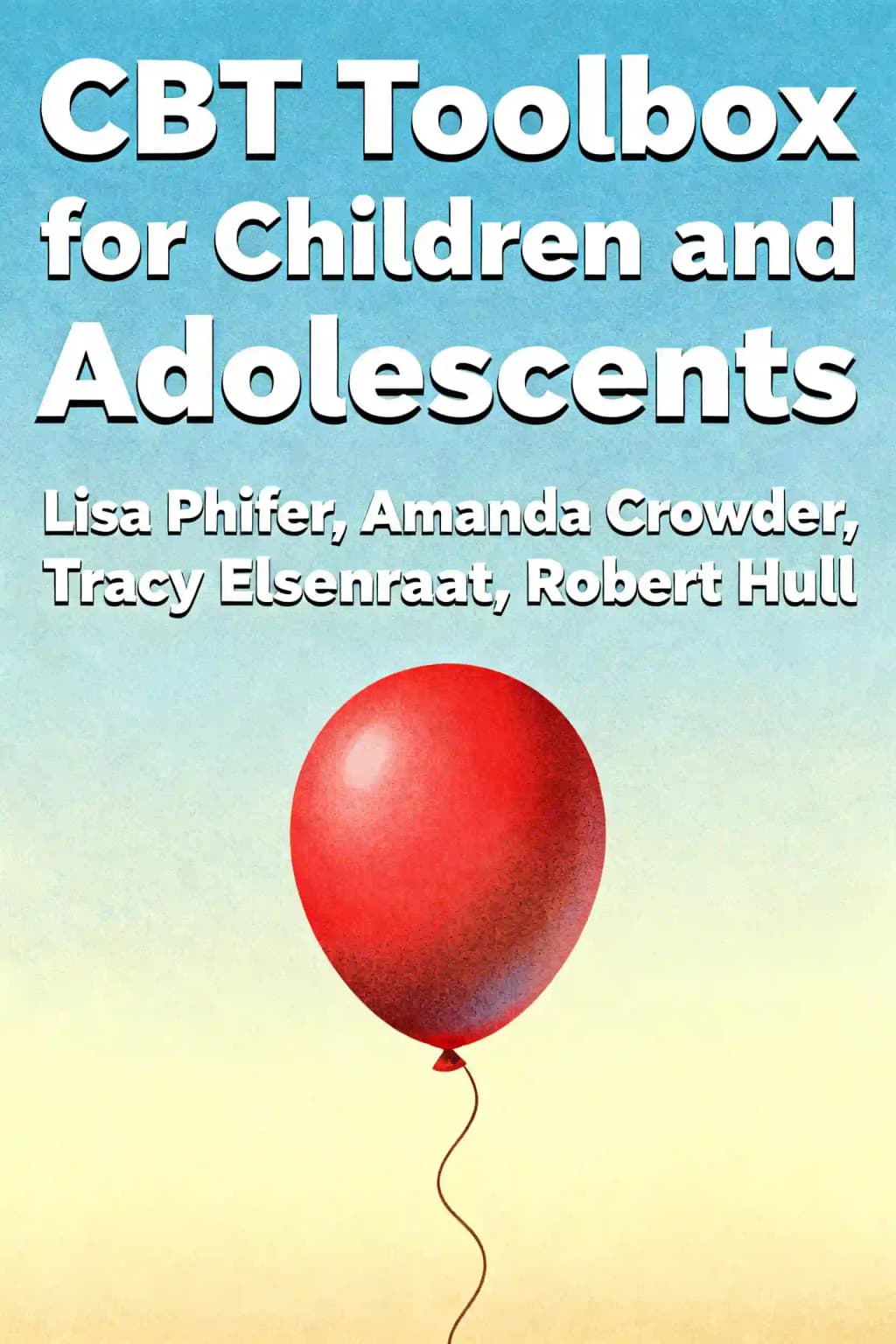
Revolutionizing youth mental health, this evidence-based CBT toolbox equips professionals with versatile strategies for anxiety, ADHD, and trauma. What makes top clinicians call it "indispensable"? Its unique ability to transform therapy through activities that connect with children's diverse learning styles.
Ressentez le livre à travers la voix de l'auteur
Transformez les connaissances en idées captivantes et riches en exemples
Capturez les idées clés en un éclair pour un apprentissage rapide
Profitez du livre de manière ludique et engageante
Our thoughts influence our feelings, which drive our behaviors.
Décomposez les idées clés de CBT Toolbox for Children and Adolescents en points faciles à comprendre pour découvrir comment les équipes innovantes créent, collaborent et grandissent.
Condensez CBT Toolbox for Children and Adolescents en indices de mémoire rapides mettant en évidence les principes clés de franchise, de travail d'équipe et de résilience créative.

Découvrez CBT Toolbox for Children and Adolescents à travers des récits vivants qui transforment les leçons d'innovation en moments mémorables et applicables.
Posez n'importe quelle question, choisissez la voix et co-créez des idées qui résonnent vraiment avec vous.

Cree par des anciens de Columbia University a San Francisco
"Instead of endless scrolling, I just hit play on BeFreed. It saves me so much time."
"I never knew where to start with nonfiction—BeFreed’s book lists turned into podcasts gave me a clear path."
"Perfect balance between learning and entertainment. Finished ‘Thinking, Fast and Slow’ on my commute this week."
"Crazy how much I learned while walking the dog. BeFreed = small habits → big gains."
"Reading used to feel like a chore. Now it’s just part of my lifestyle."
"Feels effortless compared to reading. I’ve finished 6 books this month already."
"BeFreed turned my guilty doomscrolling into something that feels productive and inspiring."
"BeFreed turned my commute into learning time. 20-min podcasts are perfect for finishing books I never had time for."
"BeFreed replaced my podcast queue. Imagine Spotify for books — that’s it. 🙌"
"It is great for me to learn something from the book without reading it."
"The themed book list podcasts help me connect ideas across authors—like a guided audio journey."
"Makes me feel smarter every time before going to work"
Cree par des anciens de Columbia University a San Francisco

Obtenez le resume de CBT Toolbox for Children and Adolescents en PDF ou EPUB gratuit. Imprimez-le ou lisez-le hors ligne a tout moment.
Imagine a world where children could understand their own thoughts and feelings as clearly as they understand how to play their favorite video game. This is the promise of cognitive behavioral therapy (CBT) for young people, and it's revolutionizing how we help children navigate emotional challenges. Unlike traditional approaches that rely heavily on talk therapy, CBT recognizes that children process experiences differently - through play, creativity, and concrete activities that make abstract concepts tangible. The fundamental premise is beautifully simple: our thoughts influence our feelings, which drive our behaviors. For children experiencing emotional or behavioral challenges, making this connection visible can be transformative. What makes this approach so powerful is how it bridges developmental realities with clinical expertise. Rather than expecting children to engage in adult-style self-reflection, CBT activities transform therapeutic concepts into games, art projects, and interactive exercises. Consider a child with anxiety who believes "everyone hates me." Instead of just talking about this belief, they might become a "thought detective," collecting evidence for and against this idea, creating a visual "thought court" where different perspectives get a fair hearing. Suddenly, the abstract process of cognitive restructuring becomes accessible - even fun. The true power of CBT for young people lies not in individual worksheets but in how they function as bridges between understanding and action. The most valuable moments often come through dialogue about completed activities rather than the worksheets themselves. When a child realizes they can question anxious thoughts, or when a parent discovers new ways to support their child's emotional regulation, transformation begins. These tools serve as means rather than ends - conversation starters that open doors to deeper understanding.