Aperçu de A Complaint Free World
Transform your speech with Will Bowen's 2-million-copy bestseller that sparked a global movement across 106 countries. Featured on Oprah, this 21-day challenge to eliminate complaints can boost workplace productivity by 31% and revolutionize how you experience life.
- Replace complaints with gratitude to transform mindset and attract positivity
- The 21-day complaint-free bracelet challenge reveals unconscious negativity through habitual awareness
- Criticism and sarcasm perpetuate negativity; reframe statements into neutral or positive solutions
- Lasting habit change requires 4-8 months of conscious effort beyond initial 21 days
- Complaints shape reality through the Law of Attraction—negative words attract negative outcomes
- Four competence stages guide from unaware complaining to effortless positivity mastery
- Global vision targets 60 million bracelet users to shift collective consciousness
- Daily complaint tracking via wrist switching exposes hidden patterns of verbal negativity
- Reducing complaints improves relationships by replacing criticism with encouragement and empathy
- Words demonstrate thoughts—changing speech patterns rewires brain pathways for optimism
- Complaining is contagious; silence negativity loops to protect mental and emotional health
- Transform "hell of heaven" into "heaven of hell" through deliberate attitude adjustments
À propos de l'auteur de A Complaint Free World
Will Bowen is the #1 international bestselling author of A Complaint Free World and the pioneering force behind the global Complaint Free movement, which has empowered millions to cultivate positivity through mindful communication. A motivational speaker and habit-change expert, Bowen combines insights from behavioral psychology with practical strategies to help individuals and organizations reduce negativity.
His work has been featured on The Oprah Winfrey Show, NBC’s Today, Dr. Oz, and in The Wall Street Journal, Forbes, and People. Maya Angelou penned the foreword to A Complaint Free World, underscoring its transformative potential.
Bowen’s innovative 21-day complaint-free challenge, symbolized by purple bracelets distributed to over 15 million people across 106 countries, forms the core of his methodology. He has authored five bestselling books translated into 35+ languages and delivered keynotes for Fortune 500 companies like Volvo and Kimberly Clark. A 2016 Purdue University Executive in Residence, Bowen’s frameworks are taught in universities and corporate training programs worldwide. A Complaint Free World has sold over 3 million copies and remains a cornerstone of modern positive psychology literature.
FAQ sur A Complaint Free World
What is A Complaint Free World by Will Bowen about?
"A Complaint Free World" teaches readers to eliminate complaining, criticizing, and gossiping by using a 21-day bracelet challenge to build self-awareness. The book emphasizes how reducing negativity improves relationships, health, and happiness through gratitude and reframing thoughts. Will Bowen argues that changing speech patterns reshapes mindset, enabling personal growth and a positive global impact.
Who should read A Complaint Free World?
This book is ideal for individuals seeking to improve relationships, reduce stress, or cultivate positivity. It’s particularly valuable for those struggling with chronic negativity, workplace conflicts, or personal dissatisfaction. Leaders, educators, and parents also benefit from its tools for fostering constructive communication.
Is A Complaint Free World worth reading?
Yes, the book provides actionable strategies (like the bracelet method) backed by real-life success stories, such as chronic pain relief and career improvements. Its blend of practical advice and psychological insights makes it a standout for personal development.
How does the 21-day complaint-free bracelet challenge work?
Wear a bracelet on one wrist; each time you complain, move it to the other wrist. The goal is 21 consecutive days without complaining, criticizing, or gossiping. This process builds awareness of negative speech, helping replace it with gratitude. Over 1 million people have used this method to transform habits.
What are the most impactful quotes from A Complaint Free World?
- “If you don’t like something change it. If you can’t change it, change your attitude.” (Maya Angelou): Encourages proactive problem-solving over passive complaining.
- “Complaining is like bad breath…” (Will Bowen): Highlights the unconscious nature of negativity.
- “What you articulate, you demonstrate.” (Bowen): Links speech to mindset shifts.
How does the book suggest handling criticism and sarcasm?
Criticism and sarcasm are framed as destructive forms of complaining. Bowen advises reframing negative statements neutrally, focusing on solutions, and using questions like “How might you do it?” to redirect responsibility. Positivity and encouragement are prioritized to foster healthier interactions.
What role does gratitude play in A Complaint Free World?
Gratitude counters complaining by shifting focus to appreciation. The book ties gratitude to improved mental health, stronger relationships, and a heightened sense of abundance. Daily gratitude practices are recommended to reinforce this mindset.
Can A Complaint Free World improve workplace communication?
Yes, the book’s principles reduce gossip and blame, creating calmer, more productive environments. Techniques like the bracelet challenge help teams identify negativity, while reframing criticism into constructive feedback enhances collaboration.
What are common criticisms of A Complaint Free World?
Some argue the bracelet method oversimplifies complex emotional habits. Others note that avoiding all criticism can stifle necessary feedback. However, Bowen clarifies that constructive concerns (distinct from complaints) are still valid when solution-focused.
How does A Complaint Free World relate to the Law of Attraction?
The book aligns with the idea that thoughts shape reality: reducing complaints attracts positivity, while negativity perpetuates dissatisfaction. Bowen emphasizes conscious language to manifest desired outcomes.
What long-term benefits does the book promise?
Readers report sustained happiness, better conflict resolution, and heightened self-awareness. Global participants in the movement claim collective shifts toward kindness and accountability.
How does A Complaint Free World compare to other positivity books?
Unlike theoretical guides, Bowen’s work offers a structured, habit-based approach (e.g., the bracelet challenge). It’s more actionable than The Secret but less spiritual than The Power of Now.
Ressentez le livre à travers la voix de l'auteur
Transformez les connaissances en idées captivantes et riches en exemples
Capturez les idées clés en un éclair pour un apprentissage rapide
Profitez du livre de manière ludique et engageante
Personnages de A Complaint Free World
- Will BowenAuthor and creator of the purple bracelet movement
- HalFriend of the author who chose gratitude over pain
- Marilyn FergusonAuthor cited for insights on aging and health
Thèmes clés dans A Complaint Free World
- conscious communication
- negative thought patterns
- verbal habit transformation
- mind-body connection
- gratitude practice
Citations de A Complaint Free World
The average person complains 15 to 30 times a day.
The purpose of the Complaint Free World bracelet is to remind you to stop complaining.
Think of complainers as "ouches" looking for hurts.
Those who hurt others are themselves hurting.
Explorez Votre Façon d'Apprendre
 Mode Résumé Rapide
Lisez ou écoutez le résumé de A Complaint Free World en 8 minutes
Décomposez les idées clés de A Complaint Free World en points faciles à comprendre pour découvrir comment les équipes innovantes créent, collaborent et grandissent.

 Mode Fun
Leçons de A Complaint Free World Racontées en Histoires de 21 Min
Découvrez A Complaint Free World à travers des récits vivants qui transforment les leçons d'innovation en moments mémorables et applicables.
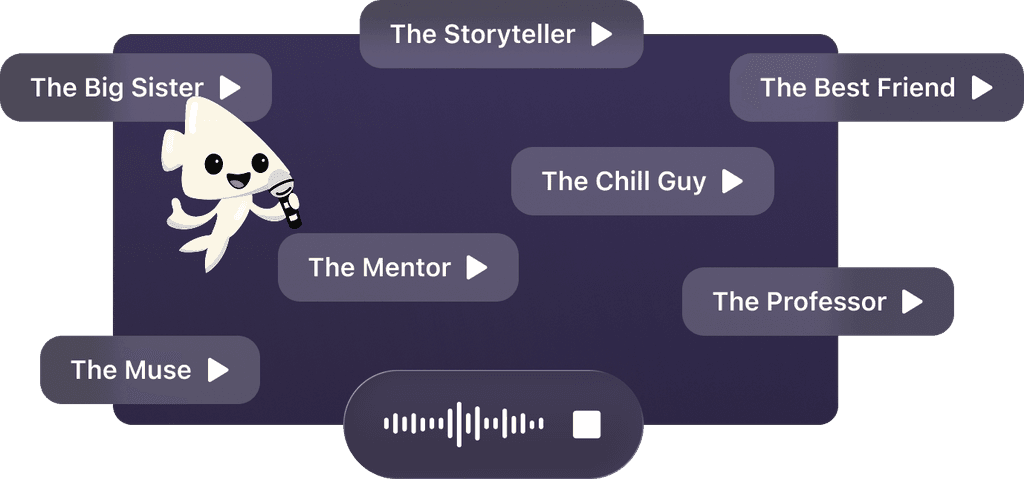
 Mode Personnaliser
Découvrez A Complaint Free World dans votre propre style d’apprentissage
Posez vos questions, choisissez votre style d’apprentissage et co-créez des idées qui vous correspondent vraiment.
Cree par des anciens de Columbia University a San Francisco
"Instead of endless scrolling, I just hit play on BeFreed. It saves me so much time."


"I never knew where to start with nonfiction—BeFreed’s book lists turned into podcasts gave me a clear path."


"Perfect balance between learning and entertainment. Finished ‘Thinking, Fast and Slow’ on my commute this week."
"Crazy how much I learned while walking the dog. BeFreed = small habits → big gains."
"Reading used to feel like a chore. Now it’s just part of my lifestyle."

"Feels effortless compared to reading. I’ve finished 6 books this month already."
"BeFreed turned my guilty doomscrolling into something that feels productive and inspiring."

"BeFreed turned my commute into learning time. 20-min podcasts are perfect for finishing books I never had time for."
"BeFreed replaced my podcast queue. Imagine Spotify for books — that’s it. 🙌"

"It is great for me to learn something from the book without reading it."
"The themed book list podcasts help me connect ideas across authors—like a guided audio journey."
"Makes me feel smarter every time before going to work"
Cree par des anciens de Columbia University a San Francisco
"Instead of endless scrolling, I just hit play on BeFreed. It saves me so much time."
"I never knew where to start with nonfiction—BeFreed’s book lists turned into podcasts gave me a clear path."
"Perfect balance between learning and entertainment. Finished ‘Thinking, Fast and Slow’ on my commute this week."
"Crazy how much I learned while walking the dog. BeFreed = small habits → big gains."
"Reading used to feel like a chore. Now it’s just part of my lifestyle."
"Feels effortless compared to reading. I’ve finished 6 books this month already."
"BeFreed turned my guilty doomscrolling into something that feels productive and inspiring."
"BeFreed turned my commute into learning time. 20-min podcasts are perfect for finishing books I never had time for."
"BeFreed replaced my podcast queue. Imagine Spotify for books — that’s it. 🙌"
"It is great for me to learn something from the book without reading it."
"The themed book list podcasts help me connect ideas across authors—like a guided audio journey."
"Makes me feel smarter every time before going to work"
"Instead of endless scrolling, I just hit play on BeFreed. It saves me so much time."
"I never knew where to start with nonfiction—BeFreed’s book lists turned into podcasts gave me a clear path."
"Perfect balance between learning and entertainment. Finished ‘Thinking, Fast and Slow’ on my commute this week."
"Crazy how much I learned while walking the dog. BeFreed = small habits → big gains."
"Reading used to feel like a chore. Now it’s just part of my lifestyle."
"Feels effortless compared to reading. I’ve finished 6 books this month already."
"BeFreed turned my guilty doomscrolling into something that feels productive and inspiring."
"BeFreed turned my commute into learning time. 20-min podcasts are perfect for finishing books I never had time for."
"BeFreed replaced my podcast queue. Imagine Spotify for books — that’s it. 🙌"
"It is great for me to learn something from the book without reading it."
"The themed book list podcasts help me connect ideas across authors—like a guided audio journey."
"Makes me feel smarter every time before going to work"
"Instead of endless scrolling, I just hit play on BeFreed. It saves me so much time."
"I never knew where to start with nonfiction—BeFreed’s book lists turned into podcasts gave me a clear path."
"Perfect balance between learning and entertainment. Finished ‘Thinking, Fast and Slow’ on my commute this week."
"Crazy how much I learned while walking the dog. BeFreed = small habits → big gains."
"Reading used to feel like a chore. Now it’s just part of my lifestyle."
"Feels effortless compared to reading. I’ve finished 6 books this month already."
"BeFreed turned my guilty doomscrolling into something that feels productive and inspiring."
"BeFreed turned my commute into learning time. 20-min podcasts are perfect for finishing books I never had time for."
"BeFreed replaced my podcast queue. Imagine Spotify for books — that’s it. 🙌"
"It is great for me to learn something from the book without reading it."
"The themed book list podcasts help me connect ideas across authors—like a guided audio journey."
"Makes me feel smarter every time before going to work"

Telecharger le resume de A Complaint Free World
Obtenez le resume de A Complaint Free World en PDF ou EPUB gratuit. Imprimez-le ou lisez-le hors ligne a tout moment.